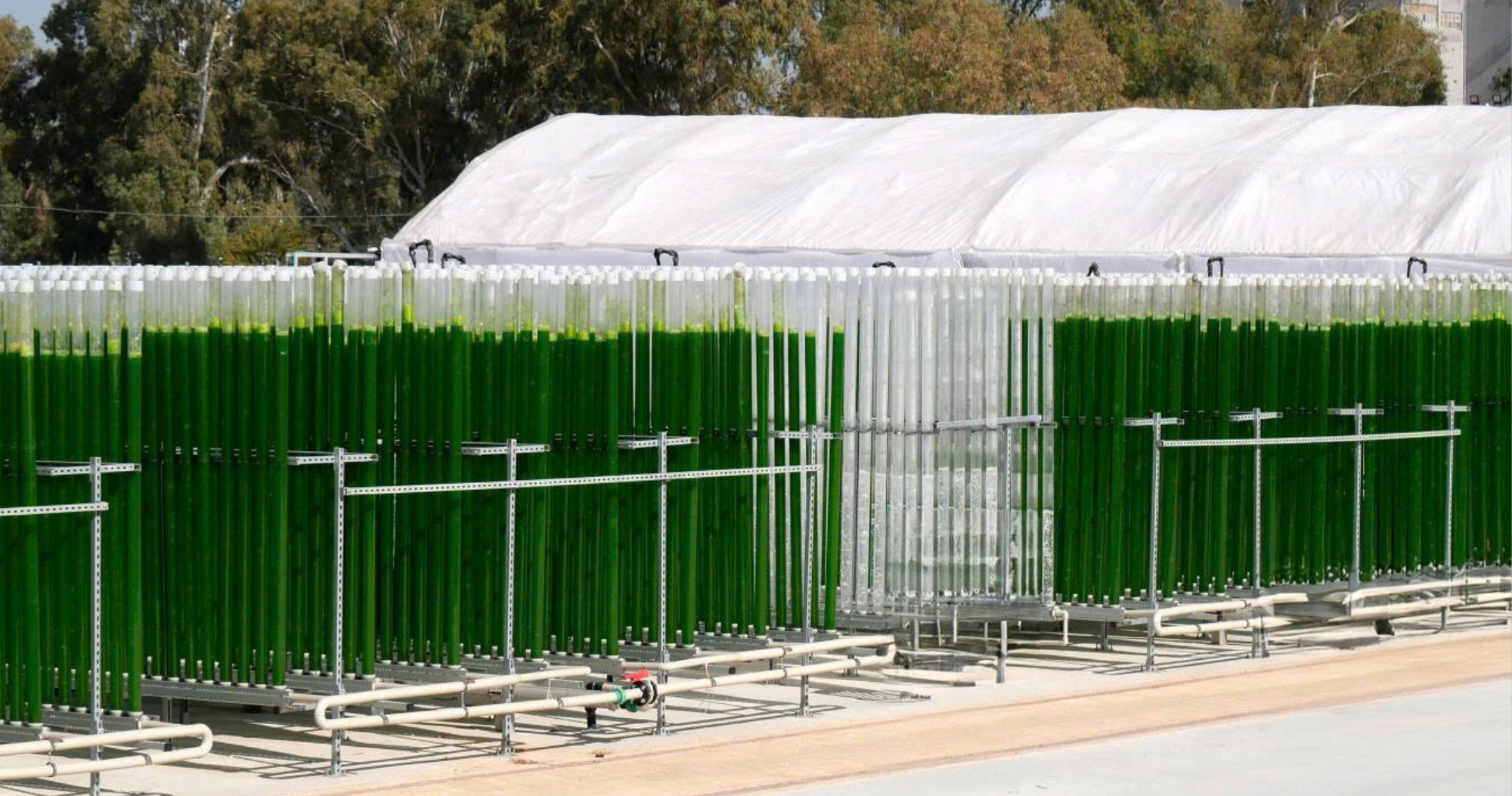
As the world looks for sustainable alternatives to petrochemicals, microalgae are emerging in a very unexpected field: ultra-precise laser 3D printing. Recent scientific studies show that microalgae can be transformed into bio printing ink, used to create complex and biocompatible 3D structures.
Why are microalgae suitable for 3D technology?
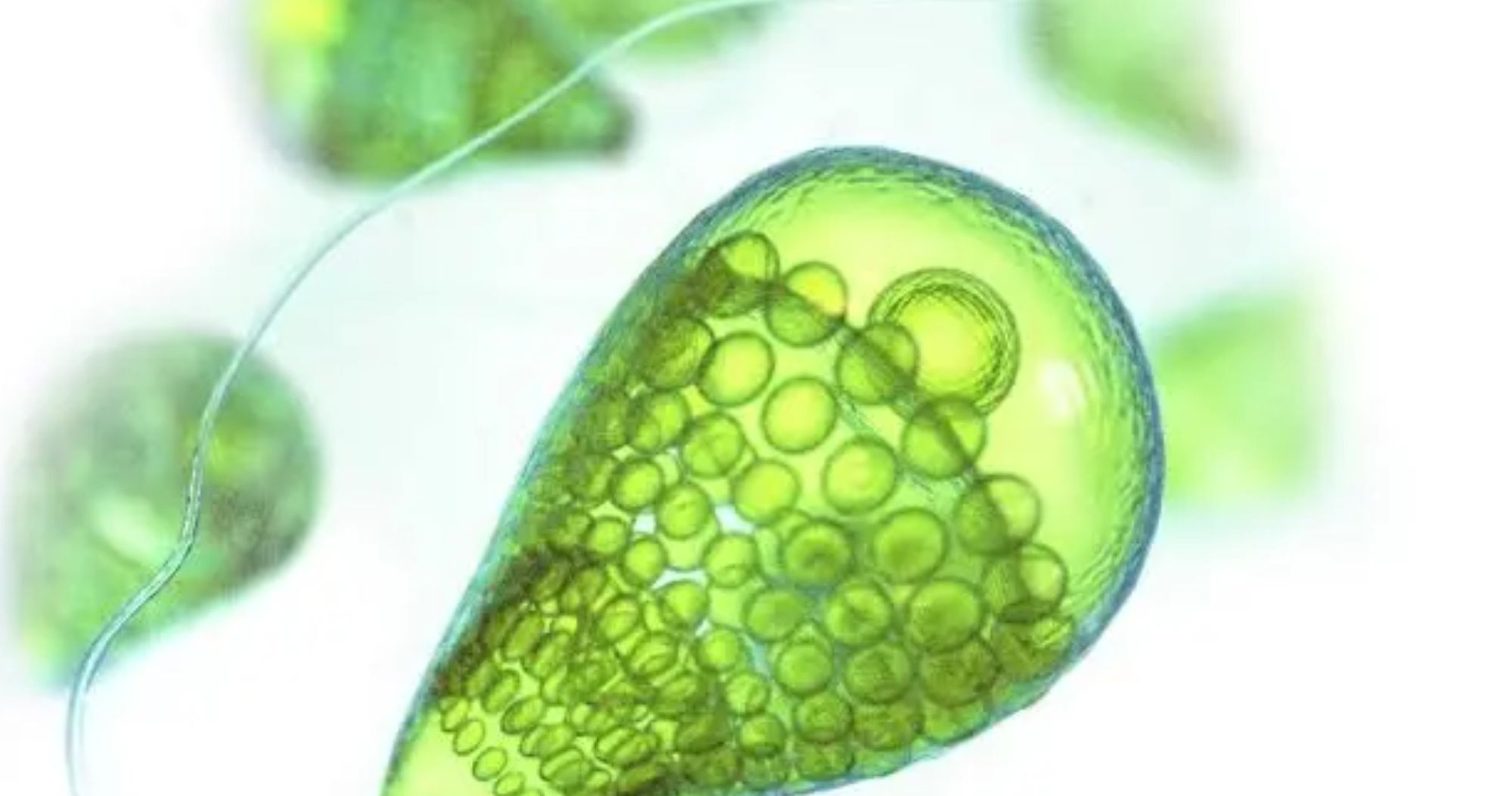
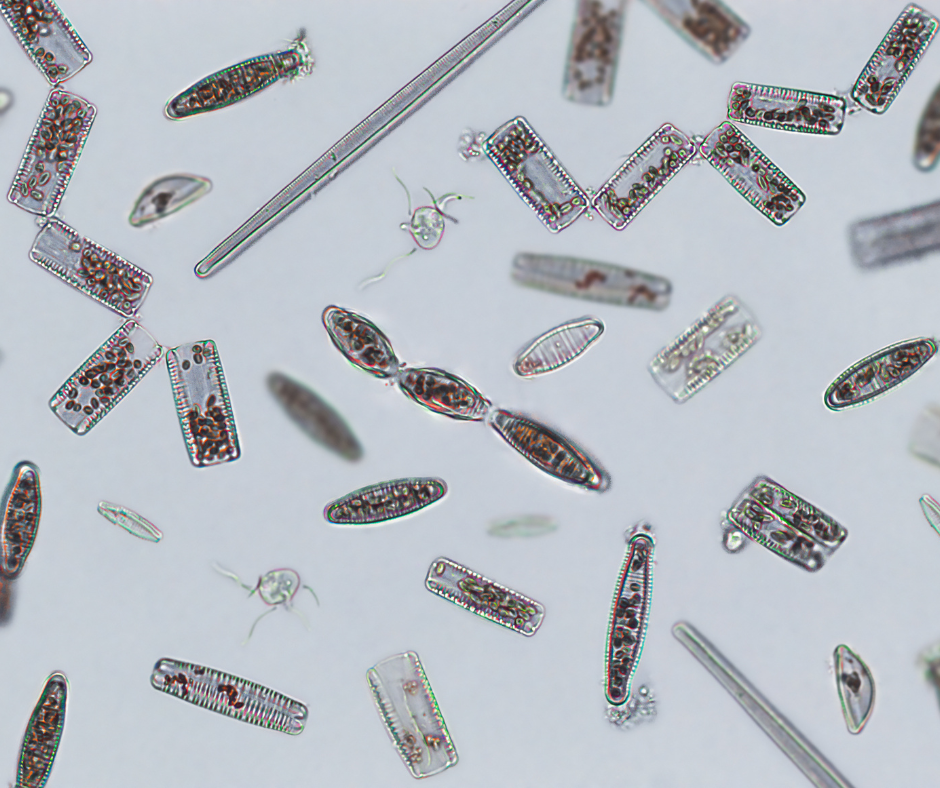
Microalgae such as Odentella aurita and Tetraselmis striata contain high levels of lipids and photoactive pigments. It is these biological components that make microalgae an ideal “biological factory” for the production of sustainable raw materials for 3D printing technology using light.
In addition to chemical composition, microalgae also have a fast growth rate, absorb CO₂ during cultivation and have high biocompatibility, which are great advantages over traditional petrochemical polymerization.
How does two-photon laser 3D printing technology work with ink from microalgae?
Two-photon laser 3D printing is an advanced superimposition printing technology, which enables structure generation at the micro and nanoscale levels. The process uses a converging laser beam to activate the photoactive molecules in the liquid resin, causing the material to solidify only at the exact point.
In the past, printing ink was mainly made from petrochemical polymerization. In contrast, microalgae ink uses modified natural triglycerides for curing under light, where the microalgal pigment itself plays a role in triggering the reaction.

Breakthrough in biological and sustainable 3D printing from microalgae
With ink from microalgae, scientists have successfully printed complex 3D structures with high precision, including the suspended part and the hollow cavity inside. More importantly, these structures show superior biocompatibility.
Cell culture experiments showed survival rates close to 100% after 24 hours on 3D scaffolds from microalgae, opening up great potential for the biomedical field.
Why is 3D printing from microalgae important for the future?
This technology shows that microalgae are not only a source of nutrients, but are gradually becoming a base material for sustainable production.
From 3D cell cultures, tissue scaffolds to biological implants, microalgae ink could redefine how humans design biomedical materials in the future.
Conclusion
Microalgae are gradually becoming part of an innovative ecosystem between health, technology and sustainability. What all these applications have in common lies in one core value: optimizing the biological potential of microalgae to serve humans in a sustainable, scientific way.
In parallel with optimizing nutritional and health value from algae. At TA Vital, we always monitor, connect and promote new research directions in algae flavor applications - from biomaterials, green technologies to circular economic models.
References: Clara Vazquez‐Martel, Lilliana Florido Martins, Elisa Genthner, Carlos Almeida, Antera Martel Quintana, Martin Bastmeyer, Juan Luis Gómez Pinchetti, Eva Blasco. Printing Green: Microalgae‐Based Materials for 3D Printing with Light. Advanced Materials, 2024.


.png)
.png)





.jpg)






.jpg)

.jpg)



.jpg)


.png)
.png)
.jpg)
.jpg)







.jpg)

.jpg)


.jpg)
.jpg)


.jpg)



.jpg)





.png)




.jpg)



.jpg)