
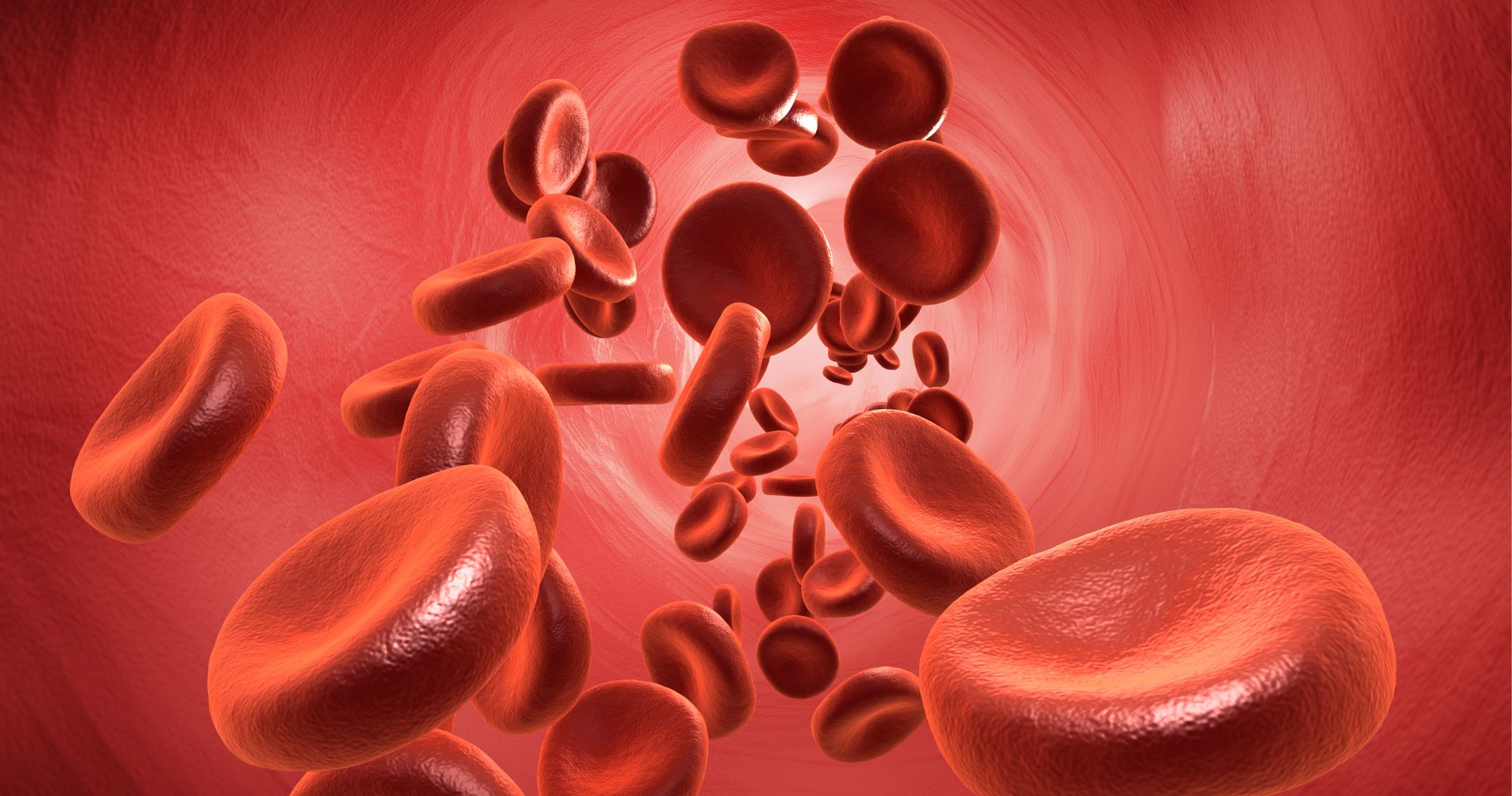
In recent years, high blood fat has ceased to be a health problem that only occurs in older adults. Sedentary lifestyle, prolonged stress and a diet rich in refined foods are causing the type of blood fat to appear earlier, more silently and more difficult to recognize. As a result, more and more people are starting to look for basic, long-term nutritional solutions instead of only treating them when the index has exceeded the threshold.
In the quest to find solutions to support metabolic health in a natural way, Spirulina gradually appeared in topics discussing metabolic health and blood fat. Not as a treatment solution, but as a natural source of nutrients that are involved in how the body processes fat every day.
What is high blood fat?
Blood fat is a generic term for the fats that exist in the blood, including cholesterol and triglycerides. Cholesterol is divided into two main types: LDL and HDL
LDL is often called bad cholesterol because when in excess, it tends to accumulate on the walls of blood vessels, reducing elasticity and hindering blood circulation. In contrast, HDL is considered the “good cholesterol” because it helps transport excess cholesterol to the liver for processing
High blood fat occurs when LDL or triglyceride levels are elevated, or when HDL is too low. It is worth mentioning that this condition usually does not cause obvious pain or symptoms in the early stages, which makes many young people subjective
Summary: High blood fat is a disorder of the fats in the blood, which can progress silently for years before causing complications.
High blood fat is no longer an older person's own problem
In the past, high blood fat was often seen as a consequence of age. However, recent health surveys show that the percentage of young people with lipid-blood disorder problems is increasing markedly.
Modern but unbalanced eating
Fast food, processed foods, foods high in sugar and refined fats have become a familiar part of busy life. Even without eating too much animal fat, high consumption of sugar, refined starches, and sweet drinks can cause blood triglycerides to rise.
Stress and prolonged lack of sleep
Stress not only affects the psyche, but also directly affects the metabolic processes in the body. With prolonged stress and insufficient sleep, the hormone cortisol rises, which disrupts fat metabolism and promotes fat accumulation in the blood.
Sedentary
Many young people work in offices, sit for hours a day but are sedentary. The lack of physical activity reduces the body's ability to use energy making it easier for blood fat to accumulate.
Skinny but still high in blood fat
A common misconception is that only overweight people have high blood fat. In fact, thin people can still suffer from this condition if they eat unbalanced, have a lot of stress and are sedentary. This is why high blood fat is increasingly difficult to recognize in young people.
What does blood fat have to do with daily nutrition and what signs are often overlooked?
Blood fat not only reflects the amount of fat in the diet, but is also closely related to how the liver and metabolic system process energy. When the body constantly feeds on foods rich in saturated fats, refined sugars and a lack of fiber, the lipid balance is gradually disrupted.
In contrast, a diet rich in micronutrients, quality proteins, and juvenile biological compounds can support the liver and metabolic system to function more efficiently. This is why natural sources of nutrition such as spirulinabegan to be studied in connection with blood fats.
Signs of high blood fat are often overlooked:
- Prolonged fatigue even without heavy work
- Heavy mind, difficulty concentrating
- Sleep without deep sleep is easy to wake up
- Easy to increase abdominal fat
Because these signs are quite general, many people just think of themselves as “sleep deprived” or “work stress,” without having to do with blood fat.
Direction of natural improvement from lifestyle and nutrition
The control of high blood fat does not have to start with extreme measures. With young people, lifestyle changes often give a pronounced effect:
- Eat balanced, reduce refined foods
- Get enough sleep and manage stress better
- Gently increase physical activity every day
.jpg)
In addition, modern nutritional trends are also increasingly interested in foods rich in antioxidants and support natural metabolism. This is why green nutrients like Spirulina often mentioned in solutions that support blood fat in a sustainable direction
Conclusion
High blood fat is no longer the story of old age. Properly understanding high blood fat early helps young people to actively adjust their lifestyle, rather than waiting until complications begin to worry. It is also the first step to access more natural, safe and sustainable nutritional solutions for long-term health.
.png)
.png)


.jpg)





.jpg)
.jpg)


.jpg)


.png)
.png)
.jpg)
.jpg)






.jpg)

.jpg)


.jpg)
.jpg)


.jpg)



.jpg)





.png)



.jpg)


.jpg)










%205%20l%E1%BB%A3i%20%C3%ADch%20n%E1%BB%95i%20b%E1%BA%ADt%20cho%20s%E1%BB%A9c%20kh%E1%BB%8Fe%20ng%C6%B0%E1%BB%9Di%20hi%E1%BB%87n%20%C4%91%E1%BA%A1i.jpg)


