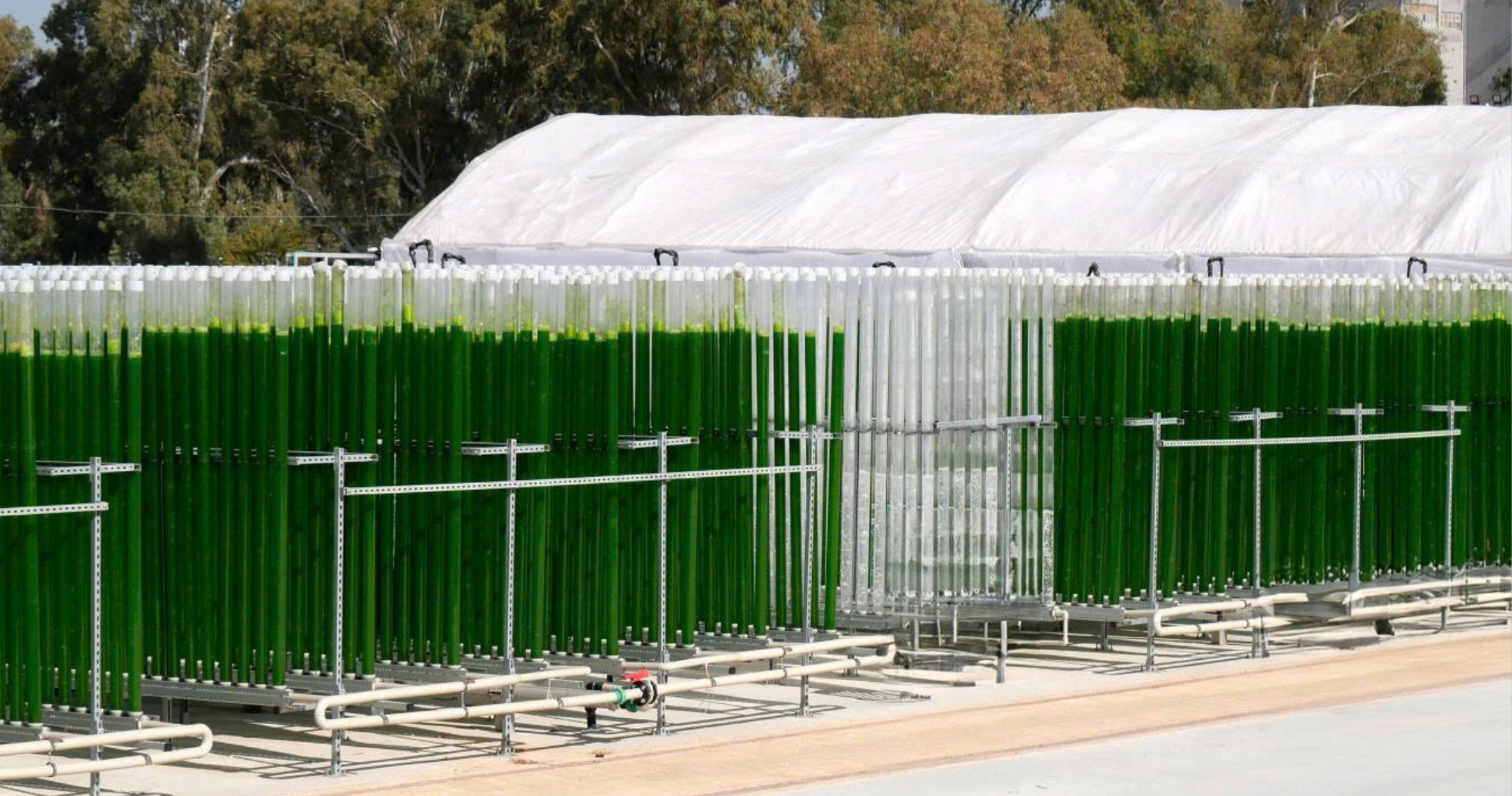
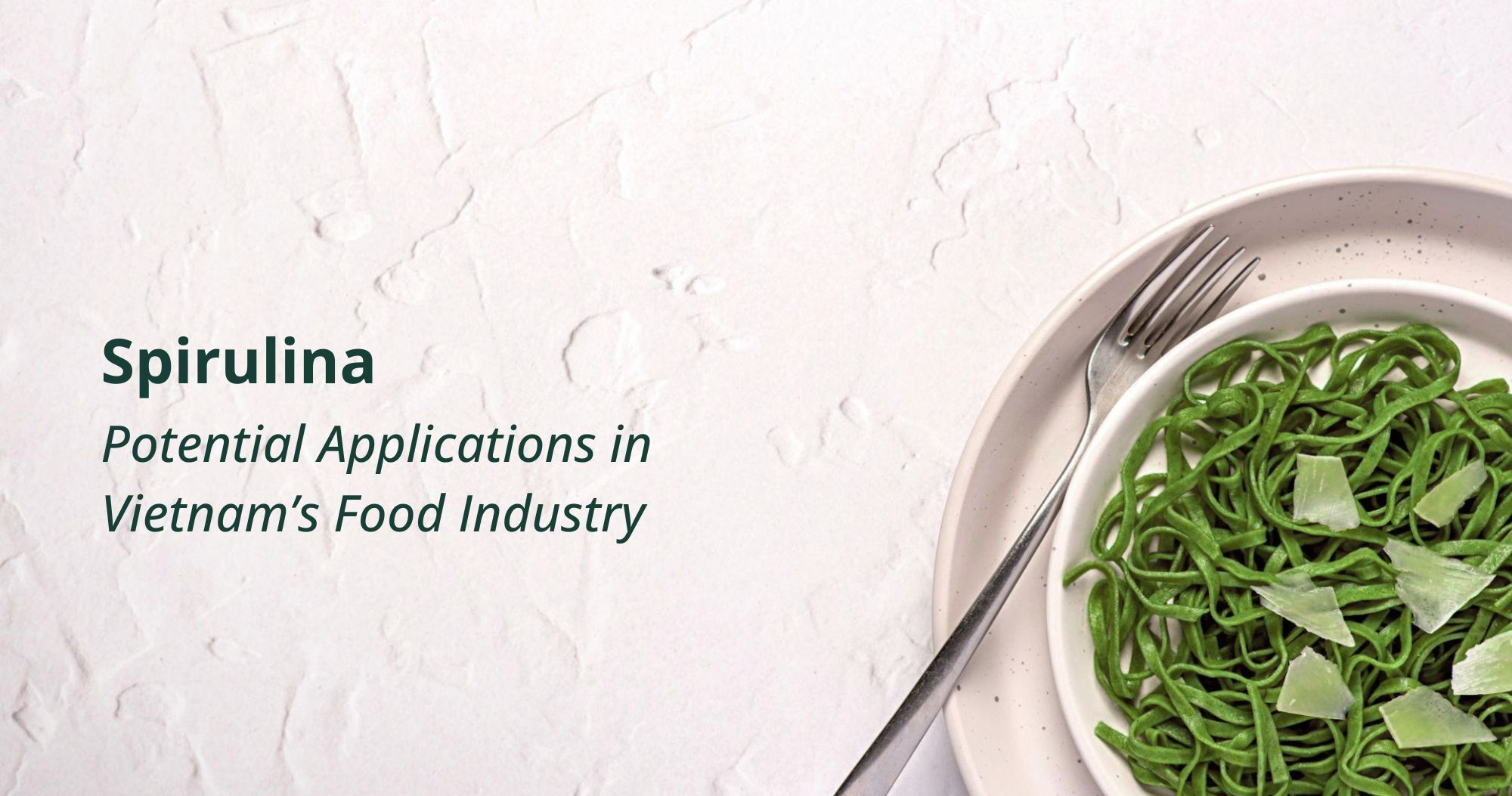
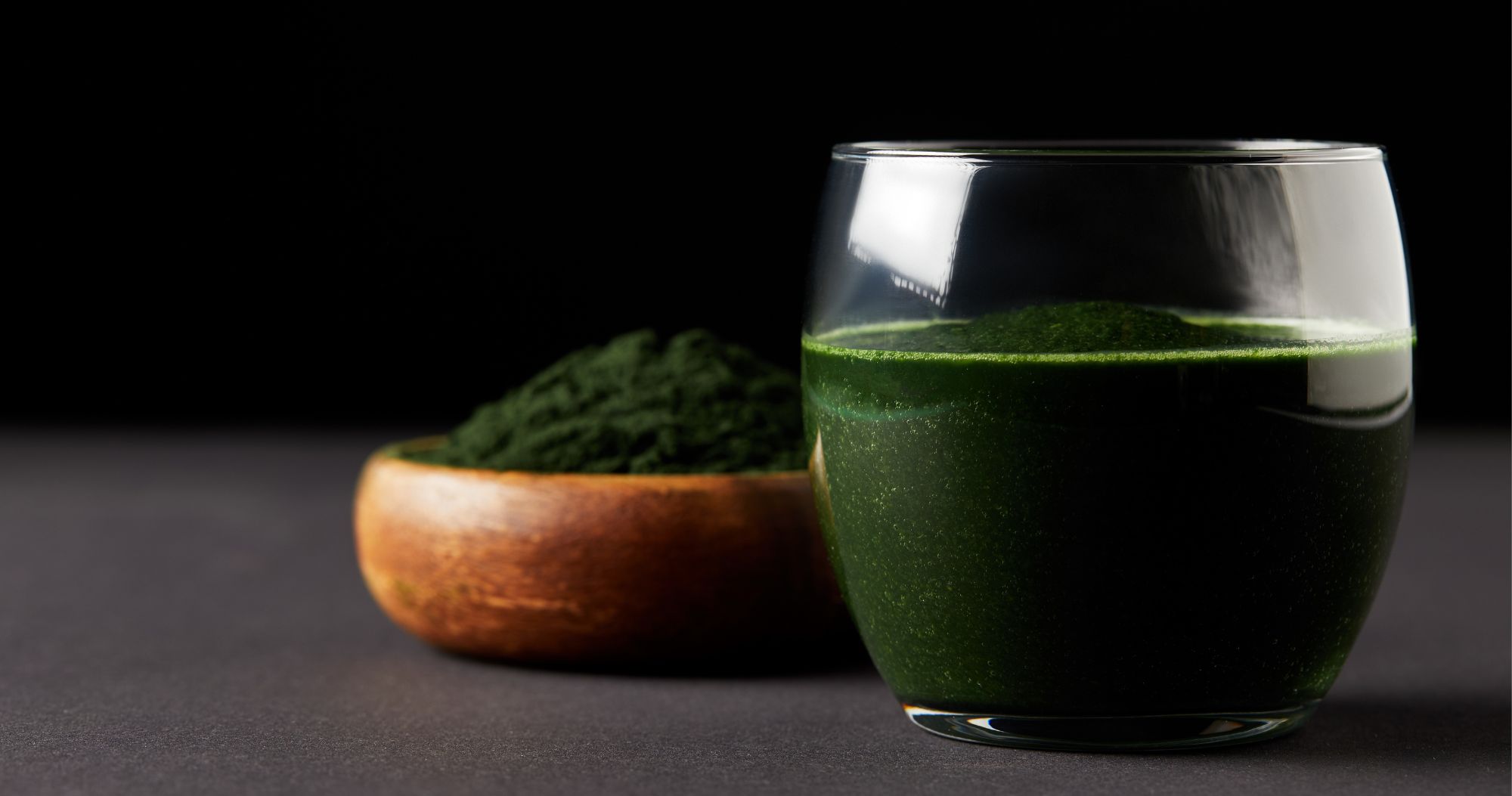
When people think of Spirulina, they often associate it with green algae powder used in smoothies, capsules, or nutritional supplements. However, the potential of microalgae does not necessarily have to be limited to the supplement category.
An increasingly relevant question in the F&B industry is: Can microalgae become an ingredient in familiar everyday foods?
In Hong Kong, WADA Bento explored this idea. Operated by Kamakura Foods Limited, WADA Bento developed a bento concept that combines Japanese-style cuisine with automated distribution systems, including a network of bento vending machines.
As part of the “Lunch Box with Microalgae” project, WADA Bento incorporated microalgae-derived ingredients into a range of familiar bento dishes. The formulations included beef, chicken, pork, as well as Korean-inspired dishes.
What is particularly noteworthy is not simply the addition of microalgae to food. The value of this approach lies in integrating novel ingredients into familiar food formats while leveraging the nutritional, coloring, or functional properties of microalgae according to the requirements of each formulation.
1. How Did WADA Bento Apply Microalgae?
According to information from Eiyoka Algae Foods, the Lunch Box with Microalgae project featured a range of Japanese-style bento dishes incorporating microalgae-derived ingredients. The dishes introduced included Sriracha Sesame Garlic Beef with Euglena Gold, Korean Sweet and Spicy Chicken & Cartilage with Scarlet AXT, Chicken with Eiyoka Green Curry with Euglena Jade, and Fried Pork with Eiyoka Ginger Sauce with Euglena Gold.
What stands out here is that microalgae were not developed as a completely separate product from the meal itself. Instead, they were incorporated directly into familiar food formulations such as beef, chicken, pork, and various sauces.
This approach offers a different perspective on microalgae-based product development. Consumers do not necessarily need to change their eating habits completely to adopt a new ingredient. Instead, novel ingredients can be integrated into products and food formats that consumers are already familiar with.
2. Why Do Microalgae Have Potential in the Food Industry?
Microalgae represent a group of ingredients with a range of properties that can be explored in food development, depending on the species, processing methods, and formulation.
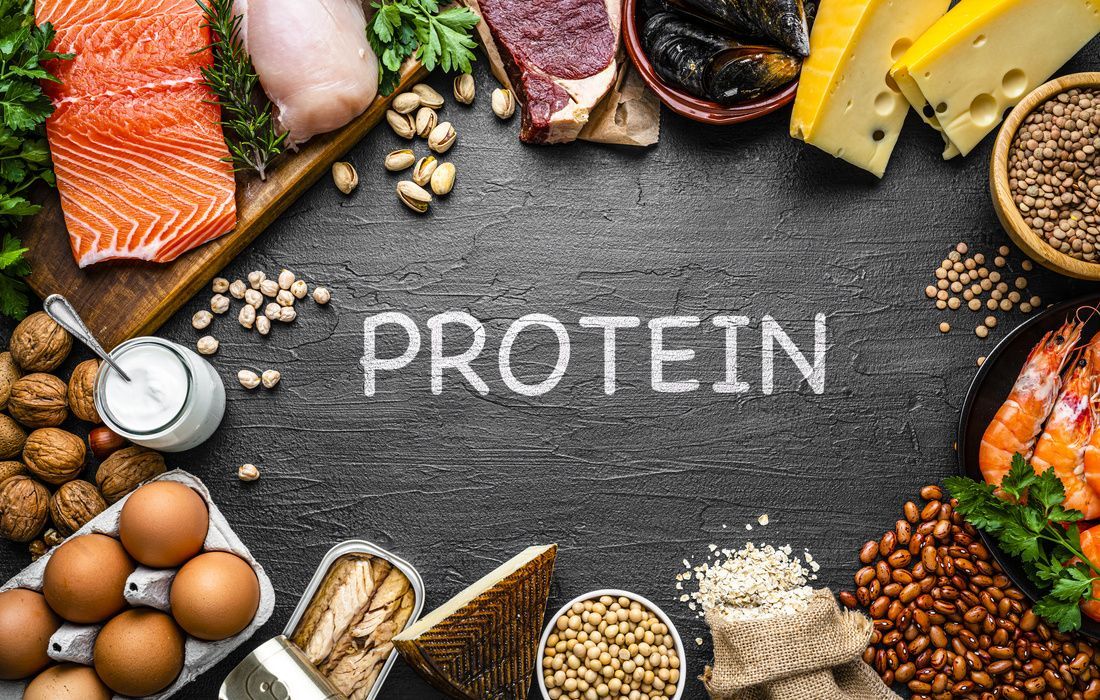
One of the key areas of interest is their nutritional value. Certain microalgae contain notable levels of protein and other nutrients. This is also why Spirulina has long been used in protein supplements, nutritional powders, and functional food products.
However, the value of microalgae in F&B extends beyond their nutritional composition. Certain microalgae also contain natural pigments with potential applications in food and beverage products.
In Spirulina, phycocyanin is the pigment responsible for its characteristic blue color and has attracted interest in the development of products using naturally derived colors. This presents potential applications across beverages, smoothies, plant-based milk, desserts, bakery products, and various other food categories.
Microalgae can also be evaluated based on their functional properties within specific formulations. However, their practical application cannot be assessed solely based on the ingredient itself; compatibility with the overall product system also needs to be considered.
3. From WADA Bento to Spirulina: Microalgae Can Go Beyond Supplements
WADA Bento incorporated Euglena and other microalgae-derived ingredients into its menu development process. However, this approach also raises a broader question about Spirulina.
Rather than viewing Spirulina solely as an algae powder for nutritional supplements, manufacturers can explore its potential as an ingredient for a wider range of food formats.
Depending on the product development objectives, Spirulina can be explored across various applications. These may include beverages, functional beverages, protein foods, snacks, energy bars, protein bars, bakery products, desserts, plant-based products, and other food formulations where distinctive color characteristics are desired.
Of course, not every formulation is suitable for the same type of Spirulina. The dosage, ingredient format, desired color, flavor profile, pH, processing temperature, manufacturing process, and interactions with other ingredients can all affect the final product.
Therefore, the key question for manufacturers is not simply “Where can Spirulina be used?” but rather “Which type of Spirulina is suitable for my product and manufacturing process?”
4. Why Is Food Grade Spirulina Important for F&B Manufacturers?
When Spirulina is used as an ingredient in food and beverage products, the intended application should be defined from the early stages of R&D.
Food Grade Spirulina intended for food applications should be evaluated based on multiple factors, including raw material origin, specifications, microbiological parameters, heavy metals, sensory characteristics, color, stability, and relevant technical documentation.
For F&B manufacturers and OEMs, a COA and specification are not merely documents used to verify an ingredient after purchase. They also provide a basis for R&D teams to assess whether the ingredient is suitable for the product requirements.
A suitable ingredient needs to meet more than compositional requirements. It should also demonstrate batch-to-batch consistency, reliable supply, and compatibility with the actual manufacturing process.
5. What Products Can Spirulina Be Applied To?
The potential of Spirulina in F&B can extend across a wide range of product formats.
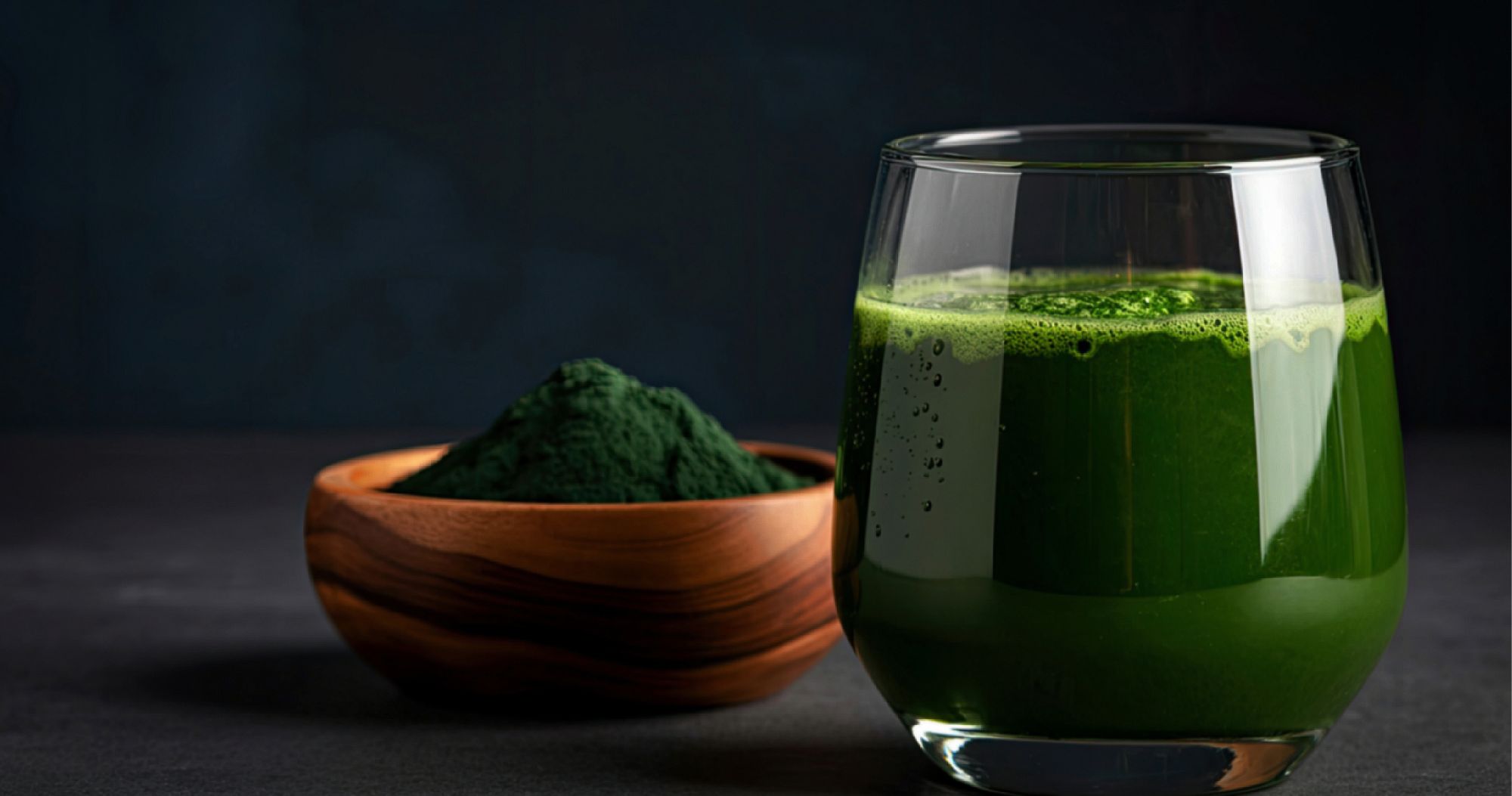
In beverages, Spirulina can be explored for smoothies, functional beverages, and nutrition-oriented beverage products. For formulations using phycocyanin, its potential to provide a natural blue color may also be an important consideration.
In nutritional foods, Spirulina can be incorporated into formulations designed to provide protein or other nutrients derived from microalgae.
For snacks and bakery products, Spirulina can be explored in energy bars, protein bars, crackers, and other product categories, depending on sensory requirements and formulation characteristics.
In addition, plant-based foods, desserts, and certain sauces or seasonings may also be considered as potential applications.
The key point is that each application requires a different R&D approach. Using Spirulina effectively is not simply a matter of adding a certain amount of powder to a formulation. It requires an assessment of the interactions among the ingredient, processing conditions, and final product.
6. From Microalgae Ingredients to Commercial Products
The WADA Bento case highlights an important point: ingredient innovation does not necessarily mean completely changing how consumers use or experience food.
A novel ingredient can be integrated into familiar products through R&D, formulation development, and process optimization.
For Spirulina, product development can begin by clearly defining the intended objective. Does the manufacturer want to enhance nutritional value, develop a protein-oriented product, leverage natural color, or combine several of these objectives?
The next step is to evaluate the formulation conditions, including pH, temperature, heating time, light exposure, dosage, and interactions with other ingredients.
Finally, there is the question of supply. A successful R&D formulation is only the first step. Once the product moves into commercial production, raw material stability, batch-to-batch consistency, specifications, and the ability to meet production volumes become critical considerations for manufacturers.
7. Spirulina Is More Than Just a Green Powder
The growing use of microalgae in the food industry is opening up a new perspective on this group of ingredients. Microalgae do not necessarily have to be limited to products positioned specifically for health and wellness. They can become ingredients in familiar products, ranging from beverages, snacks, and bakery products to functional foods and other food formats.
The WADA Bento case provides an interesting example of how a microalgae-derived ingredient can be incorporated into food formats that consumers are already familiar with. For Spirulina, the next question may no longer simply be: “What are the benefits of Spirulina?” Instead, it could be: “What additional value can Spirulina bring to your next product?”
8. TA Vital – Spirulina Powder for Food and Supplement Applications
TA Vital supplies Spirulina Powder in both Food Grade and Supplement Grade, supporting product development needs across food, beverage, and nutritional supplement manufacturing.
For businesses exploring Spirulina applications, ingredient selection should begin with specifications, product requirements, and actual formulation conditions rather than being based solely on nutrient content or raw material price.
If your business is developing a product that incorporates Spirulina, contact TA Vital to learn more about Food Grade Spirulina, product specifications, and sample information suited to your R&D requirements.

.png)
.png)


.jpg)





.jpg)
.jpg)


.jpg)


.png)
.png)
.jpg)
.jpg)





.jpg)

.jpg)


.jpg)
.jpg)


.jpg)



.jpg)




.png)




.jpg)



.jpg)