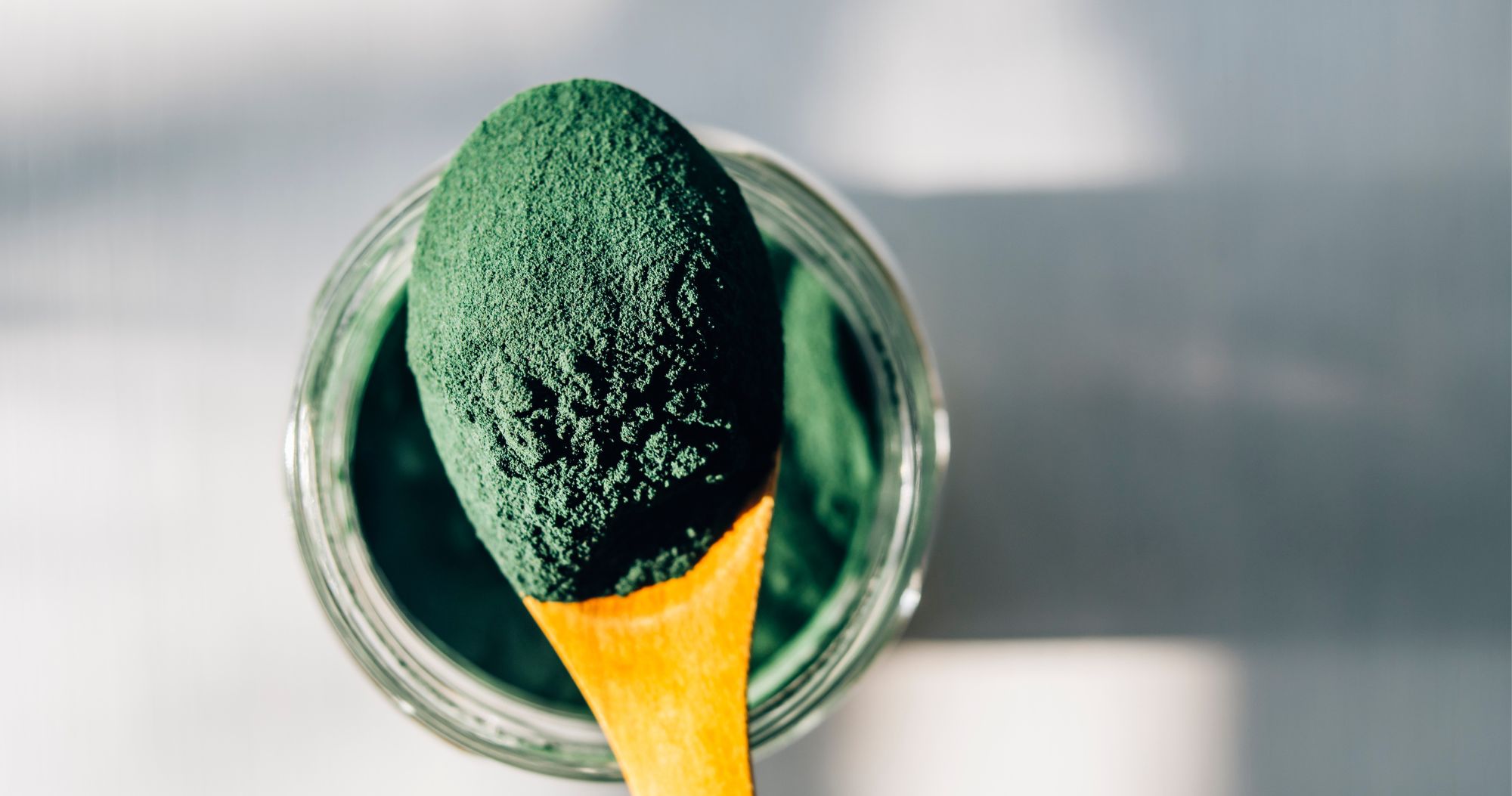
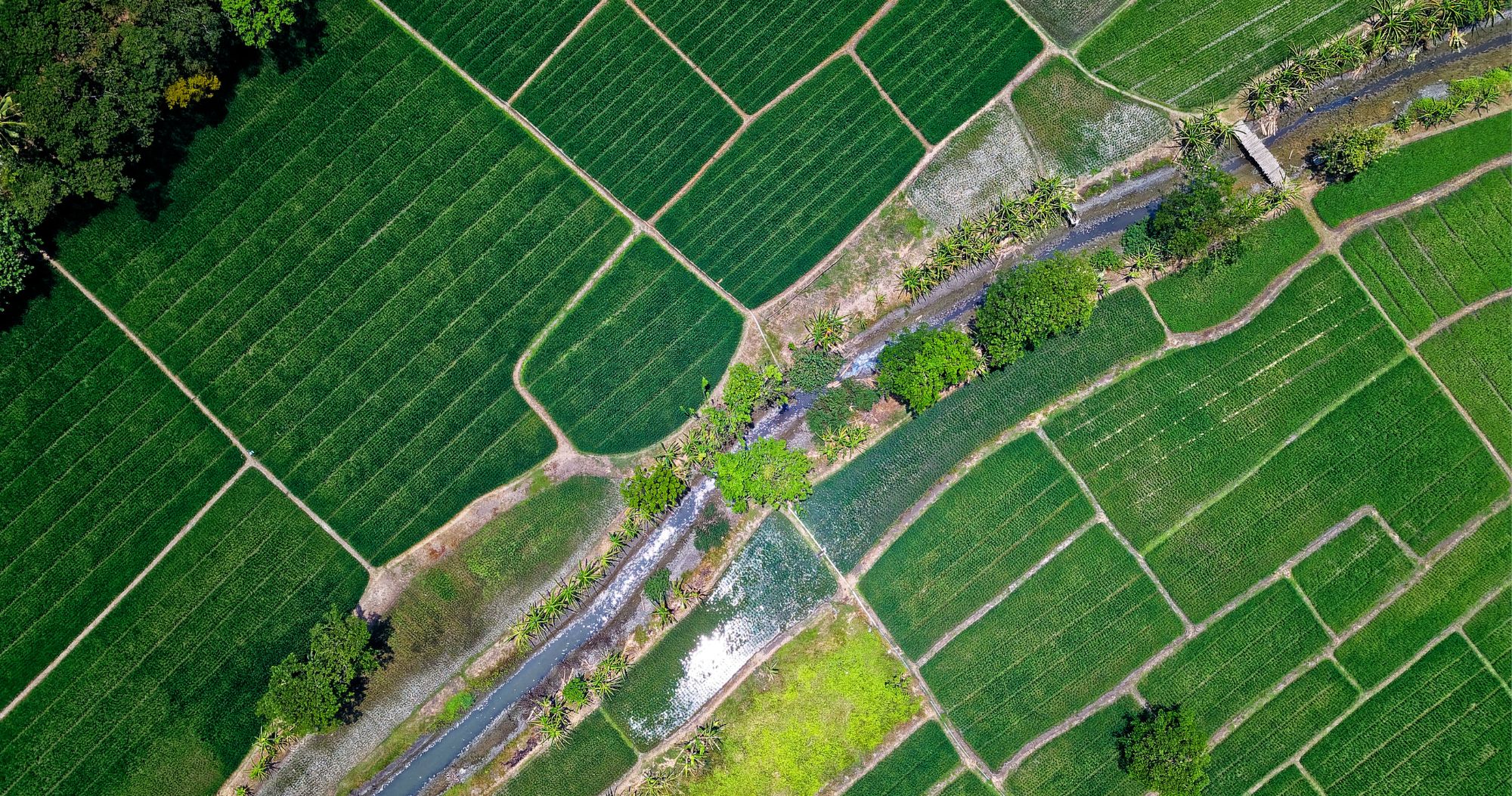
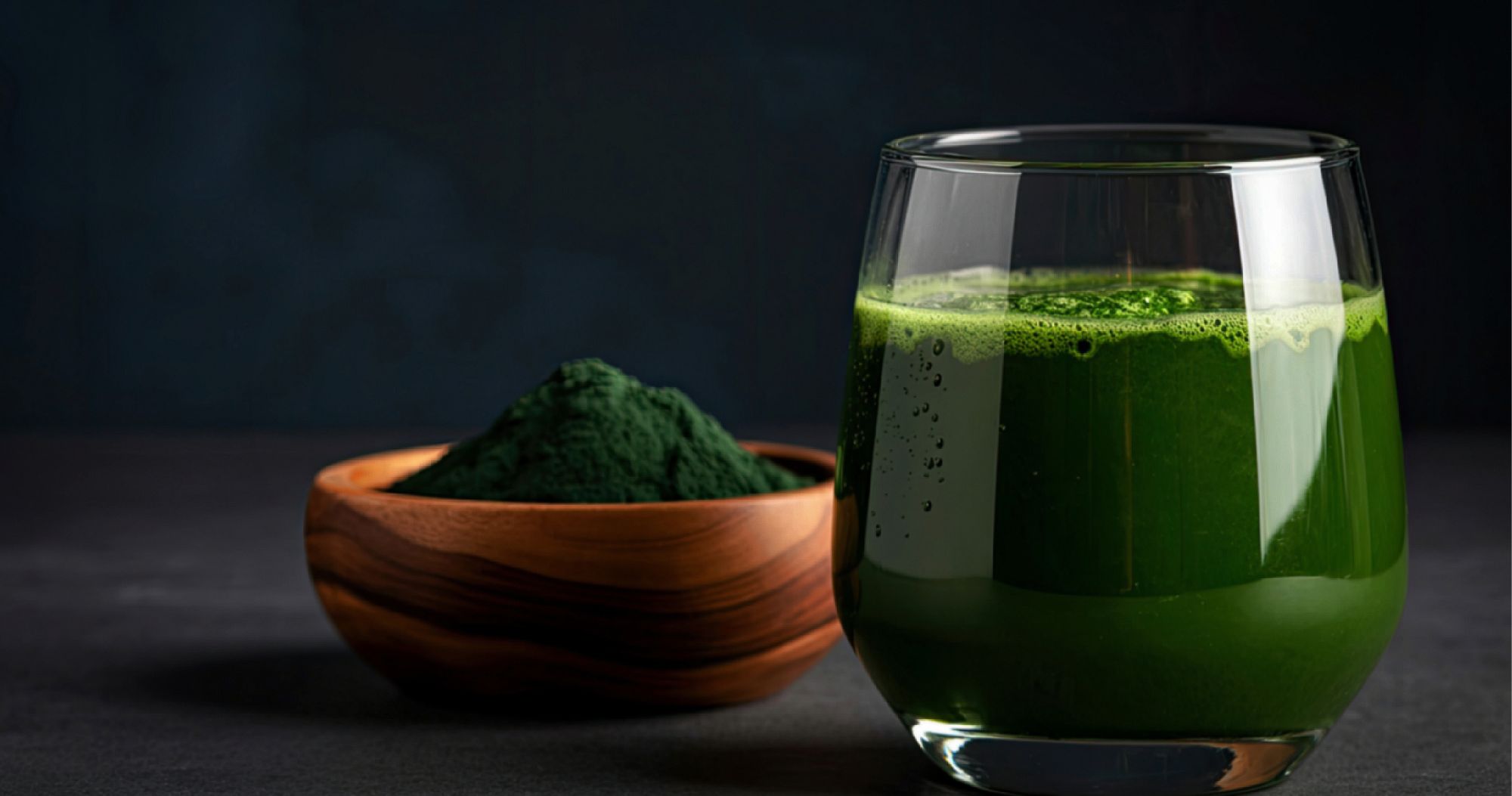
When referring to spirulina, many people immediately think of a nutrient-rich “superfood”. Spirulina is famous for its high protein content, which contains many vitamins and minerals important for the body. However, one of the factors that make up the special value of this microalgae lies in a lesser-known biological compound: phycocyanin.
Phycocyanin is the pigment that makes up Spirulina's characteristic blue color. But its role does not stop only in coloring. Numerous studies show that this active ingredient has strong antioxidant abilities, supports the immune system and contributes to the protection of cells from damage.
In this article, let's take a closer look at what phycocyanin is, what phycocyanin works, and why this active ingredient is considered one of the most valuable ingredients in spirulina.
What is phycocyanin?
Definition of phycocyanin
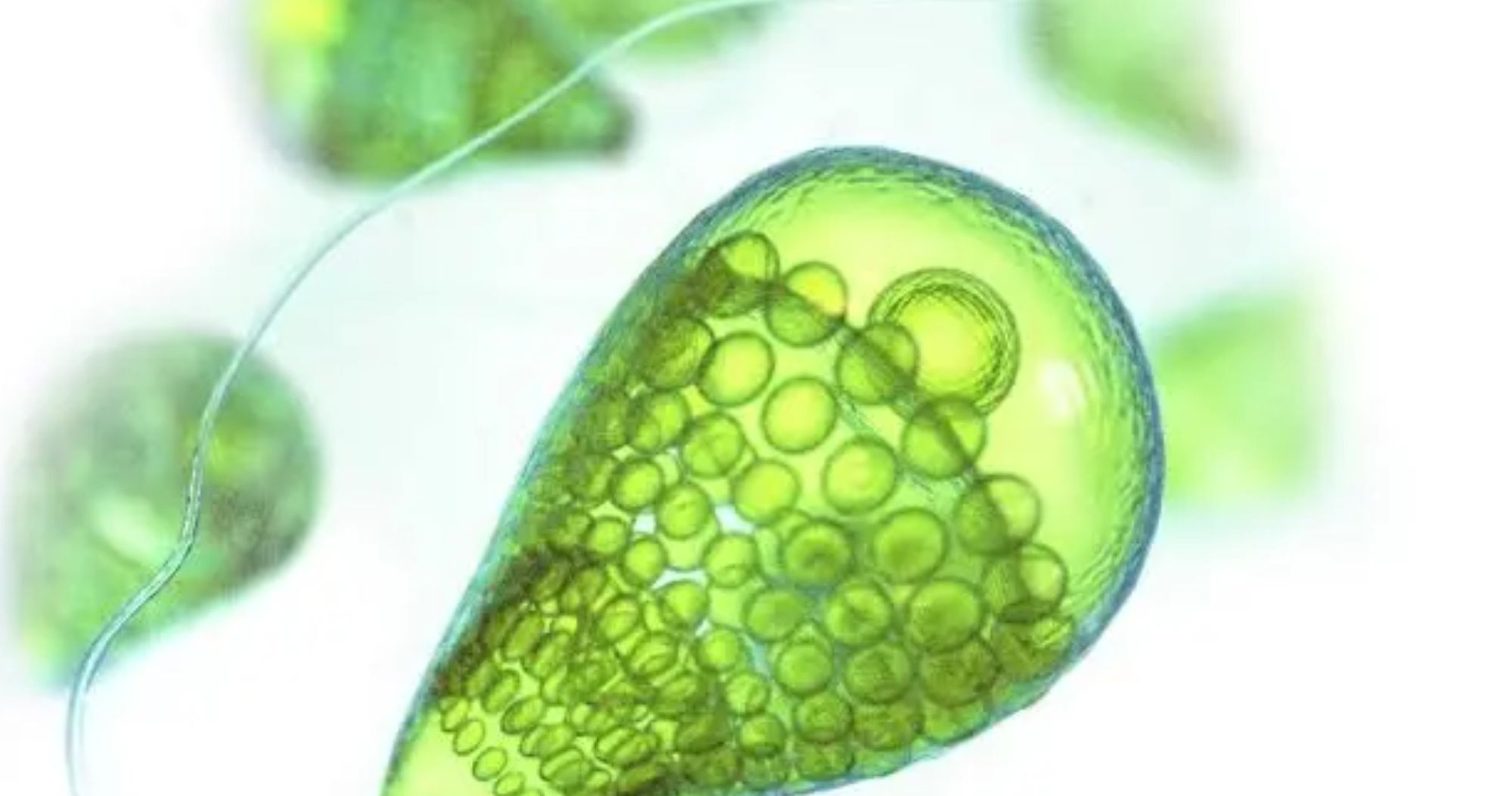
Phycocyanin is a pigment protein belonging to the phycobiliprotein group. This is a special group of compounds capable of absorbing light and participating in the photosynthesis of microalgae.
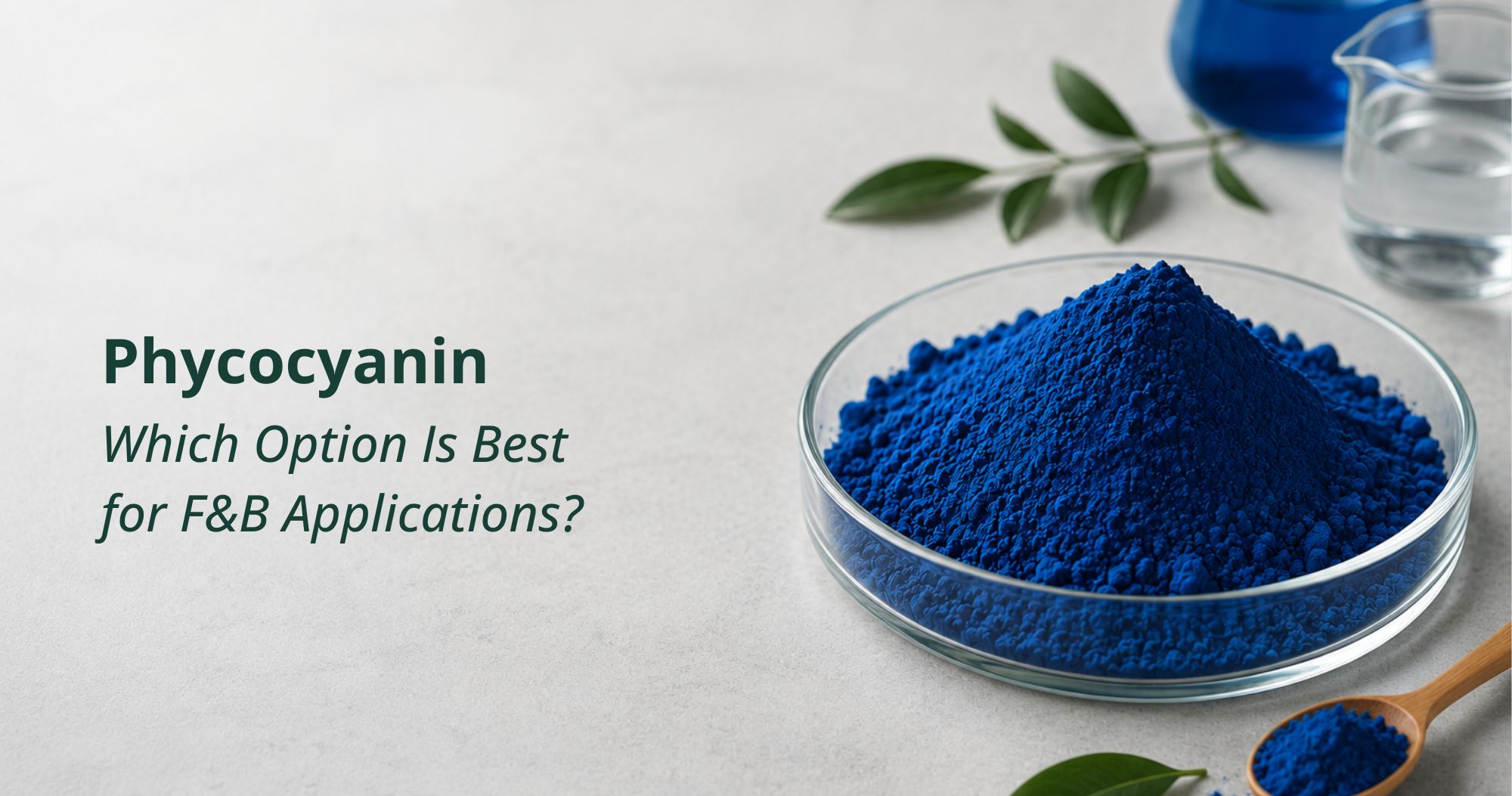
This active substance exists mainly in cyanobacteria, in particular spirulina. It is the phycocyanin that makes up the characteristic blue color that sets Spirulina apart from many other algae.
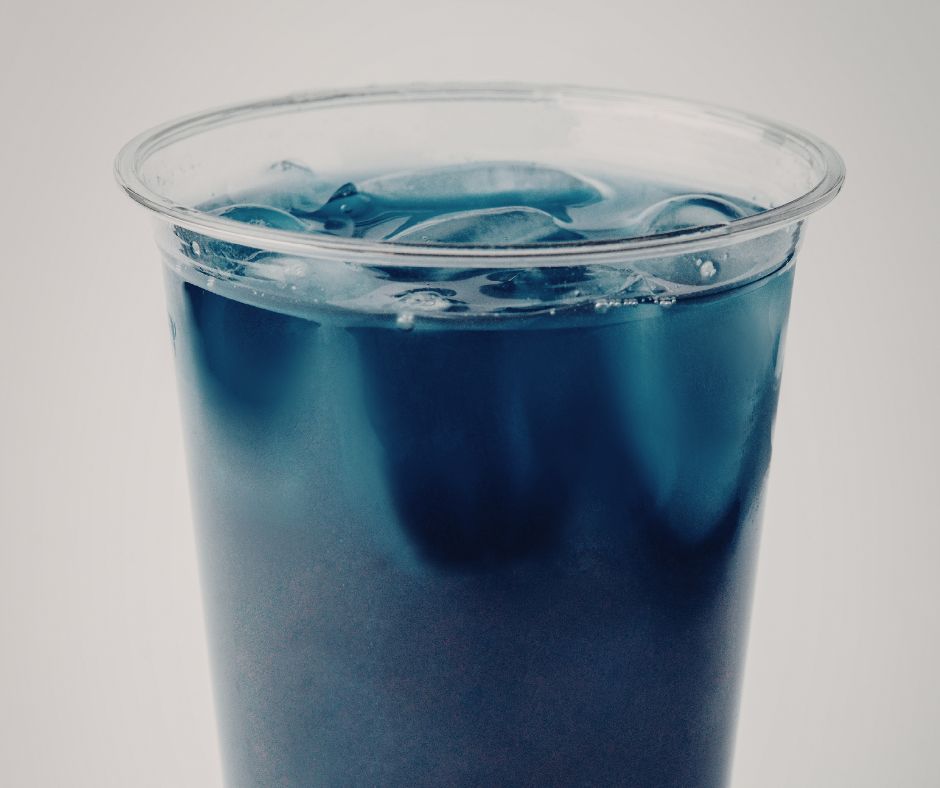
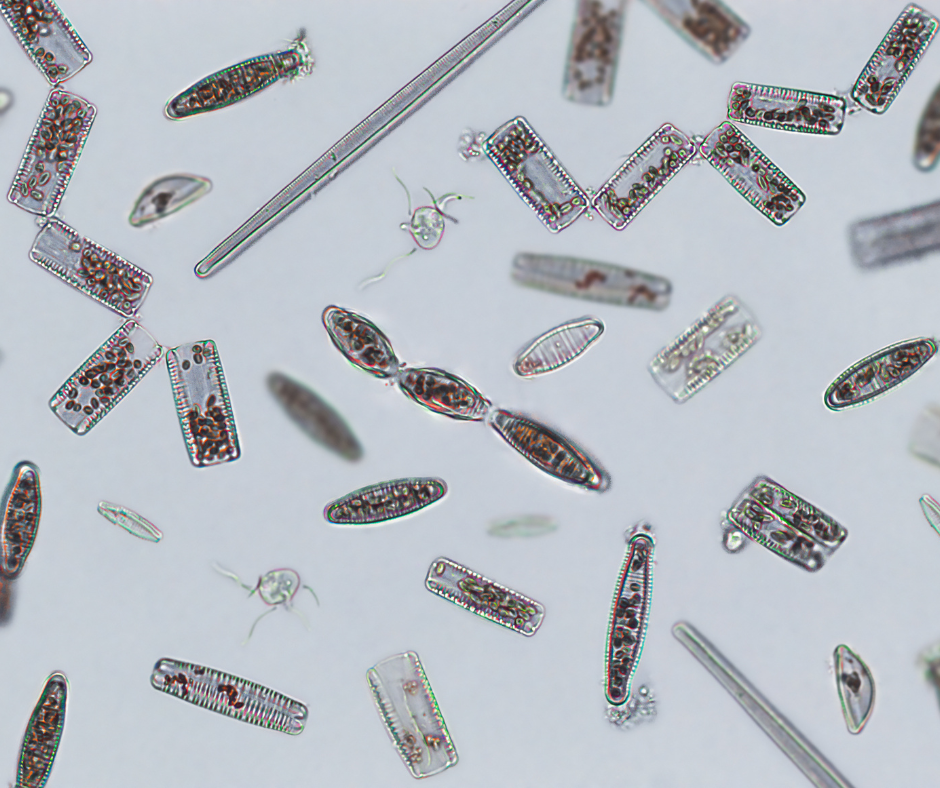
If you look at Spirulina under a microscope or in an extract solution, you will see a very characteristic dark blue hue. This color is a sign of the presence of phycocyanins.

Role of phycocyanins in microalgae
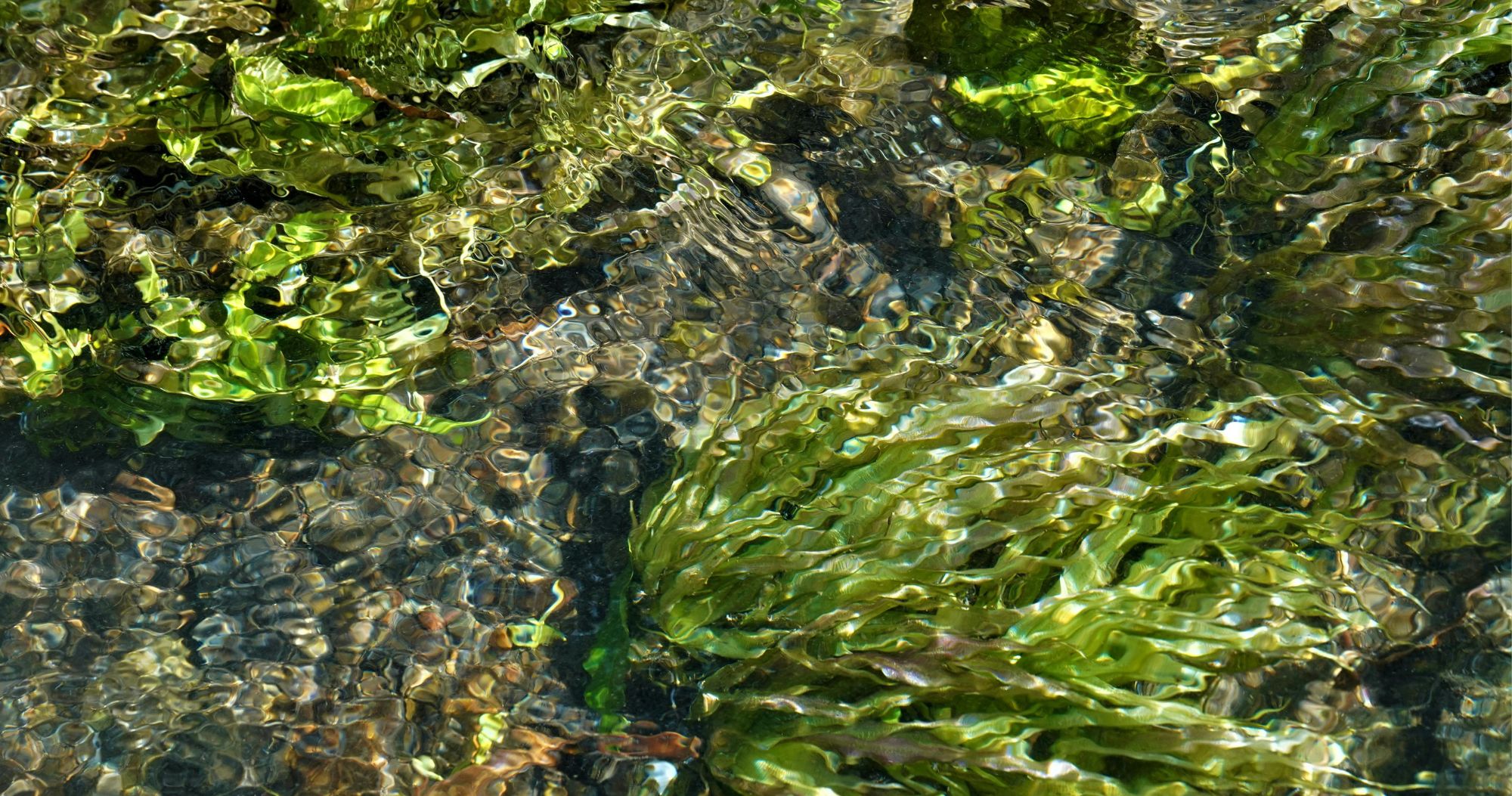
In nature, phycocyanins play an important role in the life process of microalgae.
First of all, it participates in photosynthesis. Phycocyanin helps absorb light at wavelengths that chlorophyll is difficult to absorb. As a result, microalgae can take advantage of more light sources to generate energy.
In addition, this compound supports the conversion of light energy into chemical energy, which helps microalgae cells grow and grow efficiently.
In other words, phycocyanins are one of the “biological tools” that help Spirulina survive and thrive in its natural environment.
What types of algae are phycocyanins present in?
Spirulina — the richest source of phycocyanin
Of the microalgae studied, Spirulina is considered the richest natural source of phycocyanins.
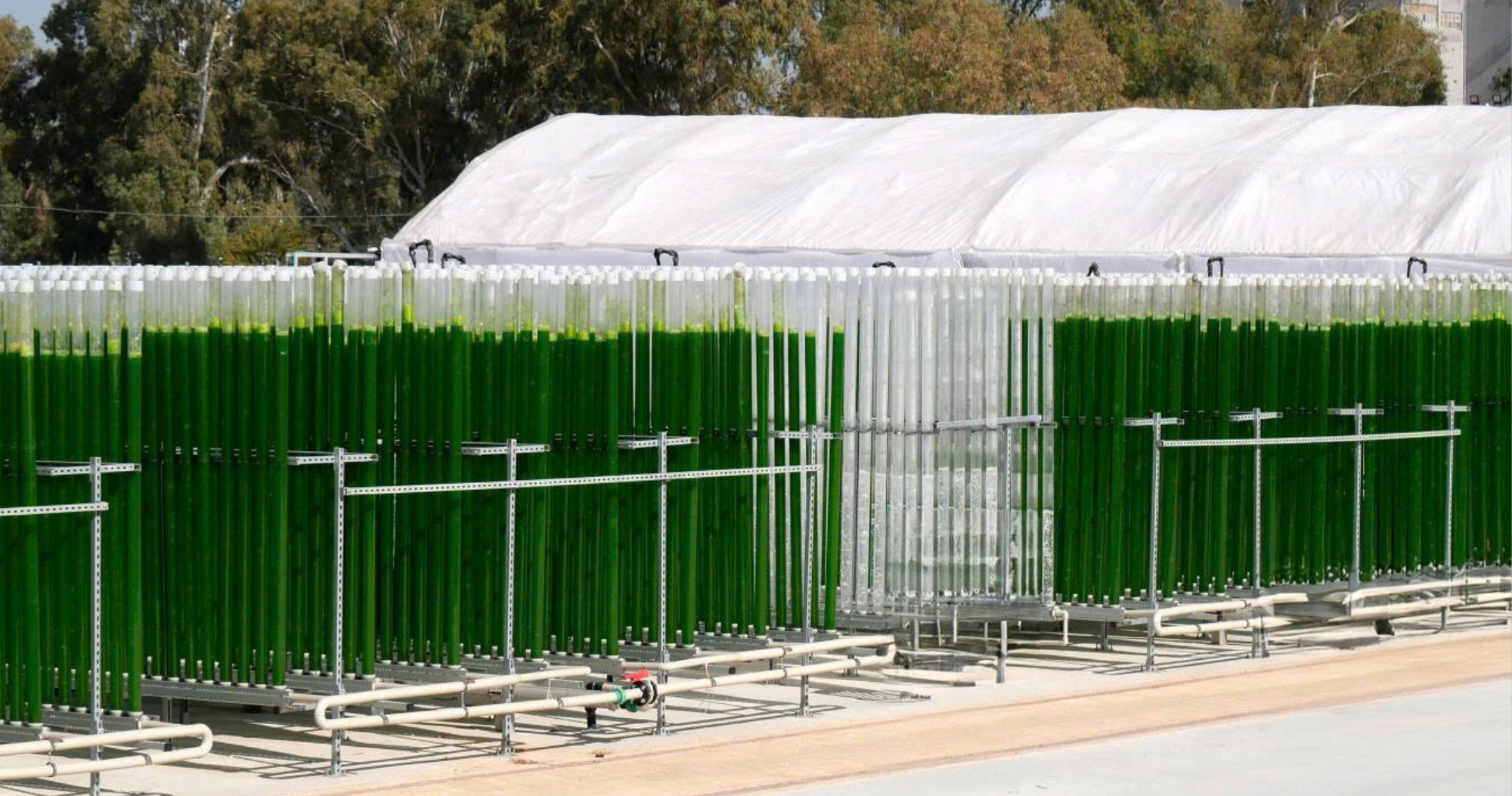
Not only does it contain a high content of phycocyanins, Spirulina also has the advantage of being easy to grow and can be produced on an industrial scale. Thanks to this, the majority of commercial phycocyanins today are extracted from Spirulina.
This also contributes to Spirulina becoming a valuable biological material in the food and nutrition industry.
Some other microalgae
In addition to spirulina, phycocyanins may also be present in some other cyanobacteria species.
However, the phycocyanin content in these species is usually much lower than in Spirulina. This makes exploiting them for commercial purposes not as efficient.
Therefore, when it comes to phycocyanins in Spirulina, it is often considered that this is the main source of this active ingredient on the market.
Composition and structure of phycocyanins
Phycocyanin is a pigment-combining protein
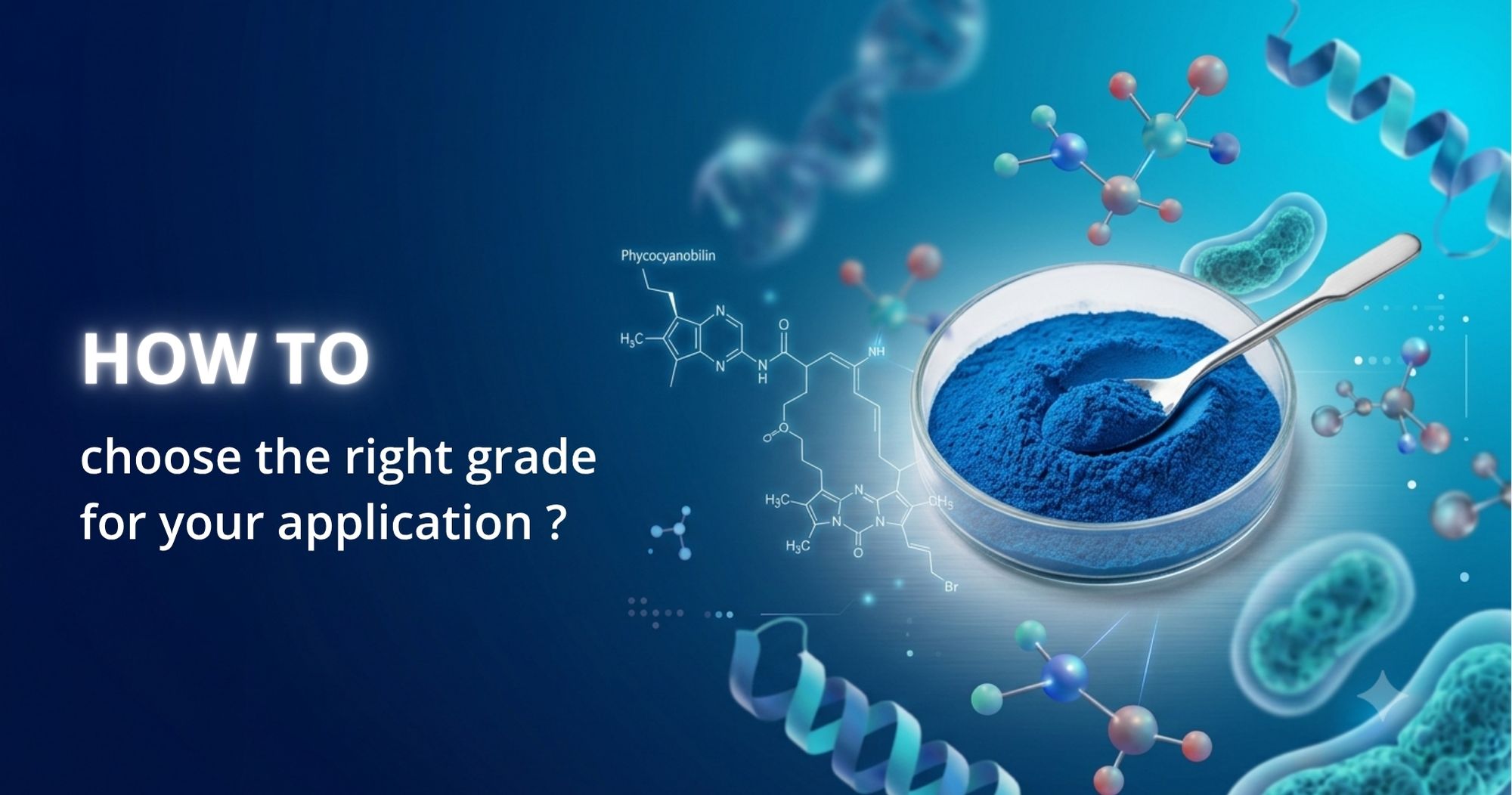
Structurally, phycocyanin is a protein associated with biological pigments. Its main component consists of protein chains linked to a pigment molecule called phycocyanobilin.
It is this combination that makes it possible to absorb light and the characteristic blue color of phycocyanins.
In addition, the protein structure of phycocyanin is also a factor that helps this active substance to have many important biological activities.
Distinctive features
Some characteristics that make phycocyanin special include:
Phycocyanin is well soluble in water, which makes it easily absorbed by the body when used in food or dietary supplements.
In addition, the natural blue color of phycocyanins is also rare in nature. Therefore, this compound is also used as a natural coloring agent in the food industry.
More importantly, phycocyanins have strong biological activity, which is particularly associated with antioxidant and immune-supporting capabilities.
What effect does phycocyanin have on health?
One of the reasons phycocyanins are of great interest in scientific research is because of their potential health benefits.
Strong antioxidant
Phycocyanin is known for its strong antioxidant power. This active ingredient can help neutralize free radicals — unstable molecules that can cause cell damage.
When free radicals accumulate in the body, they can contribute to the aging process and many other health problems. Thanks to its antioxidant properties, phycocyanin is considered a valuable compound in cell protection.
Supports the immune system
Some studies suggest that phycocyanin may aid in enhancing the activity of immune cells.
This helps the body to react better to pathogens from the environment. For this reason, Spirulina — a natural source of phycocyanin — is often used in products that support overall health.
Anti-inflammatory support
Phycocyanin is also studied for its ability to reduce inflammatory reactions in the body.
Inflammation is a natural reaction of the immune system, but when it occurs for a long time, it can negatively affect many organs. Thanks to its biological properties, phycocyanin can contribute to the control of this process.
Protect cells and tissues
In addition to the above benefits, phycocyanins are also believed to support cell and tissue protection in the body.
Some studies suggest that this active ingredient may contribute to supporting liver health, while providing certain benefits to the cardiovascular system when used as part of a balanced diet.
How much does phycocyanin make up in Spirulina?
The phycocyanin content in Spirulina can vary depending on many factors.
Typically, Spirulina may contain about 10— 20% phycocyanin in dry biomass. This is a fairly high number compared to many other biological sources.
However, this rate also depends on the variety of algae, growing conditions, lighting, temperature and harvesting technology. These factors directly affect the quality and content of the active substance in the final product.
Application of phycocyanin today
Thanks to its unique color and strong bioactivity, phycocyanins are being applied in various fields.
- Functional Foods
In the nutrition industry, phycocyanins are often used in antioxidant supplements and support overall health.
Many Spirulina products are also appreciated because they contain natural phycocyanin content.
- Cosmetics
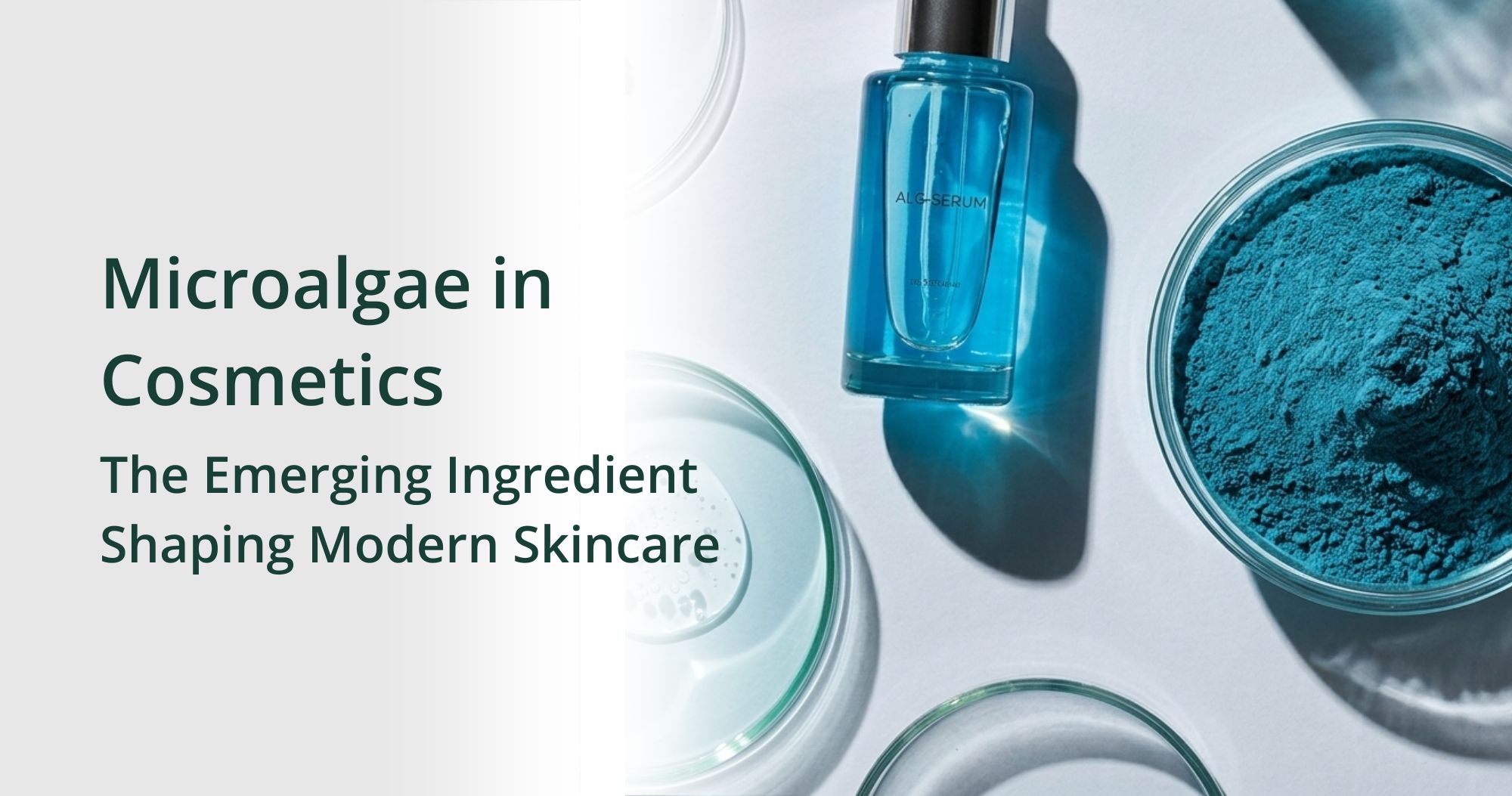
Phycocyanin also began to appear in skin care products.
Thanks to its antioxidant capacity, this active ingredient can help protect the skin from the effects of the environment and support the anti-aging process.
- Natural coloring agents in food
A rather interesting application of phycocyanin is to give natural green color to food.
In the context of increasing consumer interest in natural ingredients, phycocyanins are being used as an alternative to synthetic colors.
Are Phycocyanin and Spirulina the same?
Many people often confuse spirulina and phycocyanin, but in fact these are two different concepts.
Spirulina is a microalgae, while phycocyanin is only an active ingredient located inside Spirulina.
Among the many nutritional components of Spirulina, phycocyanin is considered one of the most valuable active substances.
Why is phycocyanin considered a valuable active ingredient?
There are many reasons why phycocyanin is considered a valuable biological compound.
First of all, Spirulina contains a fairly high content of phycocyanins compared to many other natural sources. This makes the extraction of the active substance possible.
In addition, phycocyanins have many important biological activities, especially related to antioxidants and immune support.
In addition, the process of extracting pure phycocyanins is also quite complex, requiring appropriate technology and processing procedures. Therefore, this active substance has a relatively high economic value in the biotechnology industry.
Conclusion
Phycocyanin is an important pigment protein in spirulina, which gives the characteristic blue color of this microalgae. Not only do they play a role in the photosynthesis of microalgae, phycocyanins are also widely studied for their many health-promoting biological activities.
From antioxidant, immune-supporting capabilities to applications in food and cosmetics, phycocyanins are gaining increasing interest in the field of nutrition and biotechnology.
It is also thanks to the presence of this active ingredient that Spirulina is considered one of the most remarkable natural superfoods today
.png)
.png)


.jpg)



.jpg)
.jpg)

.jpg)


.png)
.png)
.jpg)
.jpg)




.jpg)

.jpg)


.jpg)
.jpg)


.jpg)



.jpg)




.png)




.jpg)



.jpg)