

Lately, if you have been to a regular health check-up, you must have heard your doctor mention the phrase “pre-diabetes” at least once. There are people who only hit 30, look perfectly healthy, but their glycemic index has started to jump higher than normal.
This is an early warning sign of insulin resistance. In the rush to seek solutions from nature to save the situation, Spirulina is mentioned as a superfood that helps diabetics. Let's take a look at the role of spirulina based on biological mechanisms and what science has proven.
Type 2 diabetes — when the body “disconnects” from insulin
Many people mistake diabetes for eating too much sugar. In fact, the root of the problem lies in the fact that the cells in the body become more 'furious'. The pituitary gland still secretes insulin, but the cell refuses to open the door for glucose to generate energy.
As a result, sugar keeps floating in the blood, silently destroying blood vessels and internal organs. Therefore, disease control is not just about cutting back on sweets, but a total battle from eating and exercise to reducing oxidative pressure on cells.
Why is spirulina “named” in the support protocol?
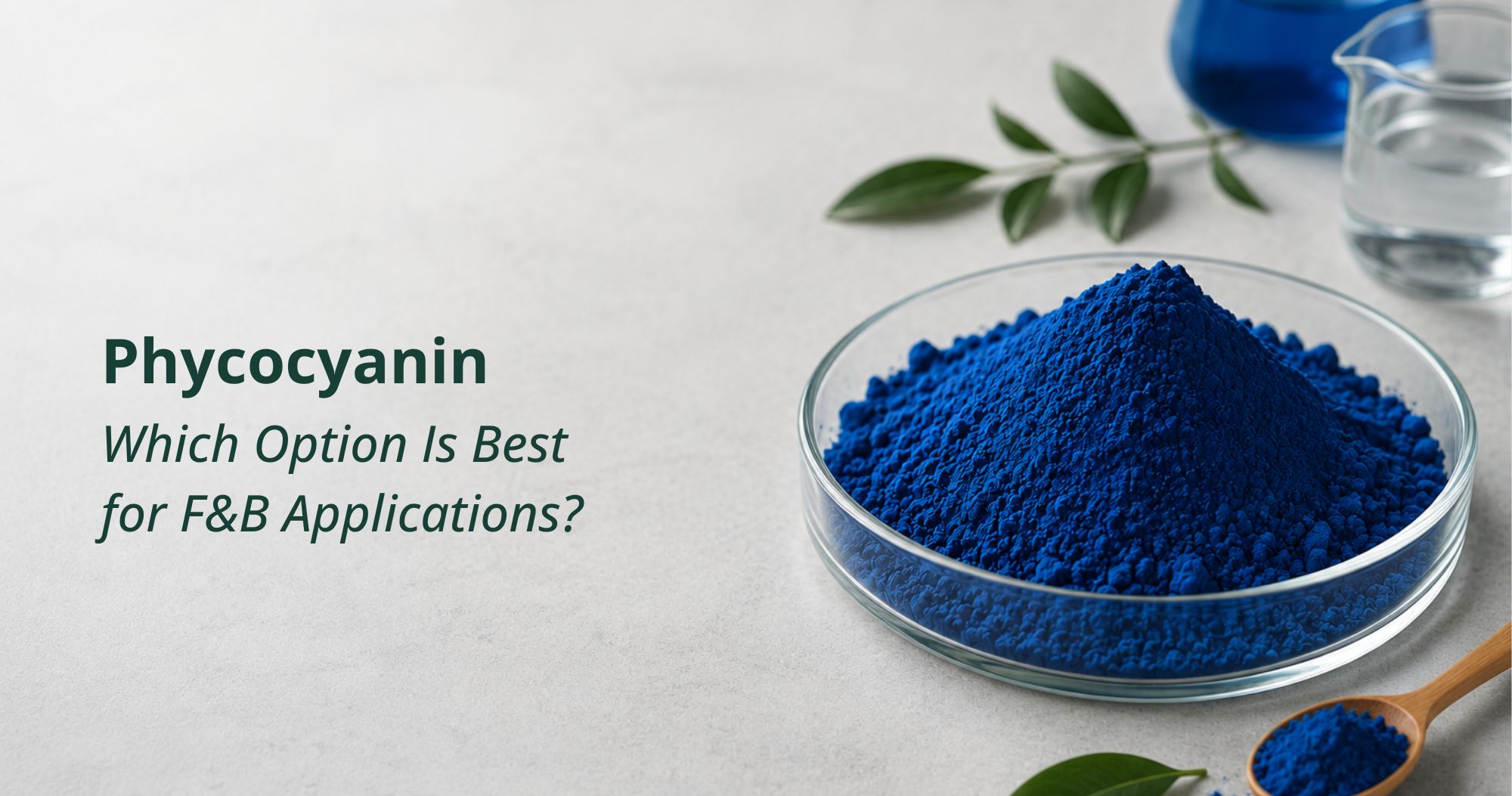
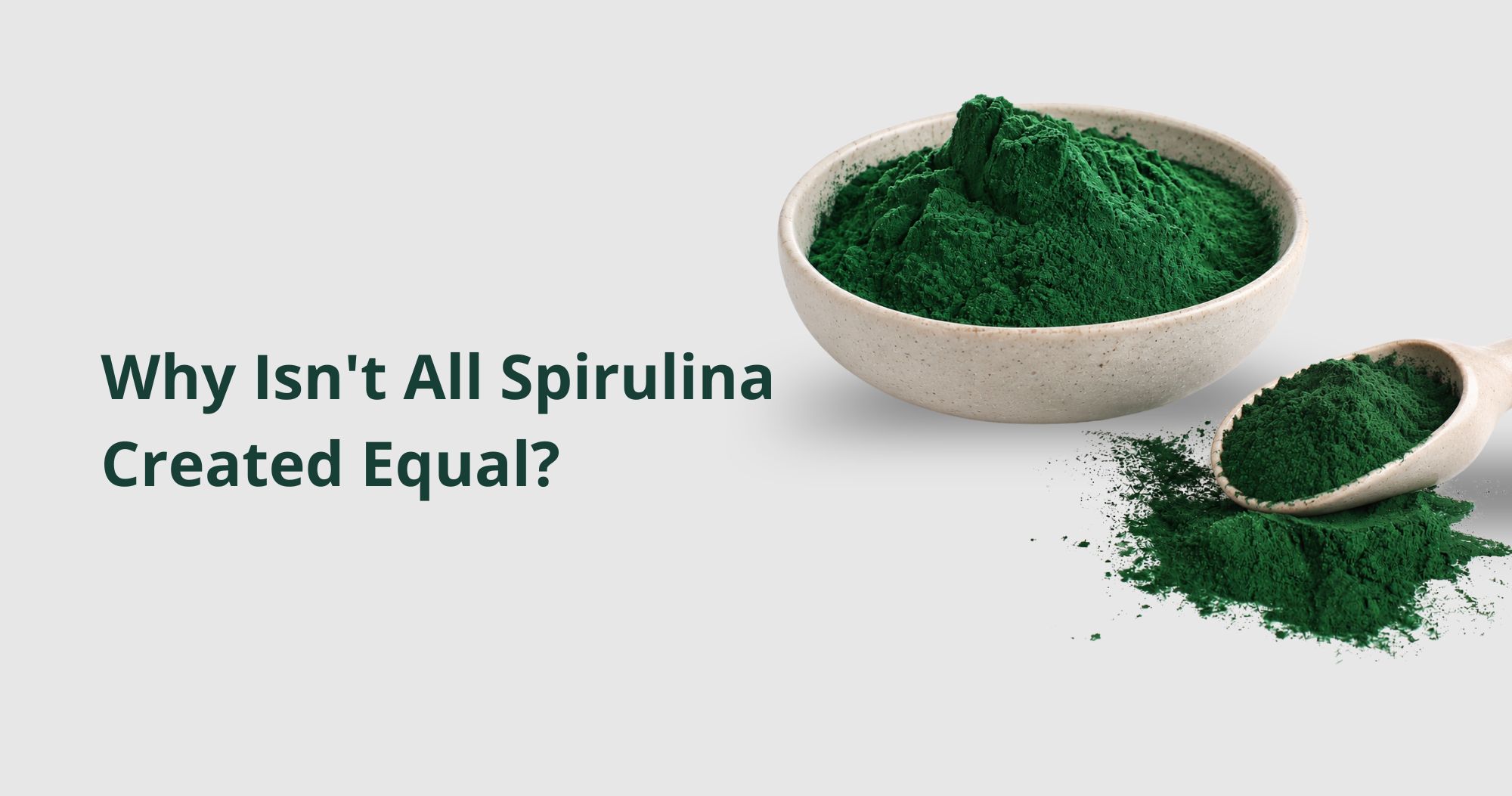
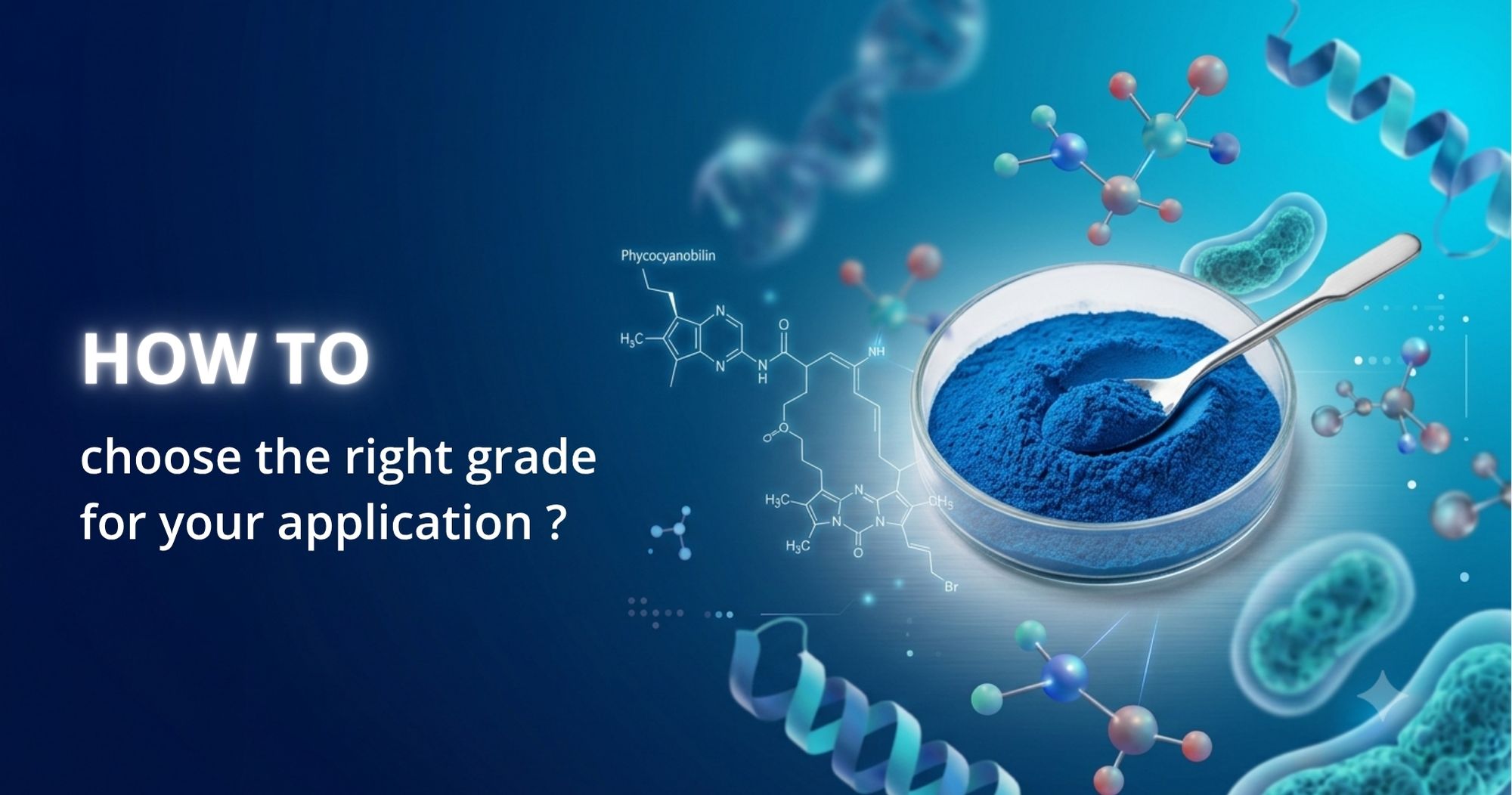
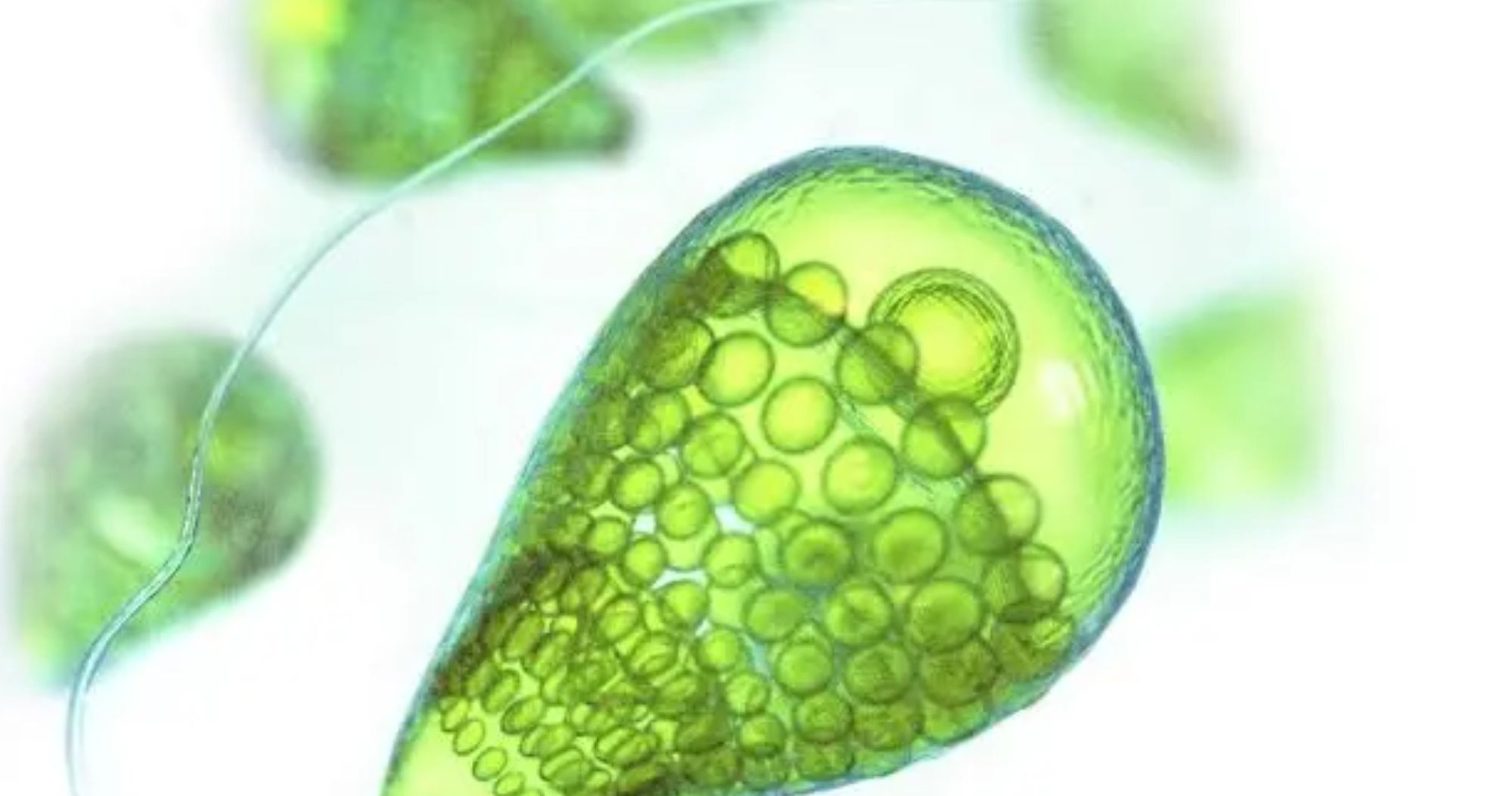
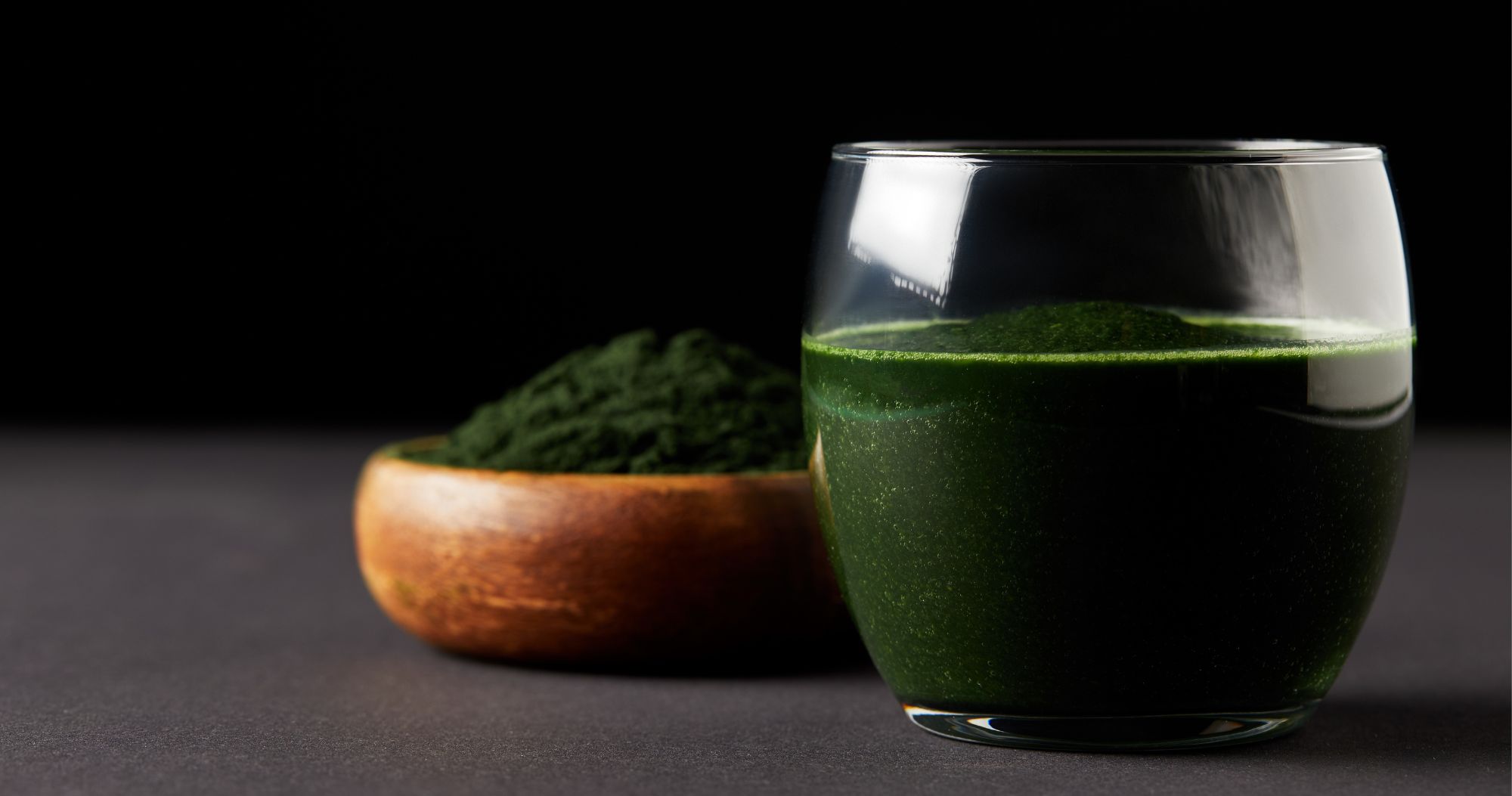
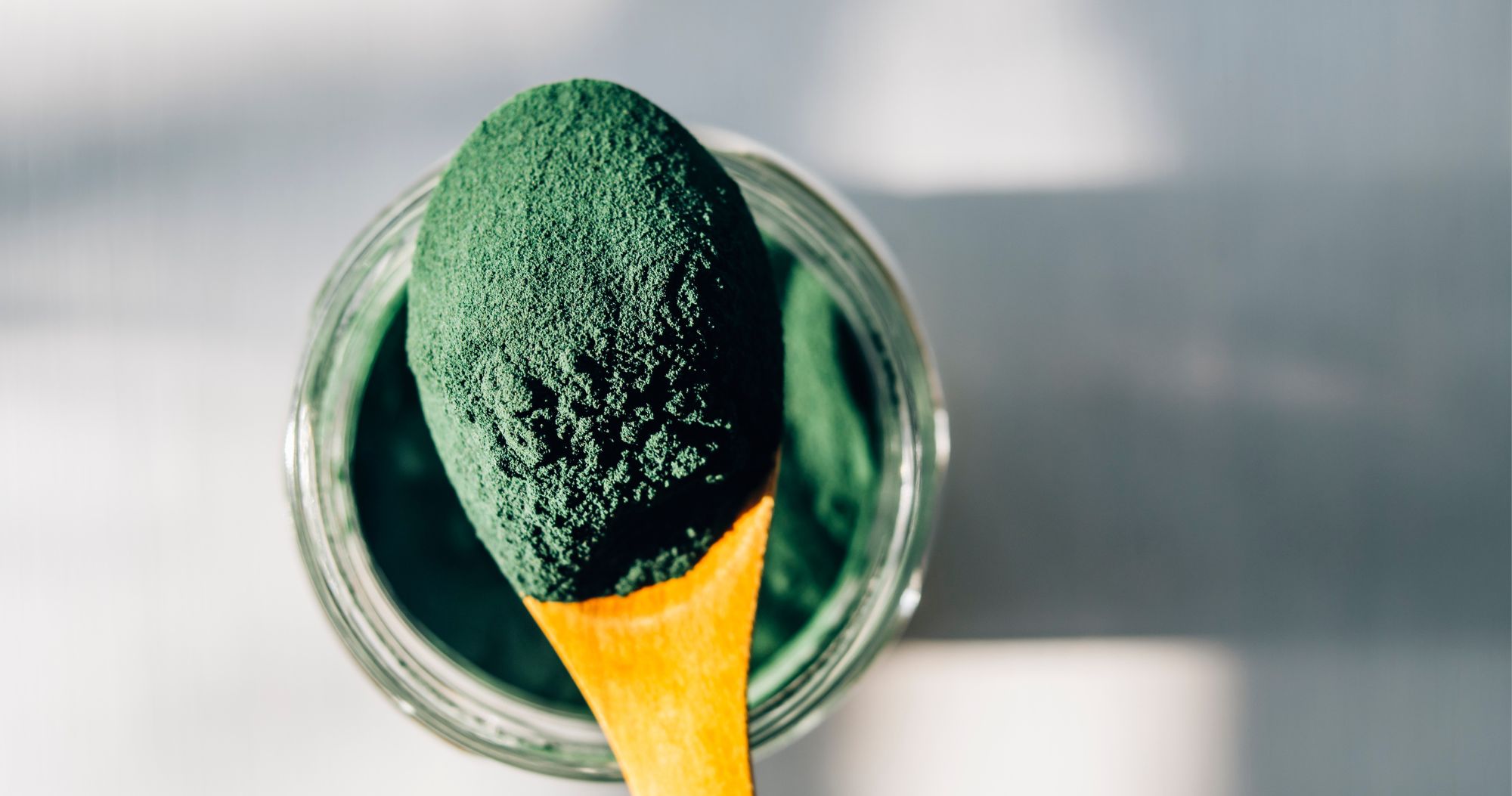
Spirulina is inherently a blue-green microalgae with an extremely dense nutrient density. What makes it different is Phycocyanin - a powerful antioxidant active substance that makes up the characteristic blue color.
It was because of this property that spirulina began to be of interest in areas related to metabolism, including cardiovascular and diabetes.
Why is oxidative stress linked to diabetes?
When blood sugar rises, the body produces free radicals. If nothing stops them, they attack and weaken beta cells in the pituitary gland (where insulin is produced). Scientists expect that, thanks to its superior antioxidant capacity, spirulina for diabetics could serve as a shield that protects these cells from damage.
Telling numbers from clinical research
Although not a cure, several small trials (lasting from 8 -12 weeks) have shown very positive signals when adding spirulina to the diet:
- Supports hypoglycemia: Fasting glycemic index tends to decrease.
- Stabilizes HbA1c: Helps control average blood glucose in the long term better.
- Blood fat balance: Significantly reduces bad cholesterol and triglycerides (often called the trigger that goes hand in hand with diabetes)
Potential benefits of spirulina from a nutritional perspective
Don't just focus on “hypoglycemia”, take a broader look at the benefits of spirulina
- Spirulina is a dense source of vegetable protein, contains almost no cholesterol and very few saturated fats. This is suitable for people who want to reduce red meat but still need enough protein.
- Studies show that spirulina may aid in improving blood lipd in some subjects. With type 2 diabetes - there is an inherent high cardiovascular risk and this is a factor to consider.
- Potential antioxidant properties may contribute to supporting a healthier metabolic environment. However, this is still an area that needs more long-term research.
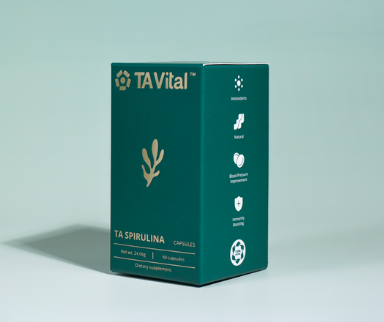
Use spirulina so that it's right
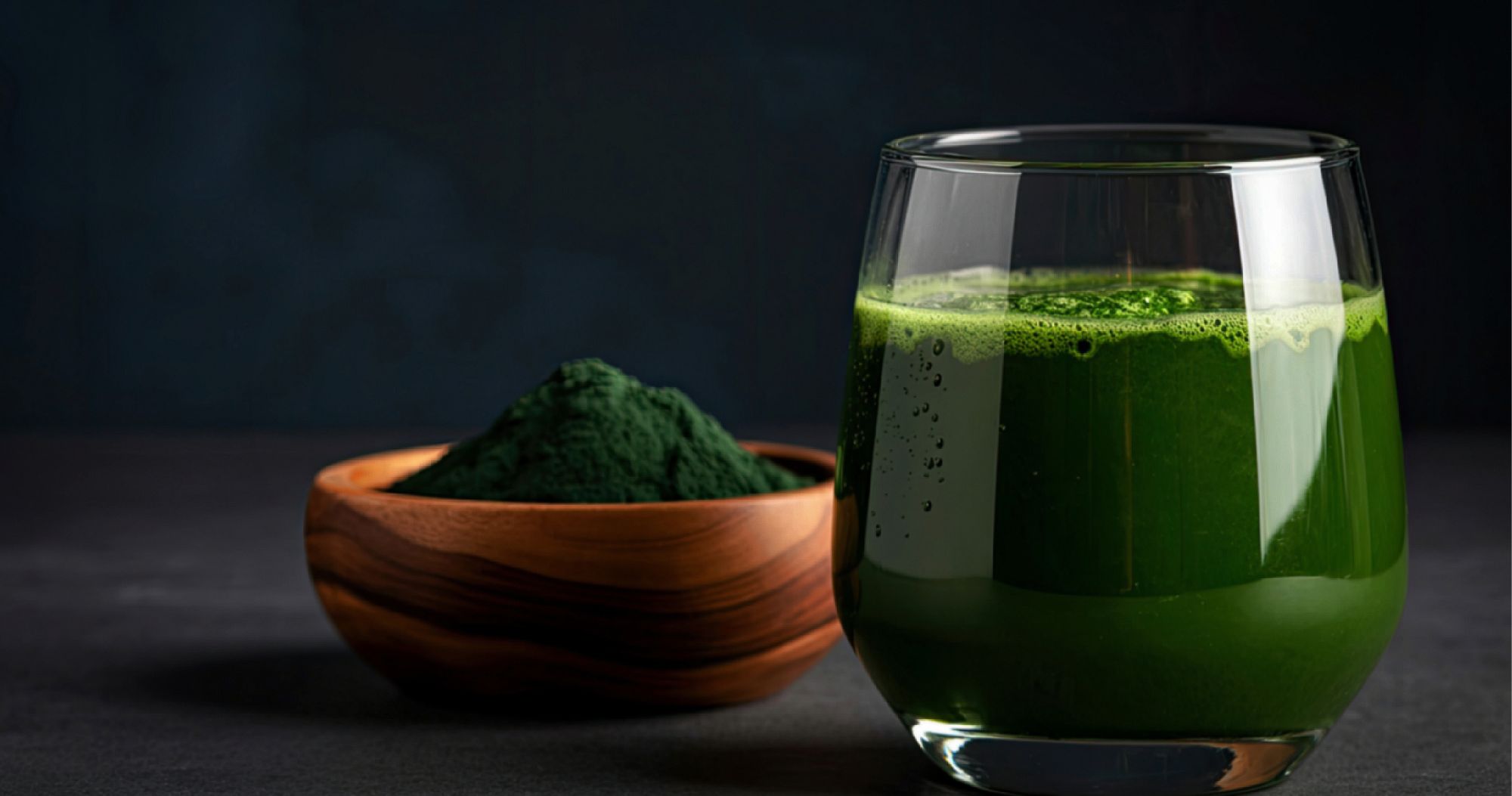
If you belong to the pre-diabetic group or are managing the disease at a steady stage, taking about 1-3g of spirulina per day can bring positive improvements in both energy and blood fat index.
Conversely, if you are taking a variety of medications, have a complex underlying disease, or a particularly sensitive immune system, it is advisable to consult a doctor before using it.
Conclusion
After all, spirulina for diabetics is not a miracle that saves you from the disease overnight. It is like a companion, supporting the body in resisting inflammatory reactions and improving metabolism from within.
Take care of your health actively and persevere with a healthy lifestyle, and let spirulina help you add some of your energy on that journey.
.png)
.png)

.jpg)




.jpg)
.jpg)

.jpg)


.png)
.png)
.jpg)
.jpg)





.jpg)

.jpg)


.jpg)
.jpg)


.jpg)


.jpg)




.png)




.jpg)

.jpg)






%205%20l%E1%BB%A3i%20%C3%ADch%20n%E1%BB%95i%20b%E1%BA%ADt%20cho%20s%E1%BB%A9c%20kh%E1%BB%8Fe%20ng%C6%B0%E1%BB%9Di%20hi%E1%BB%87n%20%C4%91%E1%BA%A1i.jpg)


