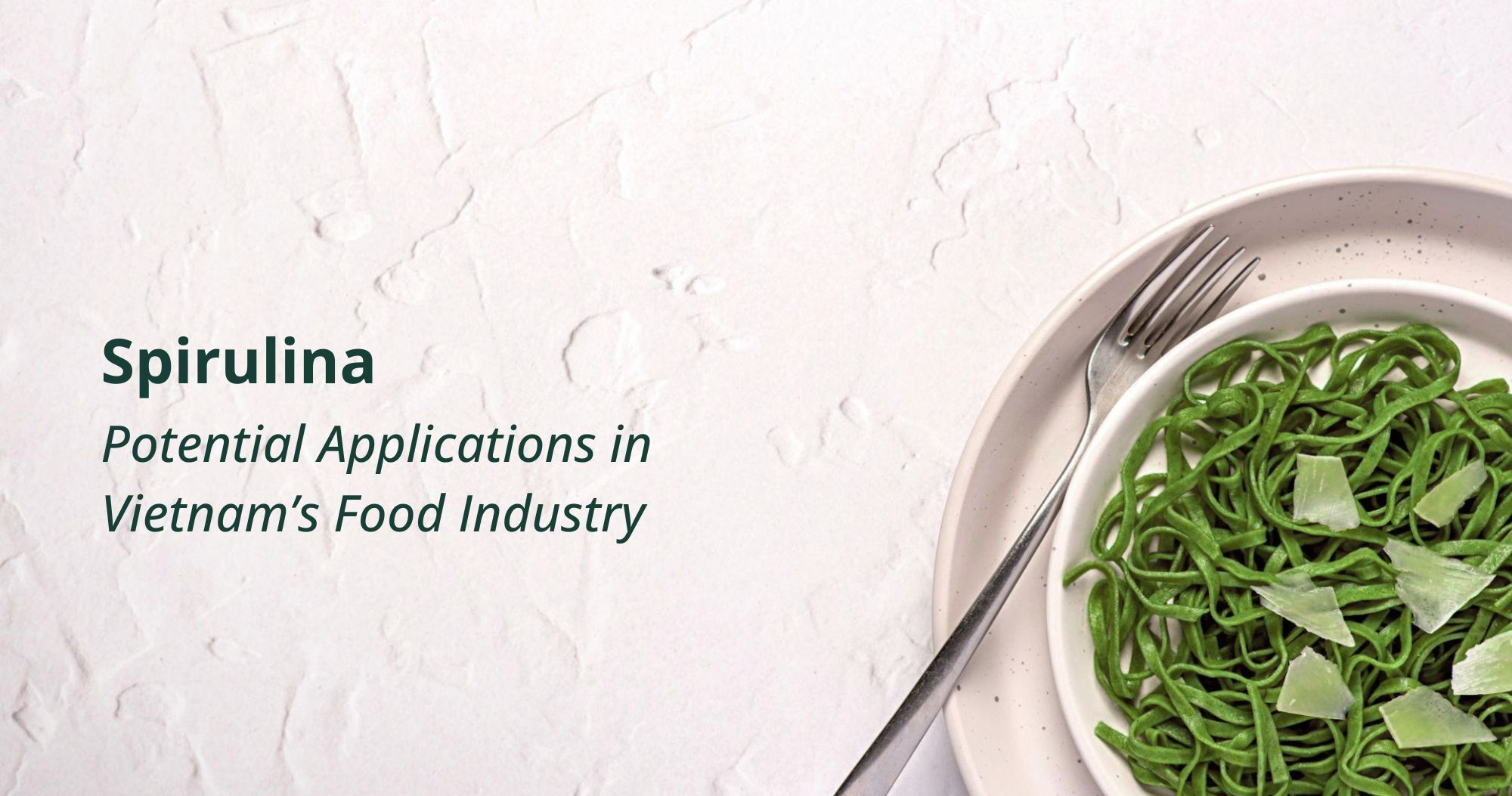
Spirulina has long been referred to as one of the “superfoods” that stands out for its high nutrient density. However, most of us only hear that spirulina is “very tonic” without really understanding what it contains and what those ingredients mean for the body.
Reading and understanding the nutritional composition table not only helps you correctly assess the value of spirulina, but also helps to choose the right product and use it more efficiently. This article will go into in-depth analysis of each of the important nutrient groups, from proteins, vitamins to specific biologically active ingredients, so that you have the most complete and realistic view.
Overview of the nutritional composition table of Spirulina
Typically, the composition table of spirulina is presented in two ways: per 100g or in small portions of about 1—5g. Interestingly, even in very small amounts, spirulina still provides significant amounts of micronutrients.
The main groups of substances in spirulina include proteins, vitamins, minerals, and antioxidant compounds. The peculiarity lies not in each individual component, but in the fact that they are “concentrated” in a very small amount.
Protein Content — Highlights of Spirulina
High protein ratio
One of the reasons why spirulina is noticed is that the protein content can reach about 60— 70% of the dry weight. This figure is much higher than that of conventional foods when considered in the same volume.
Amino acid composition
The protein in spirulina is not only abundant, but also contains many essential amino acids — components that the body cannot synthesize on its own. Although not quite as “complete” as animal proteins, quality is still highly valued in the plant group.
Meaning for the body
Proteins are the foundation for building and restoring cells. For those who eat poorly or need a quick supplement, spirulina can serve as a source of convenient nutritional support.
Vitamins in Spirulina
Vitamins of group B
Spirulina provides B vitamins such as B1, B2 and B3 — which are directly involved in energy metabolism. This explains why many people feel their body is “less tired” when supplementing regularly.
Other vitamins
In addition, spirulina also contains vitamin E and especially beta-carotene — a precursor of vitamin A, which is important for vision and the immune system.
Minerals in Spirulina
Fe
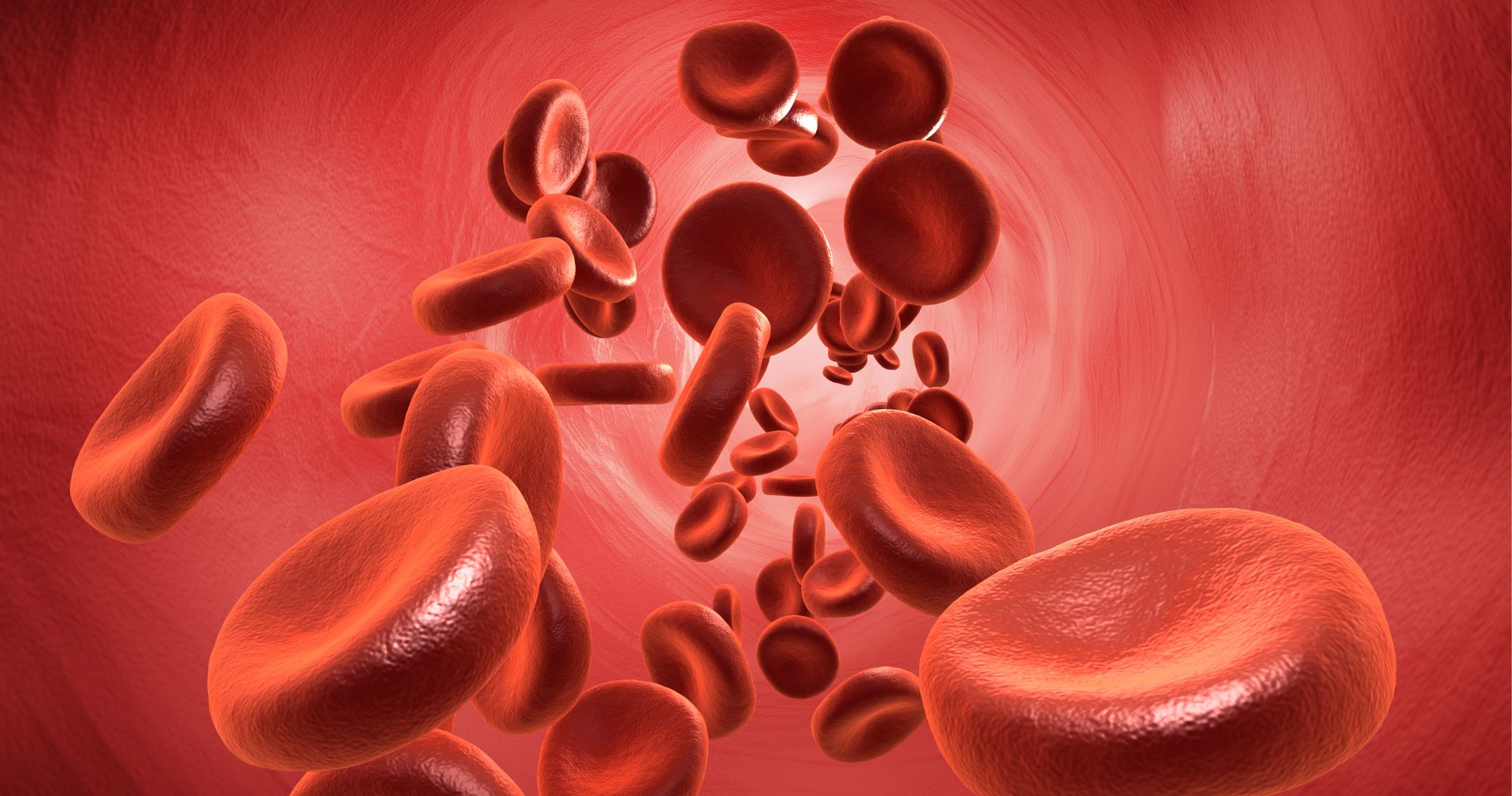
The iron content in spirulina is quite remarkable. It is an important mineral in the process of blood formation and oxygen transport in the body.
Magic
Magnesium plays a role in the functioning of the nervous system and muscles. Adequate magnesium intake helps the body maintain a more stable state, especially under stressful conditions.
Potassium and other minerals
Potassium helps balance electrolytes and supports cardiovascular function. In addition, spirulina provides many other microminerals in moderation.
Antioxidants — phycocyanins
What is phycocyanin?
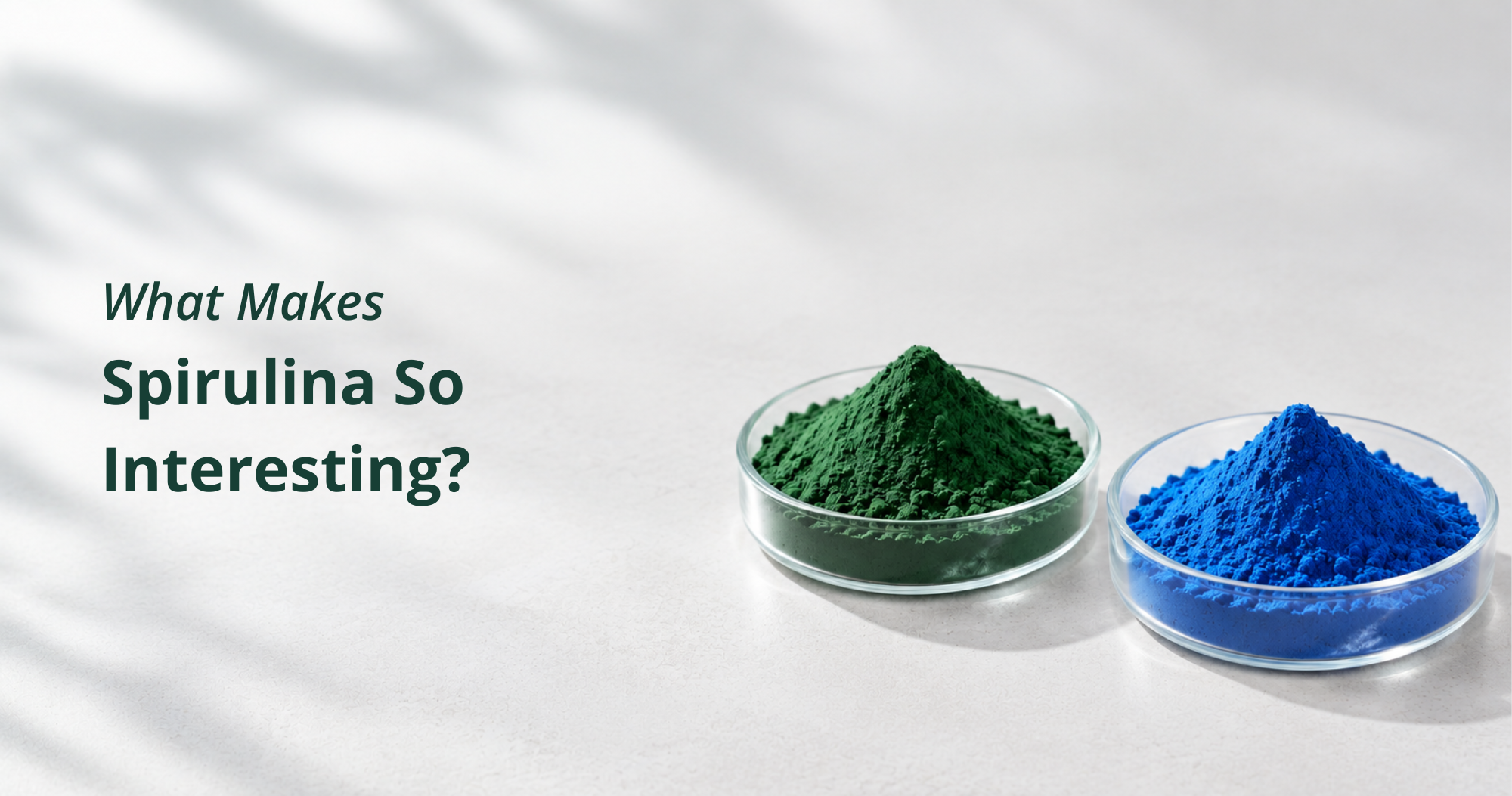
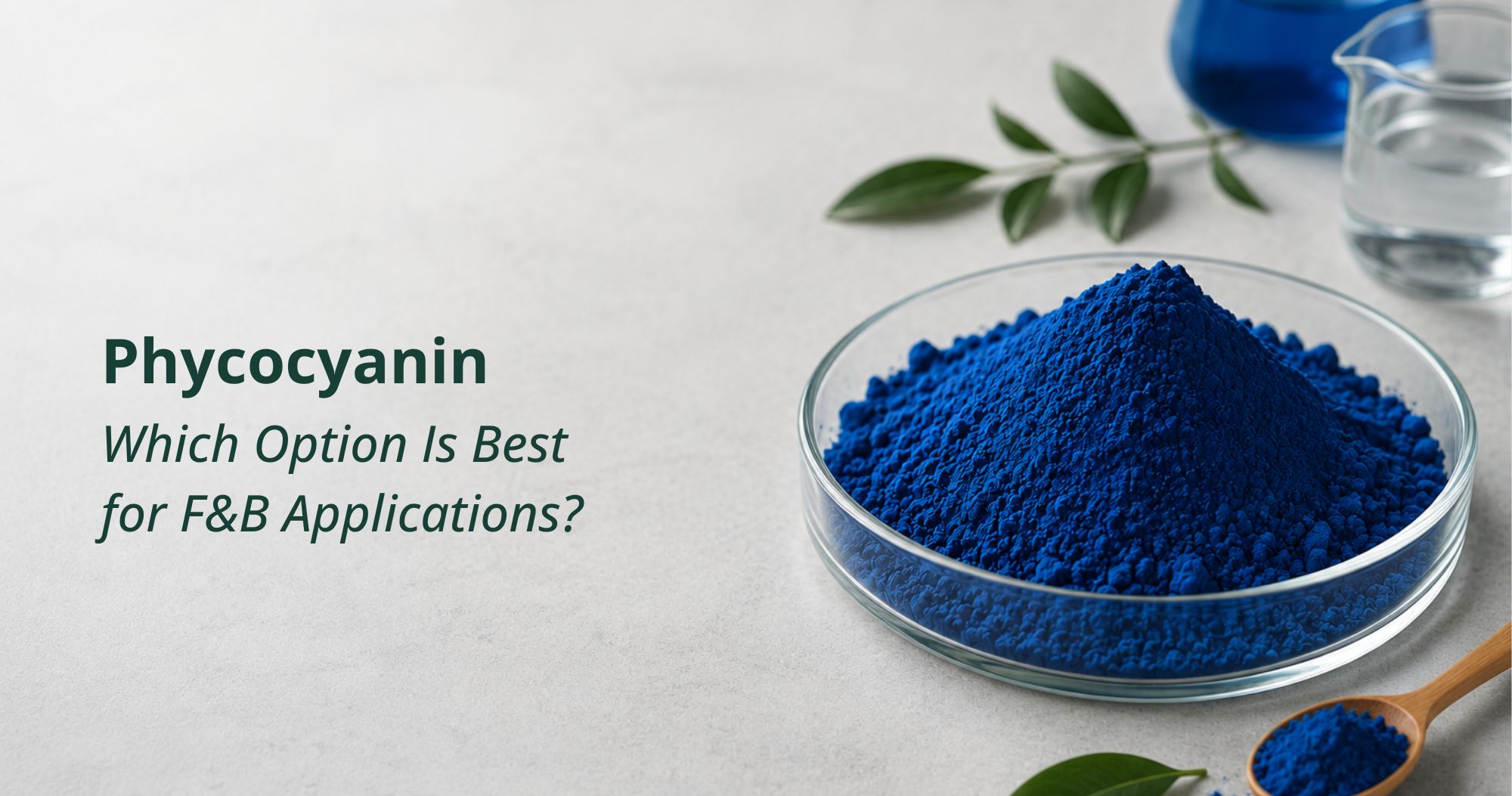
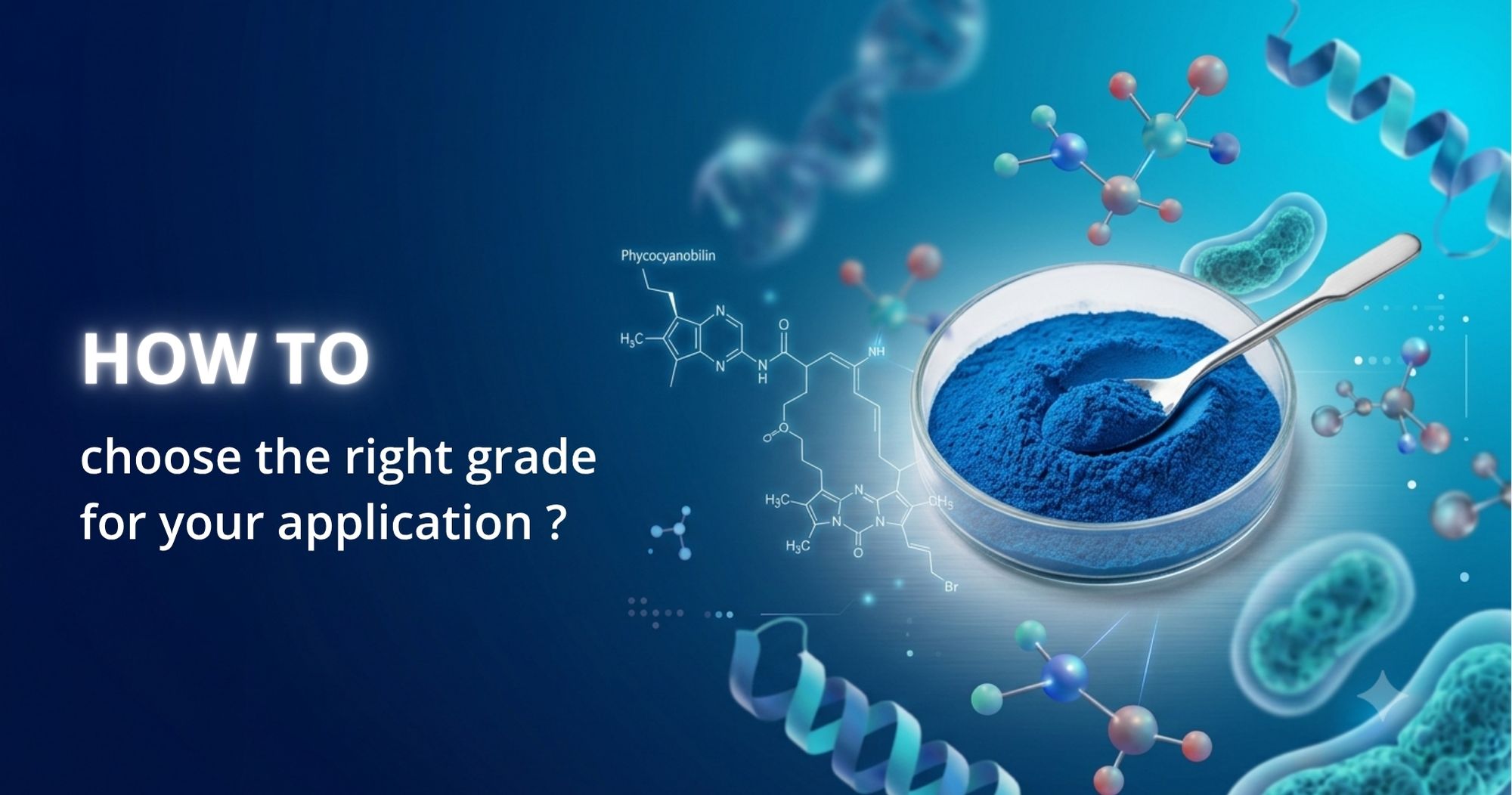
This is the pigment that makes up the characteristic blue color of spirulina. Unlike conventional foods, phycocyanin is one of the rare biological compounds found in nature.
Biological role
Phycocyanin acts as an antioxidant, helping to neutralize free radicals — factors associated with aging and many health problems. In addition, it is also studied for its ability to support the immune system.
Other biological compounds
Besides protein and micronutrients, spirulina also contains several other notable ingredients such as the essential fatty acid GLA (gamma-linolenic acid), enzymes and natural pigments.
Although the content is not too large, the combination of many of these compounds makes up the overall value of spirulina.
High nutrient density — low in calories
An interesting point is that spirulina provides a lot of nutrients but is quite low in calories. This makes it the right choice for those who want to take a nutritional supplement without significantly increasing their energy intake.
Comparison of Spirulina Ingredients Table with Other Foods
Compared to meat, spirulina has a higher protein density by weight, but the servings used are usually much smaller.
Compared to greens, spirulina excels in the level of “concentrated” microelements, in particular, iron and beta-carotene.
Compared to soybeans, spirulina provides more specific biological compounds such as phycocyanins — something that other plant protein sources do not have.
The meaning of the composition table for health
Understanding the ingredient table will not only help you know what spirulina “has”, but also understand what it “does”.
The nutrients in spirulina contribute to the replenishment of micronutrients, support energy metabolism and enhance antioxidant capacity. However, the effectiveness always depends on the method of use and the overall diet.
What factors affect the nutritional composition
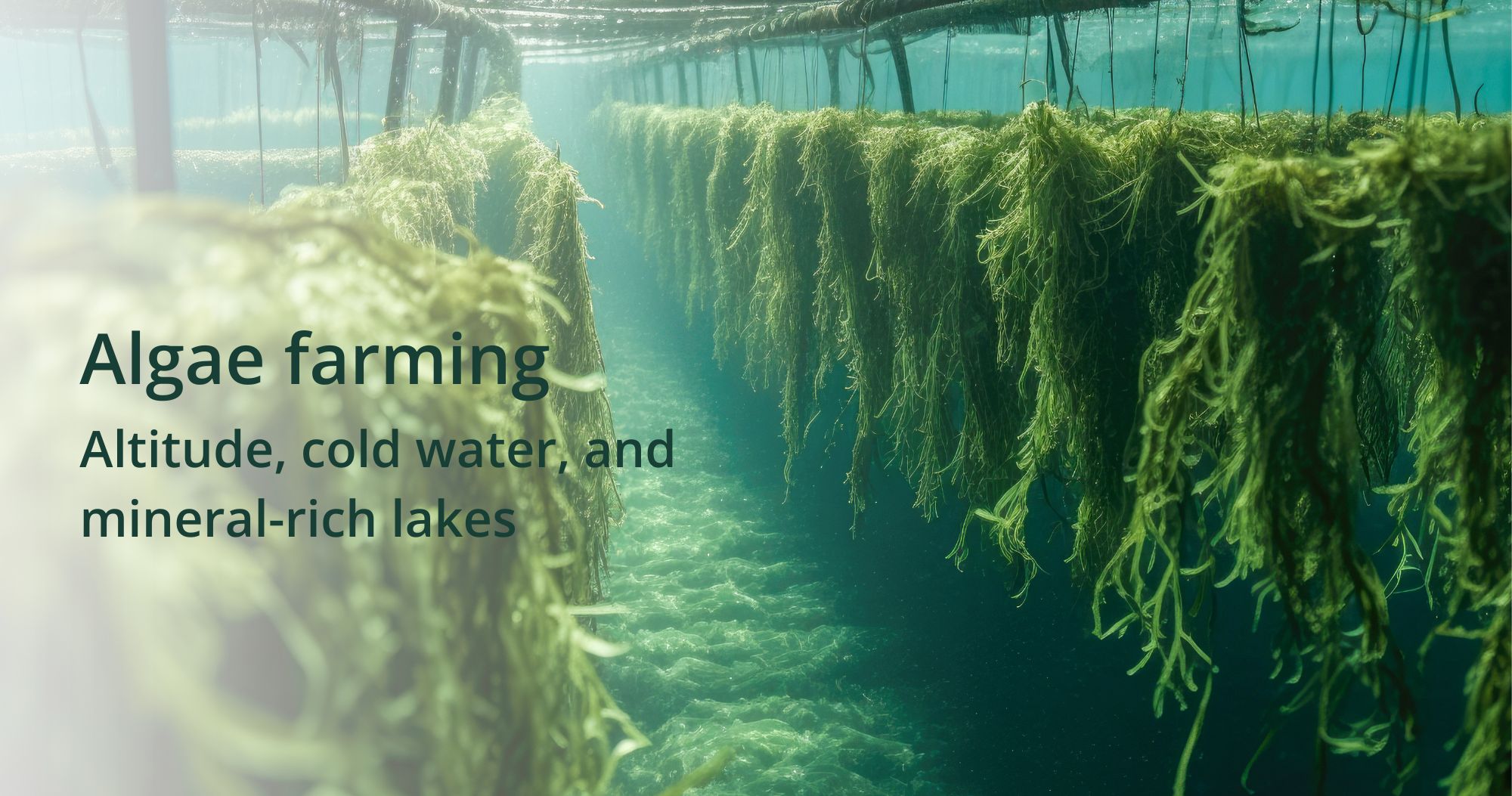
Not every spirulina product is the same. The nutritional composition may vary depending on the growing conditions, the production process and the form of the product (powder or pellets).
This is why the quality of raw materials and production standards are so important.
Conclusion
Spirulina is a food with a high nutritional density with a combination of proteins, vitamins, minerals and characteristic biologically active substances such as phycocyanins. However, the real value lies not only in the number, but in how these components together support the body.
Understanding the nutritional ingredients table will help you use spirulina smarter, rather than just relying on generic advertising. This is the basis for properly assessing the role of spirulina in a modern and balanced diet.

.png)
.png)

.jpg)


.jpg)
.jpg)


.jpg)


.png)
.png)
.jpg)
.jpg)




.jpg)

.jpg)


.jpg)
.jpg)


.jpg)



.jpg)




.png)




.jpg)


.jpg)