Do you often have a mild cold, runny nose when the weather changes, or just overwork so that the body is “down”? If this condition repeats several times, chances are your immune system is not in the best shape.
While many people turn to drugs or short-term solutions, another approach is gaining more attention: increasing resistance from a nutritional background. And among the options, Spirulina (spirulina) is the name that is mentioned quite often.
So does spirulina really help sick people, or is it just a momentary nutritional trend?
Why are you sick?
Weakened immune system
The immune system is the “barrier” that protects the body from bacteria, viruses and pathogens. When this barrier weakens, the body is more susceptible to attack, which leads to repeated illness.
Nutritional Deficiency
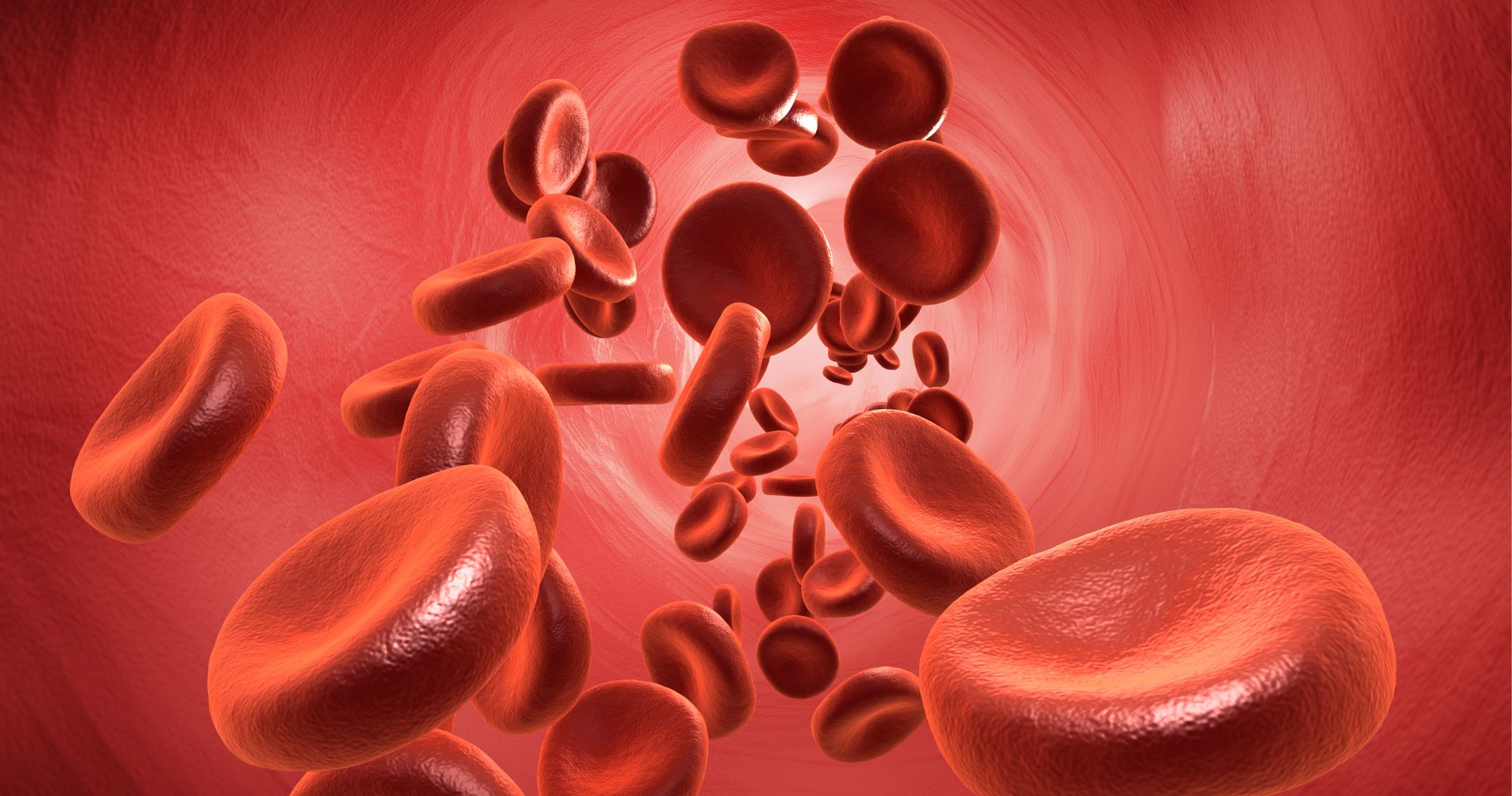
One of the common but often overlooked causes is micronutrient deficiency. When the body is not supplied with enough vitamins, minerals and proteins, immune cells also cannot function effectively
Unhealthy lifestyle
Insufficient sleep, prolonged stress or sedentary lifestyle can all affect resistance. These are factors that are silent but have a lasting impact on health.
What is Spirulina?
.jpg)
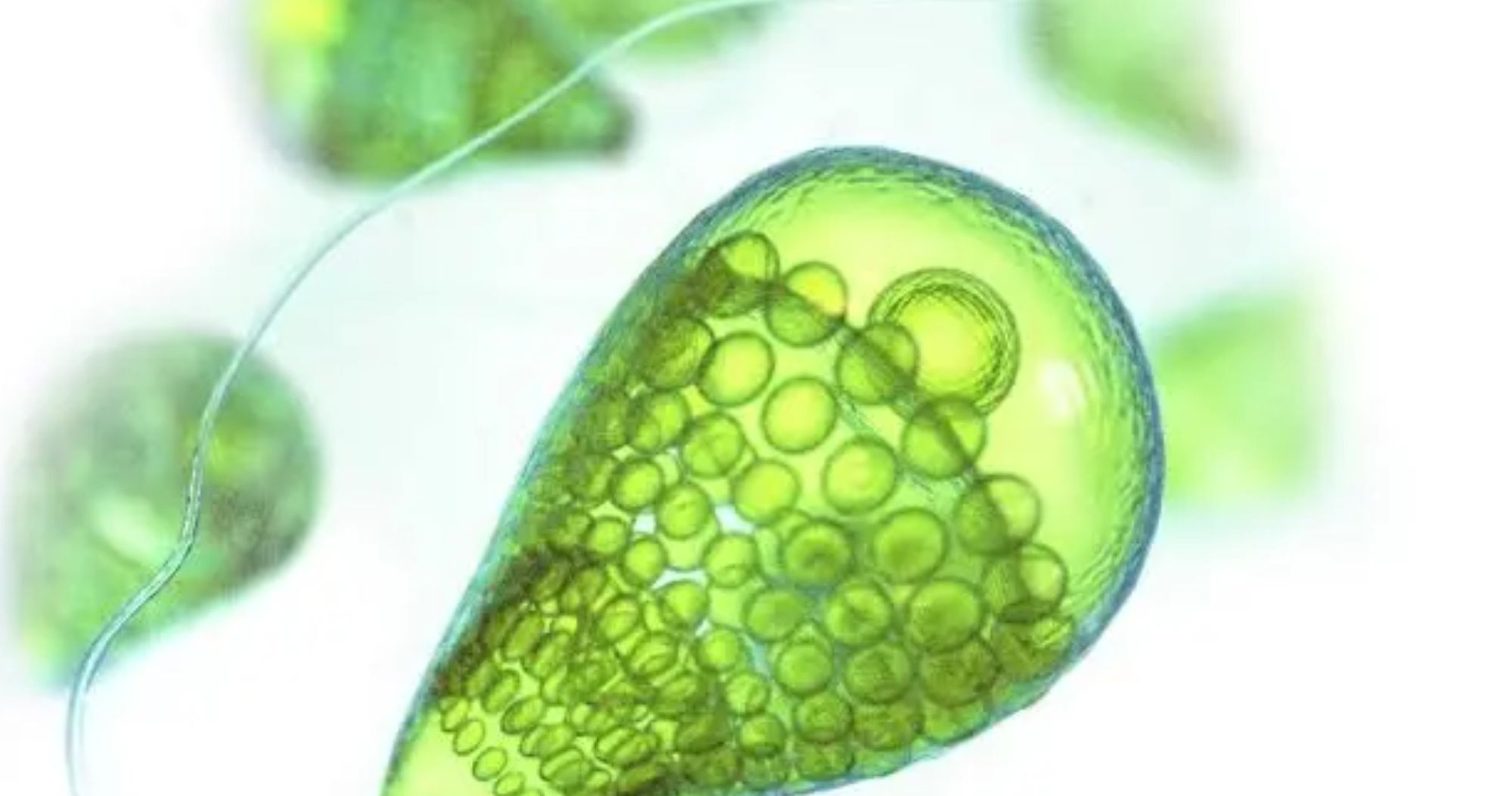
Nutrient-rich microalgae
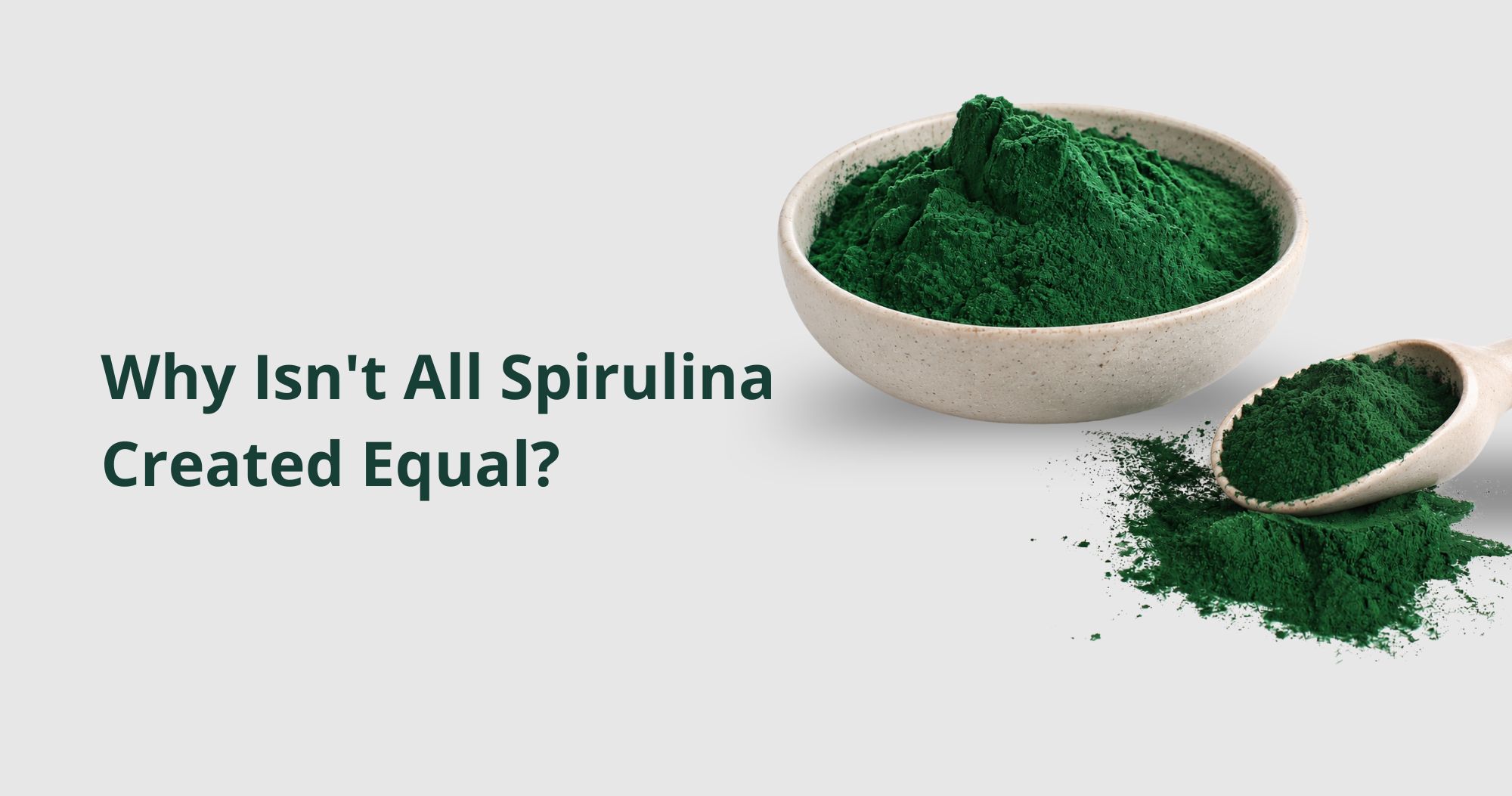
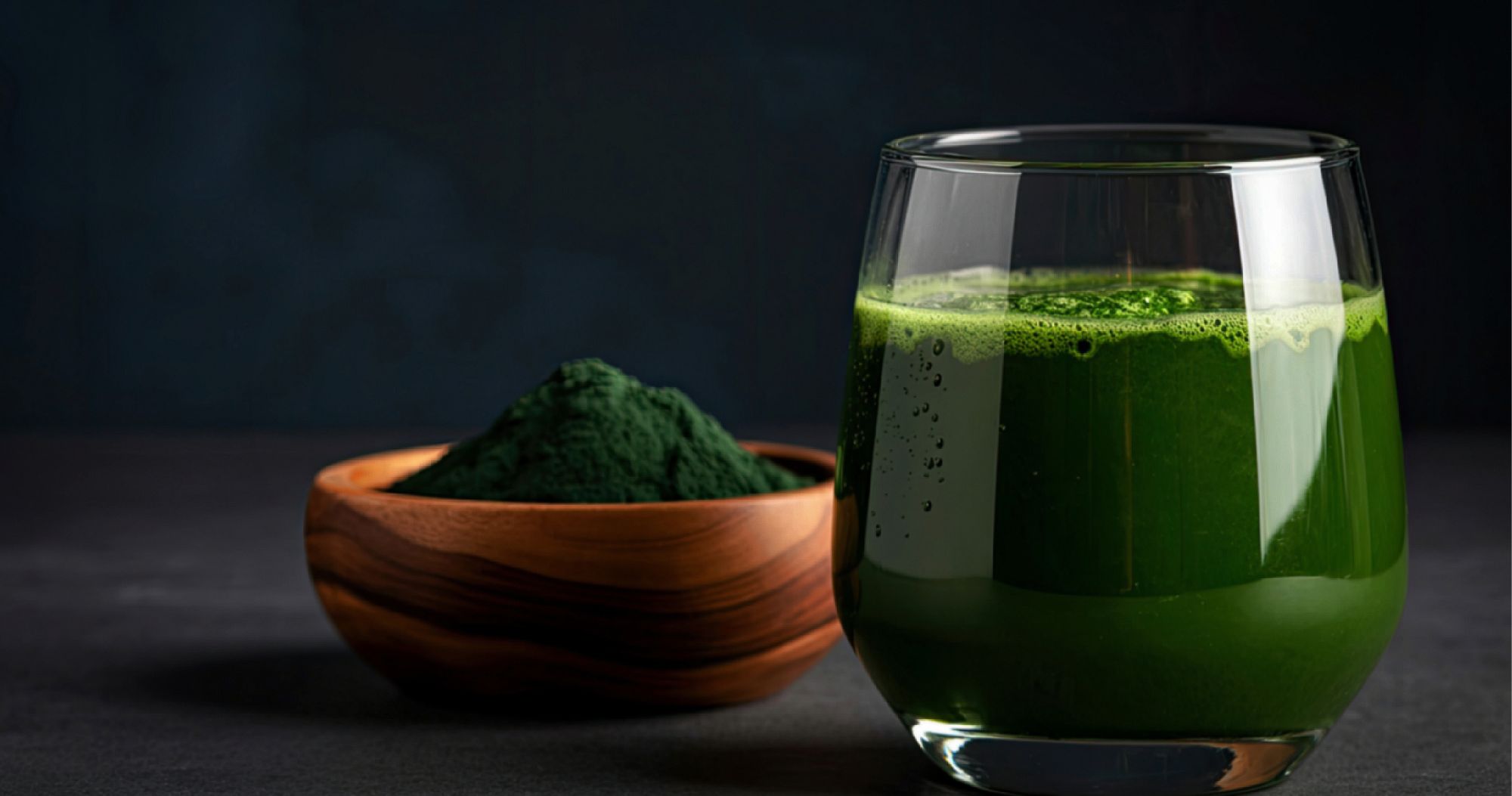
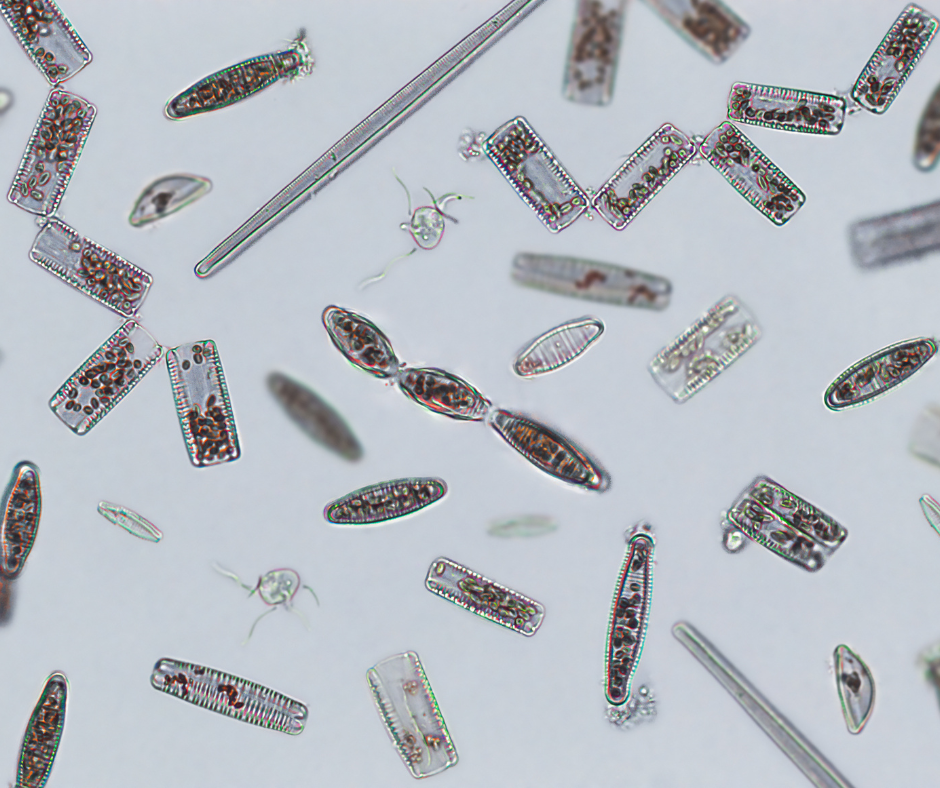
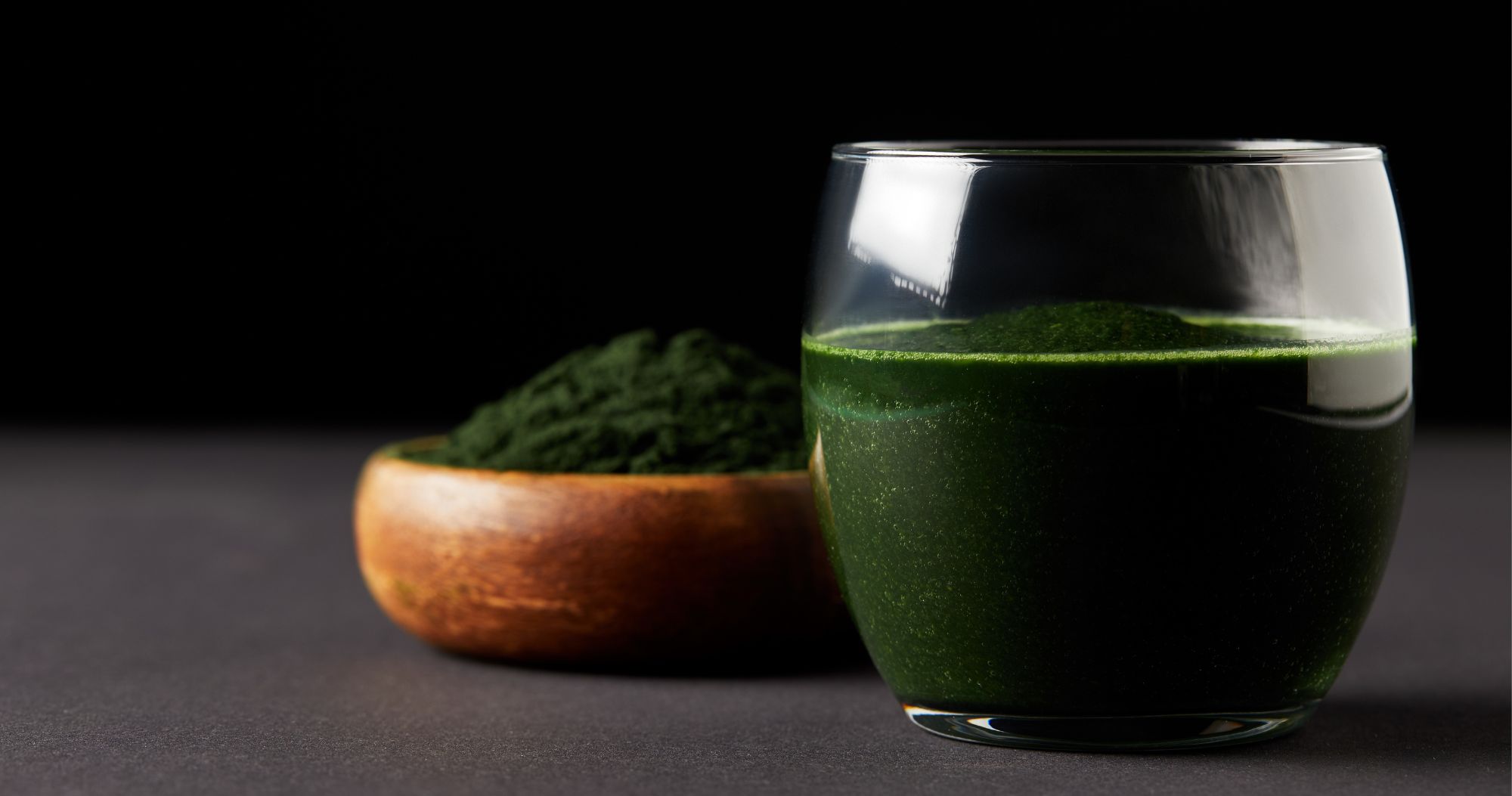
Spirulina is a microalgae that contains a high content of nutrients, especially proteins, B vitamins, iron and antioxidant compounds such as phycocyanins.
The highlight of spirulina is its high nutrient density in a small amount, which conveniently replenishes micronutrients.
Why is Spirulina considered a superfood?
It is no coincidence that spirulina is classified as a “superfood”. It is important not only that it contains many nutrients, but a combination of many elements that support the body to work more stably.
Does Spirulina Help Increase Resistance?
Spirulina is not a drug that increases resistance, but can support the immune system to work better by providing nutrients and antioxidants.
Immune Support Mechanism
The immune system does not work independently, but depends a lot on the state of nutrition of the body.
Spirulina can assist by replenishing essential micronutrients, helping immune cells to function more efficiently. At the same time, antioxidants in spirulina help reduce oxidative stress — a factor that can weaken the immune system.
Benefits of Spirulina for People or Illness
Strengthens the immune system
When the body is supplied with sufficient nutrients, its resistance to the pathogen also improves. This is an important foundation that helps reduce the frequency of illness.
Essential Nutritional Supplements
Spirulina provides protein, vitamins and minerals in small amounts, suitable for unbalanced or frequently busy eaters.
Relieves fatigue, improves physical condition
Prolonged feeling of fatigue can be a sign of nutritional deficiencies. The addition of spirulina can help the body maintain more stable energy.
Assists in recovery after illness
After the disease, the body needs time to recover. Proper nutritional supplements can help make this process go more smoothly.
Antioxidant
Oxidative stress can affect overall health. The compounds in spirulina help protect cells, thereby supporting the body to maintain balance.
Who should use Spirulina?
Spirulina can be suitable for people who often suffer from mild colds, fatigue, or have an unbalanced diet.
In addition, people who work strenuously or have a busy lifestyle may also consider supplements to support overall health
How to Use Spirulina to Increase Resistance
Typically, spirulina is used in doses of about 1—3g per day, depending on needs and physical condition.
You can take it in the morning or during meals to aid absorption. It is important to maintain regularity instead of using interruptions.
Other important factors that increase resistance
Although spirulina can help, resistance cannot be improved by just one food.
A balanced diet, adequate sleep, regular exercise and stress control remain the most important factors.
Precautions when using Spirulina
Spirulina does not replace medications or daily diet. This is just an additional part of the overall healthy lifestyle.
In addition, you should choose products of obvious origin and monitor the body's reaction at the beginning of use.
Conclusion
Spirulina can be a useful support option for people who are sick, thanks to its ability to supplement nutrition and contribute to supporting the immune system.
However, to improve health sustainably, it is still important to build a healthy lifestyle and maintain a routine of taking care of the body every day. Spirulina, if used properly, can serve as a “piece” in that picture.

.png)
.png)


.jpg)



.jpg)
.jpg)

.jpg)


.png)
.png)
.jpg)
.jpg)




.jpg)

.jpg)


.jpg)
.jpg)


.jpg)



.jpg)




.png)




.jpg)


.jpg)