Spirulina is often referred to as a natural body detox solution. However, does spirulina really help the liver to detoxify, or is this just an expression that simplifies a more complex issue?
Instead of pointing to common concepts, let's join TA Vital to better understand the nature and true role of spirulina in detox.
How does the liver really “detox”?
The role of the liver in the body
The liver is one of the most important organs, involved in hundreds of different biological processes. Not only metabolizes nutrients, the liver also plays a role in processing and removing harmful substances from the body.
Two stages of liver detoxification
The detoxification process of the liver is usually divided into two main stages.
The first phase, commonly referred to as Phase I, involves the transformation of toxins into a more manageable form through enzymes.
Then, in Phase II, these substances will be “conjugated” with other molecules to become water-soluble, which in turn is easily excreted through bile or urine.
This suggests that “liver detox” is not a single action, but a continuous biological system.

“Liver detox” - facts and misunderstandings
The concept of “detox” is often understood as simply cleansing the body in a short time. But in fact, the human body already has a detoxification system that works every day.
The liver does not need to be activated by a specific product, but rather needs to be supported through nutrition, lifestyle and a healthy environment.
So when it comes to liver detox, the important thing is not to find a quick solution, but to understand how to support the liver to work more efficiently.
What is Spirulina and what active ingredients does it contain in relation to the liver?
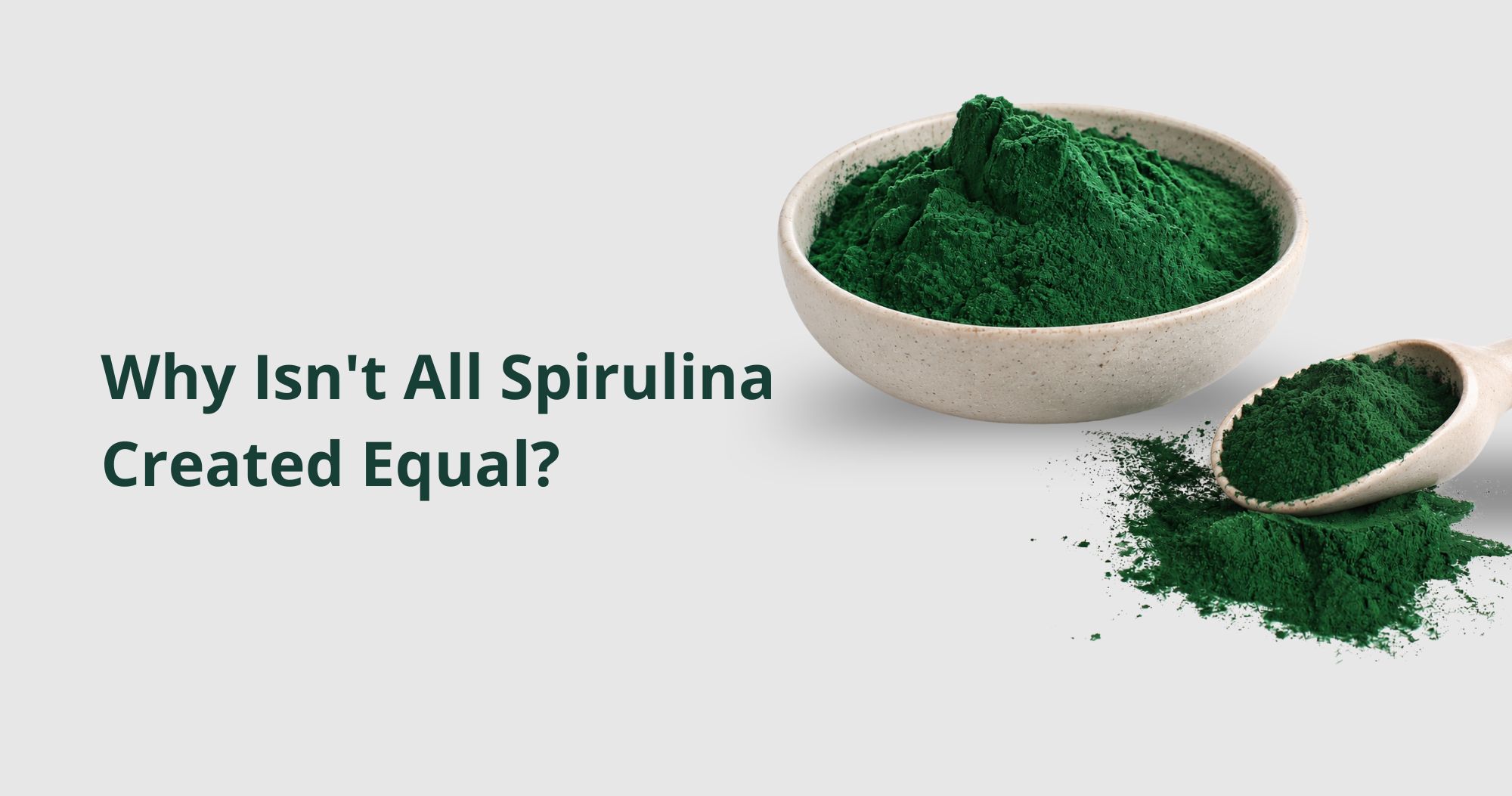
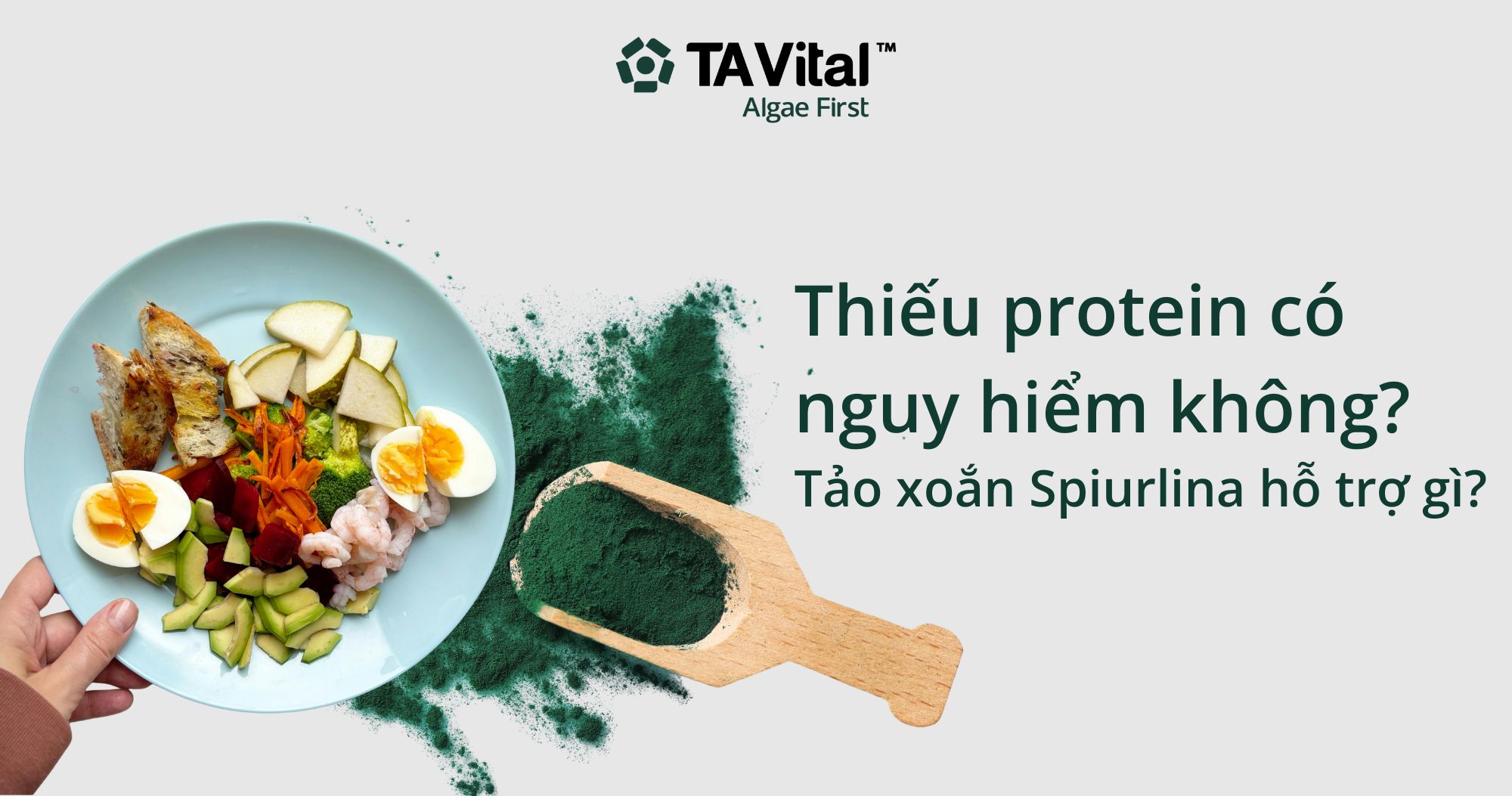
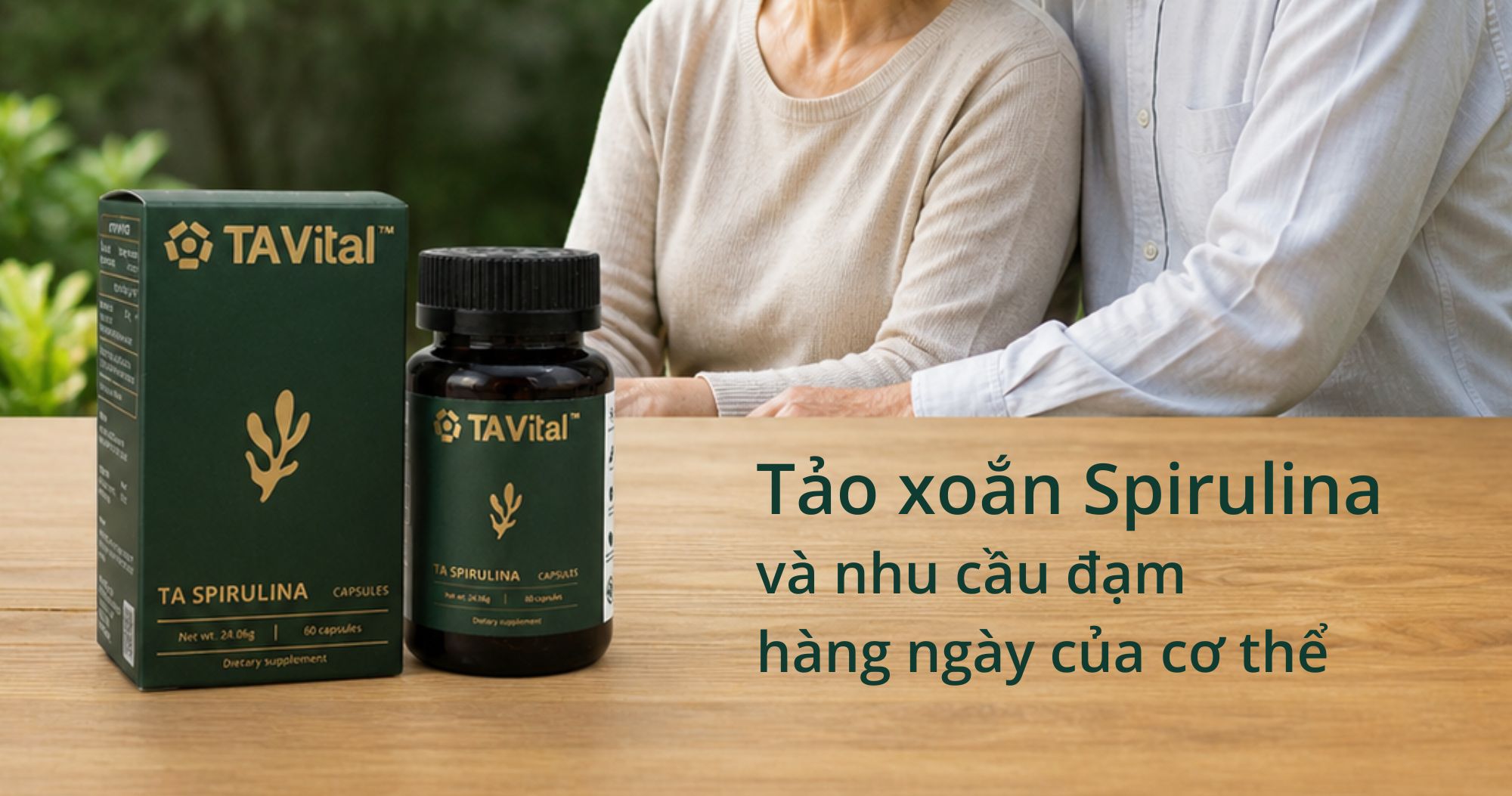
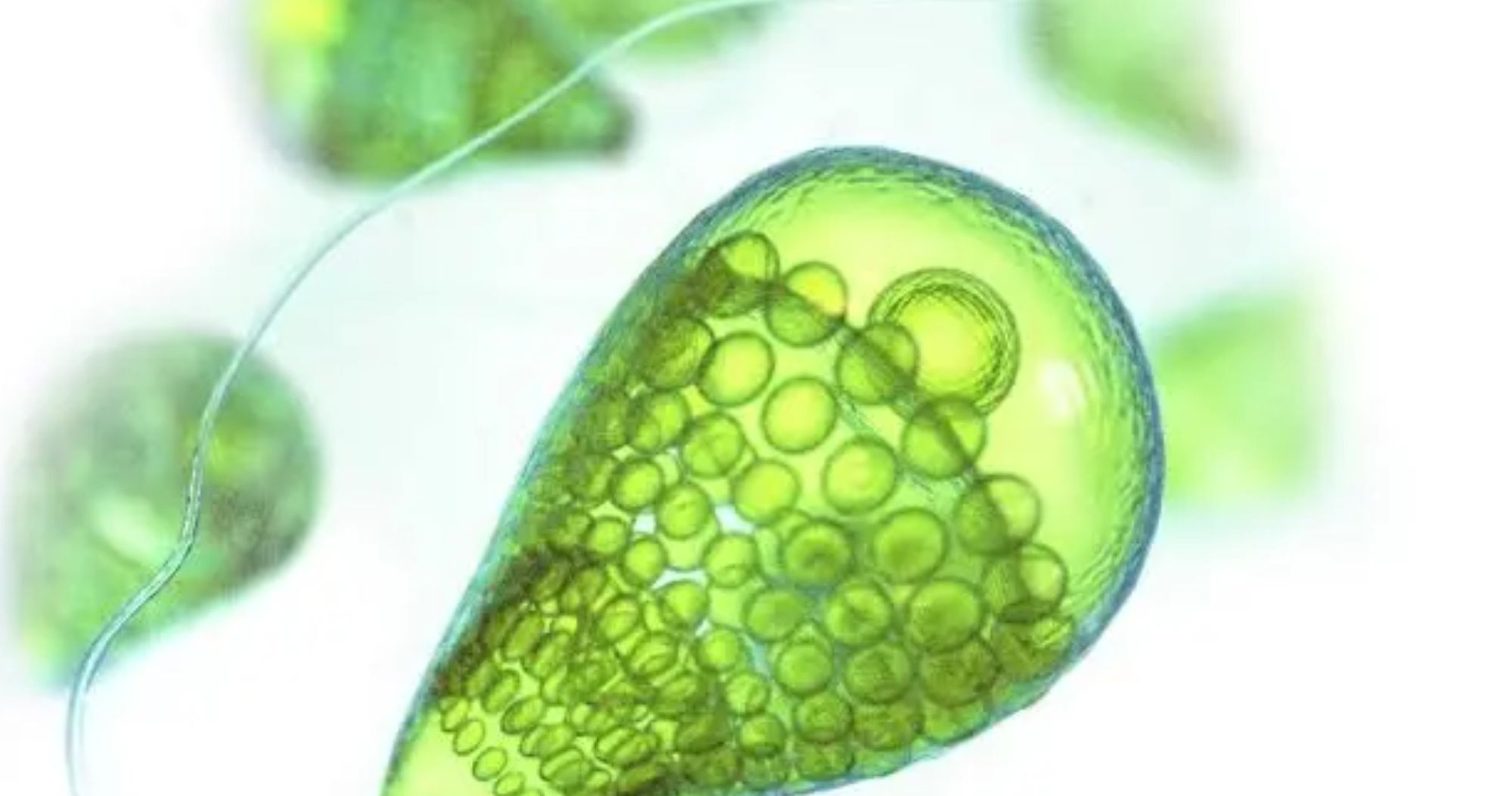
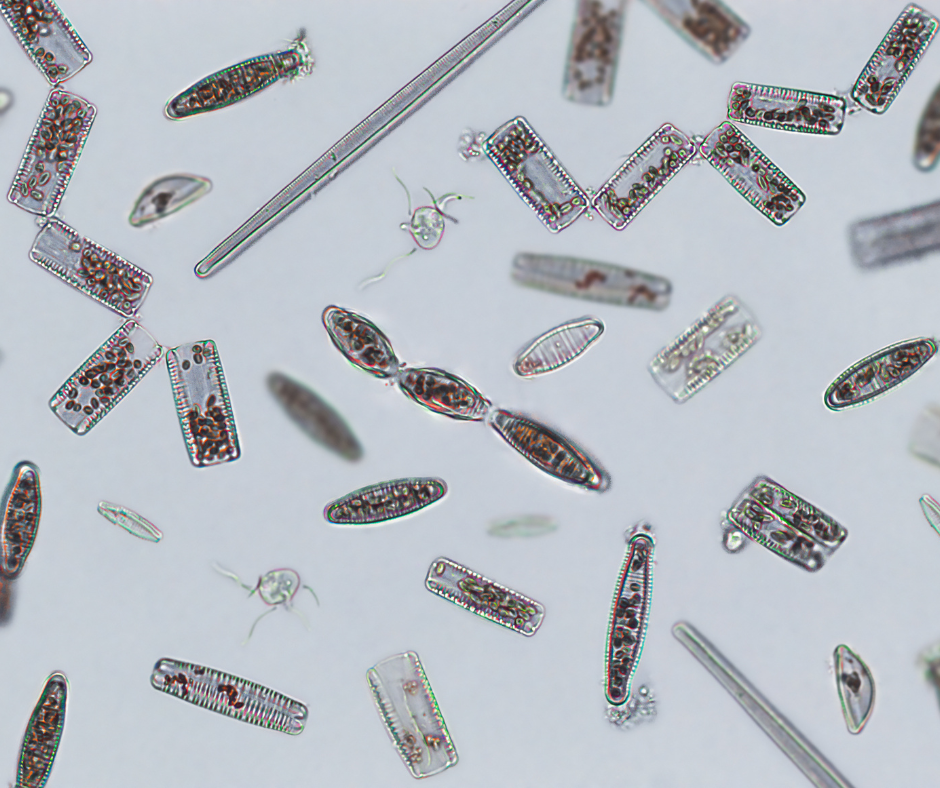
Spirulina is a nutrient-rich microalgae that provides protein, vitamins, minerals and many biological compounds.
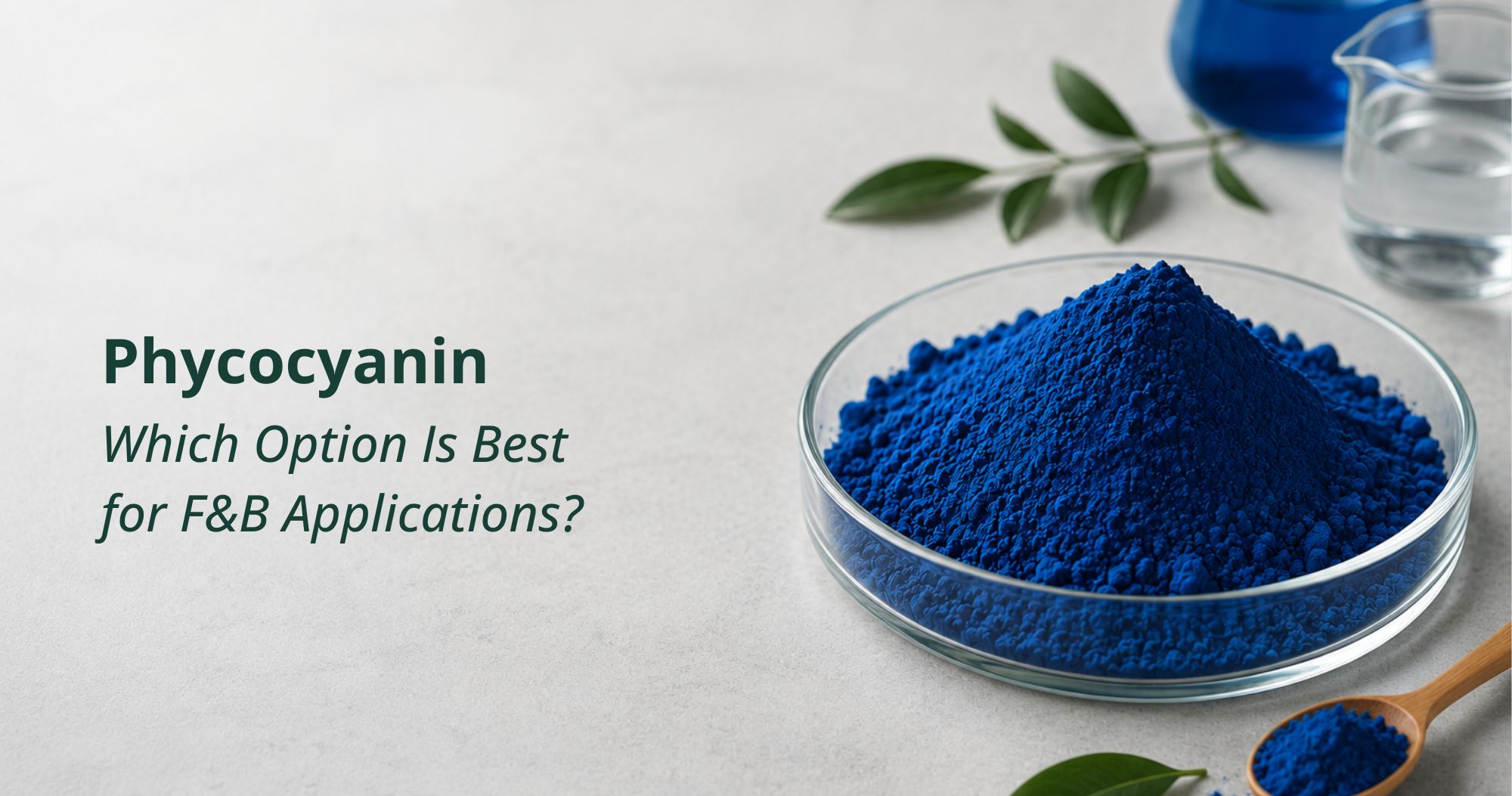
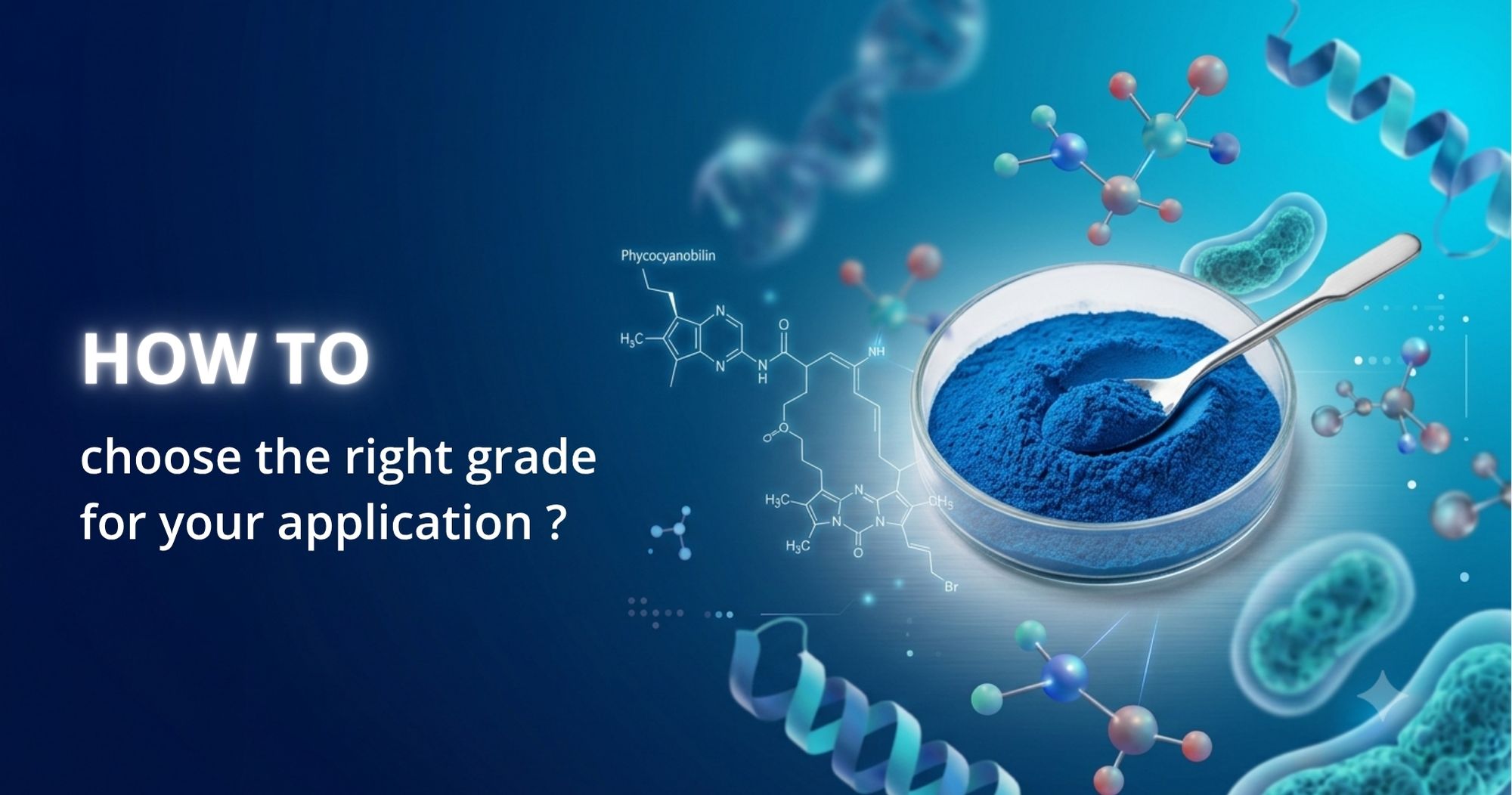
Among them, the most notable is Phycocyanin — a powerful antioxidant, which is often mentioned when talking about the health benefits of spirulina.
In addition, spirulina also contains micronutrients that aid metabolism — factors indirectly related to liver function.
Does Spiurlina help “detox the liver”?
Spirulina does not directly detox the liver, but can support liver function through biological mechanisms.
Spiurlina mechanism supports liver function
1. Antioxidant
The liver is an organ that is constantly in contact with substances that need to be metabolized, so it is very pleasant to the effects of oxidative stress. Phycocyanin in spirulina has the ability to neutralize free radicals, which in turn helps protect liver cells.
2. Supports inflammation reduction
Some studies suggest that spirulina may contribute to reducing mild inflammatory responses in the body. This has certain implications for the liver, especially in the context of a modern lifestyle that is prone to putting pressure on this organ.
3. Metabolism support
The liver needs many enzymes and microelements to carry out chemical reactions during detoxification. Spirulina provides a portion of these micronutrients, which helps support metabolic activity.
4. Supports lipid balance
Some studies suggest that spirulina may help improve blood lipid index. This indirectly benefits the liver, especially in reducing the risk of fat accumulation.
.jpg)
What does scientific research say?
Current studies (mostly in animals and some small human trials) show that Spirulina has the potential to support liver health, especially in:
- Reducing signs of liver damage
- Improves oxidative stress
- Metabolism support
However, it should be emphasized that: the evidence is not enough
Because Spirulina is not an express detoxification method or a therapeutic alternative
If you drink alcohol regularly, sleep little, and eat poorly, Spirulina can't help your liver either.
So what is the most effective way to support the liver?
The liver will work best when you know how to maintain a balanced diet, rich in green vegetables and natural foods. Limit the use of alcohol and processed foods. Always get enough sleep and exercise regularly.
How to Use Spirulina to Support Liver Health Properly
If you want to take advantage of the benefits of Spirulina, how to use it is more important than the product itself.
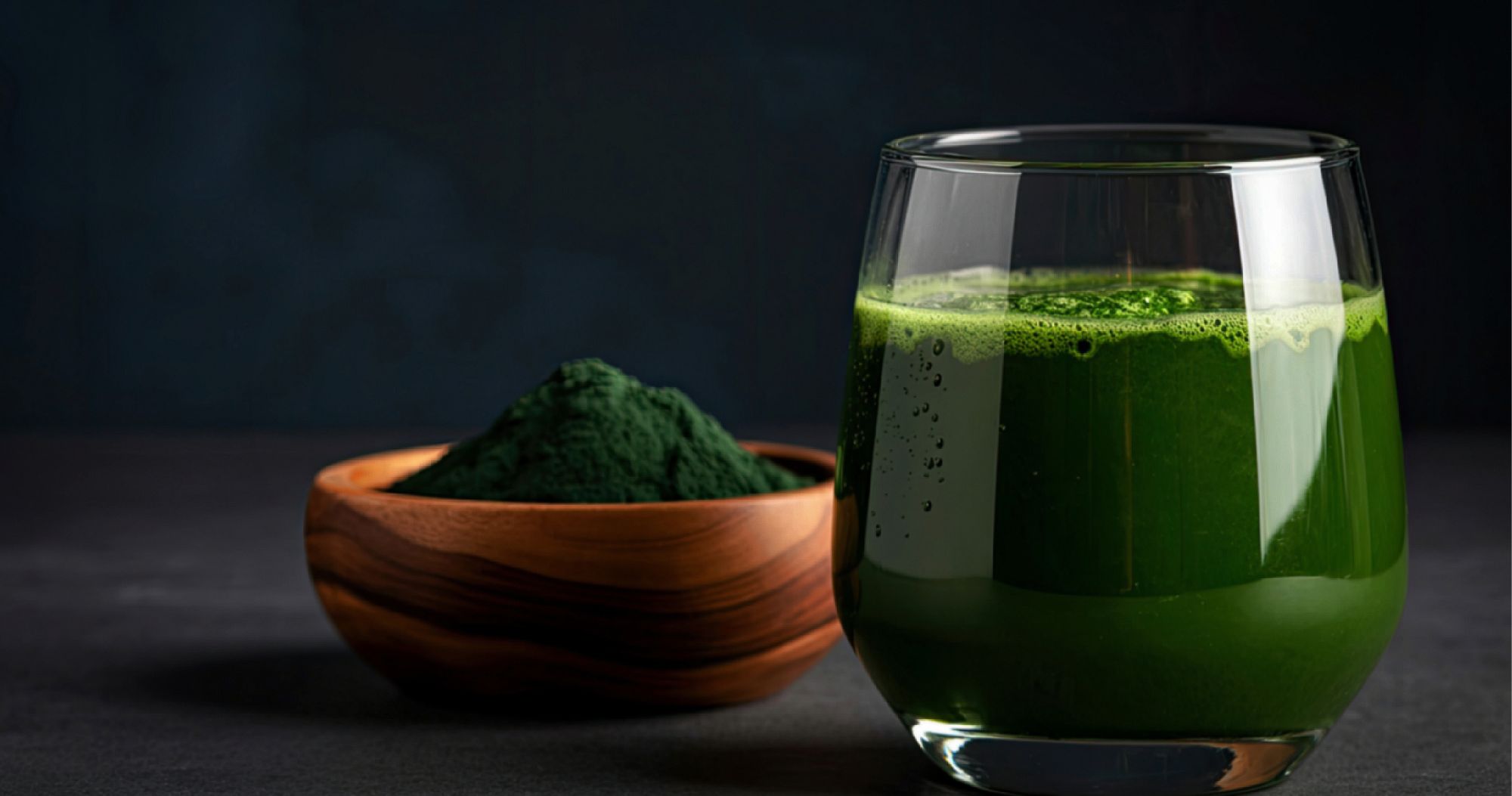
Common dosages typically range from 1—3g per day, depending on the condition. Regular use over a long period of time will give a more visible effect than intermittent use.
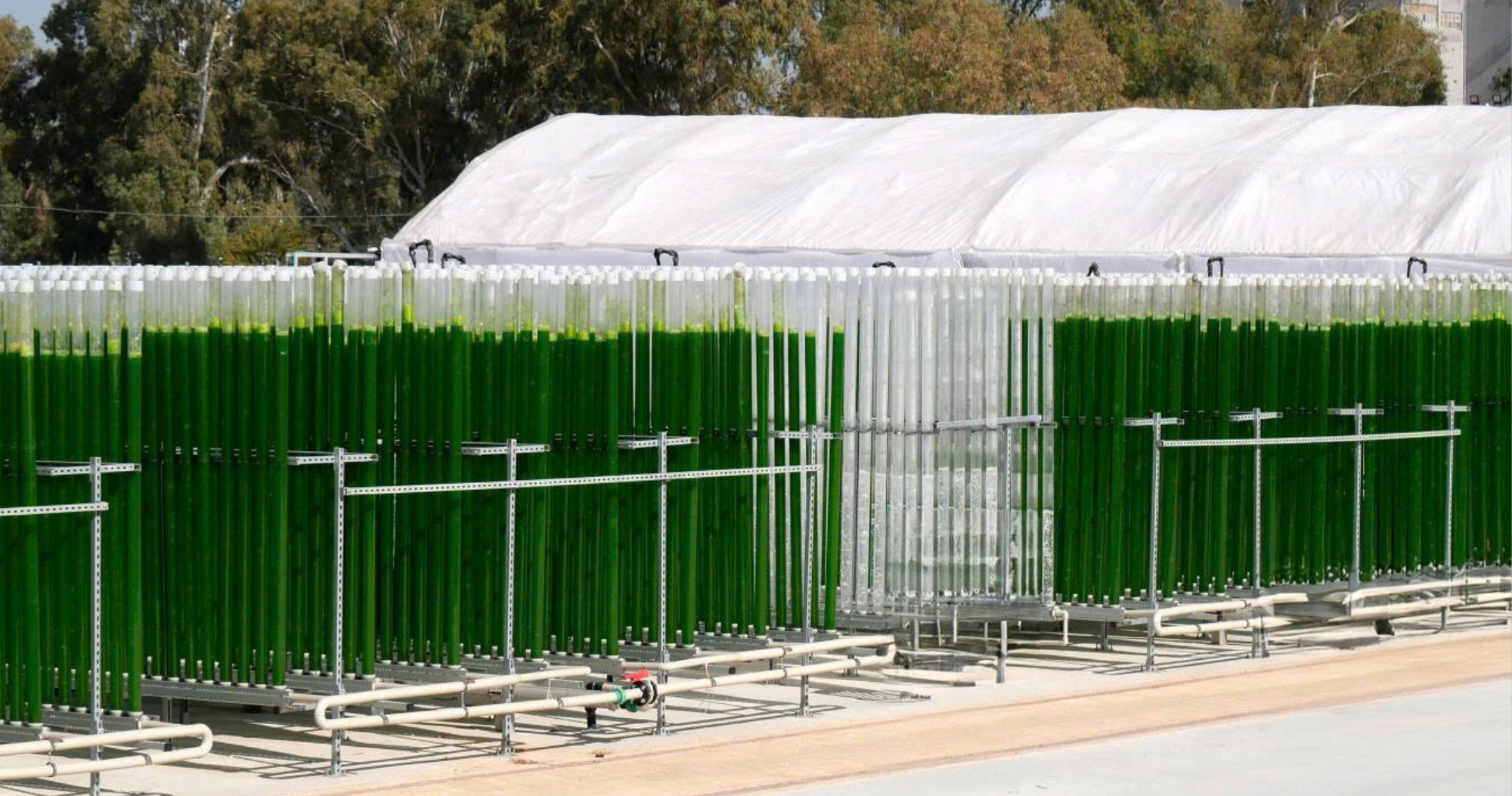
In addition, product quality is the key factor. Spirulina needs to be grown in a controlled environment to avoid heavy metal contamination or impurities.
Understanding the Right Way to Use Effectively
From a scientific perspective, Spiurlina remains a valuable nutritional source that can support liver function through antioxidant mechanisms, reduced inflammation and micronutrient supplementation.
Putting Spirulina in the right role as part of a healthy lifestyle helps you not only avoid false expectations, but also take advantage of the true value of this microalgae.

.png)
.png)
.jpg)


.jpg)
.jpg)
.jpg)


.png)
.png)
.jpg)
.jpg)




.jpg)

.jpg)


.jpg)
.jpg)


.jpg)



.jpg)




.png)




.jpg)


.jpg)