Microalgae(English: microalgae) is the group. microscopic living organismshas a size only visible under a microscope and is capable of synthesizing energy from sunlight on its own through photosynthesis. They are an integral part of aquatic ecosystems, playing an important role in the natural food chain and biogeochemical processes on Earth.
What are microalgae?
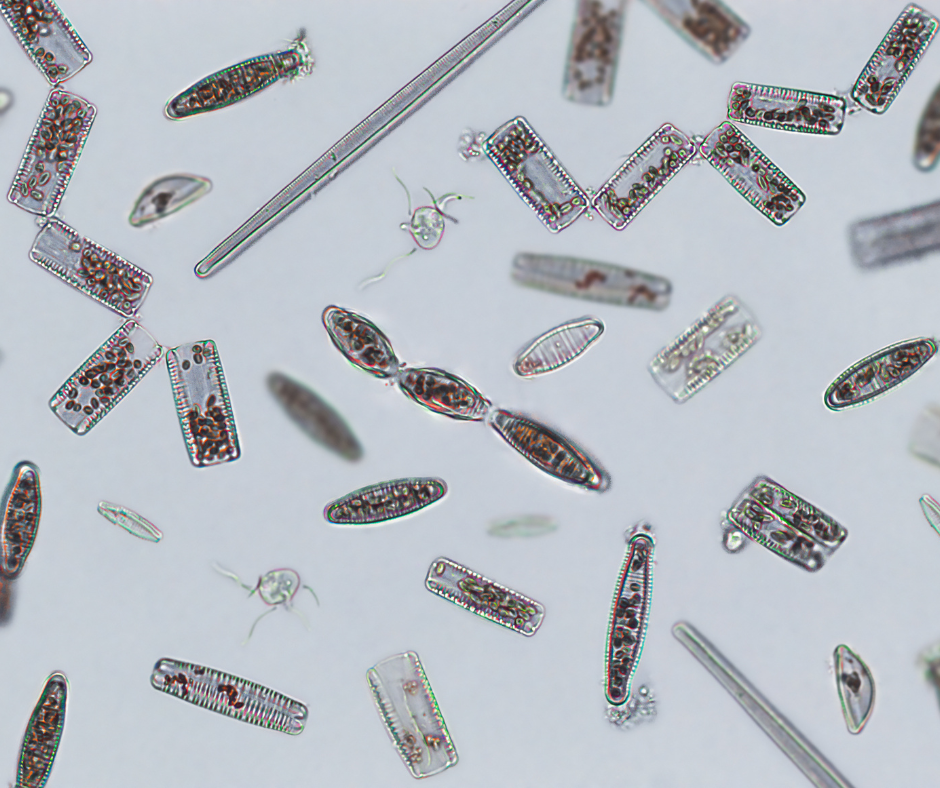
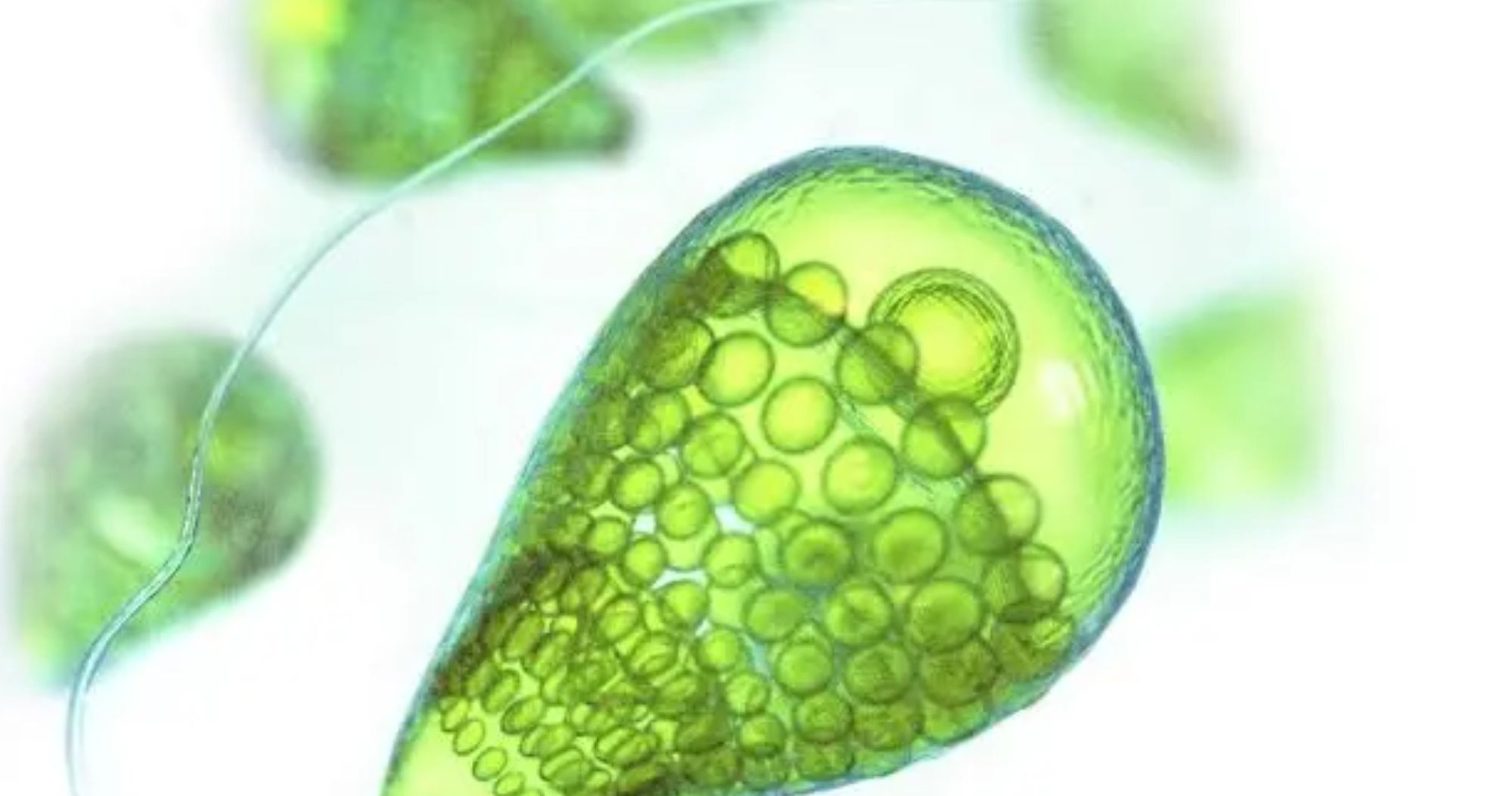
In bioscience, microalgaeIt is a diverse collection of microscopically sized algae, usually lives in aquatic environments and contains photosynthetic pigments such as chlorophyll to convert light energy into chemical energy.
Unlike large trees with stems, roots, microalgae there is no higher plant structure,but still suitable for photosynthesis in the same way as plants thanks to chlorophyll pigments.
According to the biological literature, one of the simple interpretations is:
Microalgae are all species of algae (algae) that are small in size, which can only be observed under a microscope. They are usually unicellular organisms or collections of very small cells, classified in the group of protozoa in many basic taxonomic systems.
.jpg)
Biological features of microalgae
Measuring glass and structure
Microalgae are usually only a few micrometers to several hundred micrometers in size. They are unicellular organism or group of cells, there are no large organs such as stems, leaves, roots.
Ability to photosynthesize
Like plants, many microalgae have chlorophyll and perform photosynthetic, uses sunlight, carbon dioxide and nutrients in the water for growth.
Habitat
Microalgae are widely distributed throughout fresh water, salt water and humid environments. They can float freely in water systems and are a major component of phytoplankton.
Reproductive speed
Microalgae have a fast reproduction rate thanks to their simple structure, which easily divides cells under favorable conditions.
How are microalgae classified?
Microalgae not just a single species, which is a very diverse group, consisting of tens of thousands of different species. According to the biological literature, of the approximately 50,000 species of algae that have been described, there are About two-thirds are microalgae..
In the modern classification system:
- Microalgae do not belong to separate genera, but are classified in protozoal groups and other branches depending on their cellular structure and photosynthetic pigmentation.
- These include many major groups such as green algae, yellow algae, siliceous algae, and cyanobacteria (cyanobacteria).
Ecological role of microalgae
Natural food chain
Microalgae are the first link in the aquatic food chain. They provide energy to planet-feeding species such as zooplankton and later fish and larger organisms.
Oxygen production
In large water systems such as oceans and lakes, microalgae perform photosynthesis on a large scale, contributing to the oxygen production and the balance of the Earth's atmosphere.
The role of the environment
Many studies show that microalgae can absorb some of the excess nutrients or metals in the water, helping reduce pollution and improve water quality in an environmentally friendly way.
Research and Industrial Applications
In addition to their ecological role, microalgae are being widely studied and applied in the field of science and technology:
- Agriculture and aquaculture: Microalgae are used as larval food for fish shrimp in aquaculture.
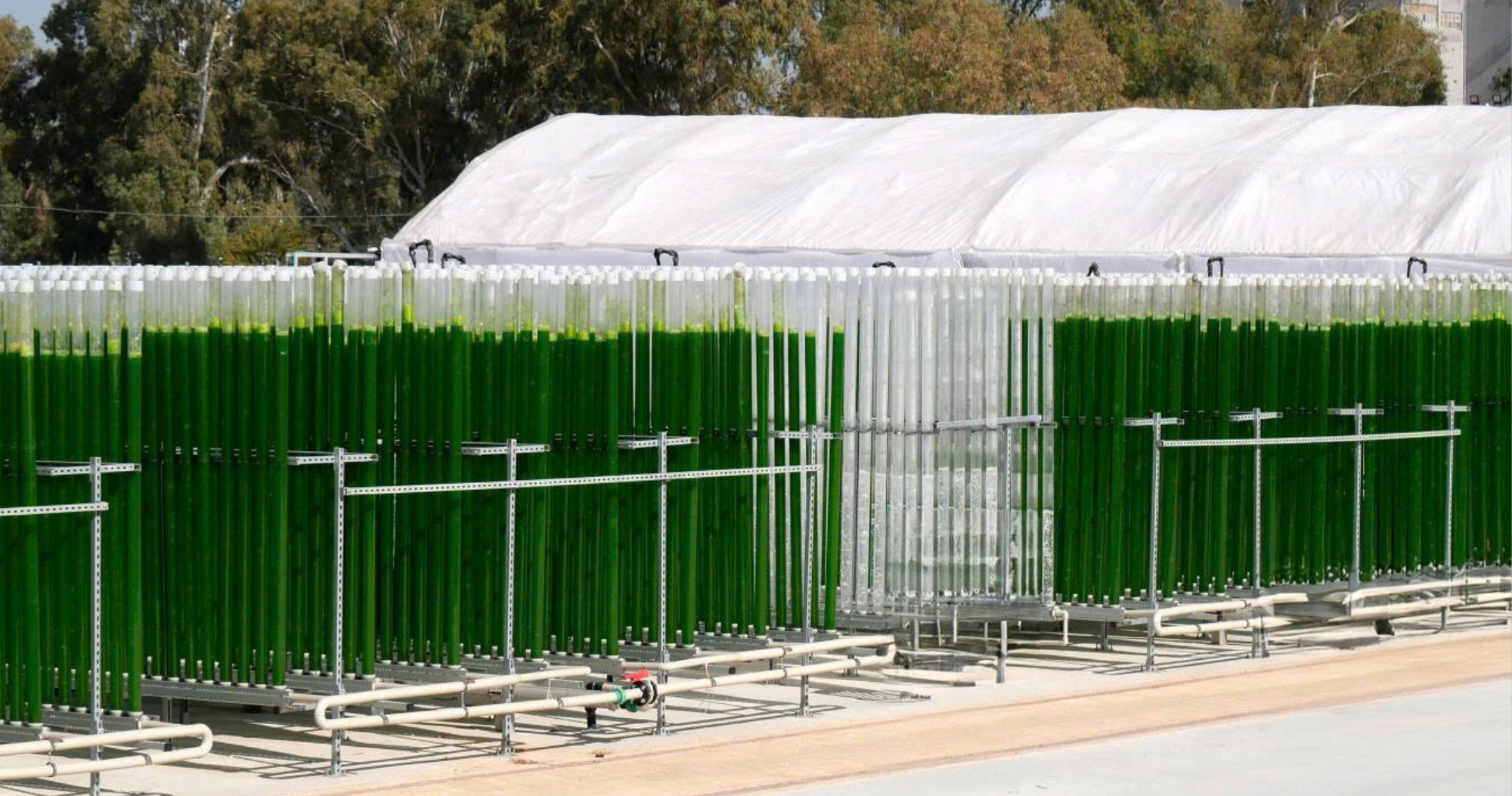
- Biotechnology: They have potential in the production of biological compounds, biofuels, nutritional adjuvants and industrial raw materials.
- Food and nutrition: Some strains of microalgae such as Chlorella and Spirulina researched and commercialized as a source of nutritional supplements, rich in protein and biological substances.
What are microalgae different from seaweed and large algae?
Microalgae and large forms of algae (seaweed, for example) are both photosynthetic organisms, but there are fundamental differences:
In short: Microalgae are the form simpler in structure and size, but it plays an extremely important ecological role in aquatic systems and technological applications.
Conclusion
Microalgae are a small group of organisms that play a big role
- They are main components of aquatic ecosystems
- Original source of energy for the food chain
- Contribute to photosynthetic processes and atmospheric equilibrium
- There is potential for application in biological and technological studies
A proper understanding of microalgae from a scientific perspective helps us to more clearly identify their biological nature, rather than just being tied to commercial applications such as beauty or functional products.
-
Refer to the aggregate source:
- Microalgae - Wikipedia
- Microbiology Syllabus
- Research paper from Nha Trang University
- Official Science Newspapers and Portals
- Microalgae Technology Overview


.png)
.png)




.jpg)





.jpg)
.jpg)



.jpg)


.png)
.png)
.jpg)
.jpg)







.jpg)

.jpg)


.jpg)
.jpg)


.jpg)



.jpg)





.png)







.jpg)