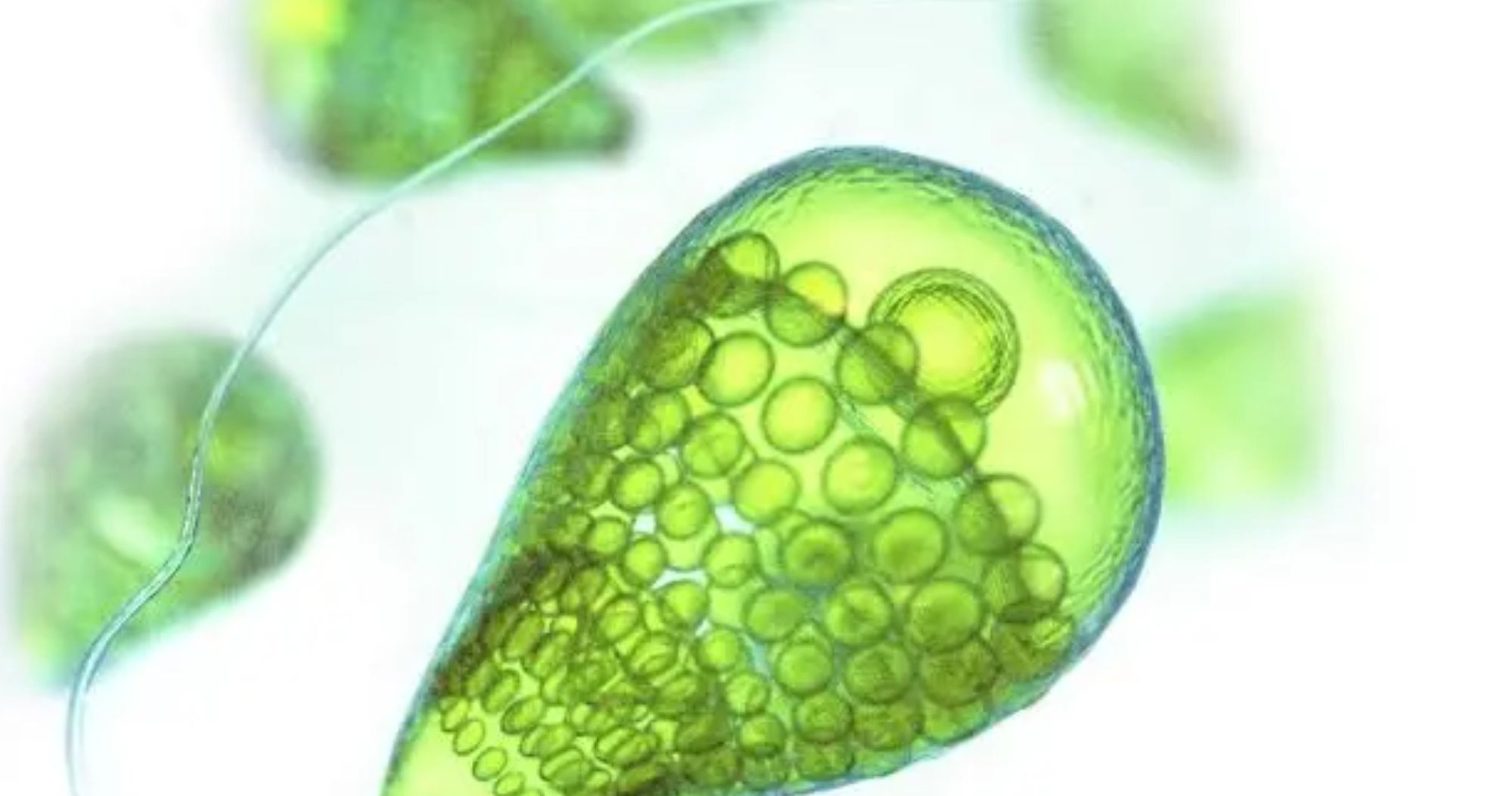
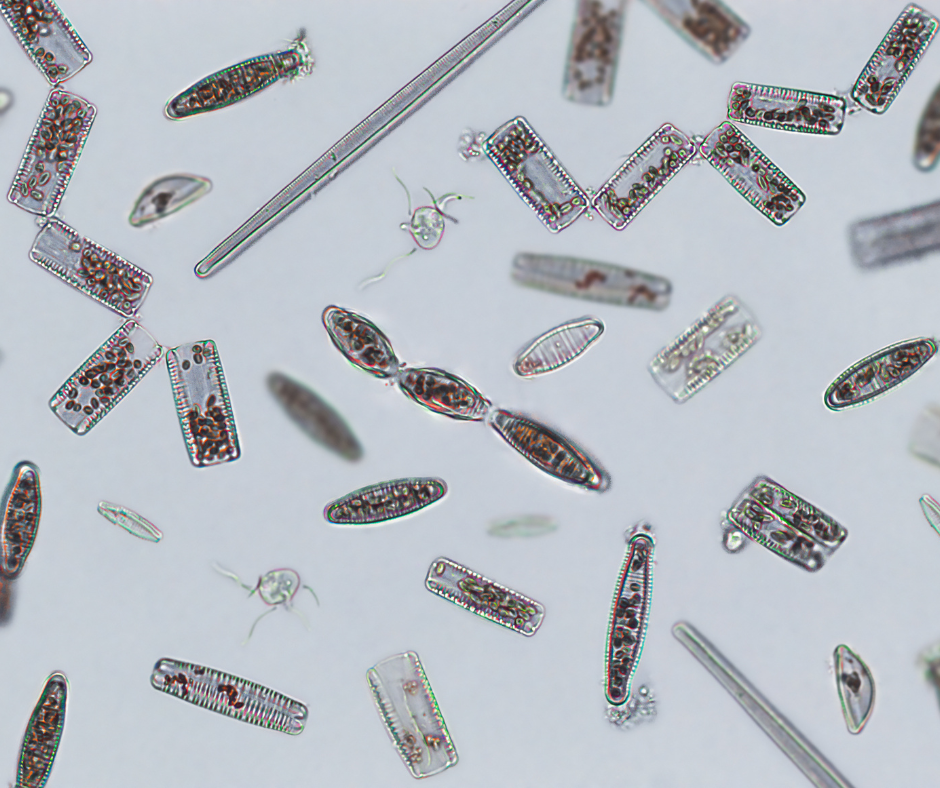
If you look at a drop of water under a microscope, you will see a whole miniature living world. Among them, microalgae are one of the most common and important organisms.
Despite their tiny size, microalgae have a major impact on global ecosystems. They are involved in oxygenating the atmosphere, are a source of food for many marine organisms and also contain many valuable nutrient compounds. It is not surprising that in recent years, microalgae have been increasingly mentioned in the field of nutrition, health supplements, cosmetics and biotechnology.
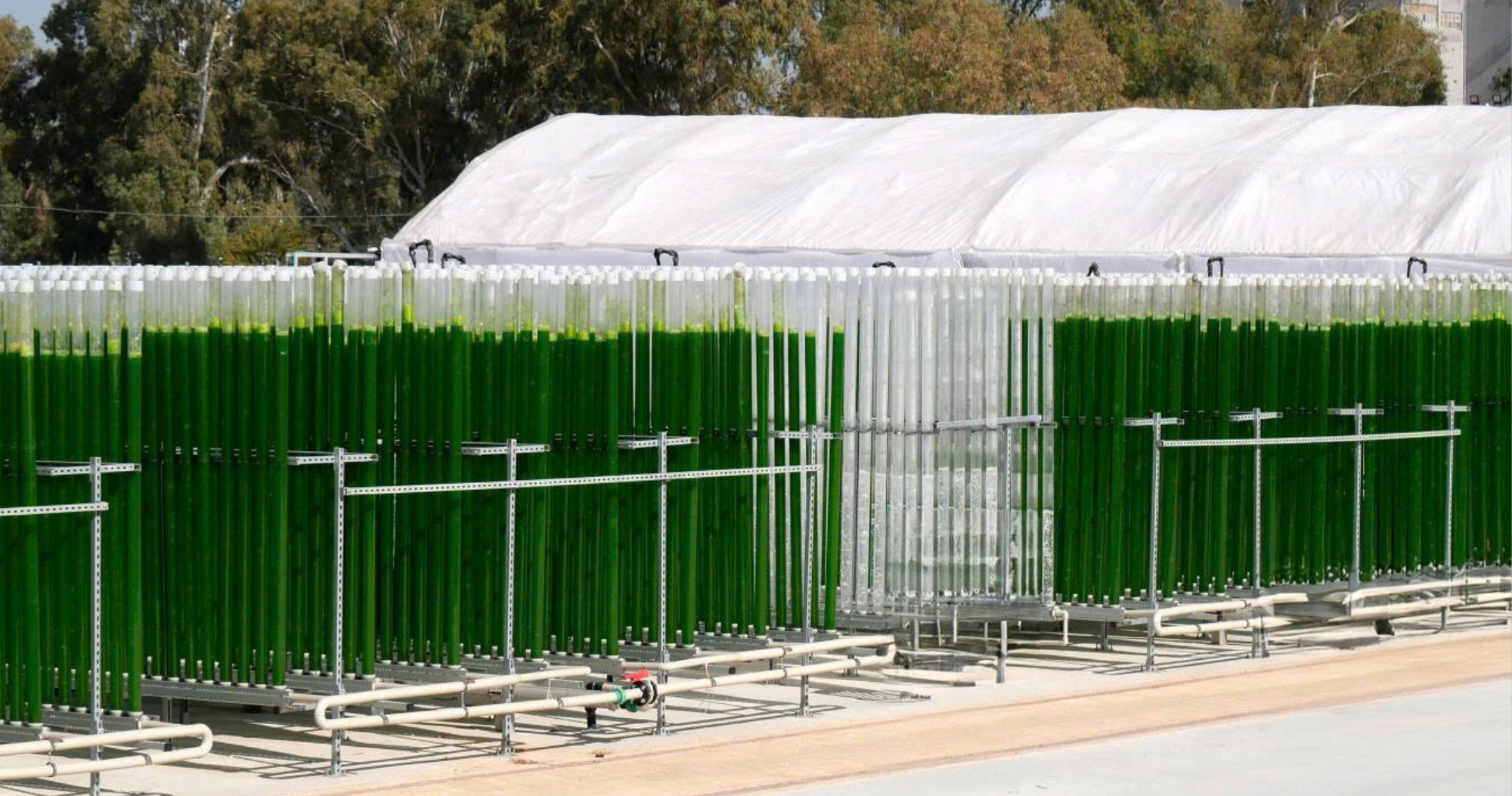
In fact, scientists estimate there are tens of thousands of species of microalgae that exist in nature. However, only a handful of species are deeply studied and cultivated on an industrial scale. These species are becoming the basis of a new biological industry and microalgae are seen as the resource of the future.
What are microalgae?
To put it simply, microalgae (microalgae) are microscopic sized algae, usually only observed under a microscope. They can exist as unicells or gather in small clusters of cells.
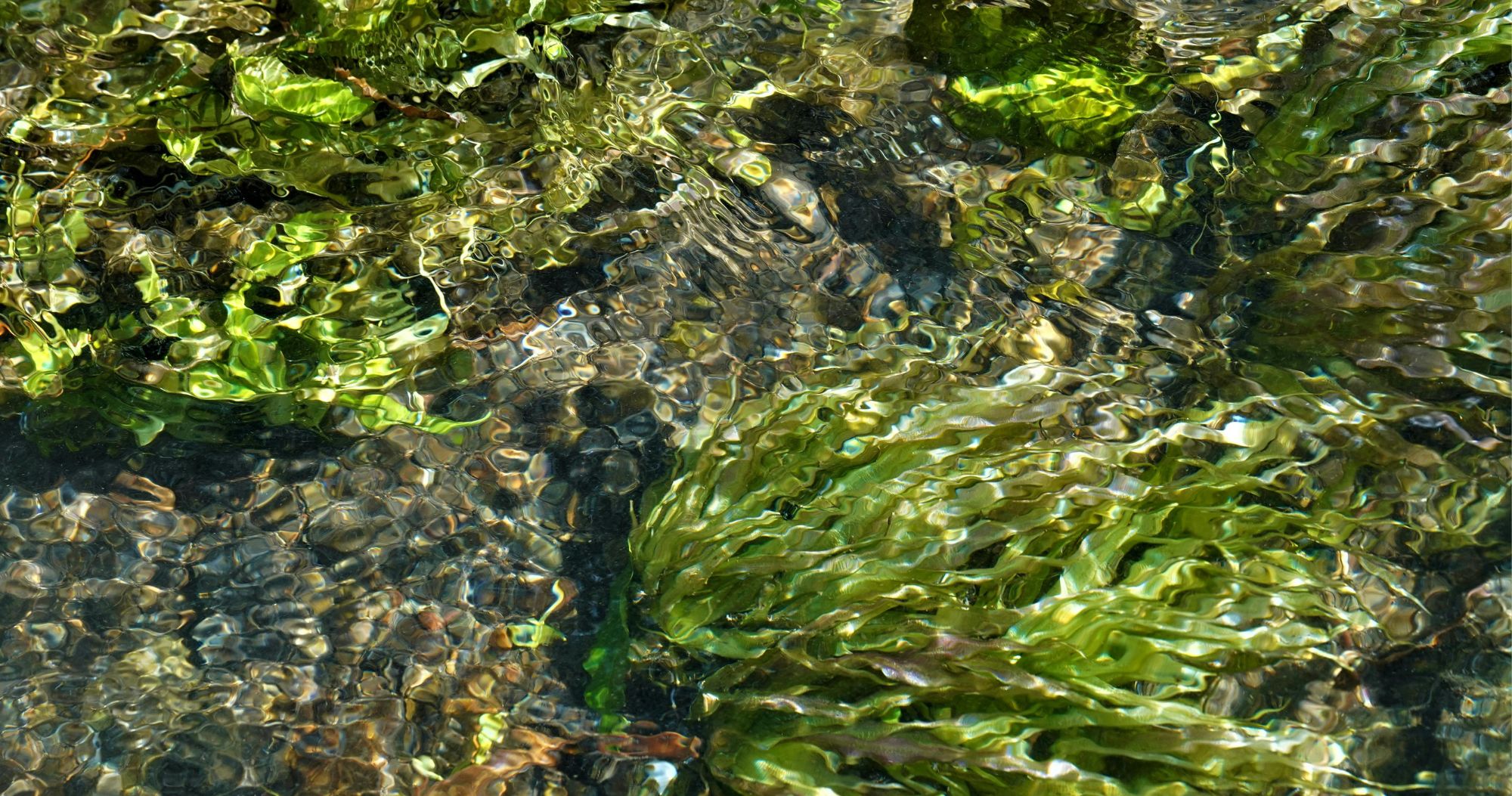
The majority of microalgae live in aquatic environments, including:
- pond lake and river
- sea and ocean
- brackish water environment
Like plants, microalgae are capable of photosynthesis. They use sunlight, CO₂ and nutrients in the water to generate energy for the growth process.
The interesting point is that even without stems, roots or leaves like green plants, microalgae perform photosynthesis very efficiently thanks to pigments such as chlorophyll.
Role of microalgae in ecosystems
Microalgae, although small, play an extremely important role in nature.
Creating Oxygen for the Earth
Through photosynthesis, microalgae contribute to the production of large amounts of oxygen to the atmosphere. It is one of the planet's important natural sources of oxygen.
The foundation of the ocean food chain
In marine ecosystems, microalgae are the main components of phytoplankton, a food source for many small organisms such as plankton, fish larvae and other marine organisms.
In other words, a lot of the food chain in the ocean comes from microalgae.
Absorption of CO₂
Thanks to their ability to photosynthesize, microalgae absorb CO₂ and convert it into biomass. This makes them important objects of research in solutions to reduce carbon emissions.
Application potential of microalgae
Not only important to the ecosystem, microalgae are also of great value in many industries.
Food and nutrition
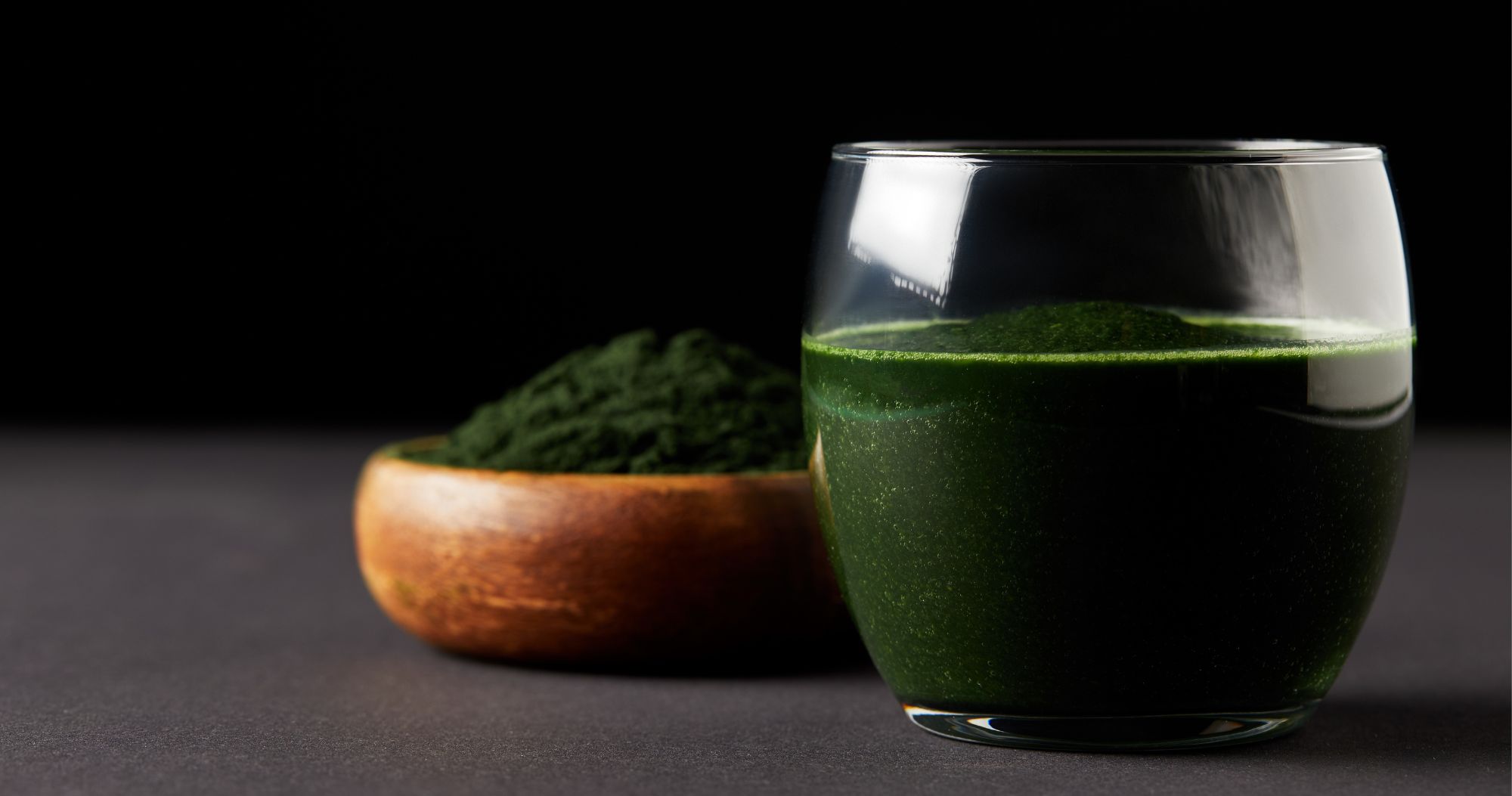
Some species of microalgae contain very high levels of proteins, vitamins and minerals. Therefore, they are often used in health supplements, nutritional powders or “superfood” products
Cosmetics
Many biological compounds from microalgae have antioxidant, skin protection and anti-aging support. Thanks to this, microalgae are increasingly appearing in premium cosmetic lines.
Pharmaceuticals
Several compounds from microalgae are being studied for application in immune support, anti-inflammatory and cardiovascular protection.
Agriculture
Microalgae are also used as biological fertilizer, animal feed and seafood feed
Biofuel
Some species of microalgae can produce large amounts of lipd, a potential raw material for the production of environmentally friendly biofuels.
Common microalgae species in the world
Currently, although there are many species of microalgae that exist in nature, only about 5-7 species are cultivated and exploited on an industrial scale.
Here are the most common types of microalgae.
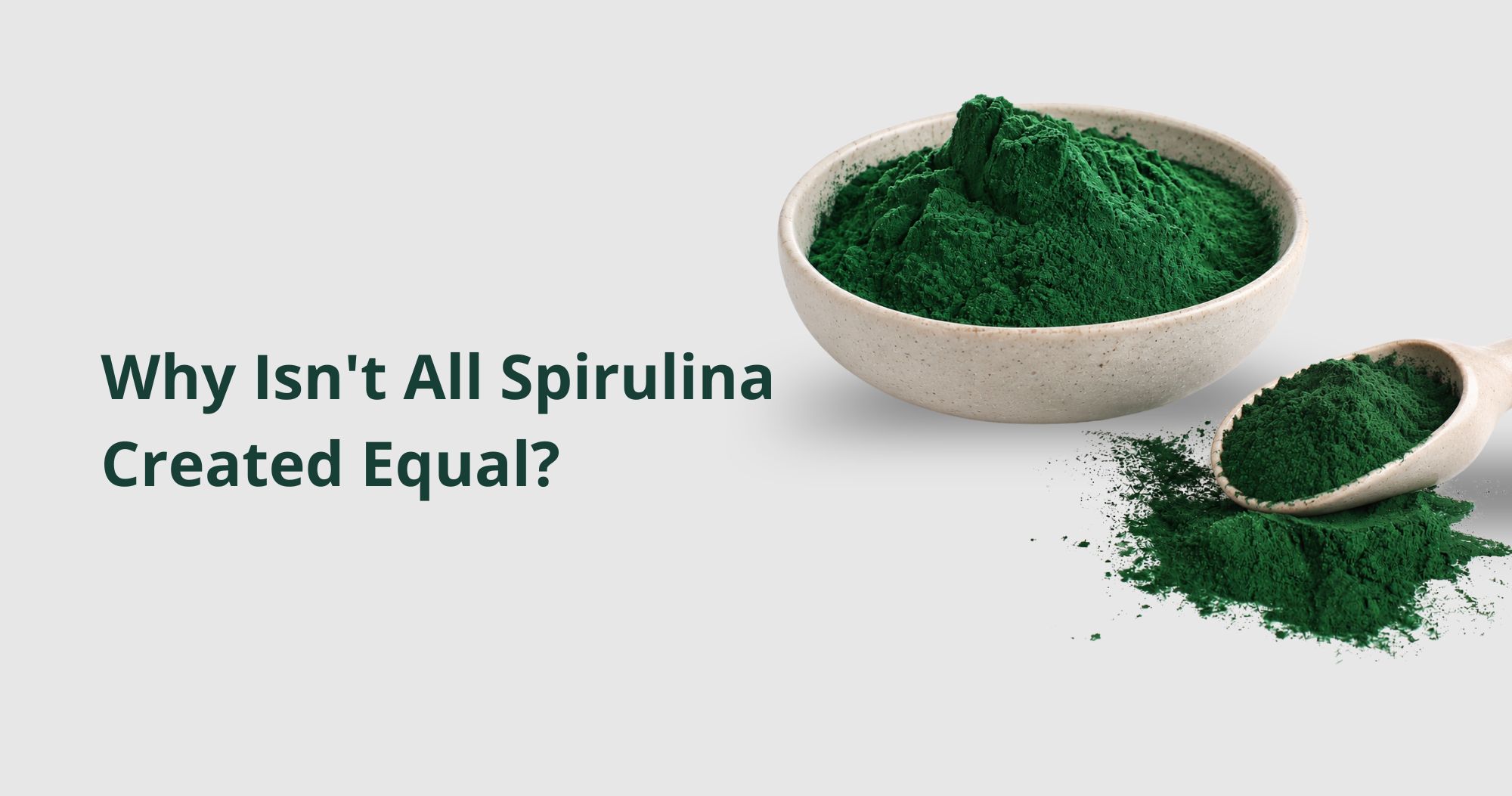
Spirulina (Arthrospira)
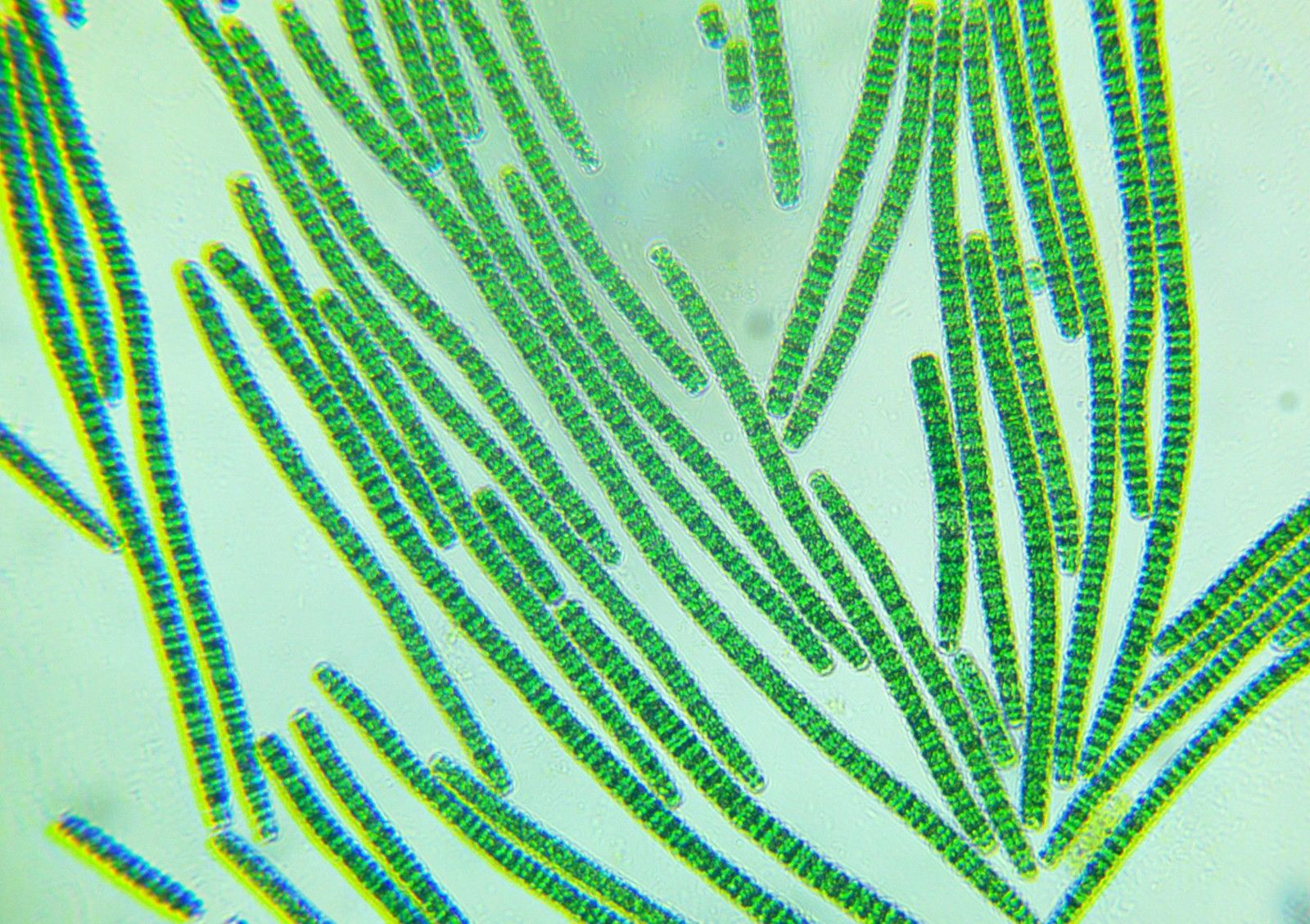
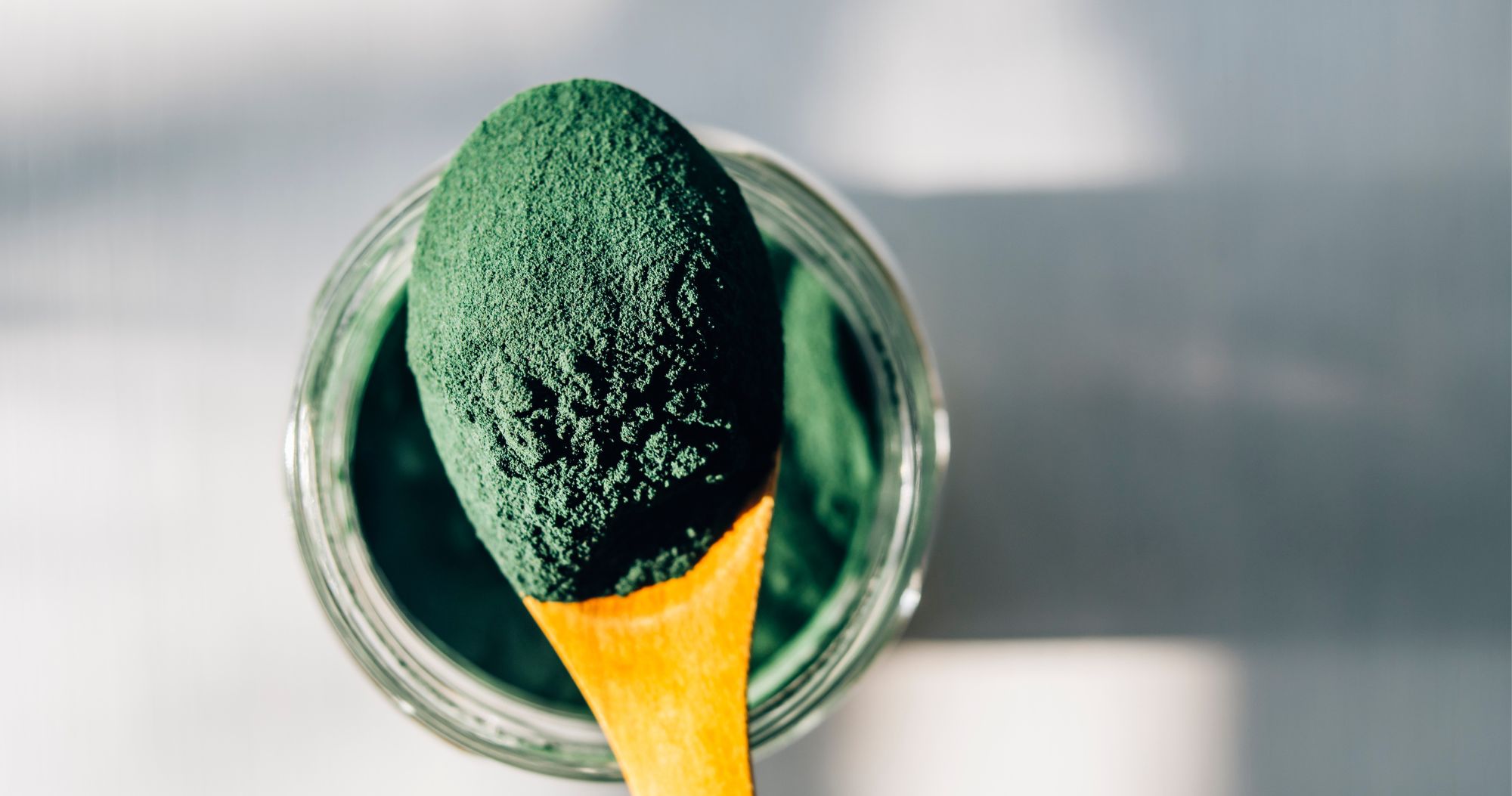
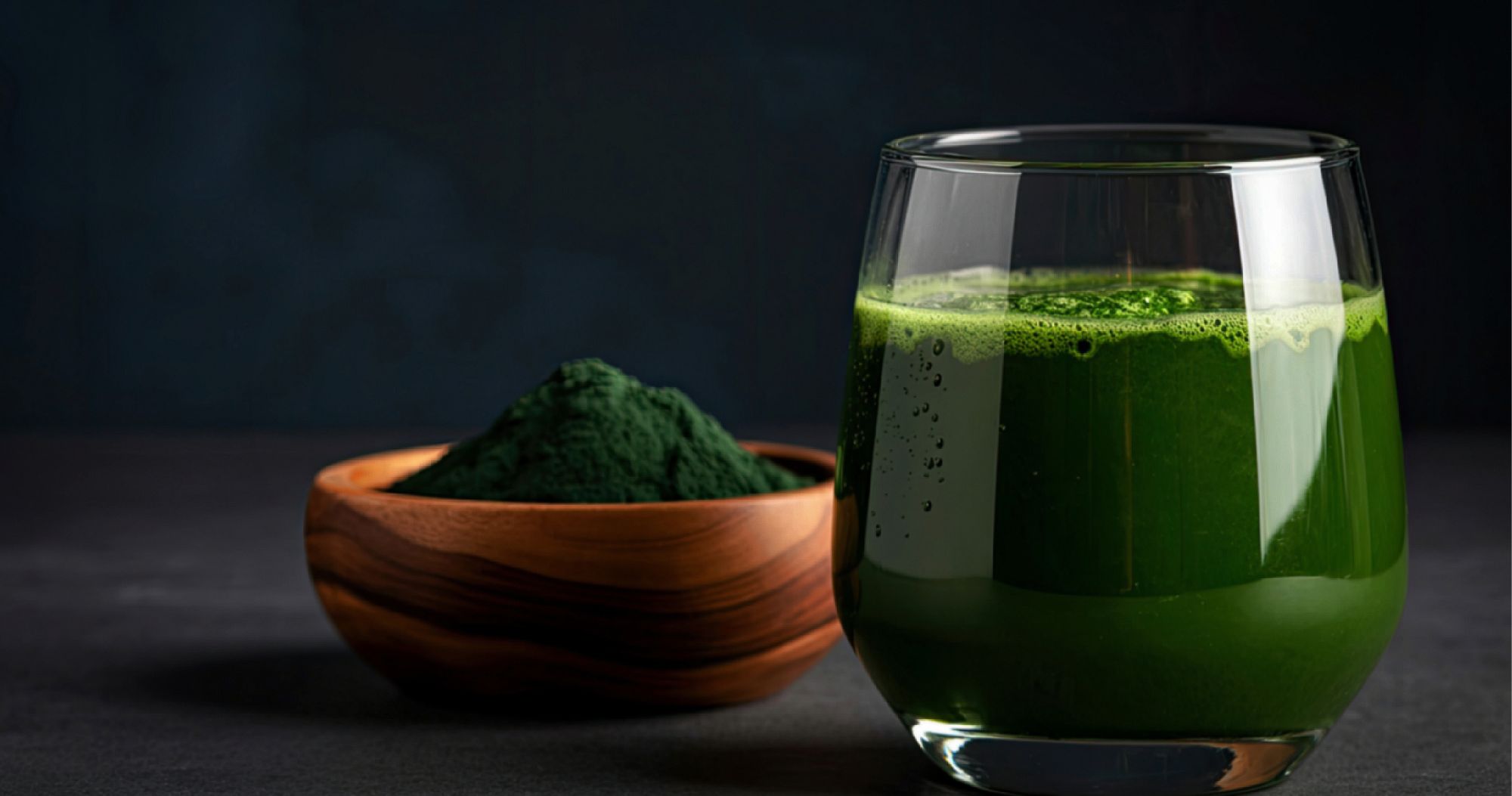
Spirulina is probably the most widely known microalgae today.
Characteristics
This microalgae has a characteristic blue color and usually grows well in alkaline water environments. Spirulina has the form of small spiracles, so in Vietnam it is often called spirulina.
One of the highlights of Spirulina is its very high protein content, which can account for about 60— 70% of the dry weight.
Applications
Spirulina is commonly used in:
- complementary foods
- functional foods
- nutritional products
Currently, many countries such as the USA, Japan, China and India have developed the Spirulina cultivation industry on a large scale.
highlight
Spirulina contains many important biological compounds such as:
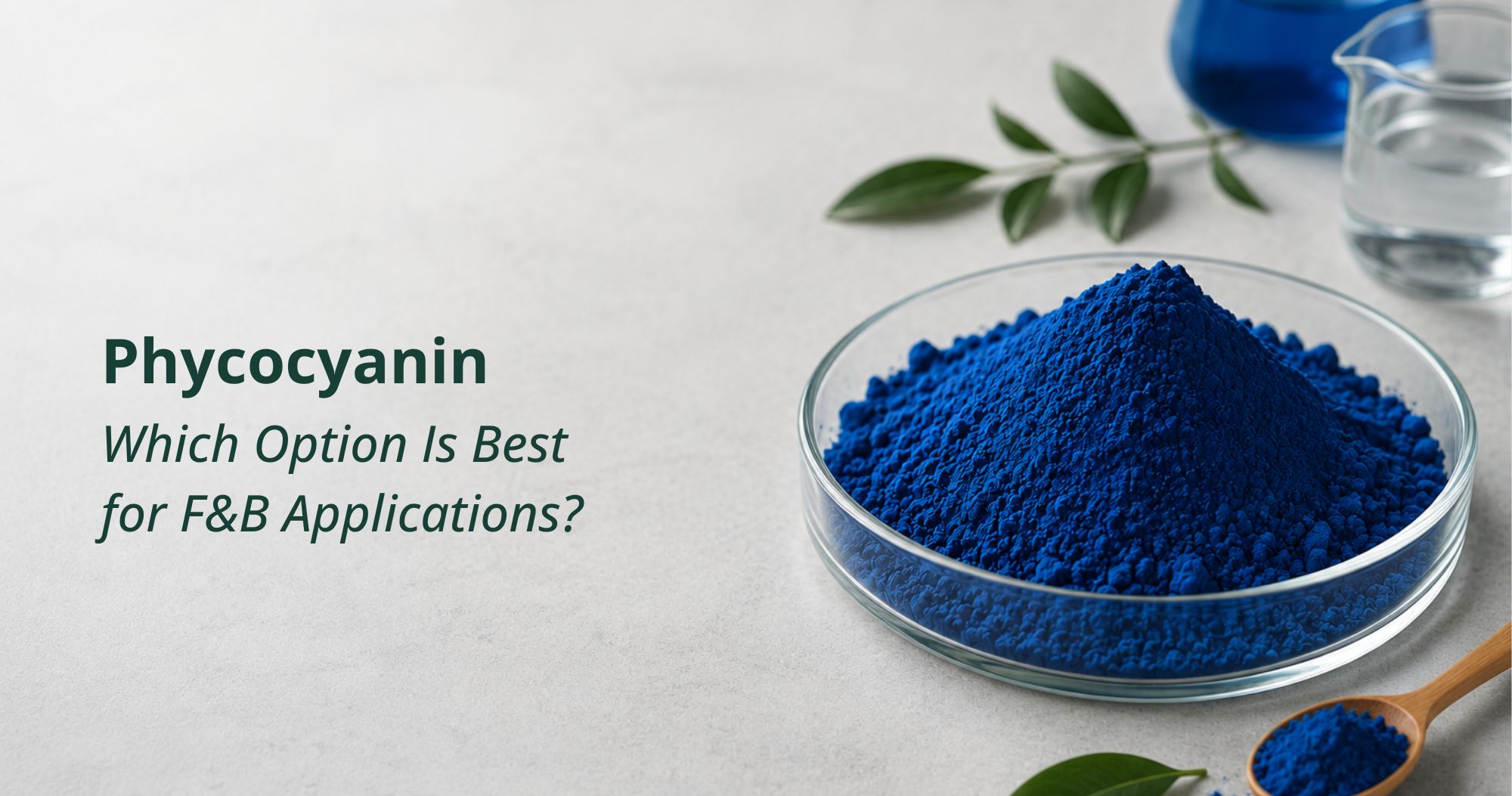
- Phycocyanin
- vitamins of group B
- iron and minerals
Thanks to this, this microalgae is often classified as a natural superfood.
Chlorella
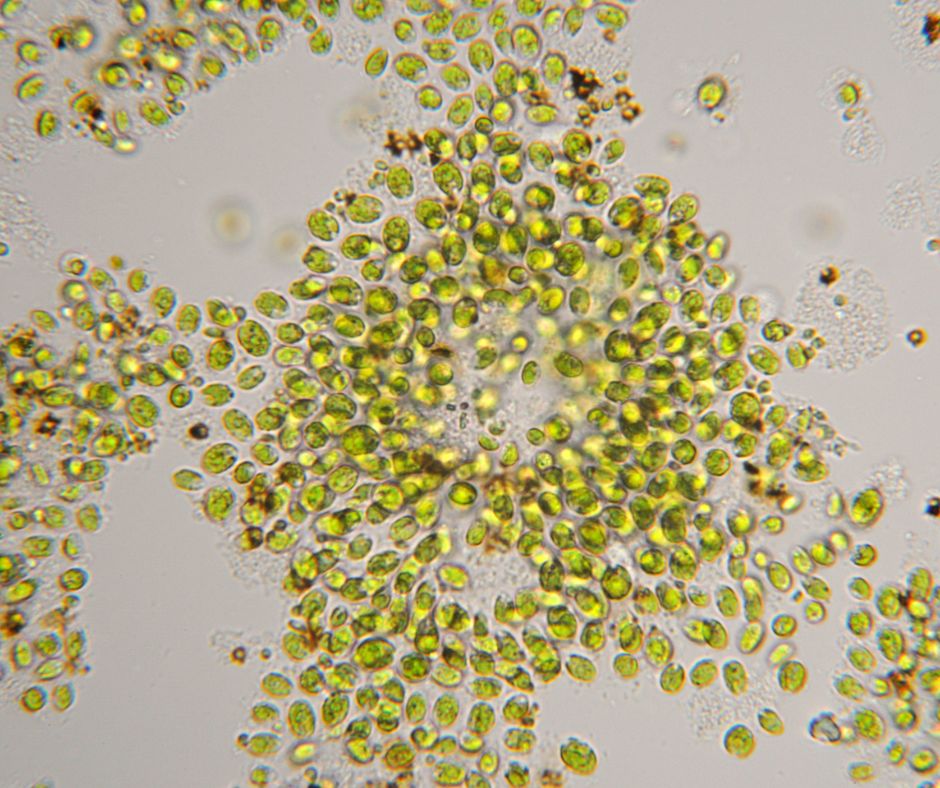
If Spirulina is well known in the field of nutrition, Chlorella is also a very familiar name.
Characteristics
Chlorella is a green unicellular microalgae that lives mainly in fresh water. Chlorella's cells have rather thick cell walls, which makes their digestion need to be processed before use as food.
Nutritional value
Chlorella is high in protein, vitamins, minerals and chlorophyll
Among them, chlorophyll is the most prominent component.
Applications
Chlorella is commonly used in:
- complementary foods
- products that help purify the body
- feed in aquaculture
Dunaliella salina
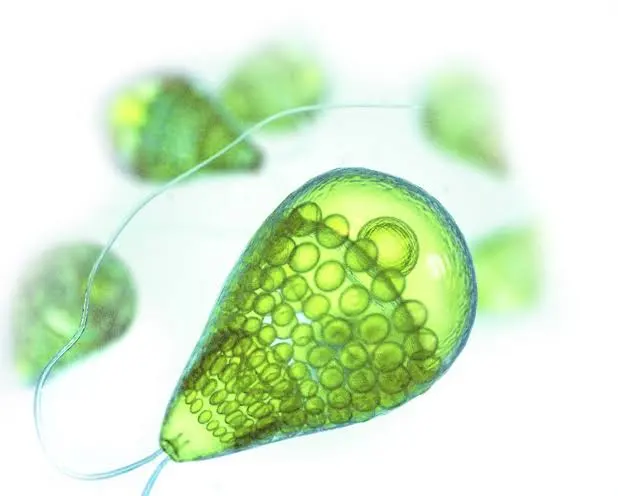
Dunaliella salina is one of the special microalgae species because of its ability to adapt to harsh environments.
Characteristics
This microalgae usually lives in lakes with very high salinity, such as salt lakes.
Unlike many other microalgae, Dunaliella does not have rigid cell walls, which makes them more flexible when adapting to the environment.
highlight
Dunaliella salina is famous for its ability to produce very high amounts of beta-carotene — an important antioxidant and also a precursor of vitamin A.
Applications
Thanks to the high content of beta-carotene, Dunaliella is often applied in:
- cosmetics
- functional foods
- natural antioxidants
Haematococcus pluvialis
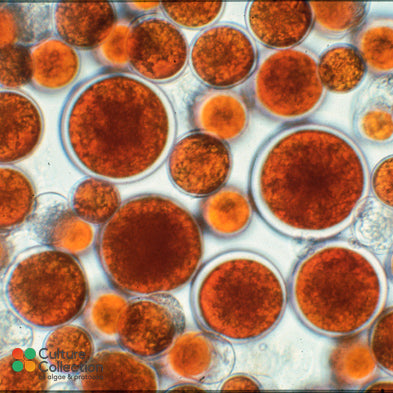
It is a microalgae that is mentioned a lot in the cosmetics and nutrition industry.
Characteristics
Haematococcus pluvialis is a freshwater microalgae. When under stressful conditions such as bright light or lack of nutrition, their cells turn red.
highlight
This microalgae is the strongest natural source of astaxanthin known today.
Astaxanthin is a very strong antioxidant, often used in anti-aging products.
Applications
Haematococcus pluvialis is used in:
- premium cosmetics
- anti-aging foods
- feed for aquaculture
Nannochloropsis
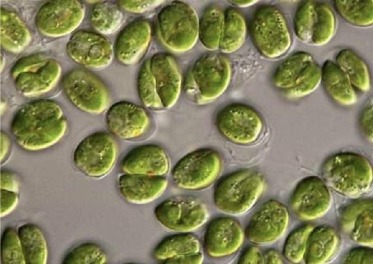
Nannochloropsis is a species of marine microalgae that is very small in size but grows rapidly.
Nutritional value
This microalgae stands out for containing a lot of: EPA omega-3 and biological lipids
Applications
Nannochloropsis is commonly used in:
- feed for aquaculture
- production of omega-3 from algae
- biofuel research
Why are Spirulina and Chlorella the most cultivated?
Among the microalgae, Spirulina and Chlorella are the two most produced and consumed species in the world.
- Easy to grow: both grow quickly and are relatively easy to control in the crop system.
- High nutritional value when high in protein, vitamins, minerals and antioxidants
- Wide application: used in a variety of products, from food supplements to dietary supplements or nutrition.
- Large market: the trend of consumption of natural foods and nutrition is increasing sharply, which entails a great demand for products from microalgae.
Potential of microalgae in the future
In the context of a growing world population, many experts believe that microalgae could become an important food source of the future because of the outstanding advantages:
- Rapid growth
- No need for a lot of arable land
- High nutritional content
In addition, microalgae have the ability to absorb CO₂ efficiently during photosynthesis. So they are being studied in emissions treatment, wastewater treatment and carbon reduction projects.
In the field of biotechnology, microalgae are opening up many research directions such as alternative proteins, biopharmaceuticals and biofuels.
Conclusion
Microalgae may be tiny, but their value is huge. From nutrition, cosmetics to biotechnology, many industries are harnessing the potential of these microscopic organisms.
Among the tens of thousands of species of microalgae, a few such as Spirulina, Chlorella, Dunaliella or Haematococus pluvialis have become the basis for an entire global industry.
With the trend of sustainable food development and green biotechnology, microalgae are expected to play an increasingly important role in the future.
If you are interested in this topic, learn more: Benefits of Spirulina for Health.

.png)
.png)



.jpg)




.jpg)
.jpg)



.jpg)


.png)
.png)
.jpg)
.jpg)





.jpg)

.jpg)


.jpg)
.jpg)


.jpg)


.jpg)




.png)




.jpg)



.jpg)