The cosmetics industry is undergoing a major transformation as consumer demand moves beyond simple natural-origin products. Brands are now seeking ingredients that deliver visible skincare results while ensuring safety, transparency, and alignment with sustainable development trends. In this context, microalgae have become a focal point for the industry due to their rich bioactive content, versatile applications, and potential for sustainable production.
1. New Trends in the Cosmetics Industry
For years, natural-origin skincare products have been a top priority for many consumers. As the market evolves, the concept of "natural" is no longer the sole factor determining a product's value. Modern consumers expect more: products must not only be safe but also deliver visible results, offer ingredient transparency, and be environmentally friendly.
This has fueled the growth of trends like Clean Beauty, Biotech Beauty, and Sustainable Beauty. Clean Beauty focuses on safe, transparent ingredients while avoiding controversial substances. Biotech Beauty opens new doors by using biotechnology to create high-performance, consistent active ingredients. Sustainable Beauty emphasizes reducing environmental impact through sustainable sourcing and responsible manufacturing processes.
This shift has forced cosmetic brands to rethink their ingredient selection, moving beyond traditional plant extracts. Many companies are now seeking ingredients that simultaneously meet requirements for biological efficacy, stability, scalability, and sustainable supply.
2. What Are Microalgae? Why Are They Considered a High-Potential Ingredient?
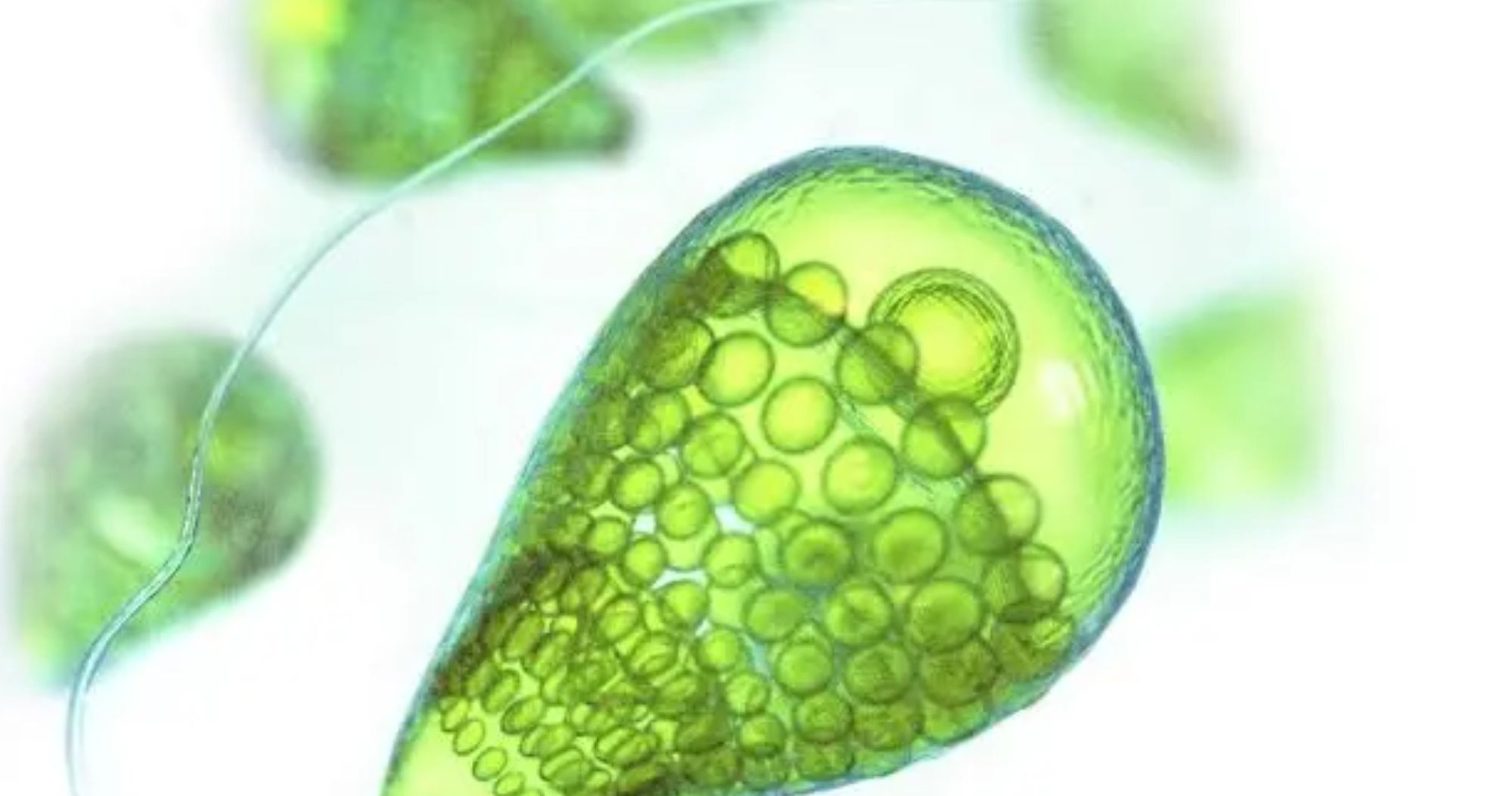
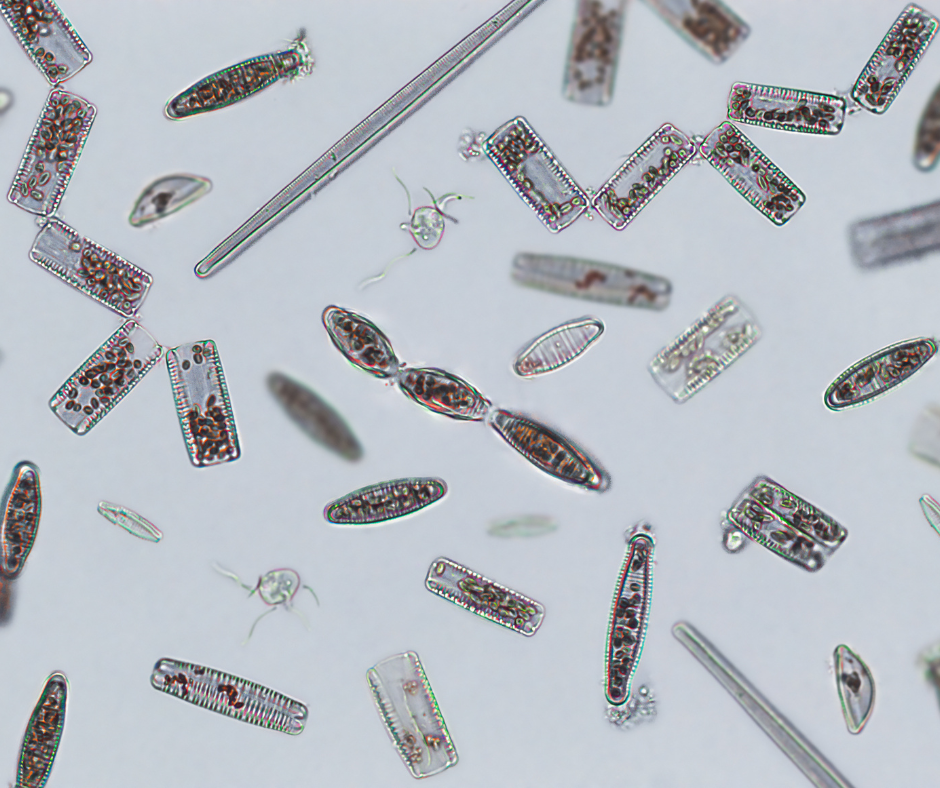
Microalgae are microscopic photosynthetic organisms that grow primarily in aquatic environments. Thanks to their ability to convert light into energy and synthesize various valuable bioactive compounds, microalgae have long been researched and applied in fields such as food, pharmaceuticals, bioenergy, and, more recently, cosmetics.
.jpg)
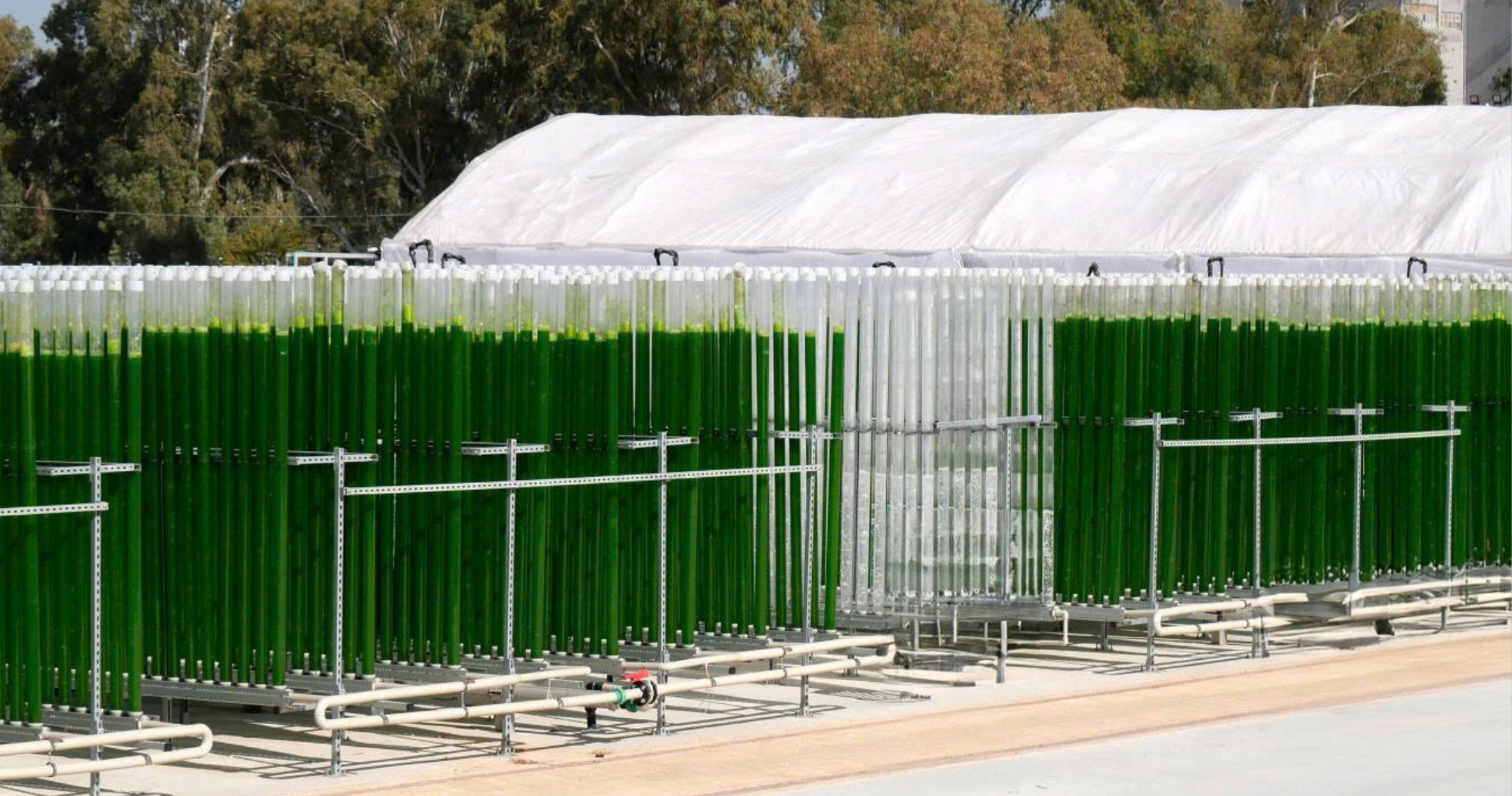
Unlike many traditional raw materials, microalgae grow rapidly and can be cultivated in controlled conditions, reducing dependence on weather, seasons, or land area, while providing a stable supply with consistent quality across production batches.
Beyond their sustainable production potential, microalgae are highly valued for their rich bioactive content. Many species contain compounds such as proteins, peptides, polysaccharides, carotenoids, chlorophyll, and phycocyanin—ingredients studied for their antioxidant properties, ability to support hydration, strengthen the skin barrier, and help improve signs of aging.
Microalgae also align with the cosmetics industry's sustainability goals. Cultivation requires less land and water than many traditional sources, and they absorb CO₂ during growth. As a result, microalgae not only meet the demand for effective ingredients but also support the development of eco-friendly products.
3. What Makes Microalgae a "Hero Ingredient"?
It is no coincidence that microalgae are increasingly appearing in modern cosmetic formulas. Along with their natural origin, this ingredient possesses many properties that simultaneously meet requirements for efficacy, safety, and manufacturing versatility.
Rich in Skin-Beneficial Bioactive Compounds
Microalgae contain numerous bioactive compounds such as proteins, peptides, polysaccharides, carotenoids, chlorophyll, and phycocyanin. These actives are studied for their antioxidant properties, ability to support hydration, strengthen the skin barrier, and help improve signs of aging. Rather than offering a single benefit, microalgae can support skincare through various mechanisms, meeting the demand for multifunctional products.
High Skin Compatibility
One of the advantages of microalgae is their high content of bio-based compounds, which enhances compatibility with the skin. When properly formulated, microalgae-derived actives can provide skincare benefits while remaining gentle, making them suitable for a wide range of users, including those with sensitive skin.
One Ingredient – Many Benefits
Current trends in cosmetic development focus on optimizing formulas with a streamlined number of ingredients while maintaining efficacy. Microalgae meet this demand perfectly by offering multiple benefits from a single source, including antioxidant support, hydration, and strengthening the skin barrier. This provides businesses with more options for creating modern skincare formulas while optimizing their research and development processes.
Aligned with Clean Beauty and Biotech Beauty trends
Beyond their proven efficacy, microalgae align perfectly with the trends shaping the cosmetic industry, such as Clean Beauty and Biotech Beauty. Cultivated under controlled conditions and utilizing biotechnology, microalgae provide a stable, transparent source of ingredients that meet the market's increasingly rigorous quality standards.
4. A solution for sustainable development in the cosmetic industry
Sustainable development has become a top priority for the cosmetic industry. Beyond creating safe and effective products, brands must now consider the origin of their ingredients, their environmental impact, and the long-term stability of their supply chains.
In this context, microalgae are emerging as a highly promising solution. Because they do not rely on arable land or specific weather conditions, microalgae can be grown in controlled systems, ensuring consistent quality and eliminating seasonal fluctuations. This model not only creates a stable supply of raw materials but also allows businesses to be more proactive in their production planning and scaling efforts.
Microalgae cultivation requires less land, absorbs CO₂ during growth, and optimizes water usage compared to many other raw material production models. These characteristics make microalgae an ideal choice for developing eco-friendly products that meet the growing consumer demand for responsible cosmetic brands.
Beyond environmental benefits, the sustainability of microalgae lies in their ability to provide a stable supply and consistent quality—crucial factors that help businesses minimize supply chain risks, shorten product development cycles, and ensure production efficiency when scaling for commercialization.
5. Key applications of microalgae in cosmetics
Skincare
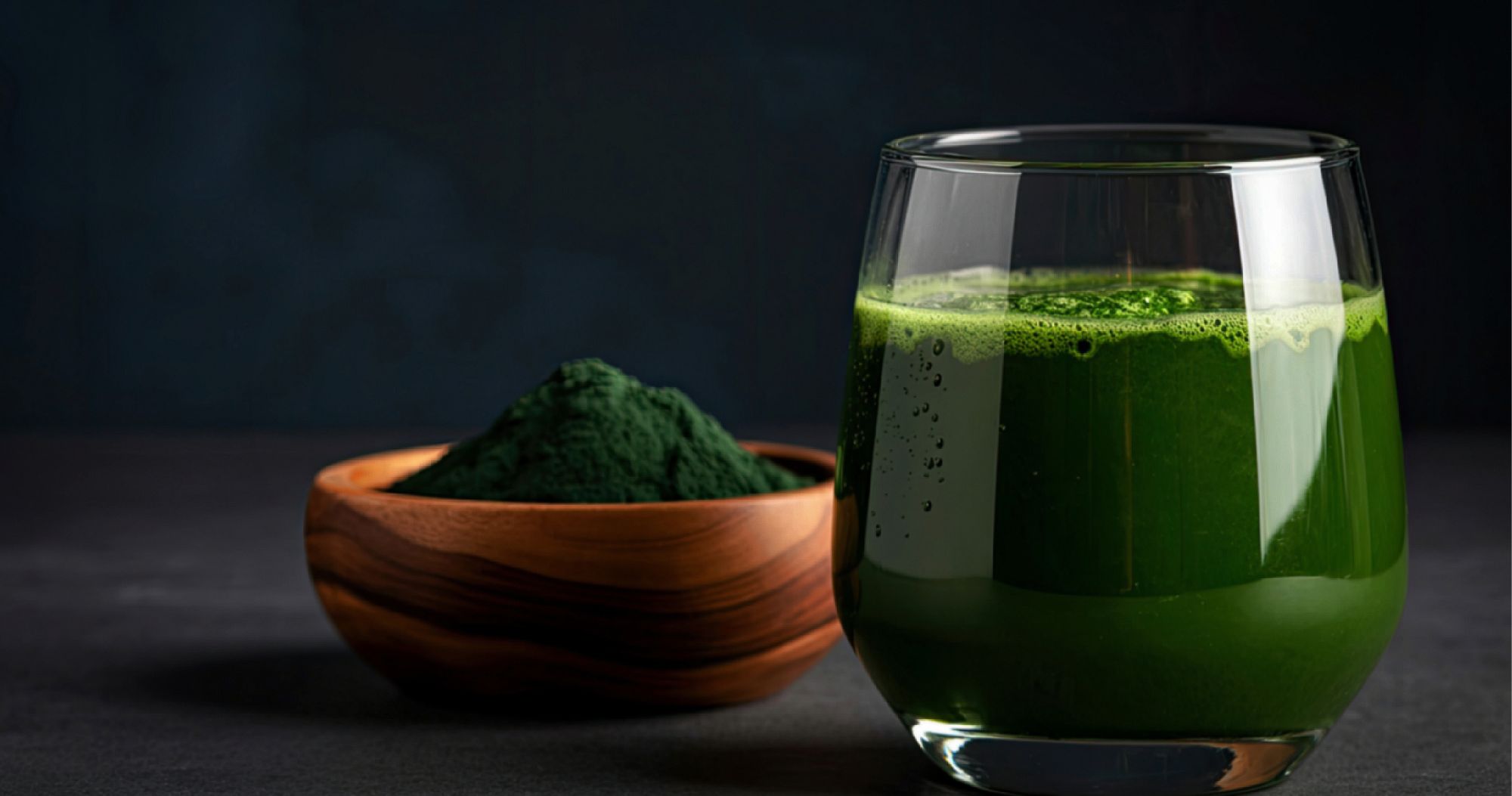
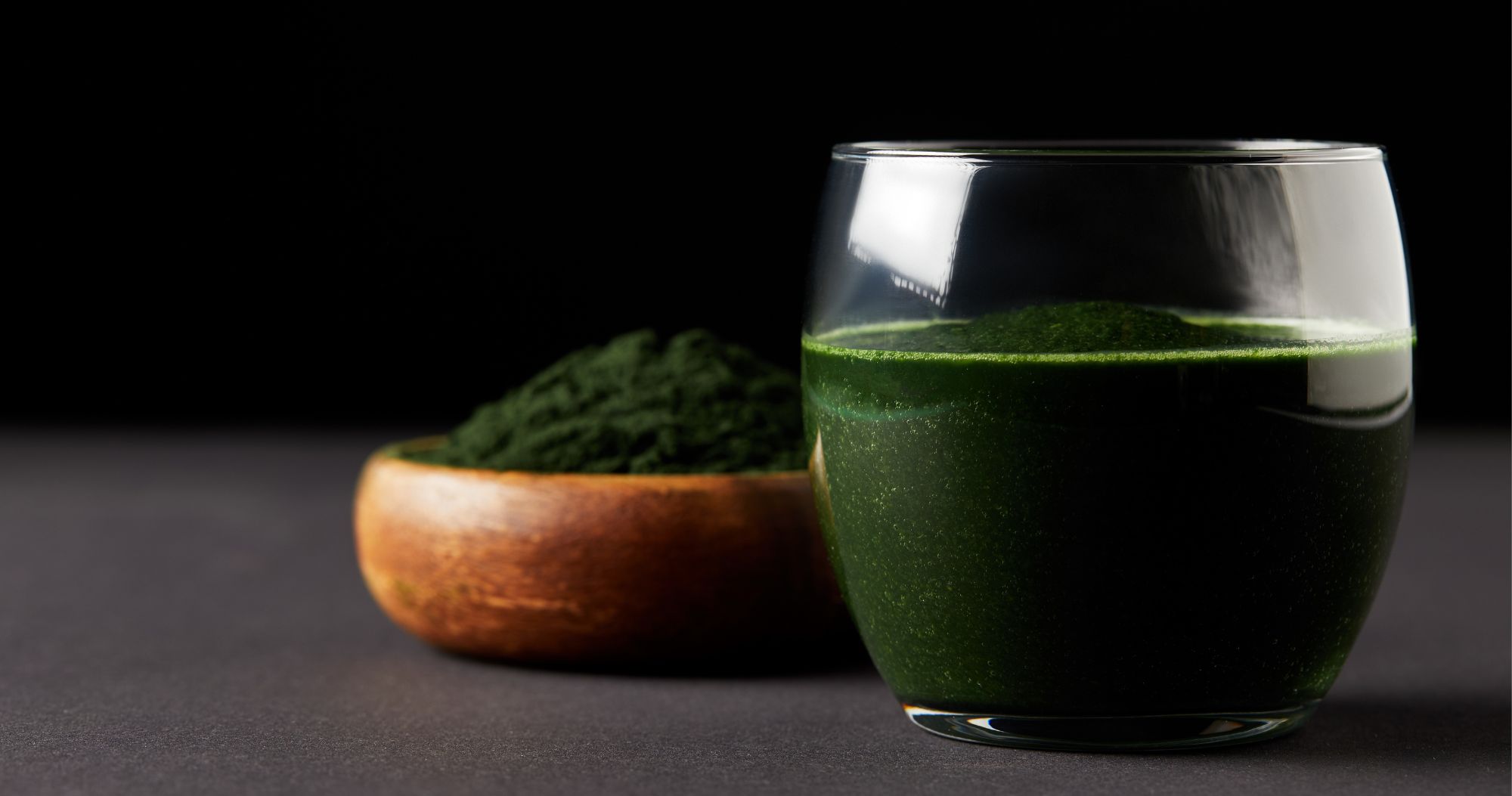
This is the most common application for microalgae. Active ingredients derived from microalgae are frequently added to serums, creams, masks, and essences to provide antioxidant support, hydration, barrier reinforcement, and anti-aging benefits. Notably, ingredients like Spirulina and Phycocyanin are being researched and utilized by many brands in next-generation skincare lines.

Haircare
Beyond skincare, microalgae are also used in haircare products such as shampoos, conditioners, hair masks, and serums. Rich in proteins and bioactive compounds, microalgae help nourish hair, improve strength, and protect it from environmental stressors.

Color cosmetics
Certain active ingredients from microalgae are also used in color cosmetics to meet the demand for natural-origin ingredients. In particular, Phycocyanin—a blue pigment extracted from Spirulina—is gaining attention as a natural colorant, opening up significant potential for developing Clean Beauty-oriented cosmetic lines.
6. Conclusion
The rise of Clean Beauty, Biotech Beauty, and Sustainable Beauty is ushering in a new era for the cosmetic industry, where brands seek not only natural ingredients but also efficacy, stability, and sustainability. With their rich bioactive content, versatile applications, and eco-friendly production model, microalgae are establishing themselves as a key ingredient in shaping next-generation skincare formulas.
Why hesitate to become a pioneer in the microalgae-based cosmetic trend? Through our development of Spirulina and Phycocyanin-based ingredient solutions, TA Vital is here to help your business create products that perfectly align with Clean Beauty, Biotech Beauty, and Sustainable Beauty standards.



.png)
.png)



.jpg)






.jpg)

.jpg)


.jpg)


.png)
.png)
.jpg)
.jpg)







.jpg)

.jpg)


.jpg)
.jpg)


.jpg)



.jpg)




.png)





.jpg)



.jpg)