One of the reasons Spirulina is often rated as “easy to use”, “light” or “suitable for a wide range of audiences” is not due to its formulation or advertising, but rather to its very special cellular structure.
When comparing spirulina to familiar plants or marine algae, the difference lies not only in habitat or color, but more deeply in how cells are structured and resolved in the human digestive system. This makes Spirulina a rare biological advantage in everyday life.
Plant cell structure is solid but difficult to resolve
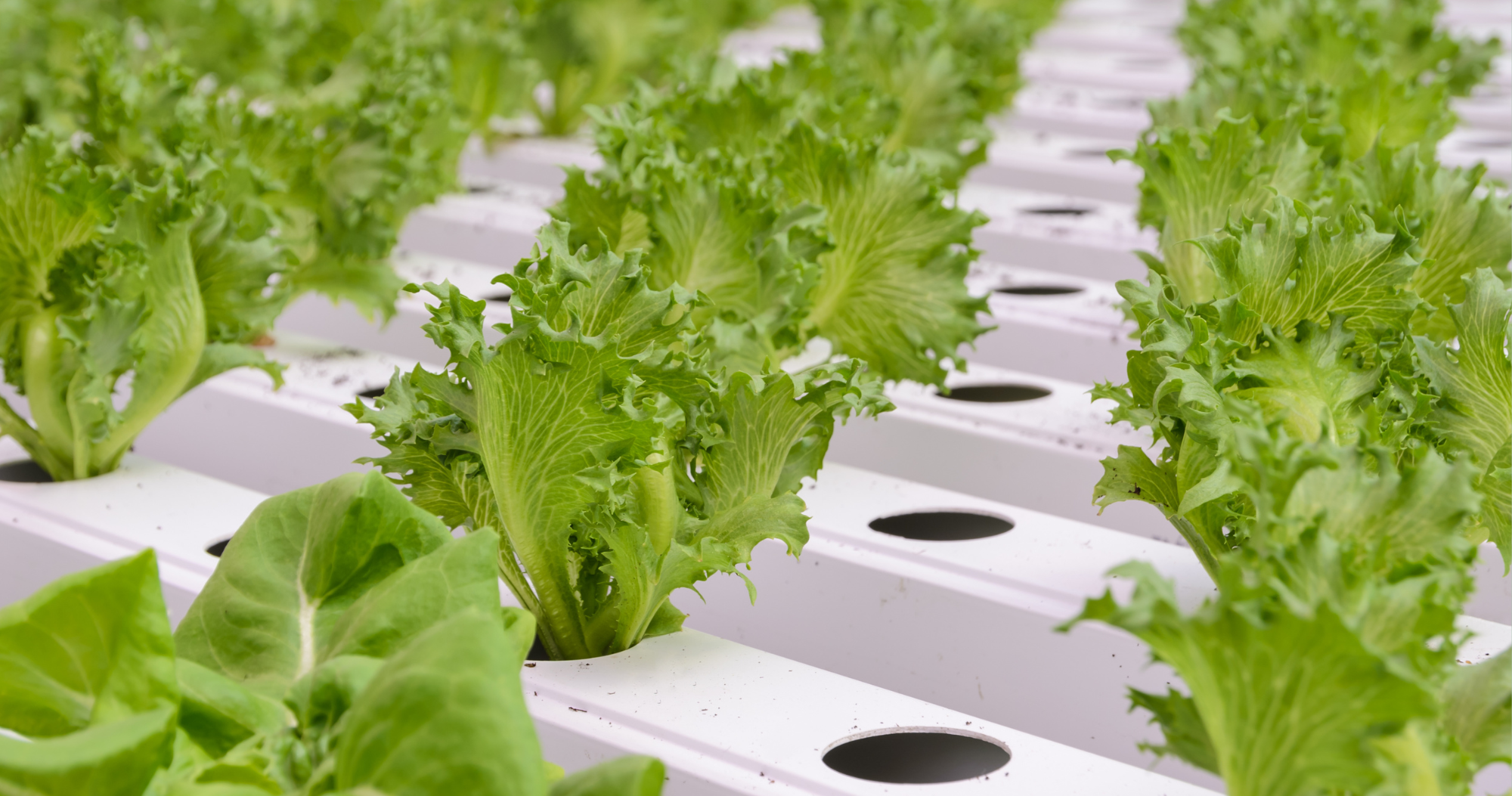
In plants, the cell is surrounded by into cellulose - a sustainable form of polysaccharide, which is responsible for protecting and keeping the shape of the plant. This cellulose wall is very valuable to the digestive system as a fiber, but at the same time it is also a barrier to many nutrients inside the cell not easy to be completely released.
This is exactly why greens often need to be thoroughly chewed, cooked or processed properly so that the body can better absorb the microelements inside.
Spirulina cell structure: simple and “open”
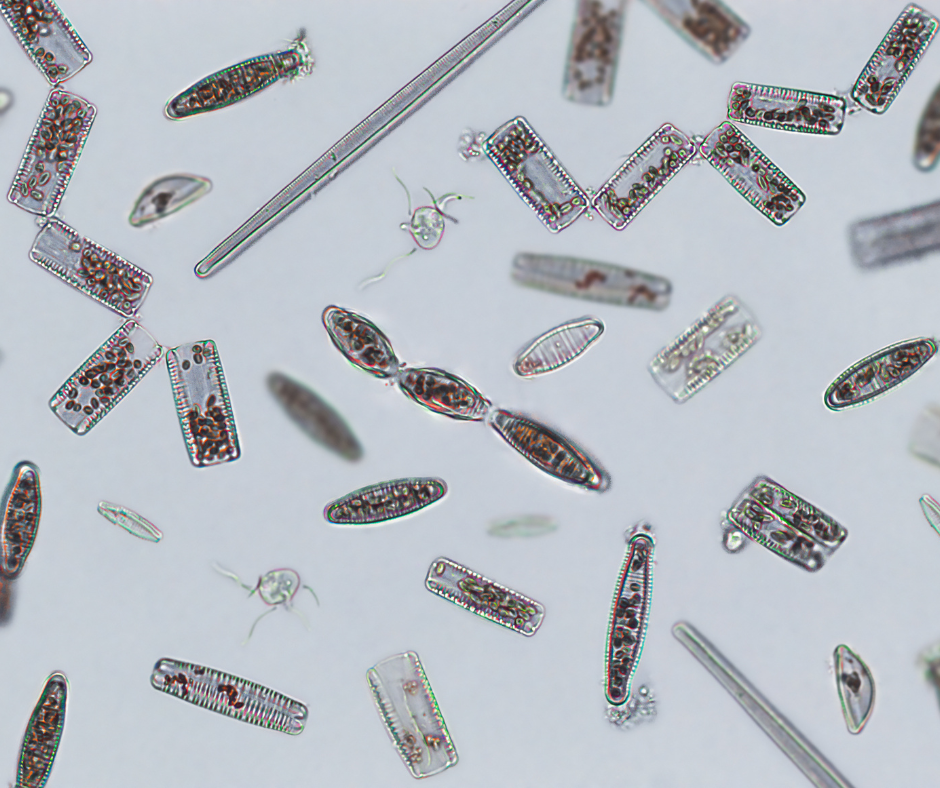
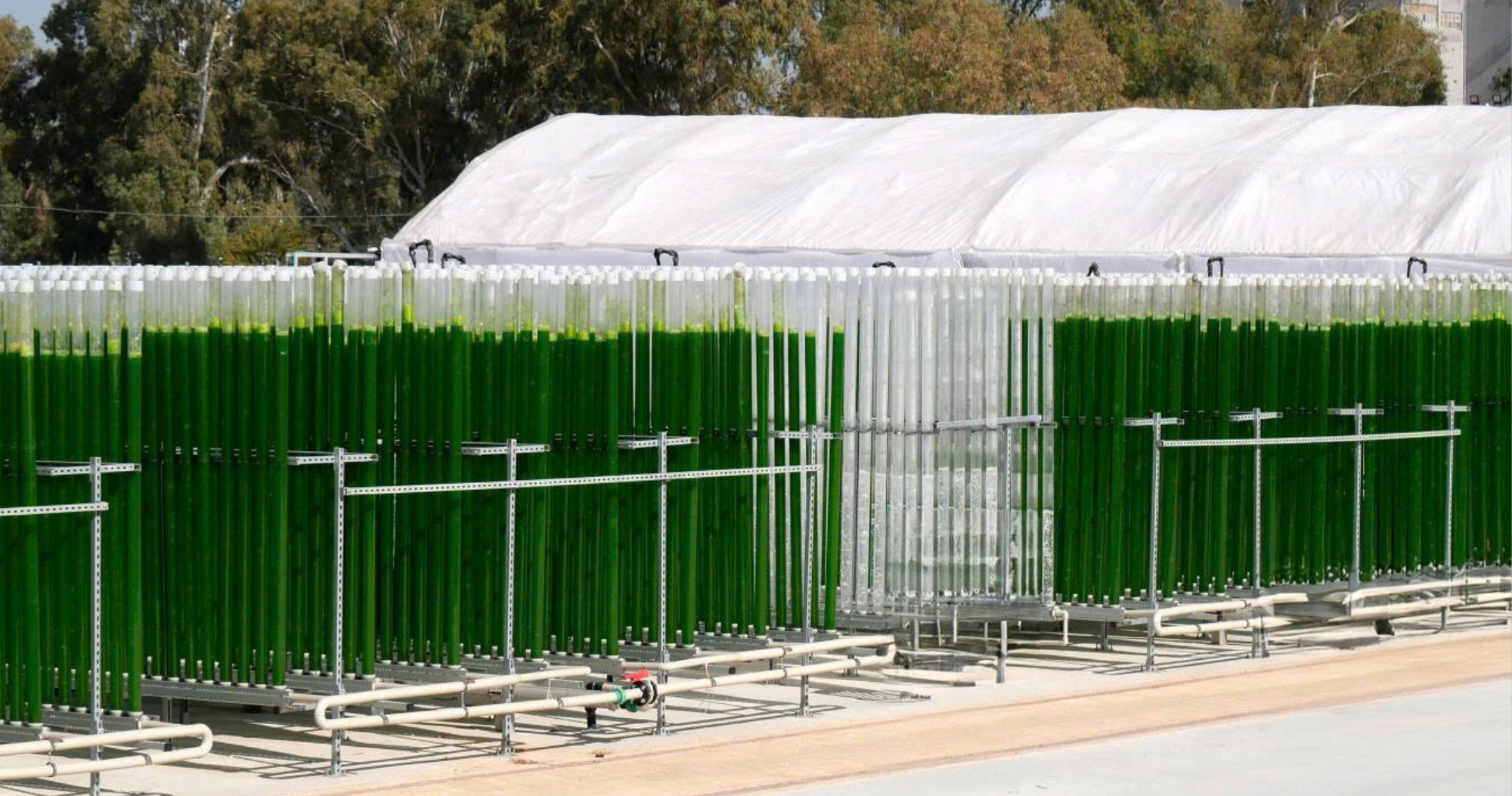
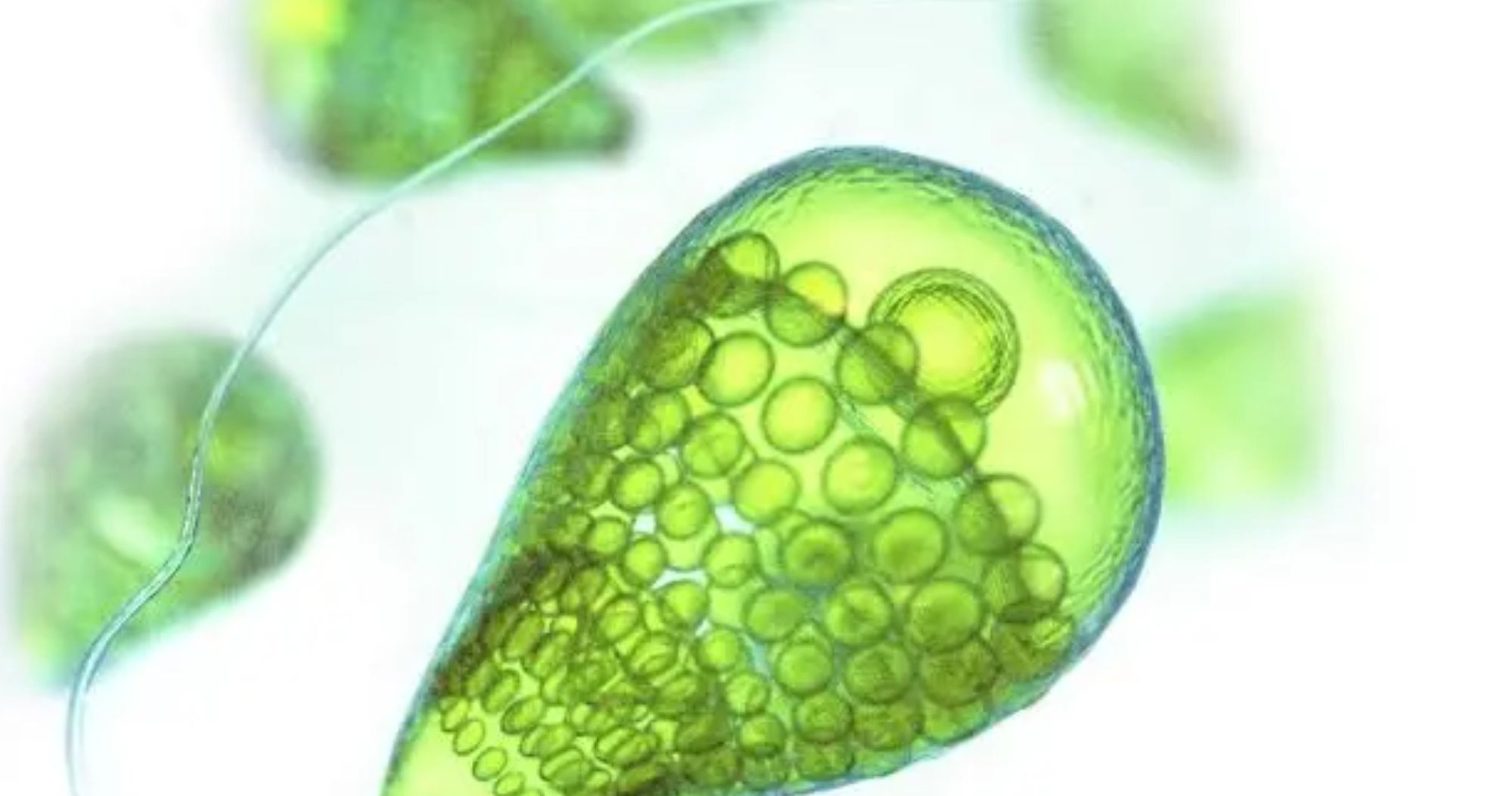
Spirulina belongs to the group cyanobacteria (Cyanobacteria), so its cellular structure is much simpler than that of plants or marine algae. Spirulina does not have a true nucleus and, in particular, does not have a hard cellulose cell wall.
The cell wall of Spirulina is mainly composed of easily soluble polysaccharides, capable of being broken down quickly in the digestive environment. This helps the components inside the cell to be released early, rather than having to wait for prolonged crushing or degradation.
It is this characteristic that makes Spirulina considered one of the photosynthetic organisms with a high biological “open” ability, that is, nutrients are more accessible to the human body.
Why does this structure make spirulina easy to absorb?
When a food enters the body, the level of absorption depends not only on the nutritional composition, but also on the cellular barrier that surrounds that nutrient.
In Spirulina, due to the thin cell wall and no cellulose, enzymes digest:
- No need to break the rigid structure
- Do not spend a lot of energy to access nutrients
This makes the digestion process fast and easy, especially suitable for the modern rhythm of life, where many people eat fast, chew little or have a sensitive digestive system.
Less abdominal heaviness: consequences of cellular structure
The feeling of “heaviness in the stomach” after eating is usually associated with:
- Indigestible foods
- High insoluble fiber composition
- Difficult cell structure to resolve
Spirulina, thanks to its simple cellular structure, usually does not exert great pressure on the digestive system, especially when taken in small doses. This does not mean that Spirulina replaces meals, but suggests that it is suitable for the role of supplementary microsubstrate.
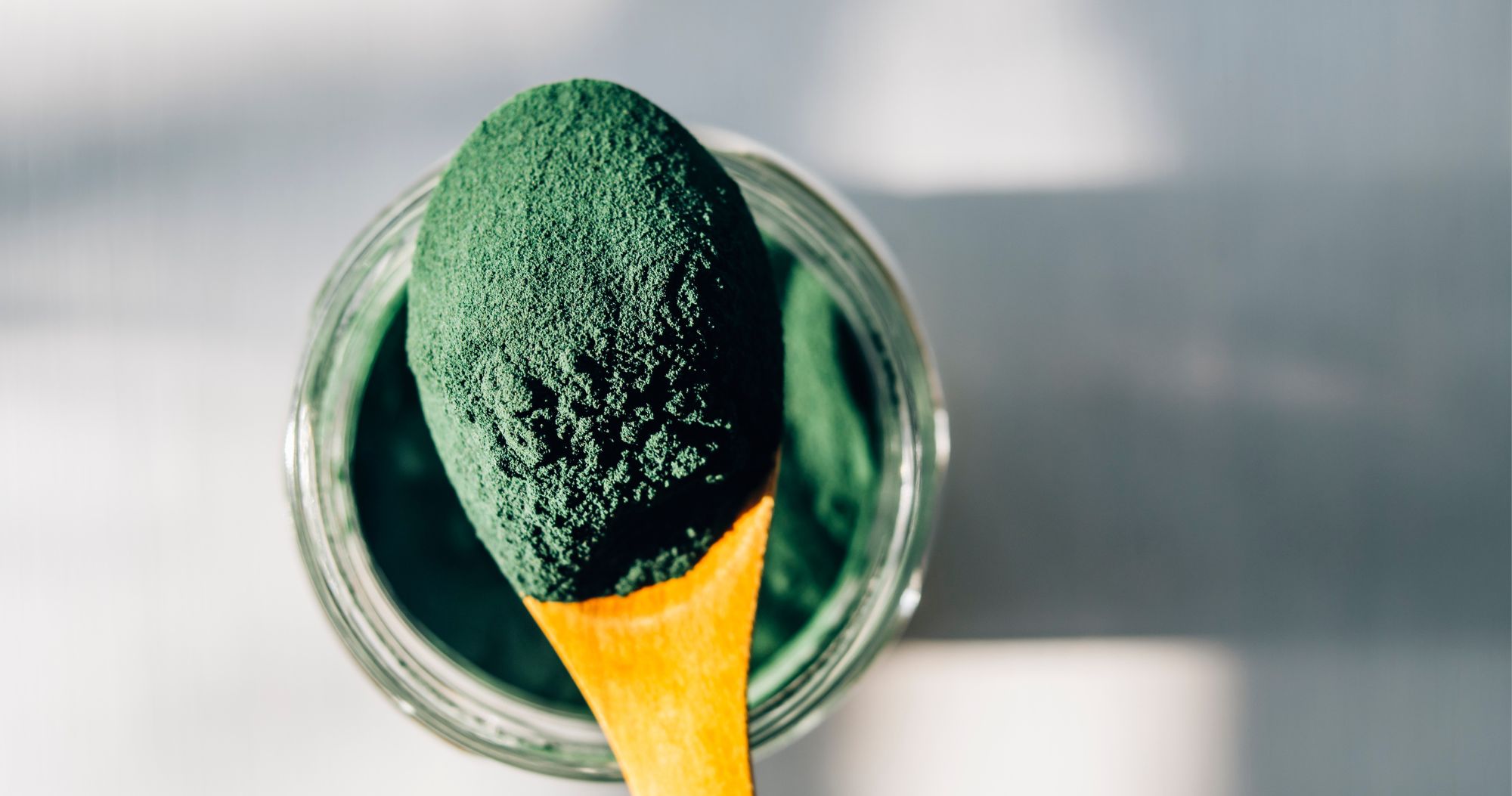
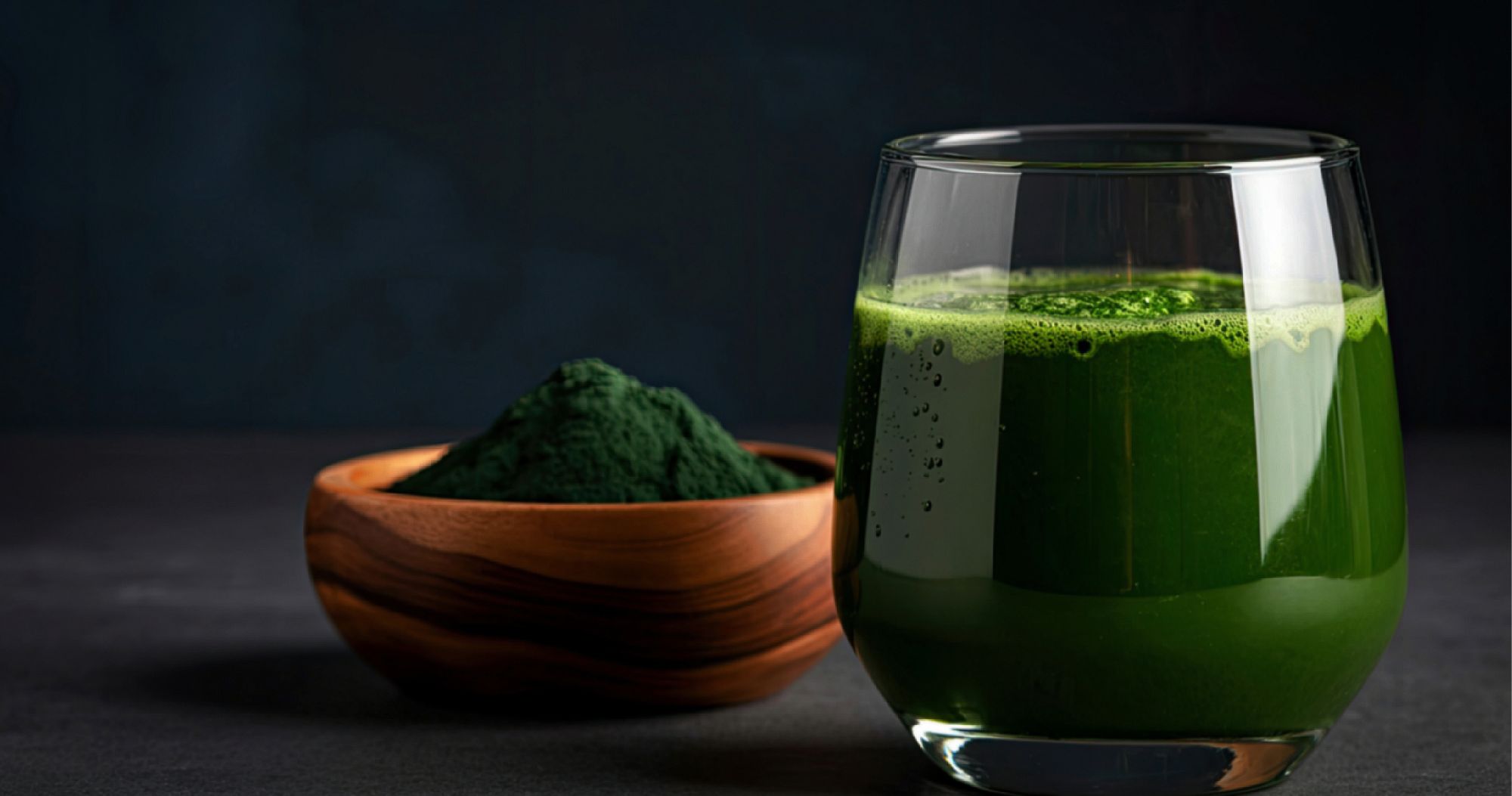
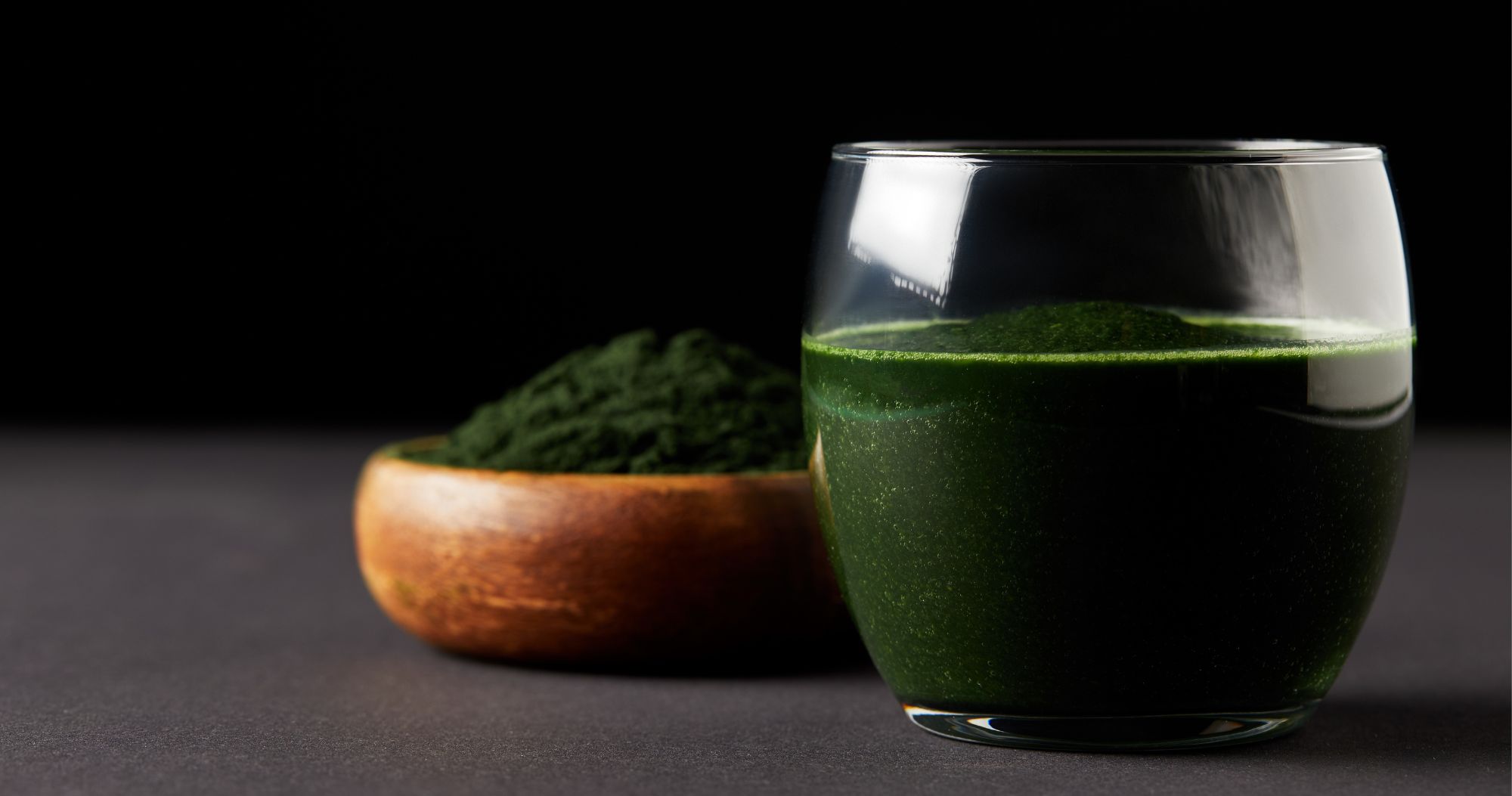
This difference also explains why Spirulina is usually used as a fine powder or tablets/capsules, rather than having to go through many complicated treatments.
What does the cell structure reflect about the nature of Spirulina?
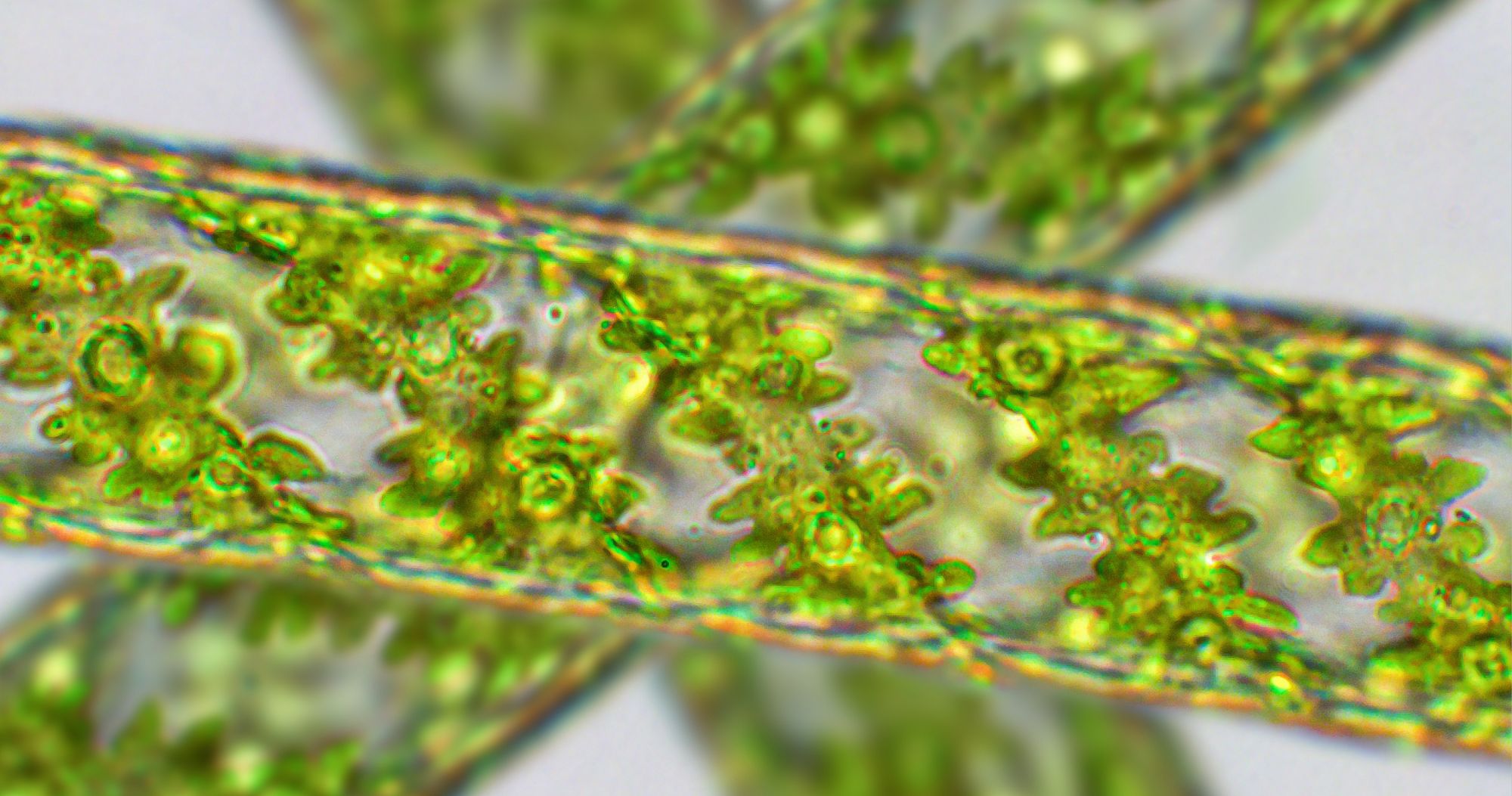
When viewed broadly, Spirulina's cellular structure reflects its evolutionary nature. As an ancient photosynthetic organism, Spirulina survives and thrives in harsh environments without the thick protective structure like modern plants.
Instead, it optimizes light absorption, fast metabolism, and efficient energy accumulation. This makes Spirulina one of the best examples for simplifying structure but still achieving high biological performance.
Brief comparison to avoid confusion
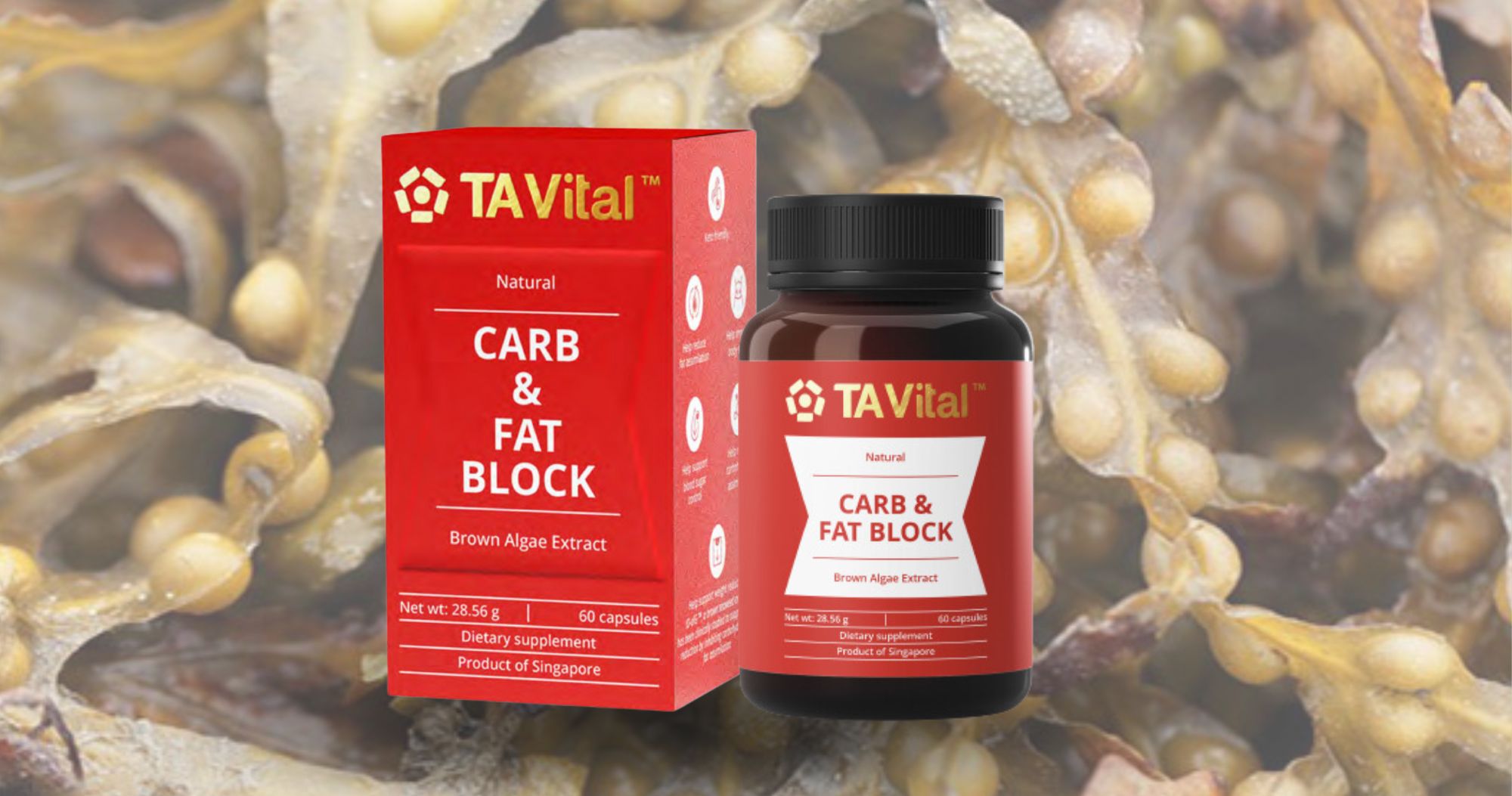
When placing Spirulina next to plants and marine algae, the difference is not in “better” or “worse”, but in the biological purpose and how the body interacts with each.
Plants provide long-term fiber and nutrients. Marine algae provide specific minerals and compounds. Spirulina, with its simple cellular structure, is suitable for the role of fast, compact and accessible supplement in the expectation of daily life.
Learn about the product TA Spirulina.

.png)
.png)


.jpg)




.jpg)
.jpg)



.jpg)


.png)
.png)
.jpg)
.jpg)





.jpg)

.jpg)


.jpg)
.jpg)


.jpg)



.jpg)




.png)




.jpg)



.jpg)