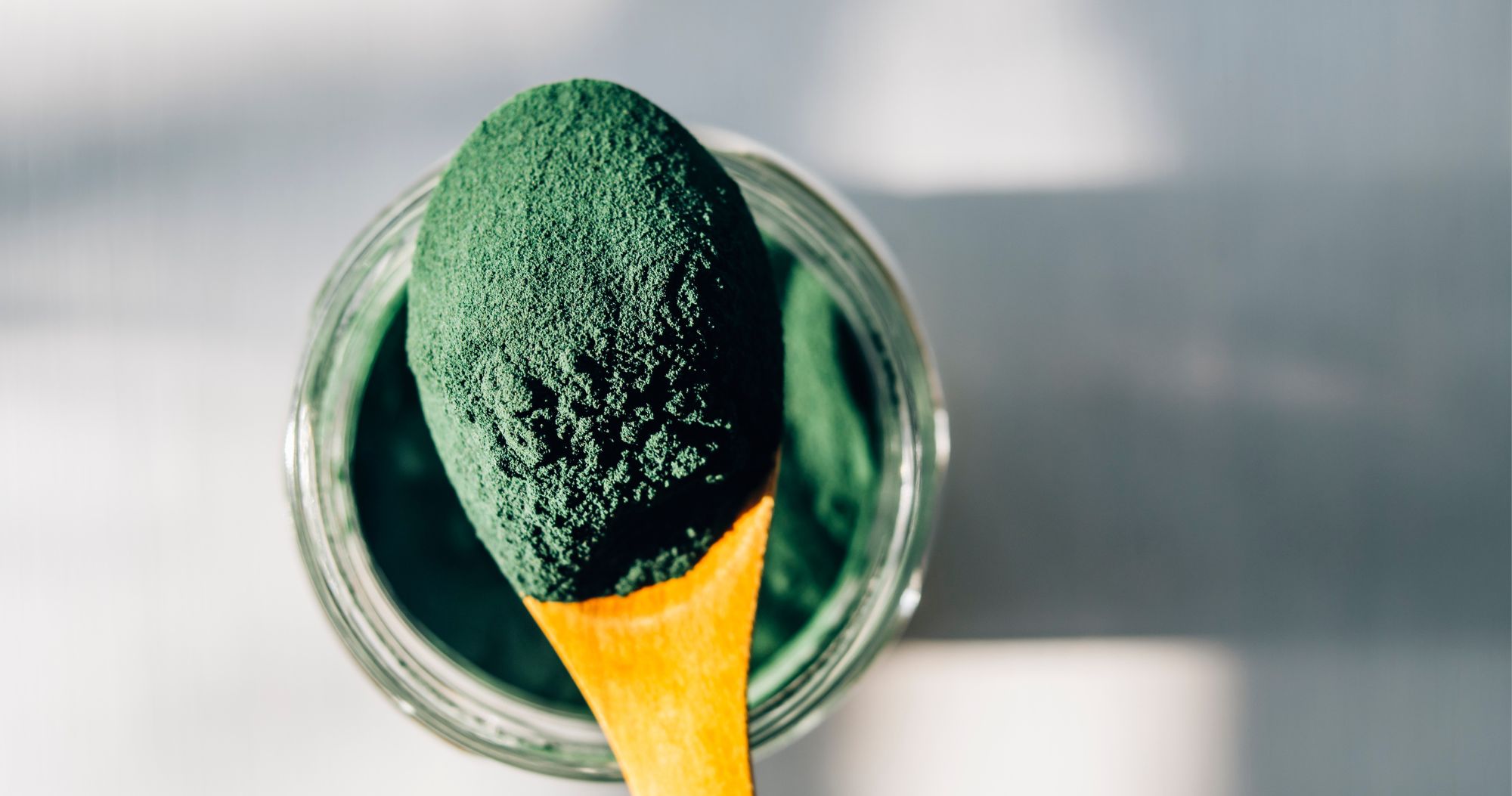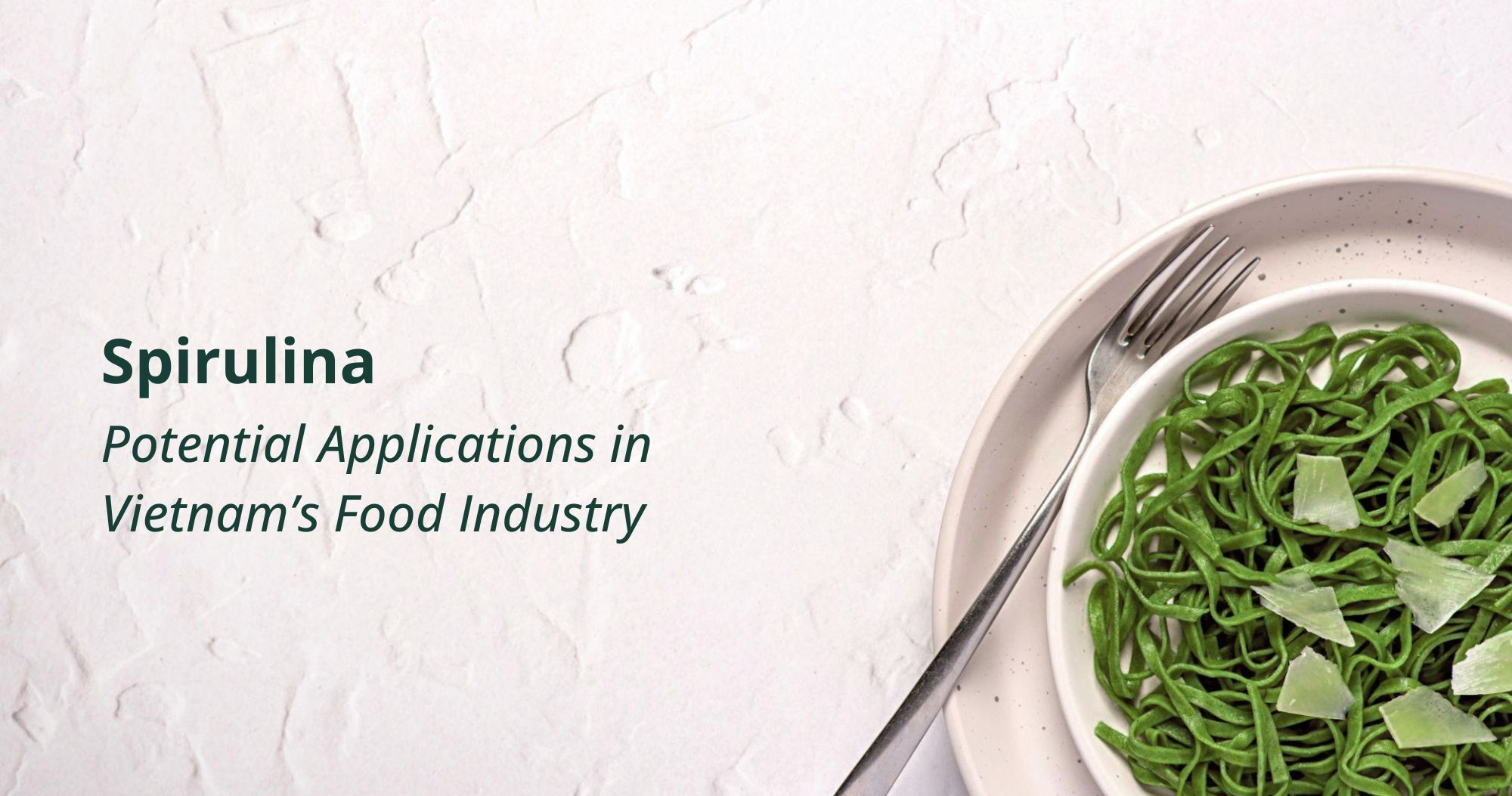
For years, Spirulina was primarily known as algae powder or nutritional supplements. However, the scope of its application is expanding as the food industry seeks ingredients that offer both nutritional value and the potential to differentiate products.
From beverages, nutritional products, snacks, and bakery items to innovative food formulations, Spirulina is being researched and applied in a wide variety of forms. This raises a significant question for F&B businesses in Vietnam: How can Spirulina be leveraged in product development?
1. What is Spirulina?
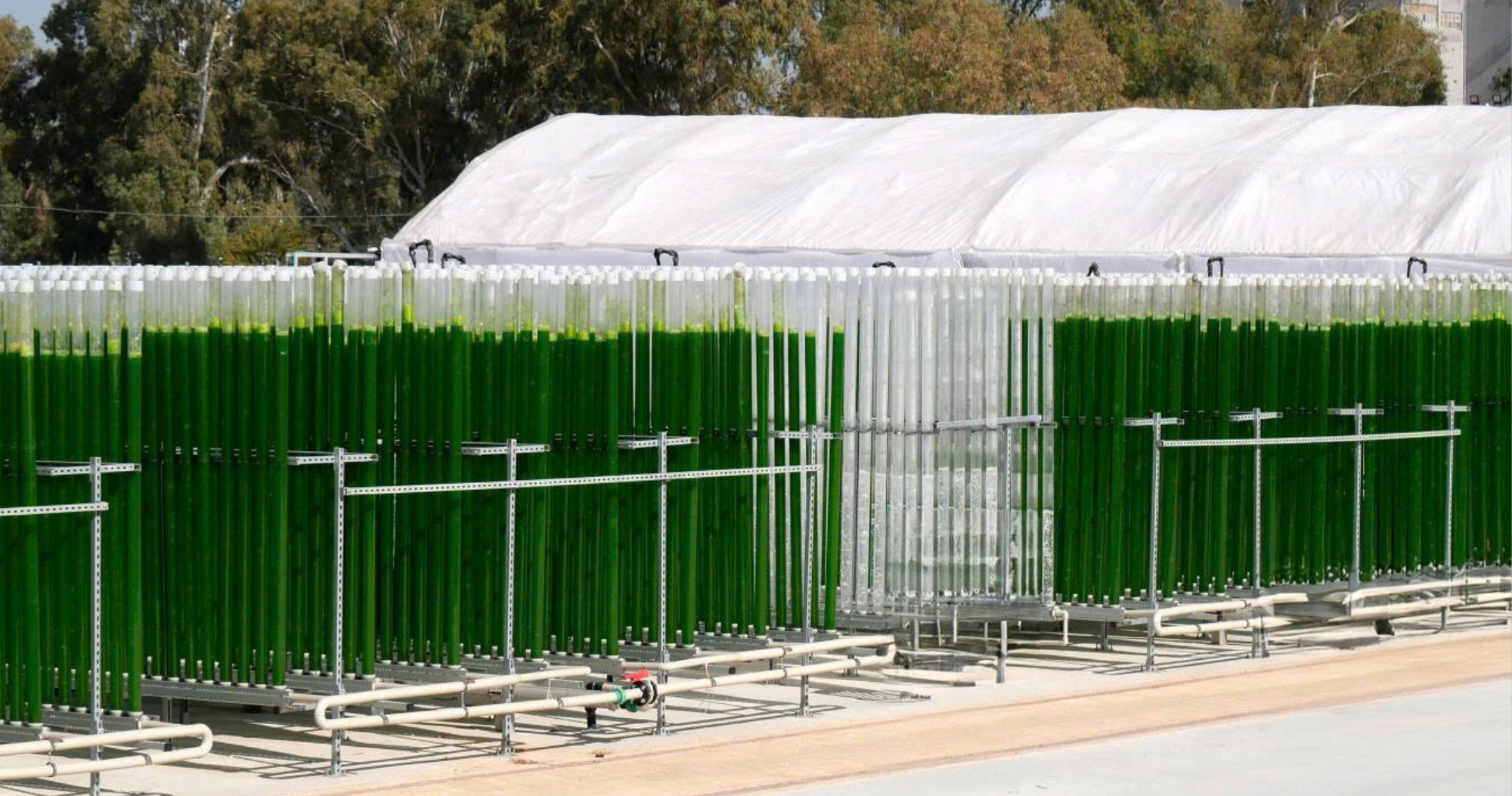
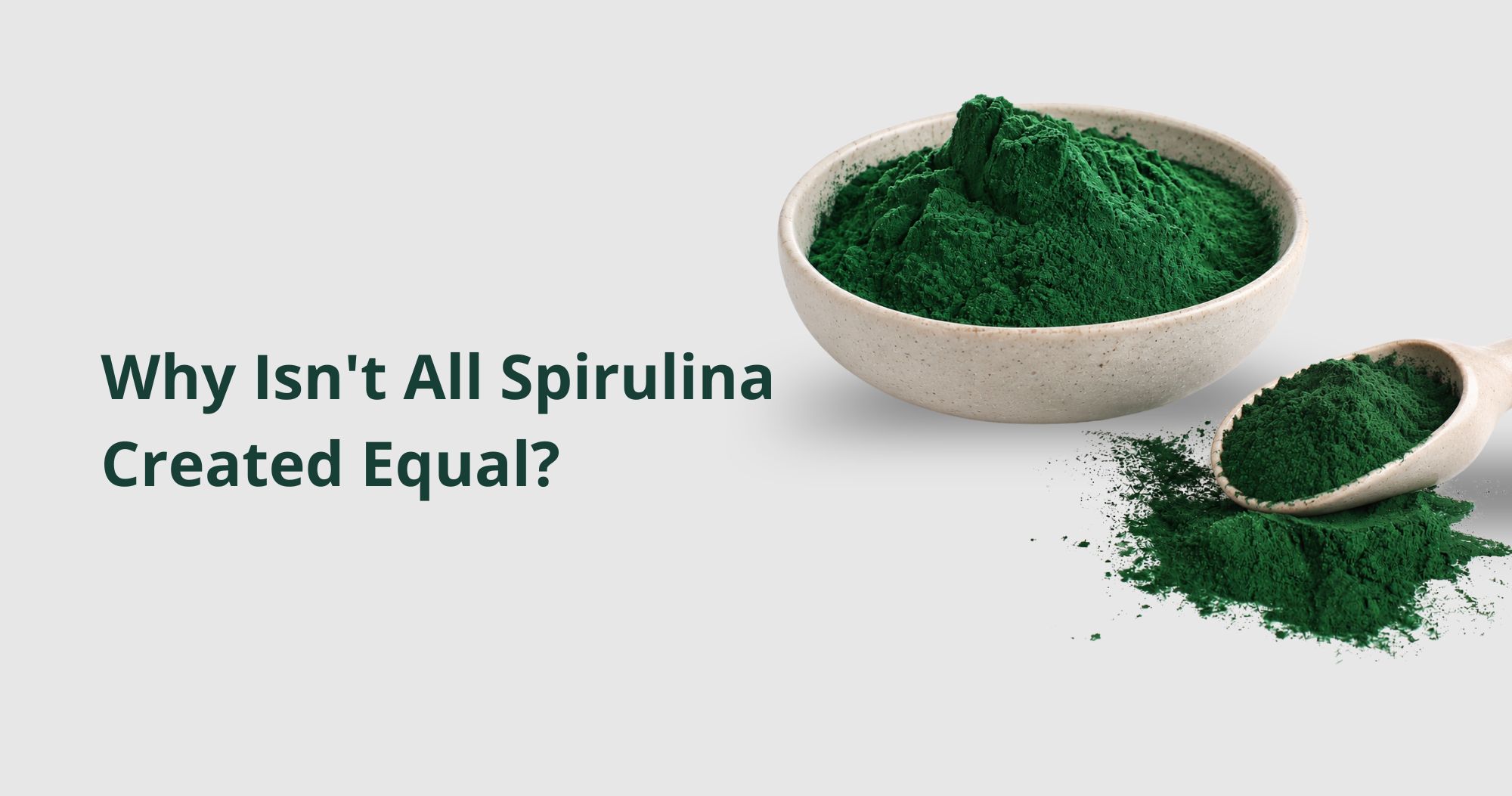
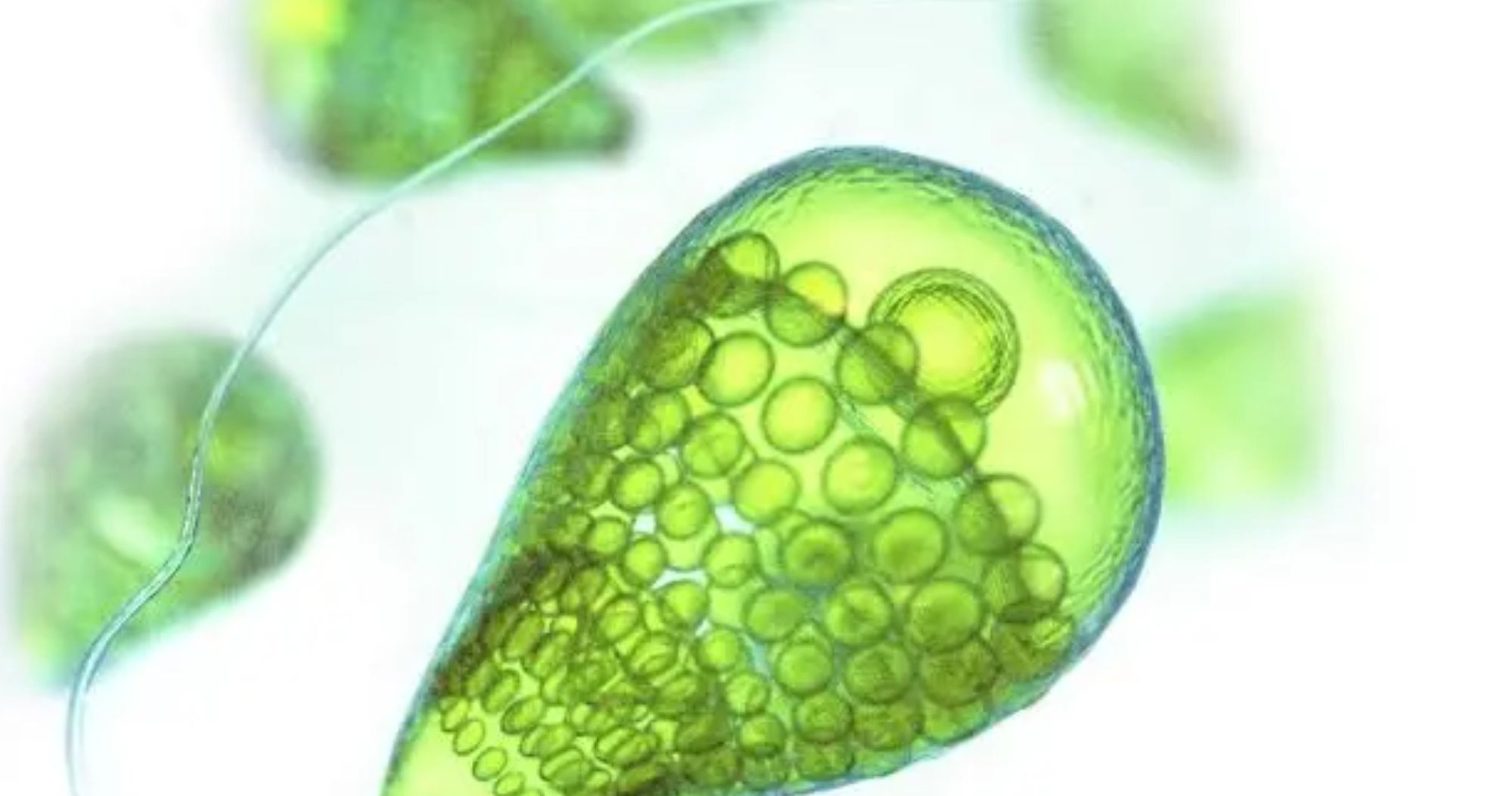
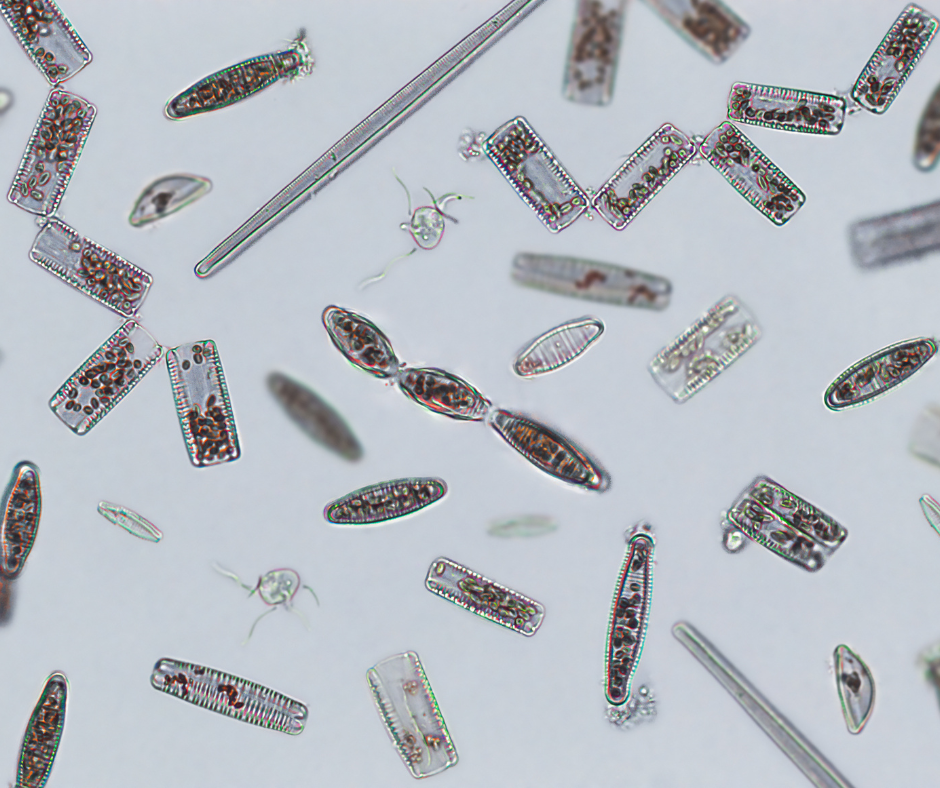
Spirulina is the common name for Arthrospira biomass, a type of photosynthetic microorganism belonging to the cyanobacteria group, often referred to in the food industry as a microalgae ingredient.
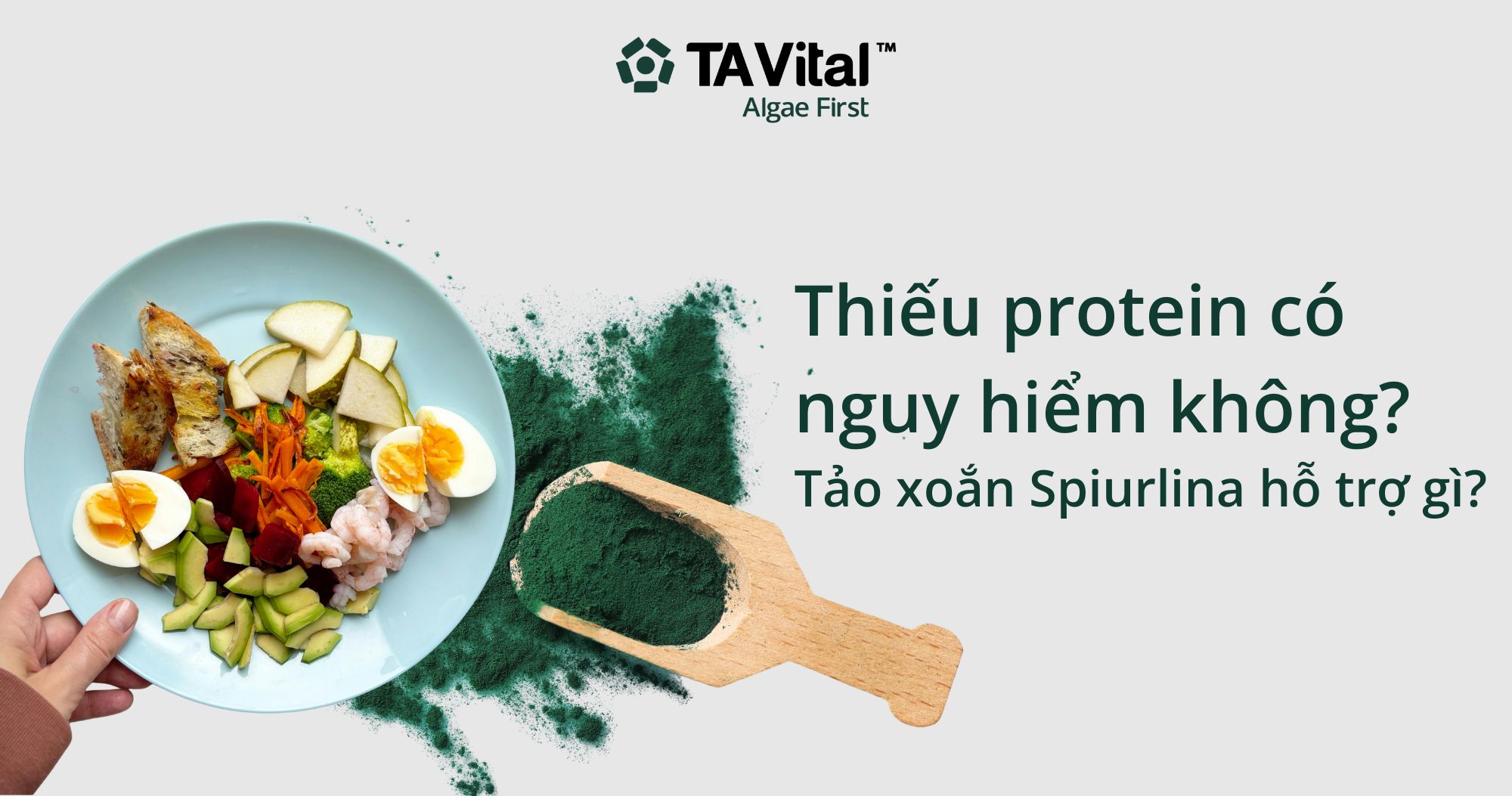
One of the standout characteristics of Spirulina is its high protein content. Recent comprehensive studies indicate that Spirulina's protein content typically ranges from 50–60% of its dry weight, alongside components such as fatty acids, pigments, and various other bioactive compounds.
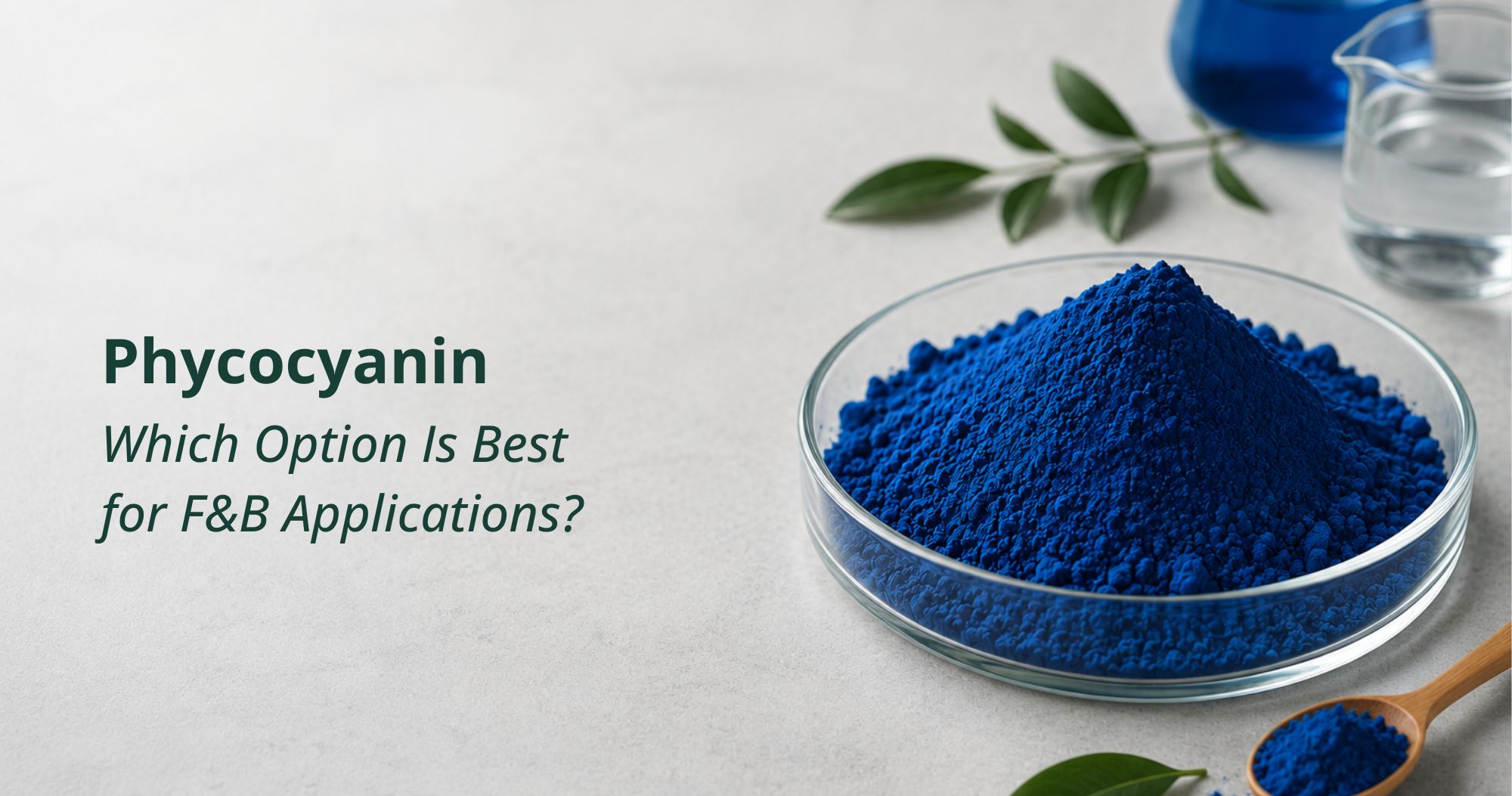
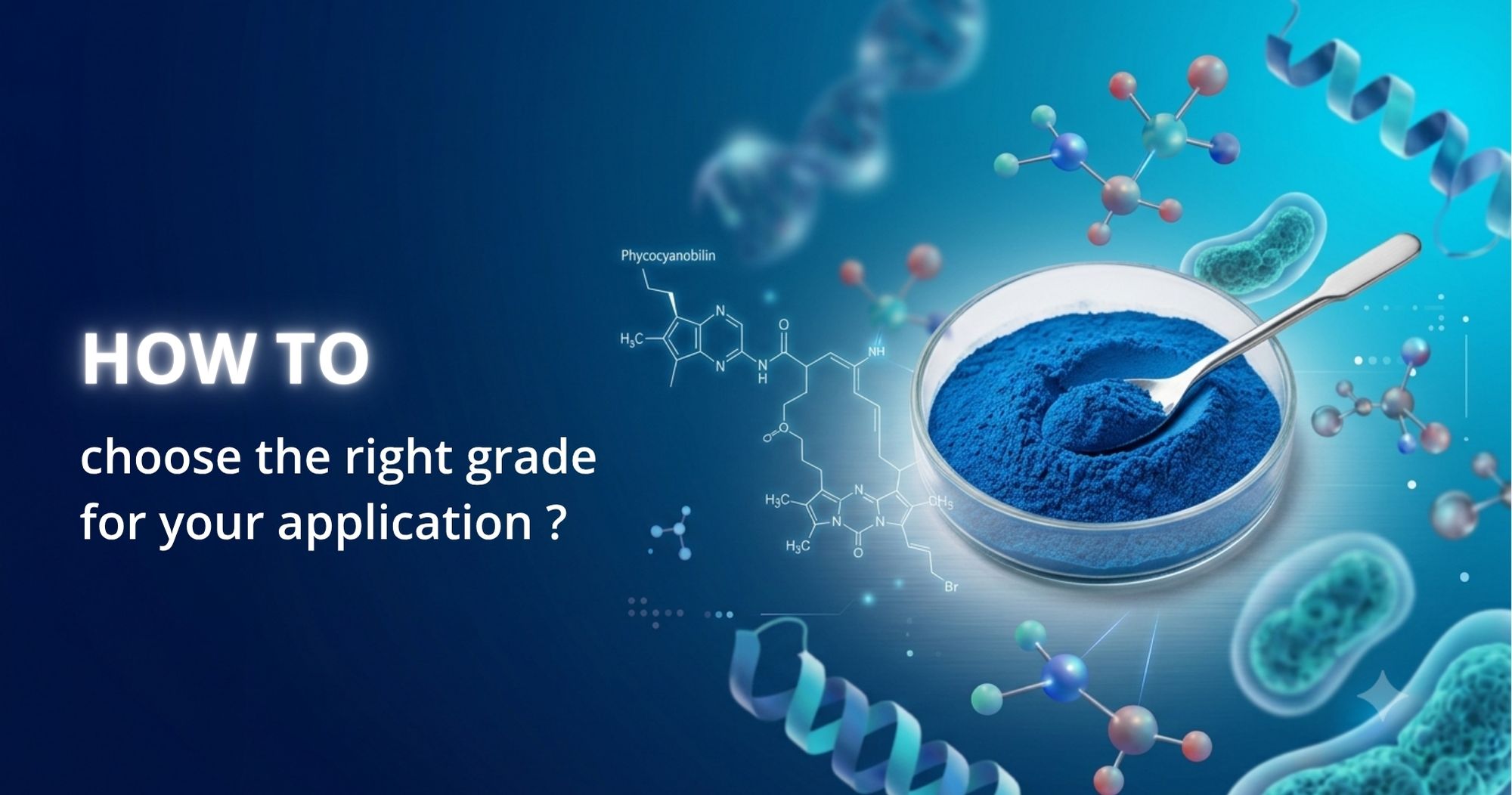
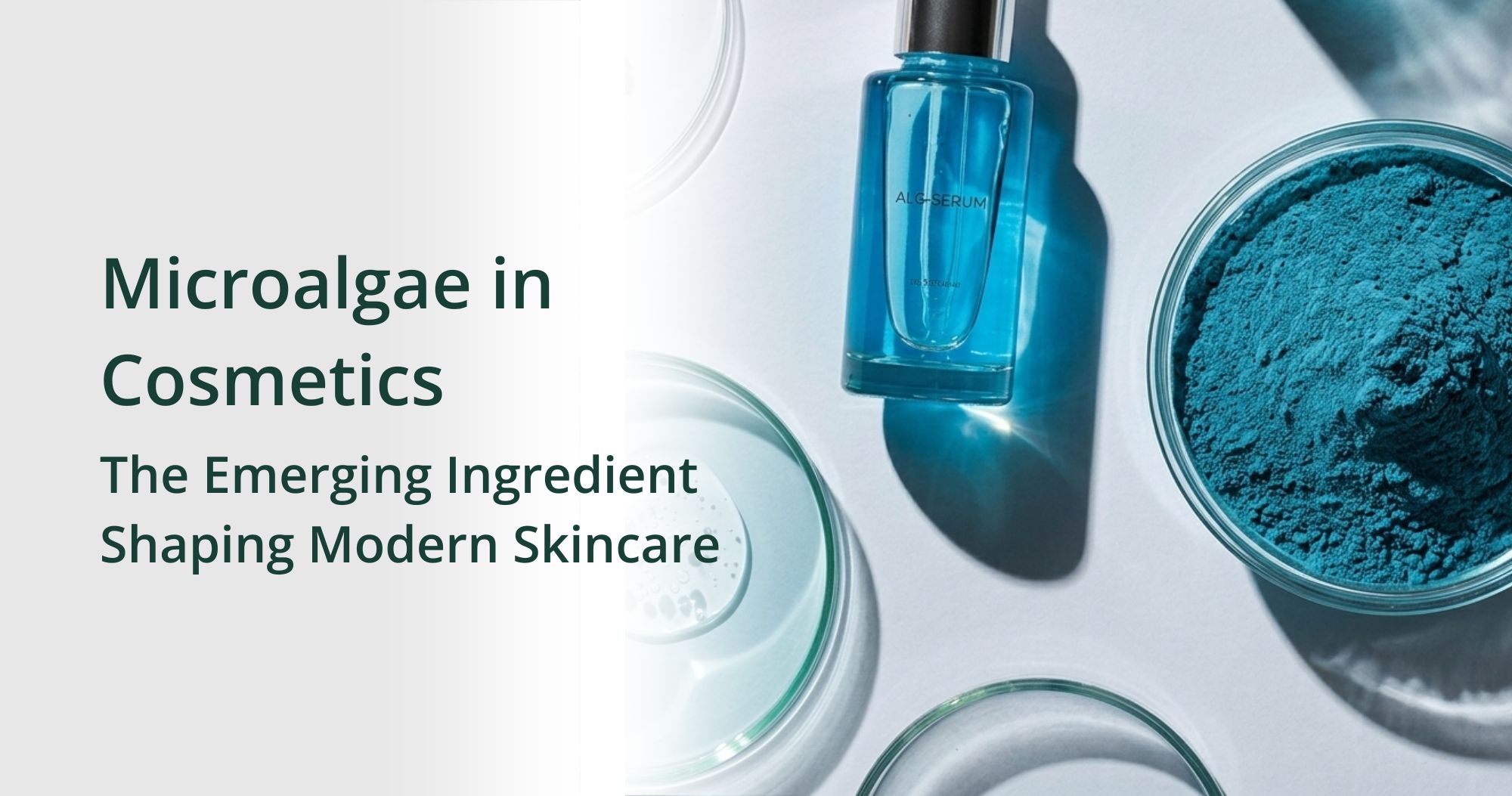
Among these, phycocyanin – a pigment extracted from Spirulina with a distinctive blue color – is one of the components receiving significant attention in food research and application.
It is this compositional structure that makes Spirulina not just a simple supplement, but also a subject of research as an ingredient for functional foods, alternative protein sources, and novel food products.
2. Why is Spirulina gaining increasing attention in the food industry?
The interest in Spirulina can be viewed from three main perspectives.
First is its nutritional value. Its relatively high protein content makes Spirulina a candidate for research in formulations aimed at enhancing nutritional profiles or developing new protein sources.
Second is its natural color. In addition to the characteristic green color of Spirulina biomass, phycocyanin extracted from Spirulina provides a natural blue color and has been researched and applied in various food product categories.
Third is the potential to develop products with a unique ingredient story. As businesses seek new ingredients for functional foods, plant-based foods, or nutrition-oriented products, Spirulina offers an additional option for R&D teams to explore.
Therefore, the value of Spirulina does not necessarily lie in a single function. Depending on the ingredient type and formulation, businesses can approach Spirulina from the perspective of nutrition, protein, color, or new product development.
3. What food products can Spirulina be applied to?
Research into the application of Spirulina in food has expanded across a wide range of product bases.
Beverages and nutritional products
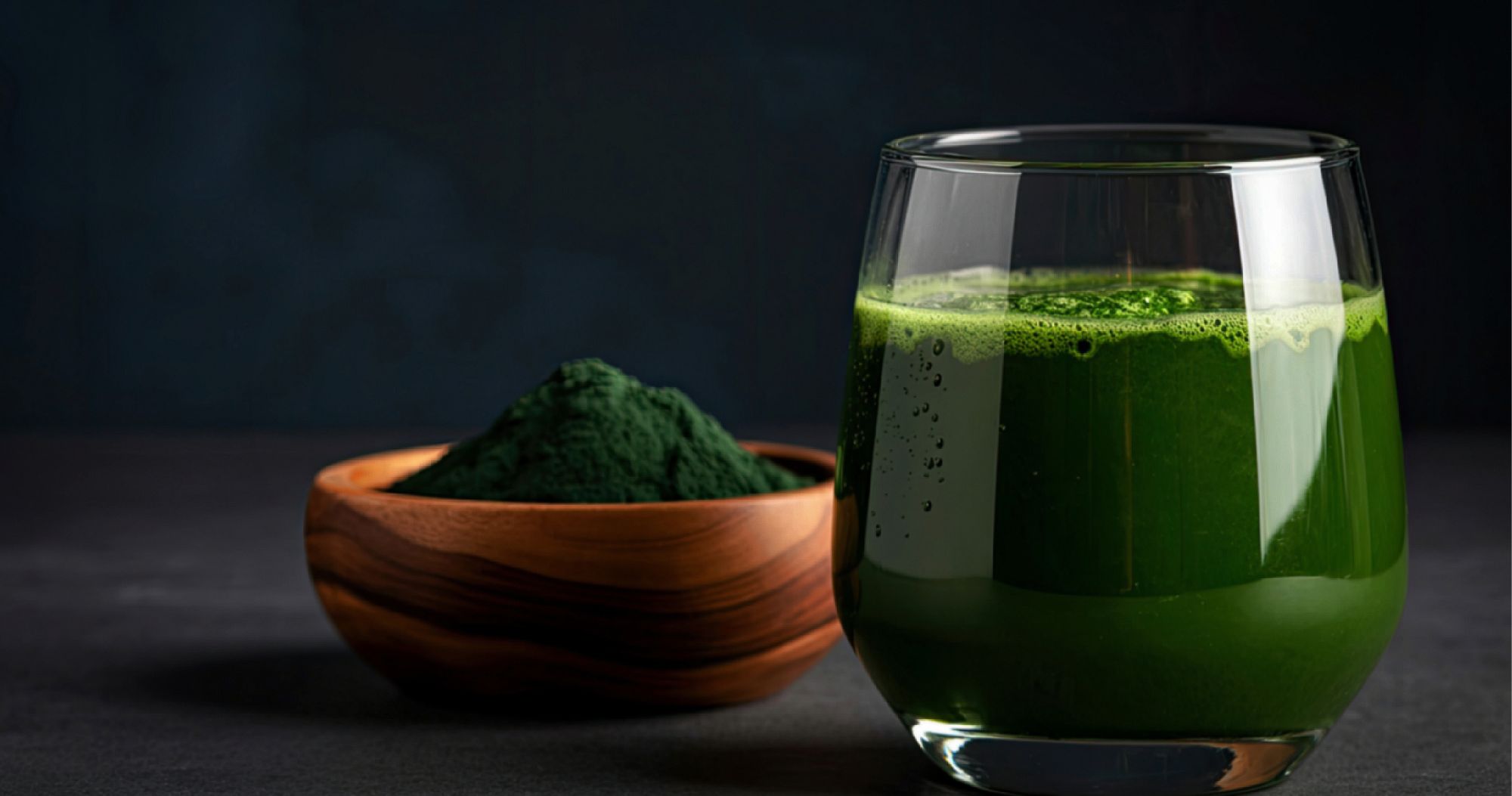
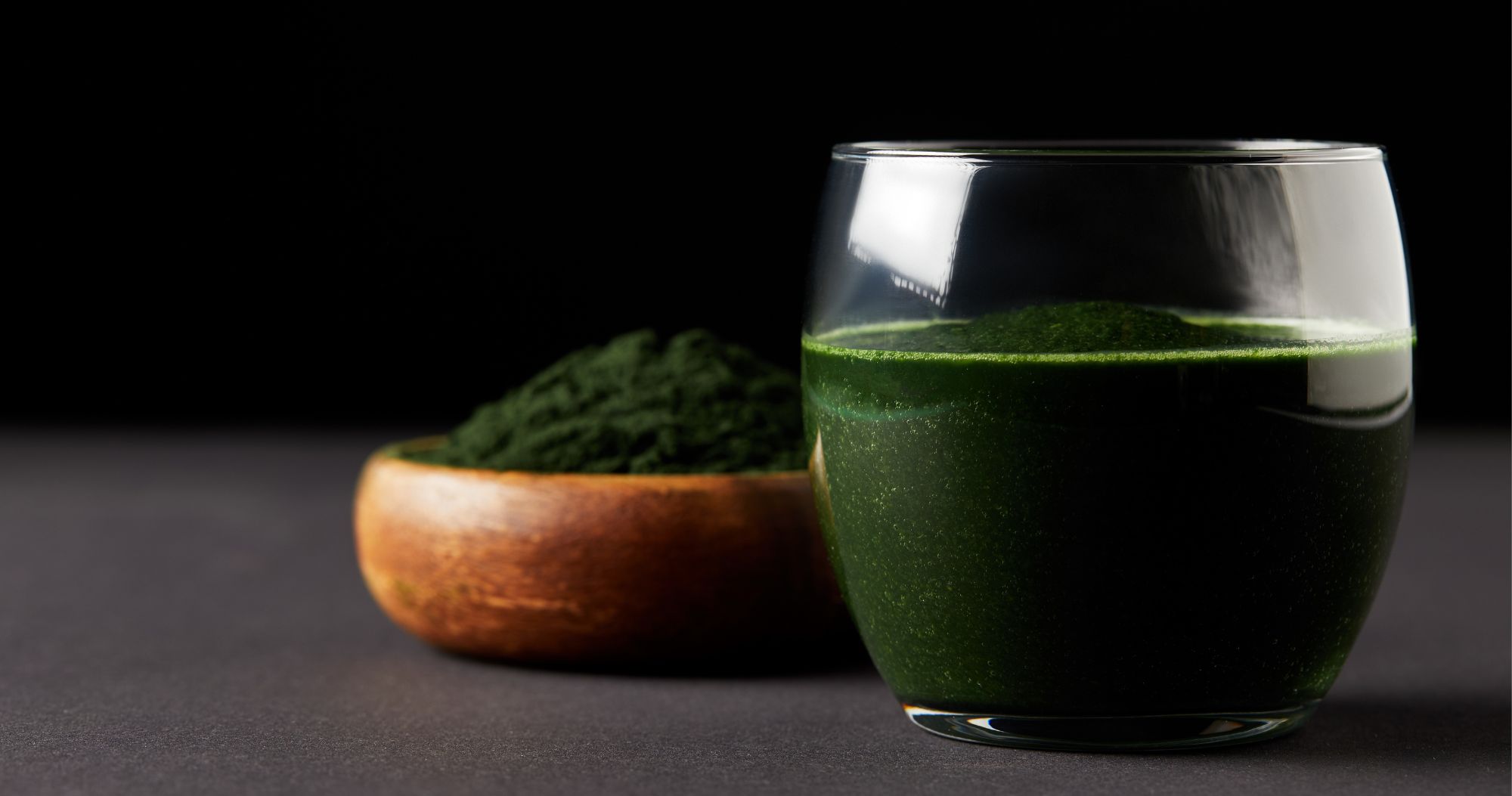
Spirulina can be explored for use in smoothies, nutritional drinks, powdered drink mixes, and protein supplement products.
For this category, businesses need to consider dispersibility, color, flavor, and appropriate usage levels for the specific formulation base.
Snacks, cereals, and nutrition bars
Spirulina biomass can be combined with grains, nuts, or other proteins to develop snacks and nutrition bars.
This product category holds potential for businesses looking to combine a nutritional narrative with the visual identity of the ingredient.
Bakery and pasta
Spirulina has been studied for use in cakes, cookies, pasta, and various flour-based products.
However, the usage rate must be carefully evaluated. As the Spirulina content changes, the color, flavor, and certain sensory characteristics of the final product may also change.
Dairy and dairy-alternative products
Another direction is the use of Spirulina or Spirulina-derived ingredients in yogurt, desserts, frozen desserts, and similar product bases.
In particular, phycocyanin has potential as a natural blue colorant for various food applications.
Functional foods and nutritional supplements
This remains one of the most familiar application categories for Spirulina. The ingredient can appear in the form of powder, tablets, capsules, or combined with other ingredients in nutritional supplement formulas.
4. From raw material potential to formulation challenges
Having nutritional potential does not mean an ingredient can be directly incorporated into every formula.
For Spirulina, businesses need to simultaneously consider multiple factors such as ingredient form, usage levels, dispersibility, color, flavor, production processes, and stability throughout the shelf life.
For example, while phycocyanin offers the advantage of a natural blue color, it is sensitive to temperature, light, and pH. Research shows this is a key technical challenge when applying phycocyanin in food.
With Spirulina biomass, the challenge may lie in its deep green color and distinct flavor profile. Therefore, usage levels must be balanced between nutritional goals and consumer sensory acceptance.
This demonstrates that selecting Spirulina should not be based on nutritional specifications alone. The product base and processing conditions are the deciding factors for the appropriate ingredient form and usage level.
5. What is the potential for food businesses in Vietnam?
The Vietnamese food market offers numerous product categories where Spirulina can be further explored, ranging from nutritional beverages, cereal-based products, snacks, and bakery items to dietary supplements and novel protein sources.
The opportunity does not necessarily lie in simply creating a product "containing Spirulina," but in how businesses define the specific role of the ingredient within their formulations.
Spirulina can be considered for its nutritional profile. Phycocyanin can be explored when a product requires a natural blue colorant. In other formulations, the narrative surrounding microalgae and novel ingredients can become a core part of the product development strategy.
Therefore, instead of starting with the question "Should we use Spirulina?", R&D teams can begin with three more practical questions:
- What consumer need is the product trying to address?
- What role will Spirulina play in the formulation?
- Which form of the ingredient is compatible with the product base and current processing methods?
6. TA Vital and Spirulina ingredient solutions for F&B businesses
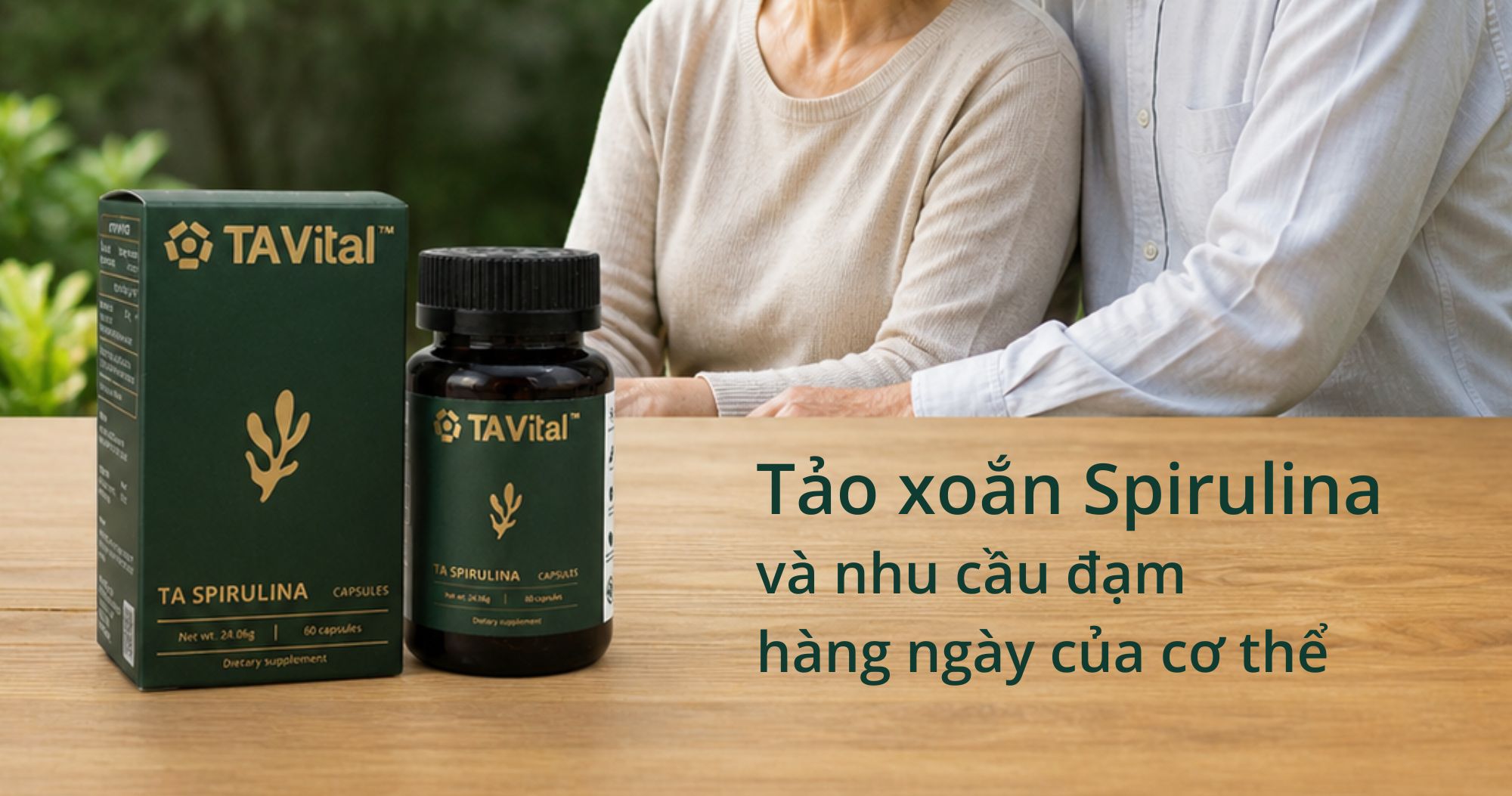
TA Vital provides Spirulina Powder for food and dietary supplement applications, with a protein content of approximately 60–70% by dry weight.
In addition to Spirulina Powder, TA Vital also offers Phycocyanin in various grades from E3 to E40, providing more options for businesses researching applications involving natural blue pigments derived from Spirulina.
Depending on the product base, formulation goals, and processing conditions, requirements for the ingredient can vary significantly.
If your business is researching the application of Spirulina or Phycocyanin for a new product line, please contact TA Vital to discuss your application requirements and select the most suitable ingredients.
.png)
.png)

.jpg)


.jpg)
.jpg)

.jpg)


.png)
.png)
.jpg)
.jpg)





.jpg)

.jpg)


.jpg)
.jpg)


.jpg)



.jpg)




.png)




.jpg)



.jpg)