In the modern rhythm of life, adequate nutrition and nutritional balance seem simple, but it is increasingly difficult to maintain. Hasty meals, extreme diets or habits dependent on processed foods make micronutrient deficiencies more common than ever. Many people feel prolonged fatigue, decreased concentration, easy to get sick... but do not realize the deep cause that comes from the fact that the body is “lacking substance”.
In that context, Spirulina is often mentioned as a quick, compact and convenient nutritional supplement solution. But an important question needs to be clarified: does spirulina really compensate for the lack of substances, or is it just a temporary support solution?
When the body “lacks substance” - the problem is not as simple as you think
Substance deficiency is not just a lack of a few individual vitamins or minerals. It is often the result of a prolonged unbalanced diet, which causes the body to not receive enough of the necessary micronutrients to maintain biological activity.
It is worth mentioning that the manifestations of a lack of substances are usually not so obvious at the initial stage. You may just feel a little tired, your skin is less sharp, or it's harder to concentrate than usual. But in the long run, this condition can affect the immune system, metabolism, and overall health.
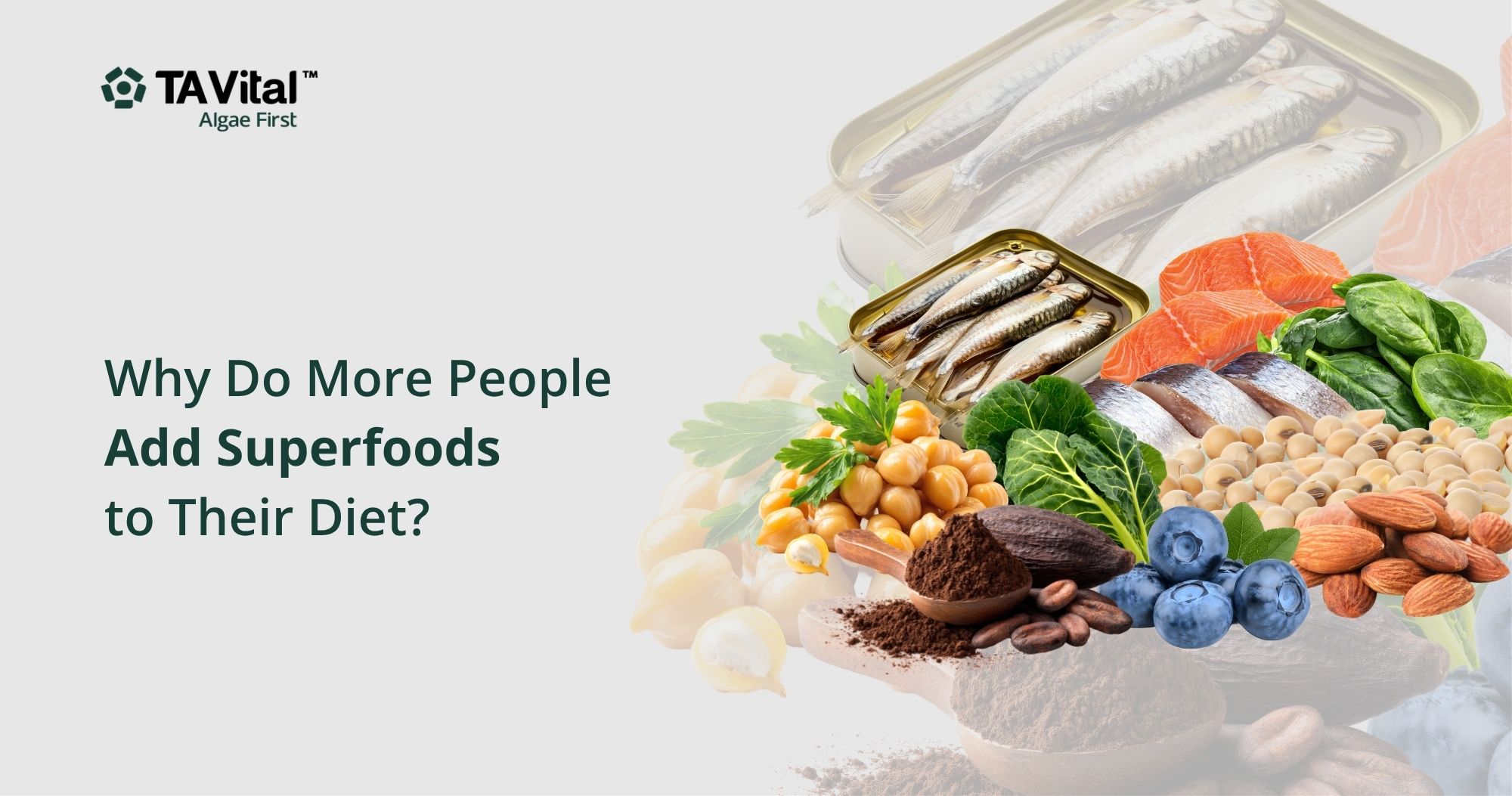
And this is also why many people turn to “superfoods” such as spirulina - in the hope that they can quickly “fill” the nutritional gap.
Spirulina - a concentrated source of nutrients from nature
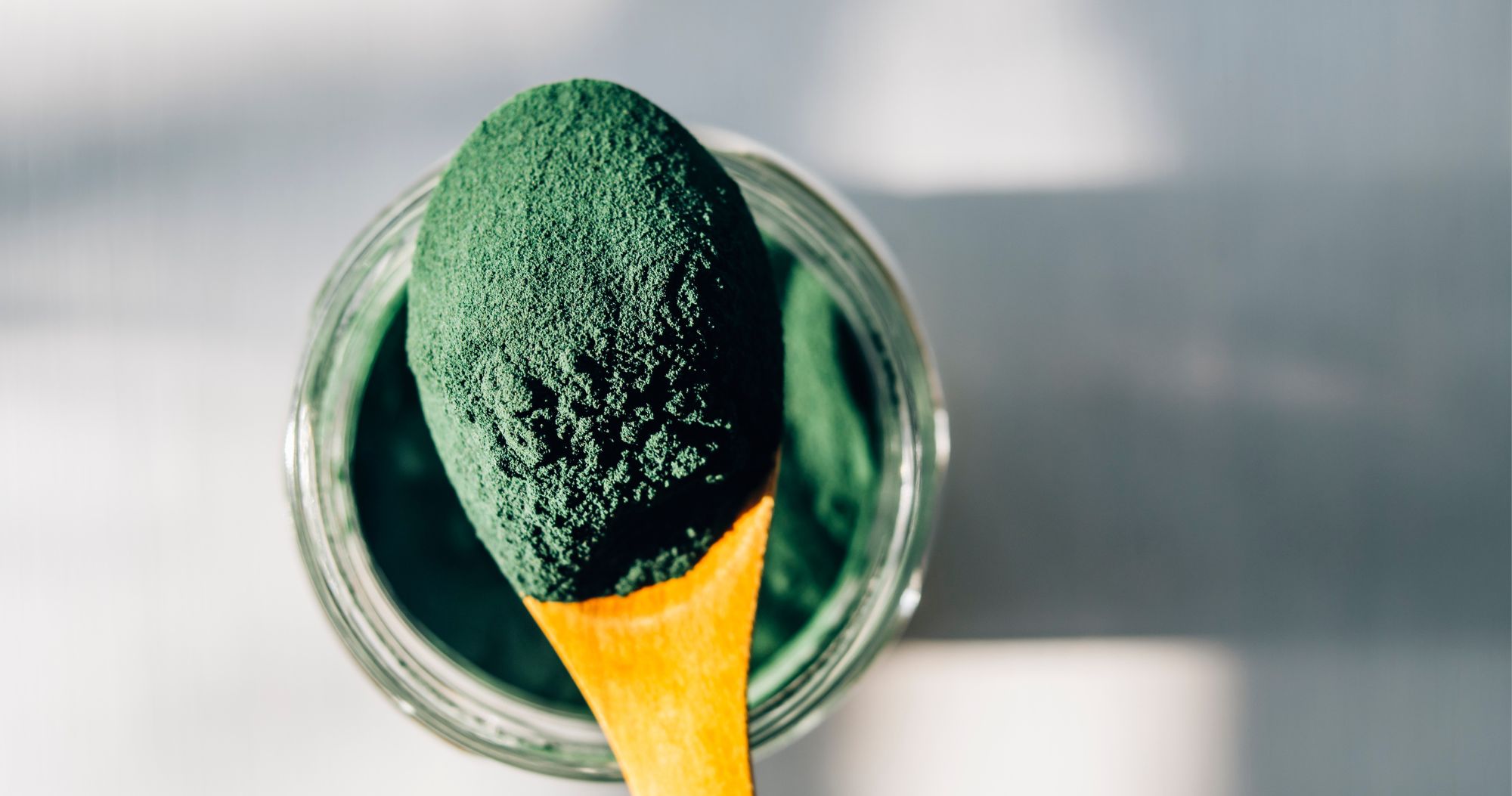
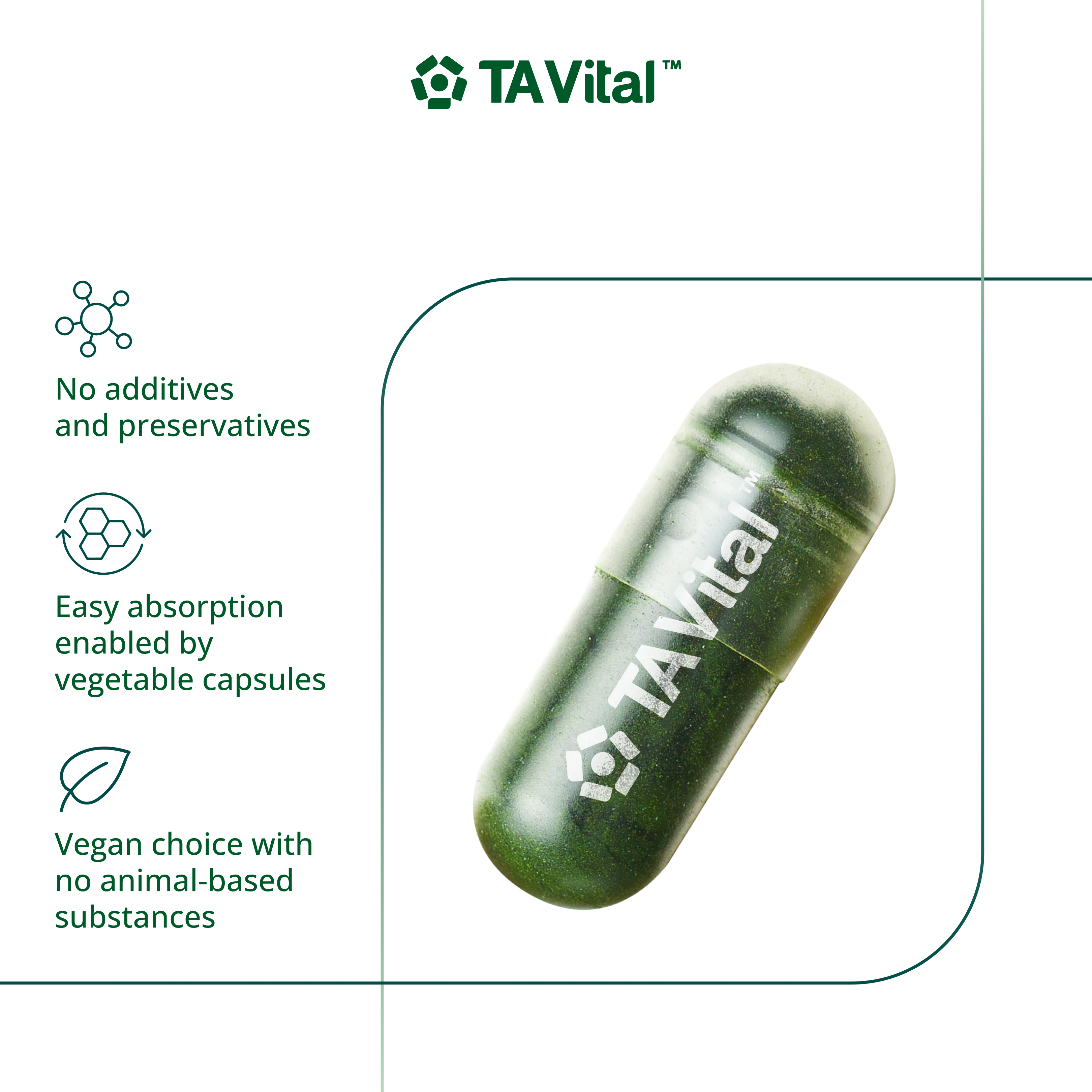
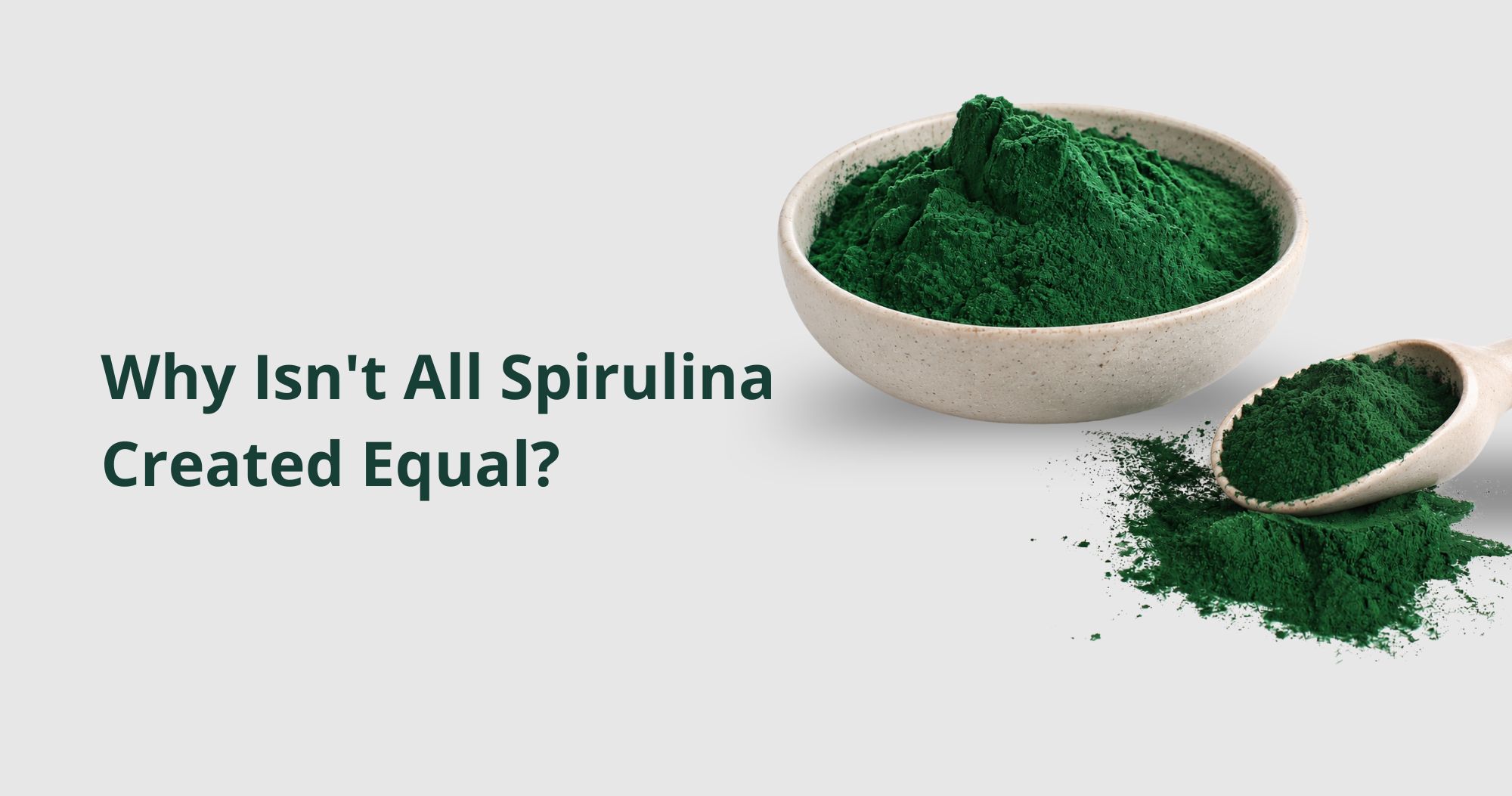
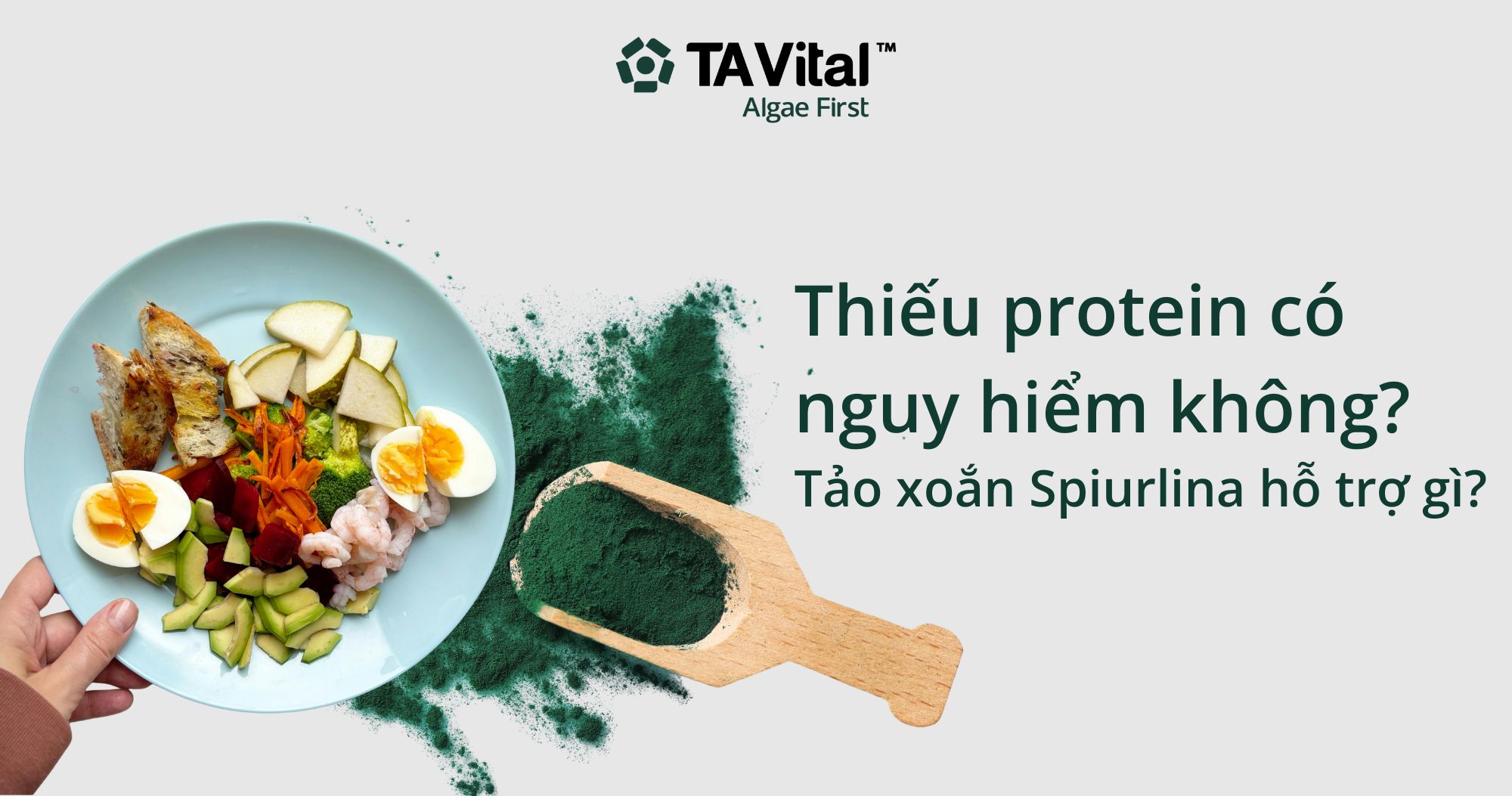
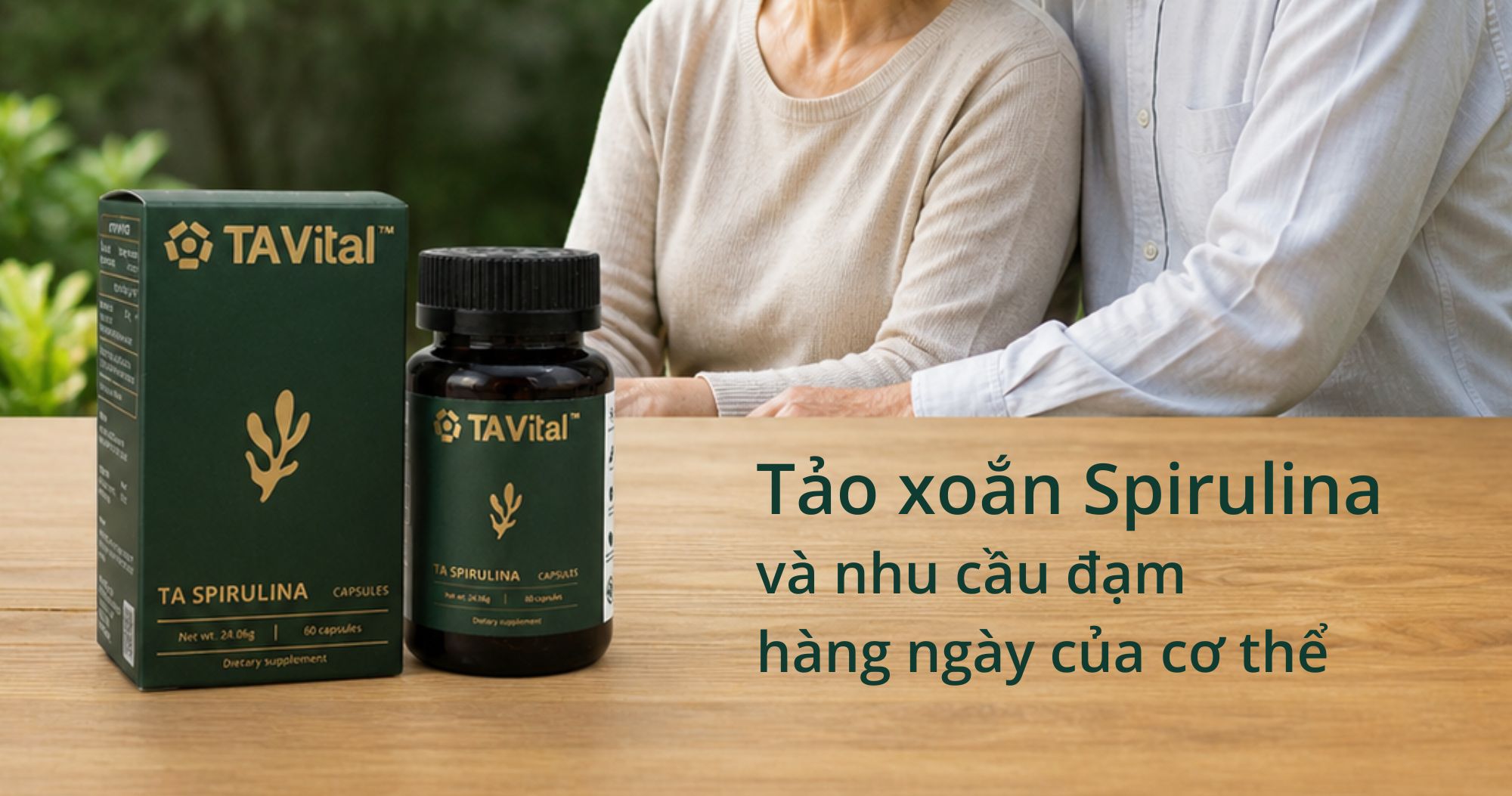
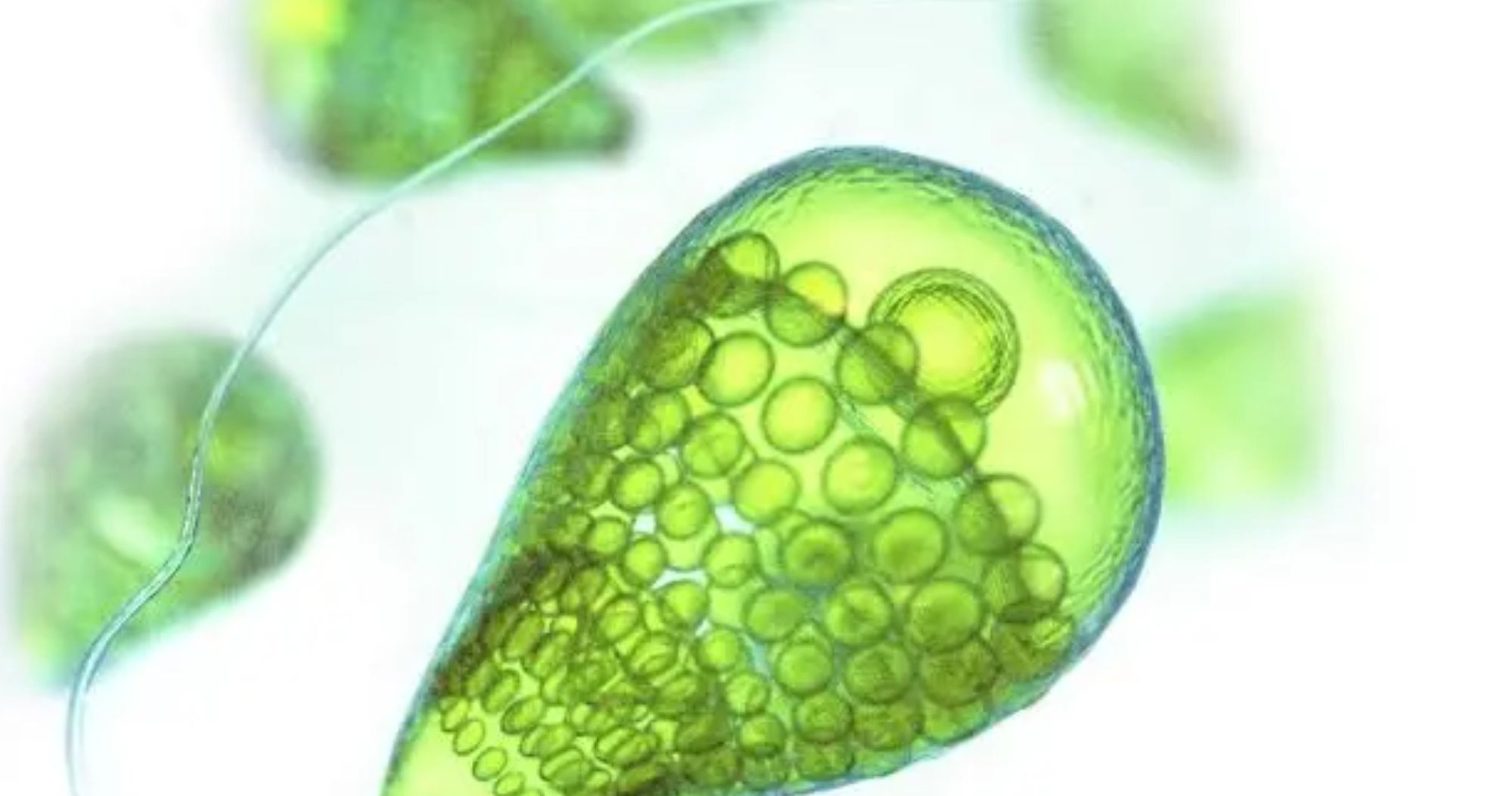
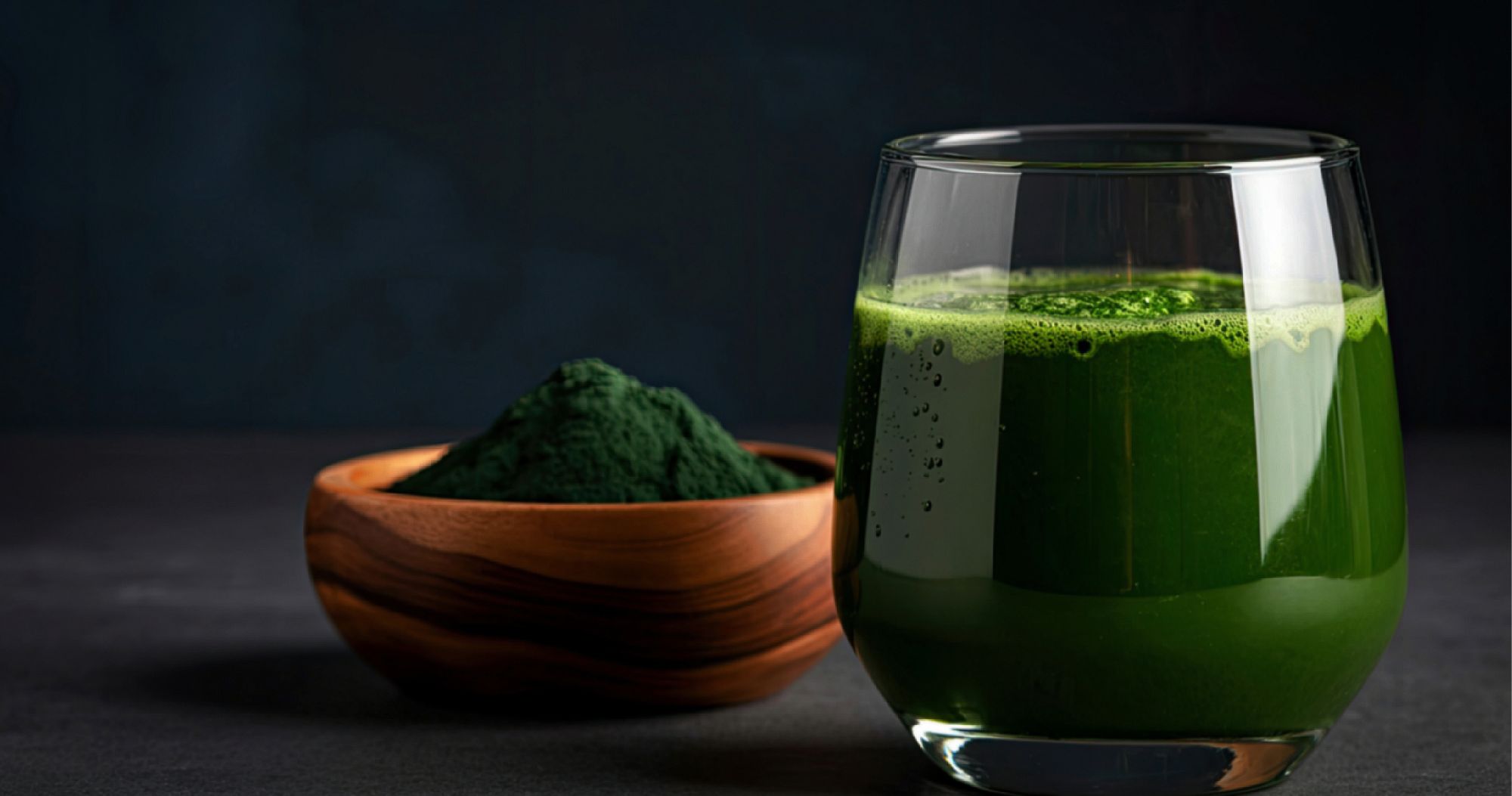
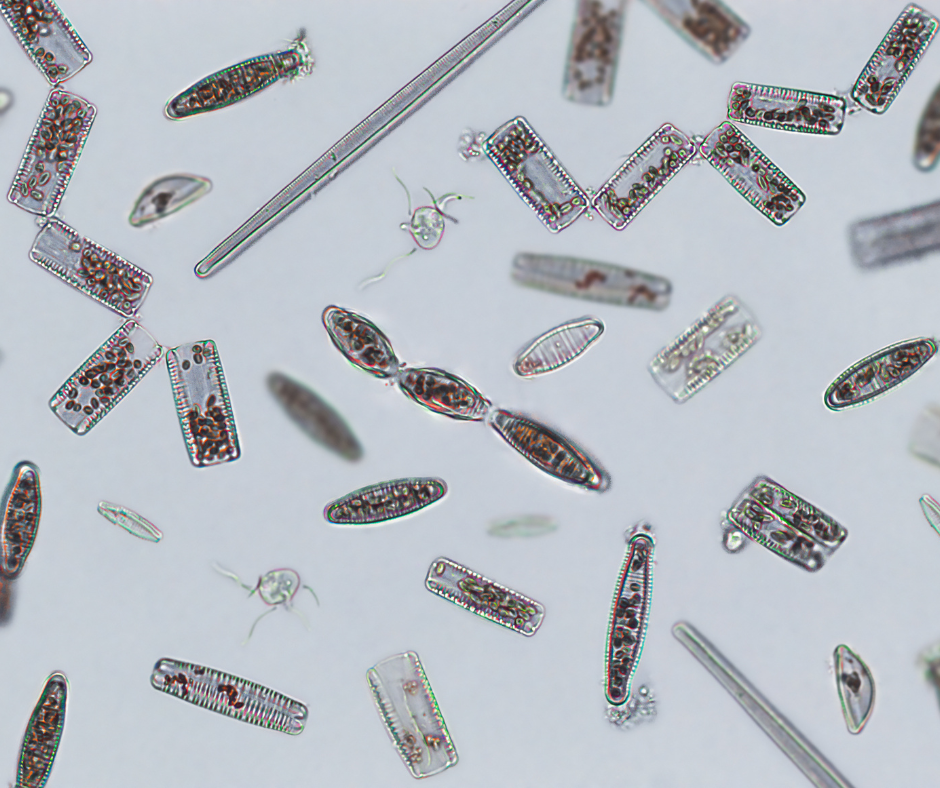
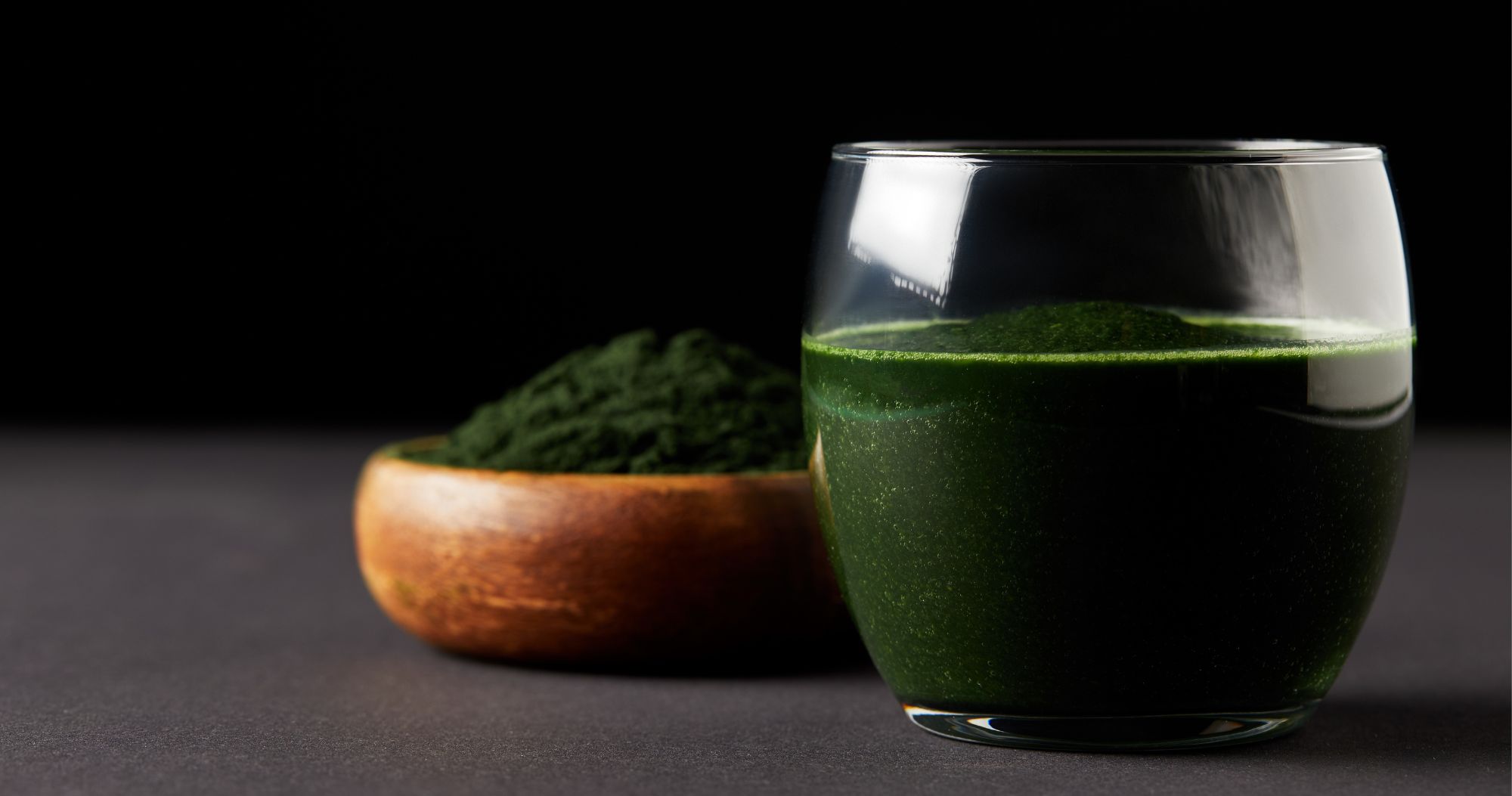
It is no coincidence that Spirulina is classified as a food group with a high nutrient density. In just a small amount, this microalgae can provide many of the essential nutrients that the body needs every day.
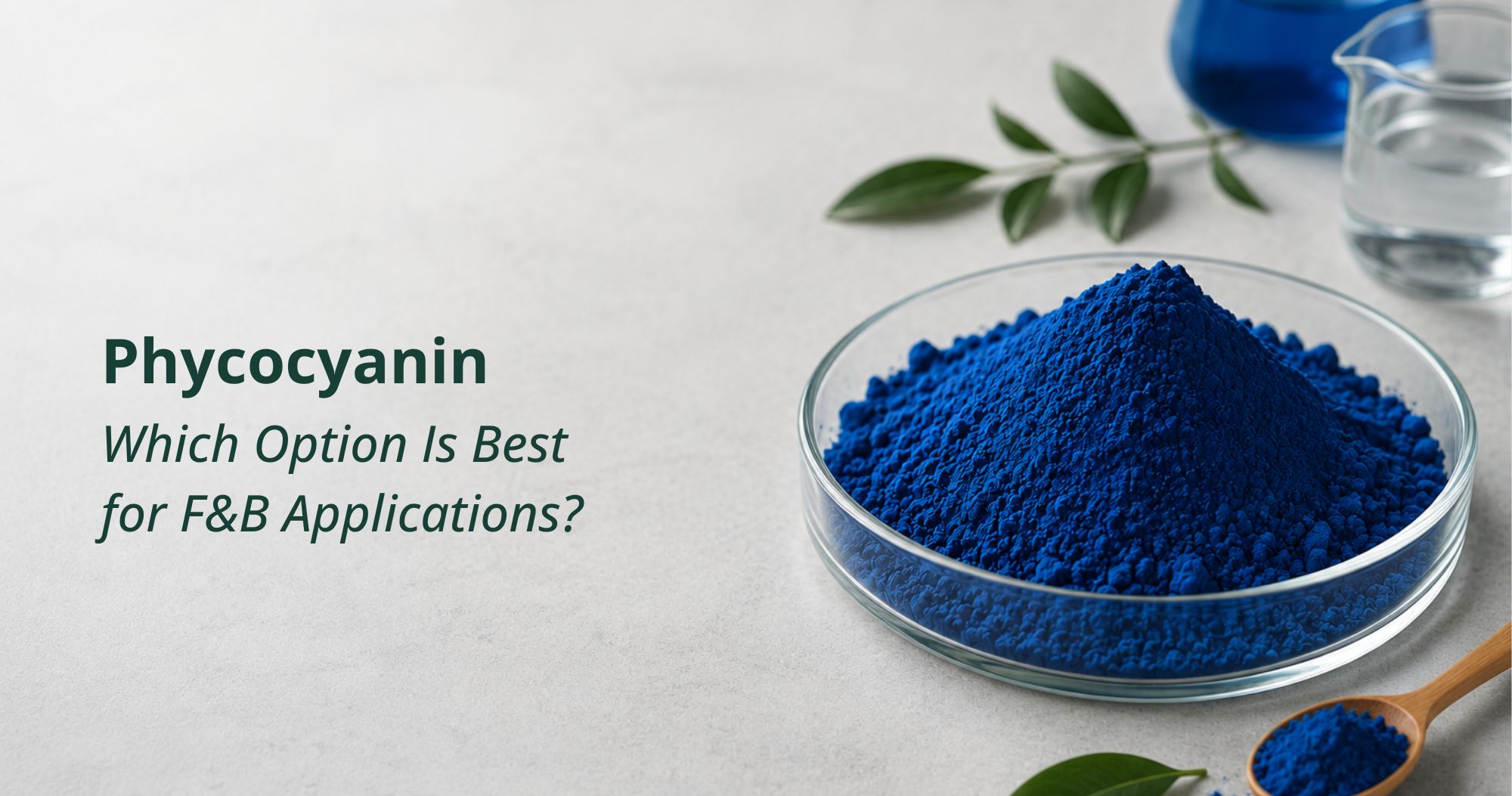
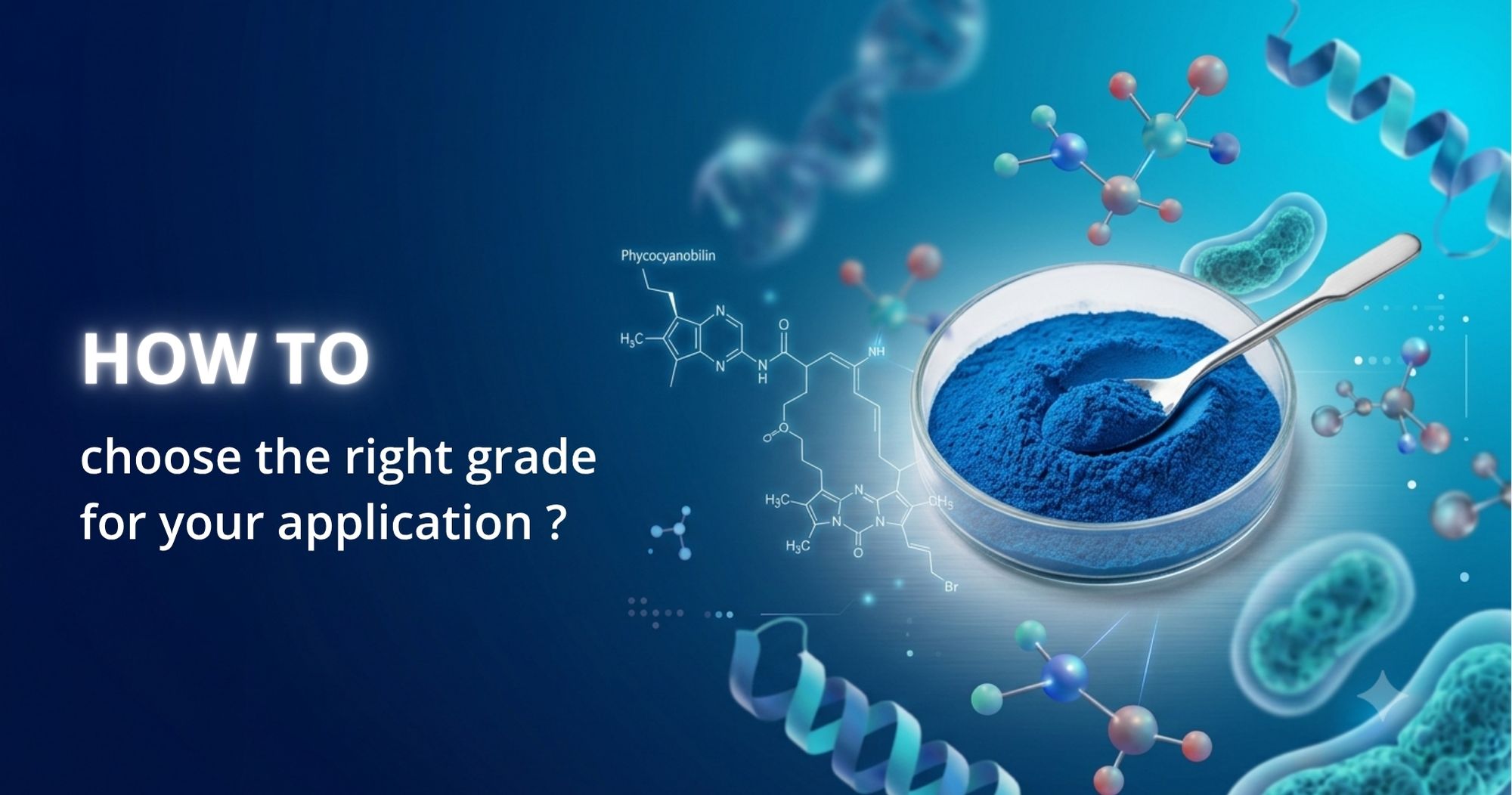
About 60-70% of the dry weight of Spiurlina spirulina is proteins- an impressive figure compared to most natural foods. In addition, spirulina also contains B vitamins, iron, magnesium and biological compounds such as phycocyanin - a characteristic antioxidant that protects cells from damage.
It is worth noting that the nutrients in spiurlina spirulina have an easily absorbed form, which helps the body to make effective use of it compared to some other food sources. It is this factor that makes spirulina an attractive option for those who eat irregularly or find it difficult to ensure nutrition from daily meals.
Can Spirulina make up for lack of substance?
Spirulina may support partial micronutrient supplementation, but cannot completely replace a balanced diet and is not the solution to every nutritional deficiency.
The reason lies in the nature of nutrition: the body needs a diverse ecosystem of nutrients, with their proportions and complex interactions. No matter how nutritious, a single food — not even spirulina — can provide it all.
For example, spiurlina contains compounds related to vitamin B12, but for the most part the form is not biologically active in humans. This means that it cannot replace true sources of B12, especially with vegetarians.
So, if you view spirulina as a “holistic solution” to substance deficiency, you may be expecting the wrong thing.
The Real Value of Spirulina Spirulina in Case of Substance Deficiency
Although not a “cure” for malnutrition, Spirulina still has a valuable role if you are careful and used properly.
This is a fast source of micronutrient supplements and in small quantities. For those who eat little, eat unbalanced, or busy, Spirulina can somewhat support the missing nutrition of your day.
In addition, thanks to its high content of vitamins and minerals, spirulina can contribute to improving the feeling of fatigue, support energy and strengthen resistance. These effects usually do not come immediately, but can be felt more clearly when using dengue for long periods of time.
More importantly, Spirulina acts as a nutrient substrate, helping your body function more efficiently.
Limitations to understand before use
One of the common mistakes is to think that just taking spirulina is enough to replace meals or make up for a nutritional deficiency altogether.
Spirulina does not fully provide all the micronutrients, is not a substitute as fresh food, and cannot solve serious substance deficiencies such as severe iron deficiency or prolonged vitamin deficiency.
The effectiveness of Spirulina also depends on the dosage, the quality of the product and the location of each person.
The real solution to substance shortages
If looked at comprehensively, Spirulina is just one part of the bigger picture. The sustainable solution to the lack of substances still lies in the construction of a varied, balanced and adapted diet to the needs of the body.
The combination of natural foods, supplements when needed and maintaining a healthy lifestyle such as getting enough sleep, regular exercise, reducing stress is the basis for the body to recover and maintain an optimal state.
Conclusion
Spirulina is not an omnipotent answer to dietary deficiencies, but it is an effective nutritional aid if used properly. Its value lies not in the replacement of meals, but in the ability to replenish concentrated microelements, which help the body to function better in the real conditions of modern life.
Properly understanding the role of spirulina also means that you use it smarter, without excessive expectations, but also do not miss the benefits that this natural source of nutrients offers.
.png)
.png)
.jpg)


.jpg)
.jpg)

.jpg)


.png)
.png)
.jpg)
.jpg)



.jpg)

.jpg)


.jpg)
.jpg)


.jpg)



.jpg)




.png)




.jpg)


.jpg)