.jpg)
What are microalgae? Concept, characteristics and role in life
Microalgae are a group of microscopic organisms that live mainly in aquatic environments and are capable of photosynthesis. In science, microalgae are considered the basis of many aquatic ecosystems and an important object of research in biology, environment and nutrition.
What are microalgae?
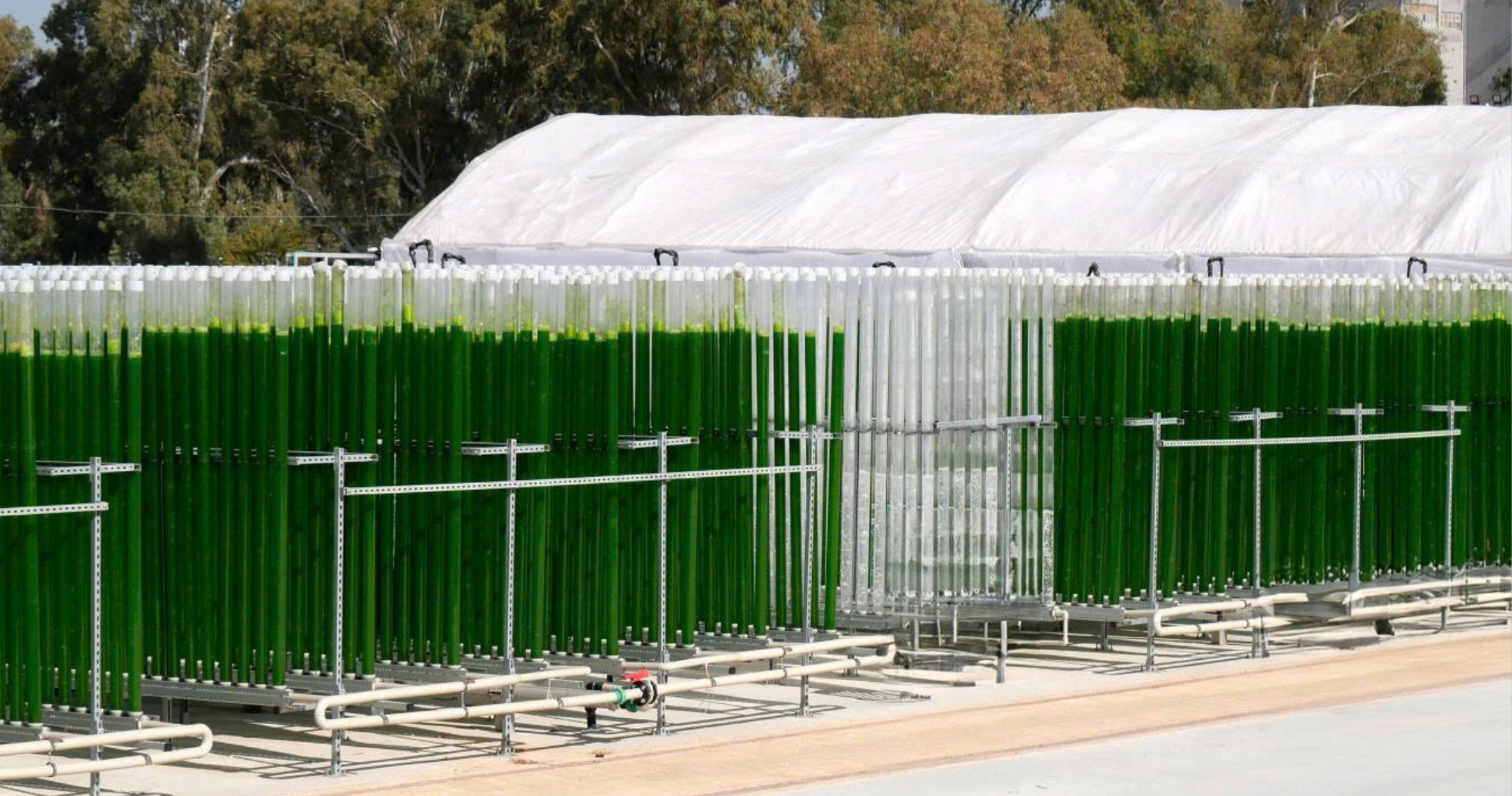
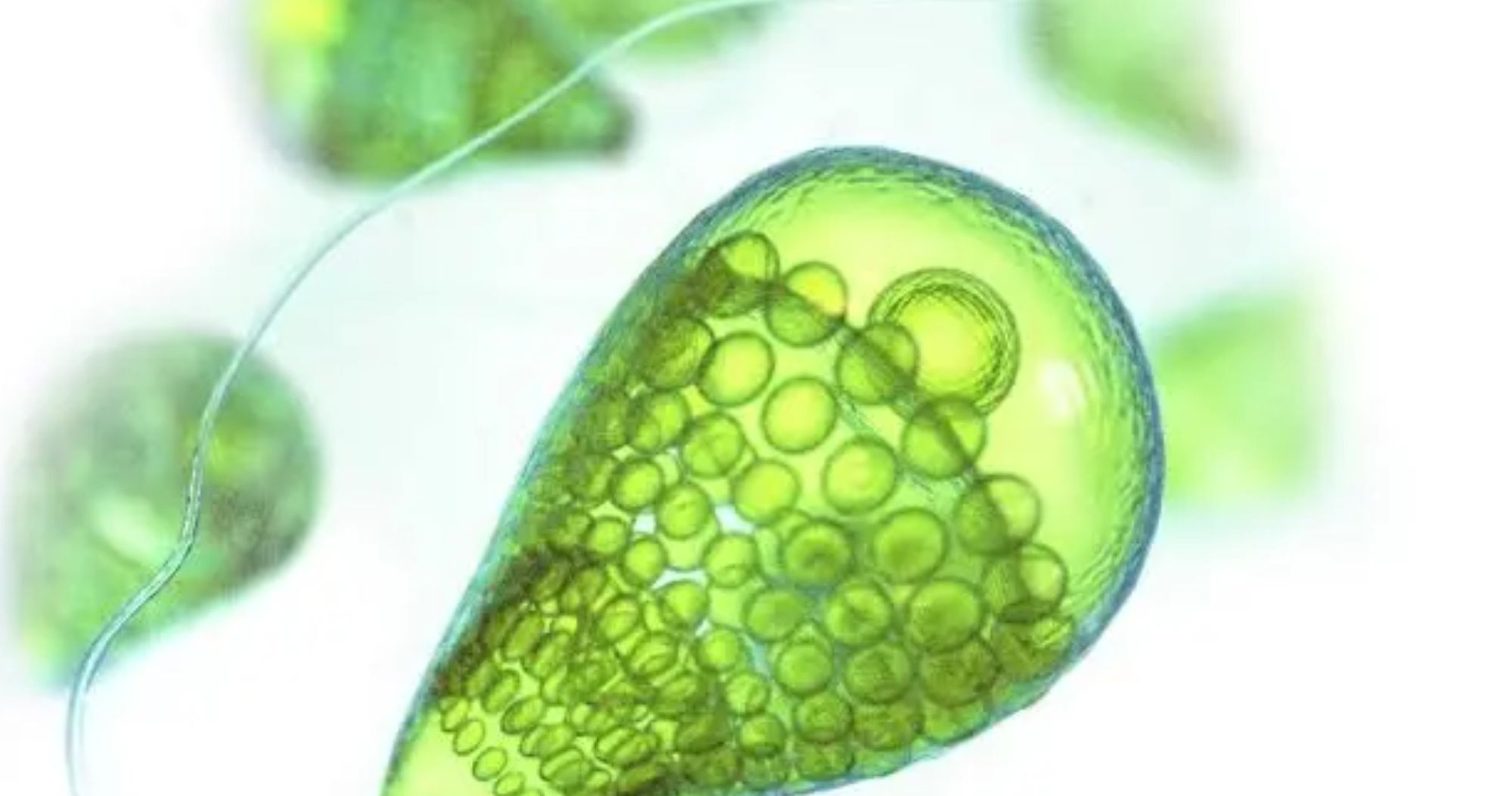
Microalgae(English: Microalgae) is a collection of microscopic organisms, which live mainly in aquatic environments and are capable of self-synthesizing energy from light, i.e. photosynthetic.
They belong to unicellular forms, diverse in cell shape and structure, from cyanobacteria (cyanobacteria) to other forms of eukaryotic algae.
Microalgae are completely different from plants visible to the naked eye because of their microscopic size and ability to survive in extreme environmental conditions. This diversity makes microalgae the key to many different biological and ecological processes.
What are microalgae different from ordinary algae?
Common algae are usually larger organisms that can be seen with the naked eye (such as sludge algae, benthic algae) and are larger aquatic plants, sometimes with multicellular structures.
Microalgae are unicellularorvery small group of cellsThey live in water and cannot be seen directly with the naked eye. Microalgaemay include cyanobacteria, which were once considered algae but actually belong to the group of bacteria.
Clearly distinguishing these two groups helps you understand that these are two biological organizations with different roles and applications in nature and science.
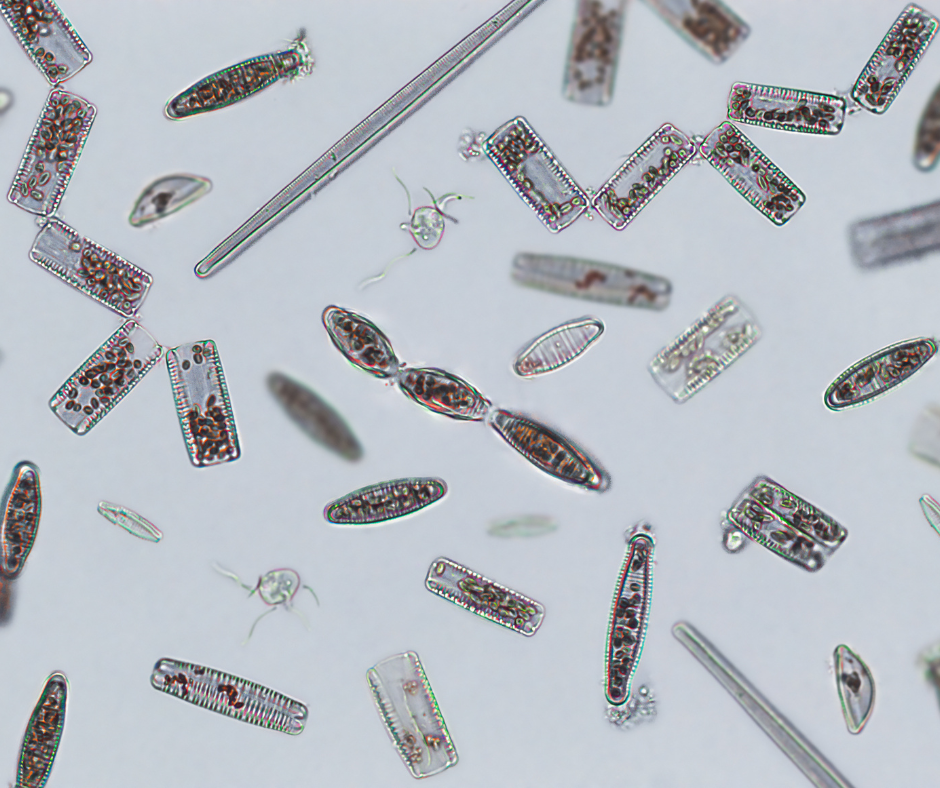
Where do microalgae live and how do they survive in nature?
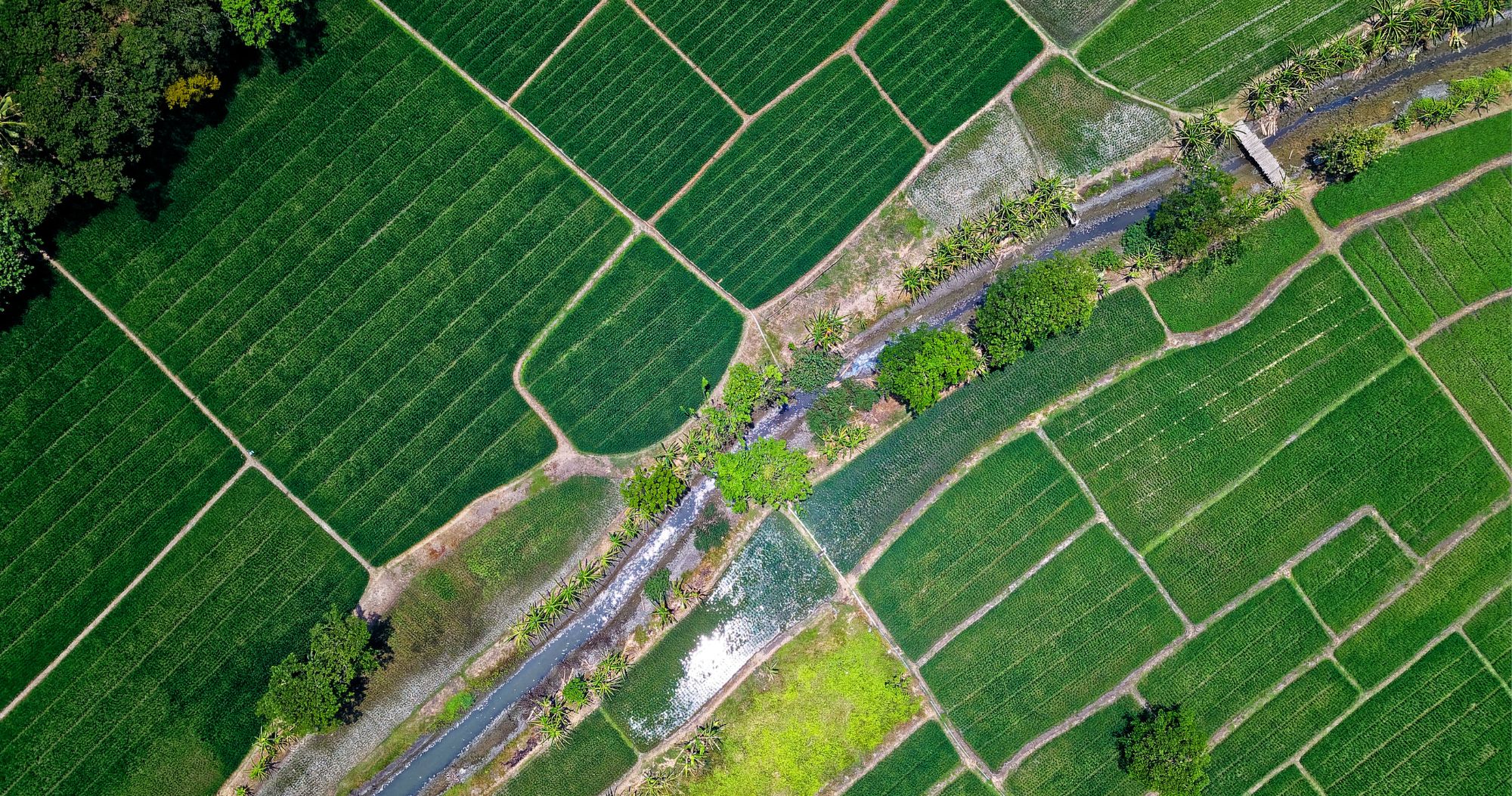
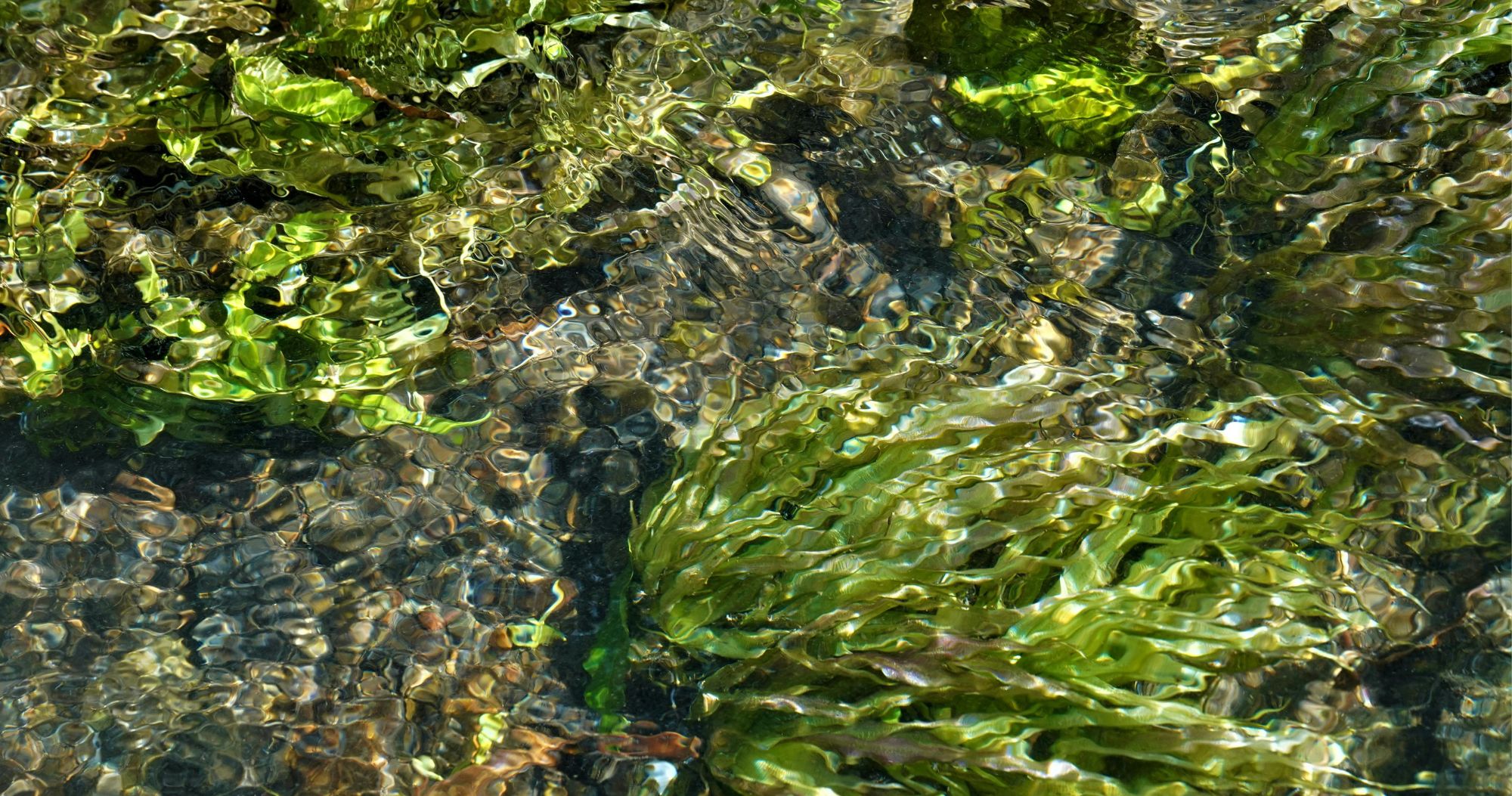
Microalgae occur in most aquatic environments on Earth: oceans, rivers, lakes, streams, and in seemingly harsh waters. They live by their photosynthetic ability to take sunlight and convert it into energy, while absorbing CO₂ and nutrients in the water.
Their diversity and high adaptability make microalgae the basis of aquatic food chains, providing the primary source of energy for thousands of other species of organisms.
The role of microalgae in ecosystems and human life
- In nature
Microalgae play a role plants producing oxygen and organic matterfor the aquatic ecosystem. In the ocean, they can occupy up to 50-80% of global oxygenthanks to photosynthesis, which contributes greatly to the maintenance of the Earth's atmosphere.
They are also The first link of the aquatic food chain: zooplankton feed on microalgae, then small fish, and gradually to larger species, building a rich ecosystem.
- Application in humans
Nutrition and food
Some strains of microalgae have high nutritional value, containing proteins, lipids, vitamins, and micronutrients. These ingredients are used in complementary foods and future food research because they can provide dense nutrition.
For example, proteins in some species such as Spirulinaor Chlorellaare considered to be a rich source of plant protein in amino acids - this makes microalgae an attractive research object for future human nutrition.
The role of the environment
Microalgae not only support oxidation and the carbon cycle, but can also help treatment of contaminants in the water, such as absorbing some heavy metals or nutrient residues, thereby contributing to a more natural cleaning of the aquatic environment.
What do microalgae have to do with spirulina?
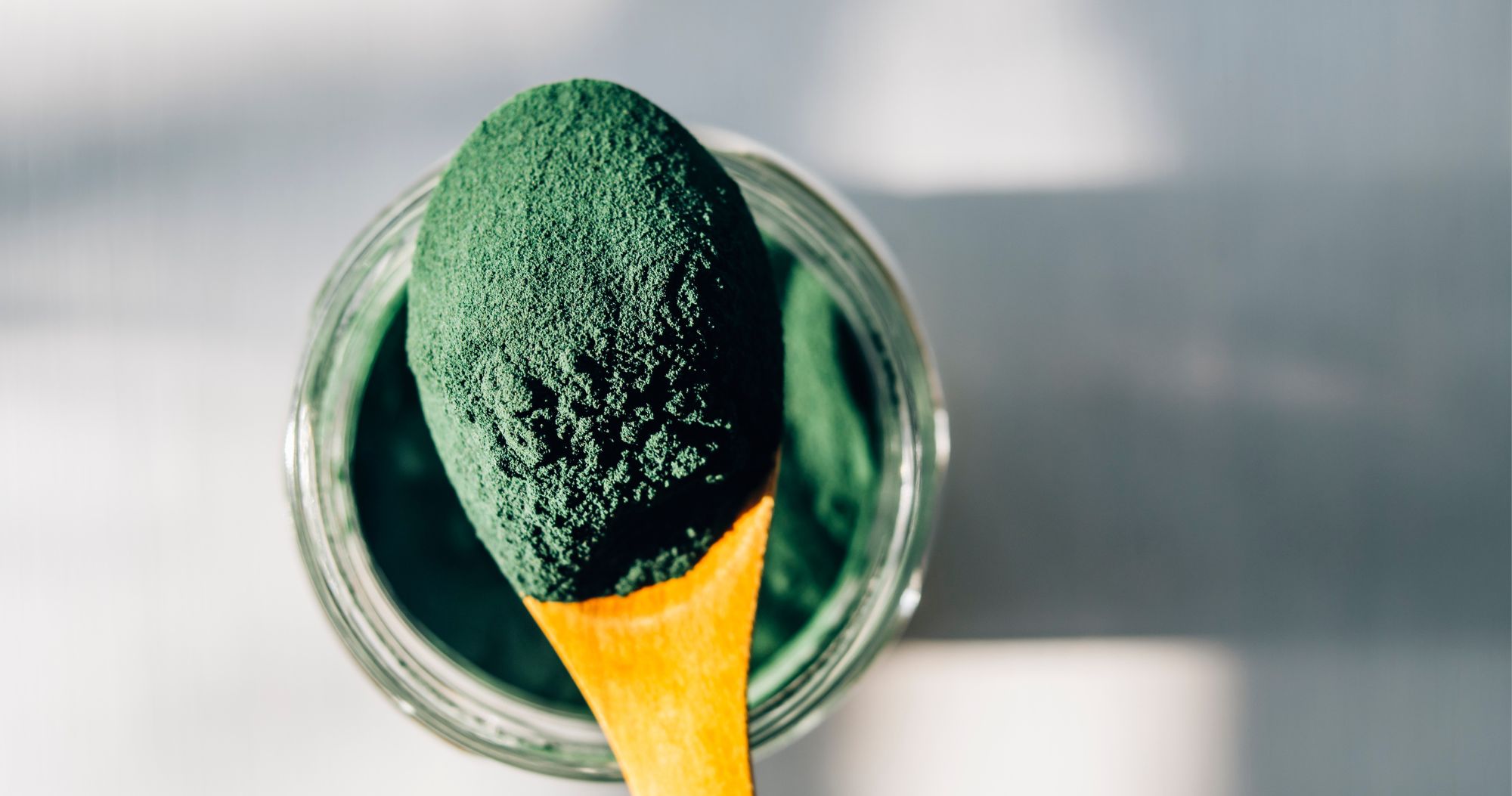
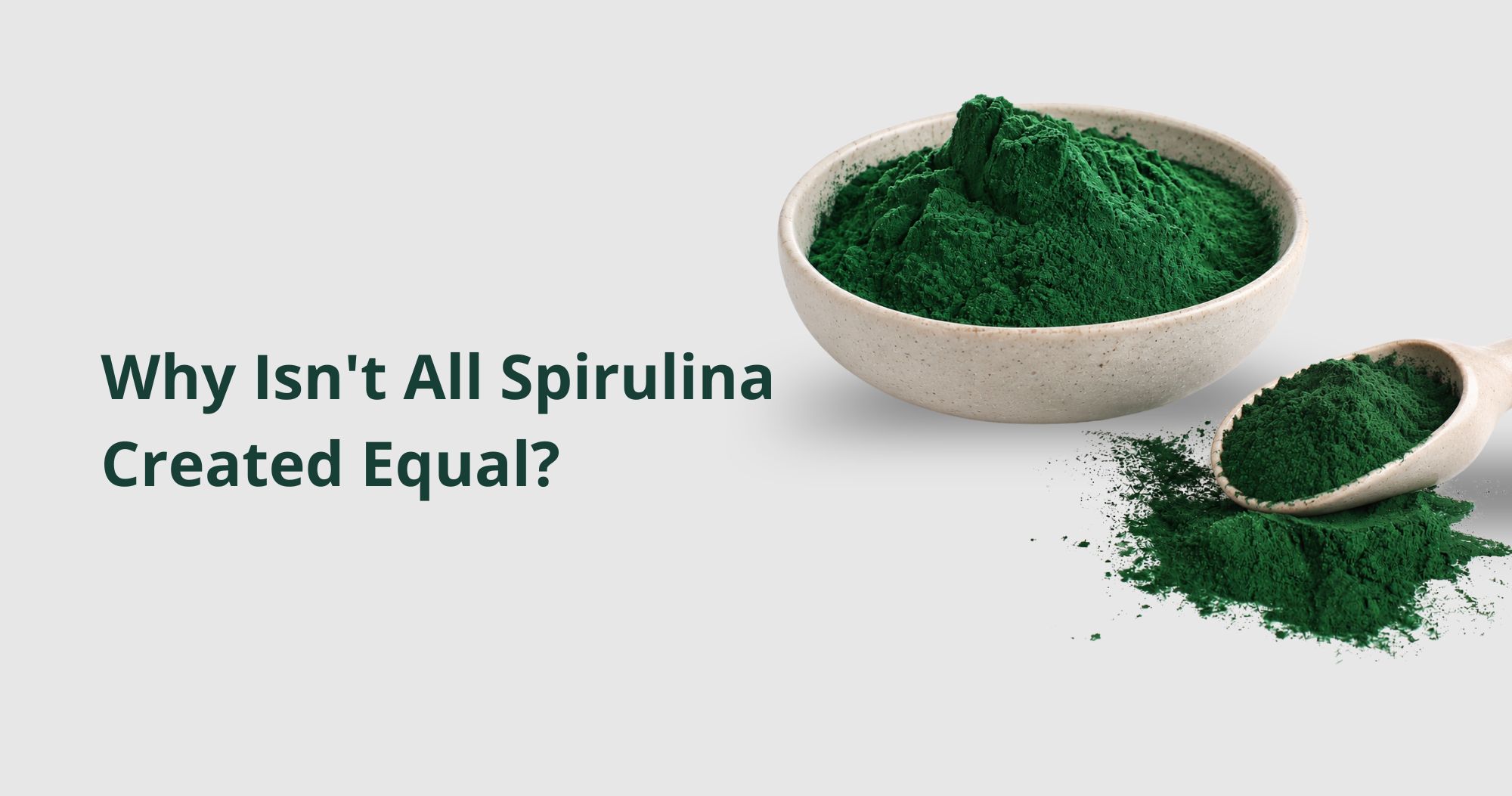
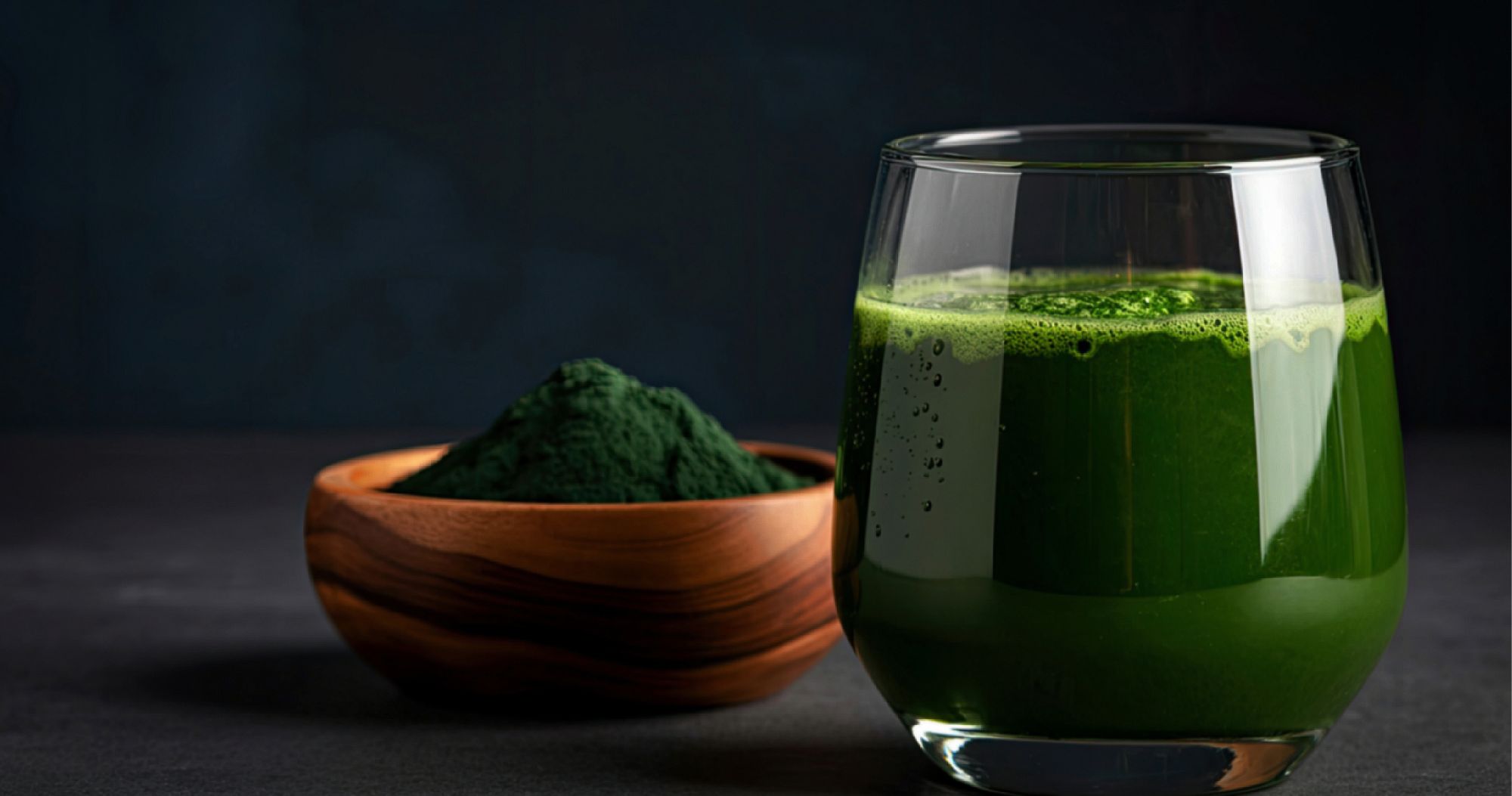
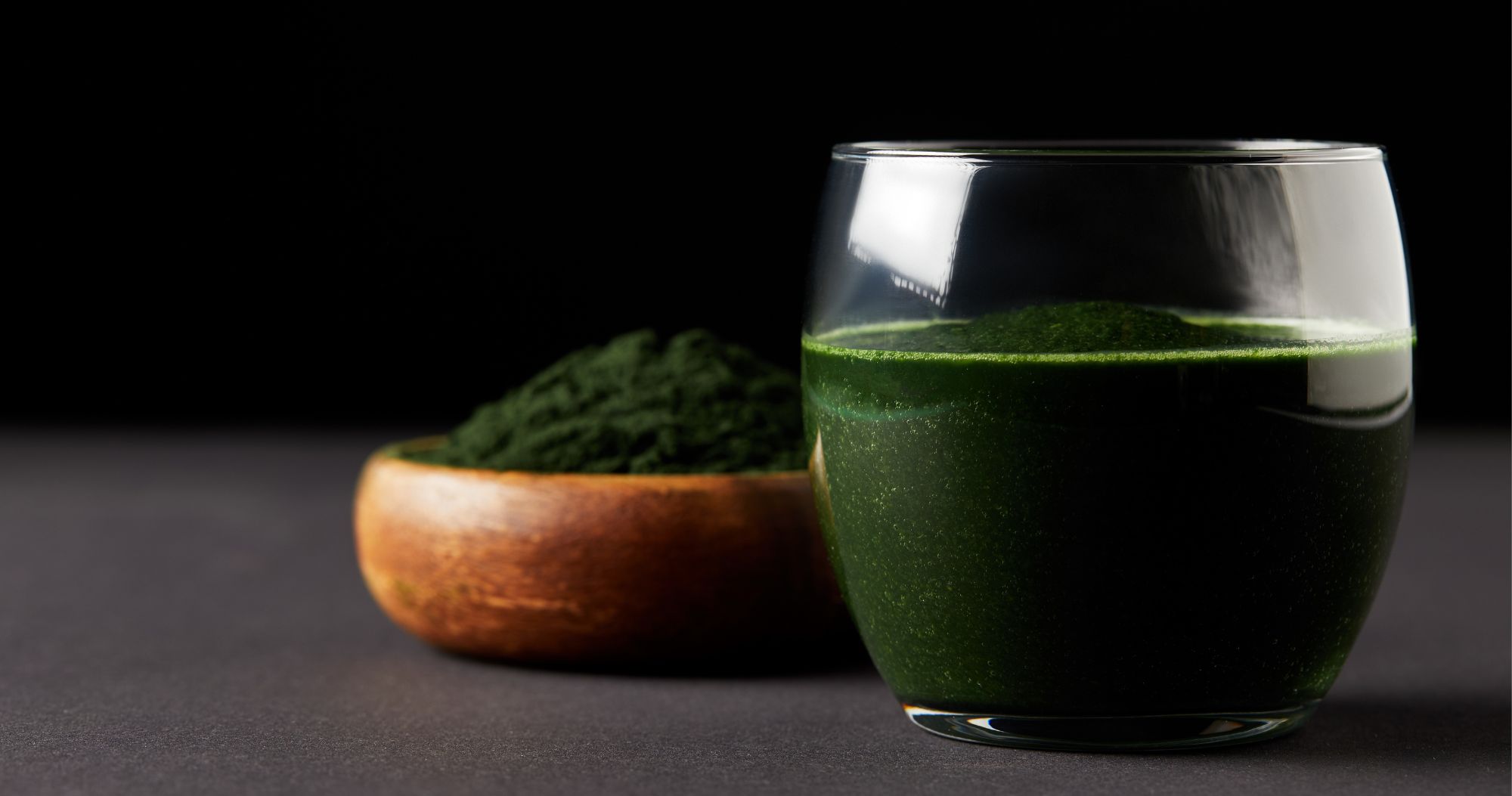
Spirulina, or spirulina, is a special microalgae, namely cyanobacteria that have a spiral shape. It is one of the most studied and commonly used microalgae in the field of food supplements because it contains a long protein abundance and a number of antioxidants and micronutrients.
Spirulina belongs to the group of microalgae, but not all microalgae are spirulina
.jpg)
Common Misunderstandings About Microalgae
Are microalgae “dirty moss algae”? Not quite, many microalgae are important parts of the ecological chain, and when the right strains are selected, they have scientific and nutritional value.
Microalgae for laboratory use only? Not only that, microalgae are also being researched for functional food, beauty, water treatment, biology, and many other applications.
Frequently Asked Questions About Microalgae
Are microalgae safe?
Most natural microalgae do not cause harm, but when introducing and feeding it is necessary to follow safety standards and select the appropriate variety.
Are microalgae and spirulina the same?
No, spirulina is a specific microalgae.
Conclusion
Microalgae are a small group of microorganisms that play a huge role, from maintaining oxygen for the Earth, underpinning the aquatic food chain, to potential applications in nutrition and the environment.
A proper understanding of microalgae is not only scientific knowledge but also opens the way for more sustainable applications in life and industry.

.png)
.png)


.jpg)




.jpg)
.jpg)



.jpg)


.png)
.png)
.jpg)
.jpg)




.jpg)

.jpg)


.jpg)
.jpg)


.jpg)



.jpg)




.png)







.jpg)