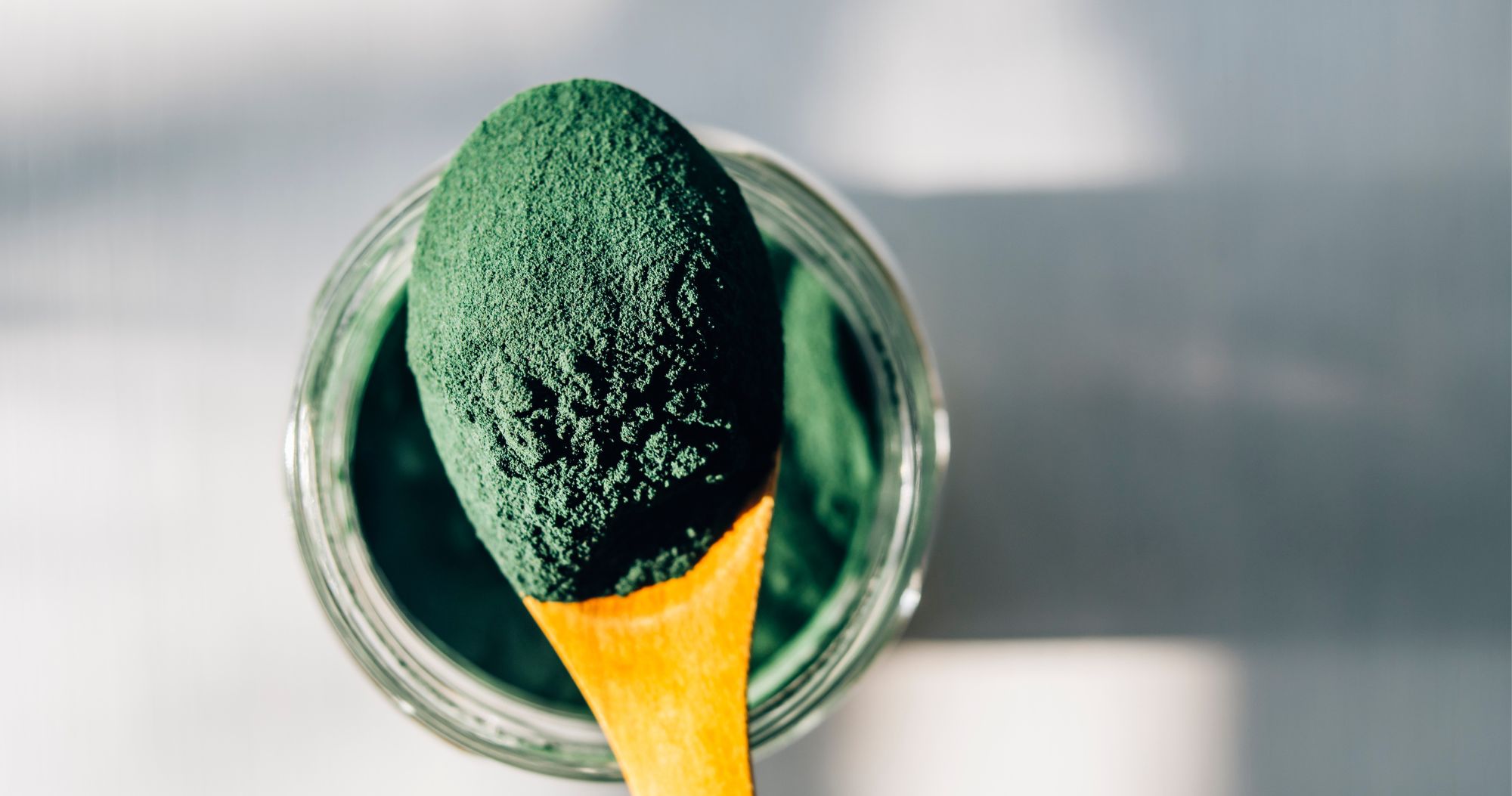
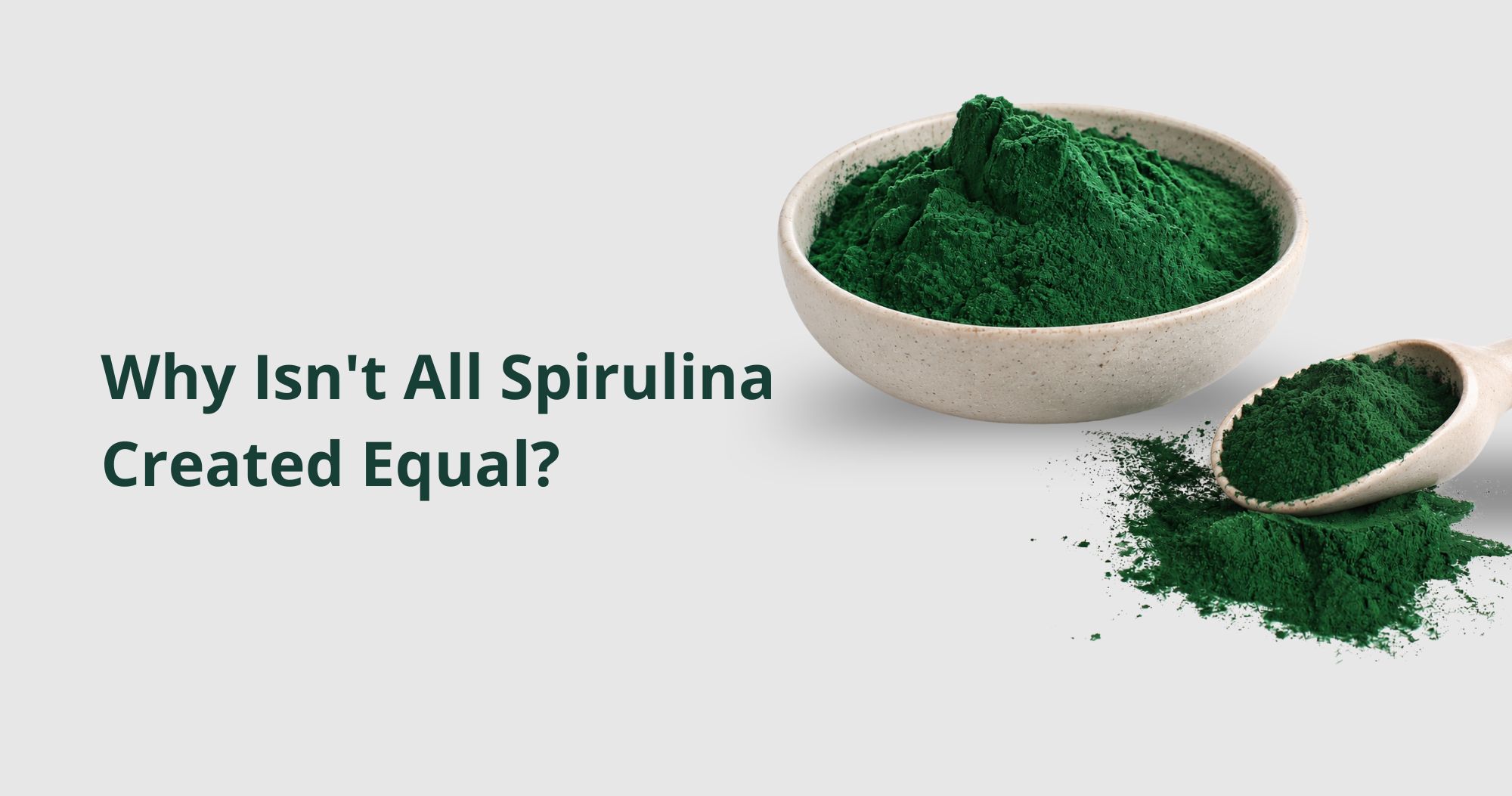
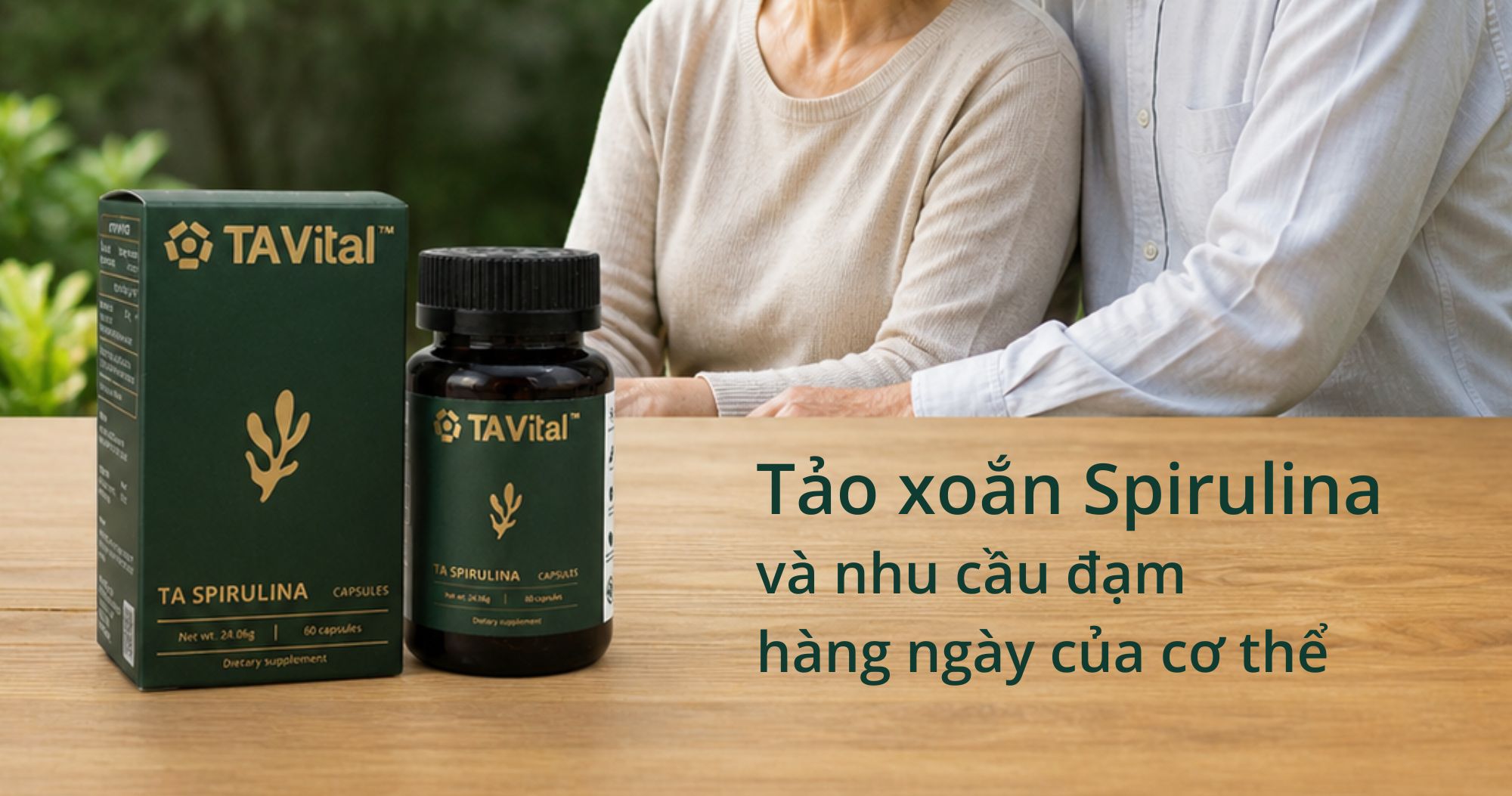
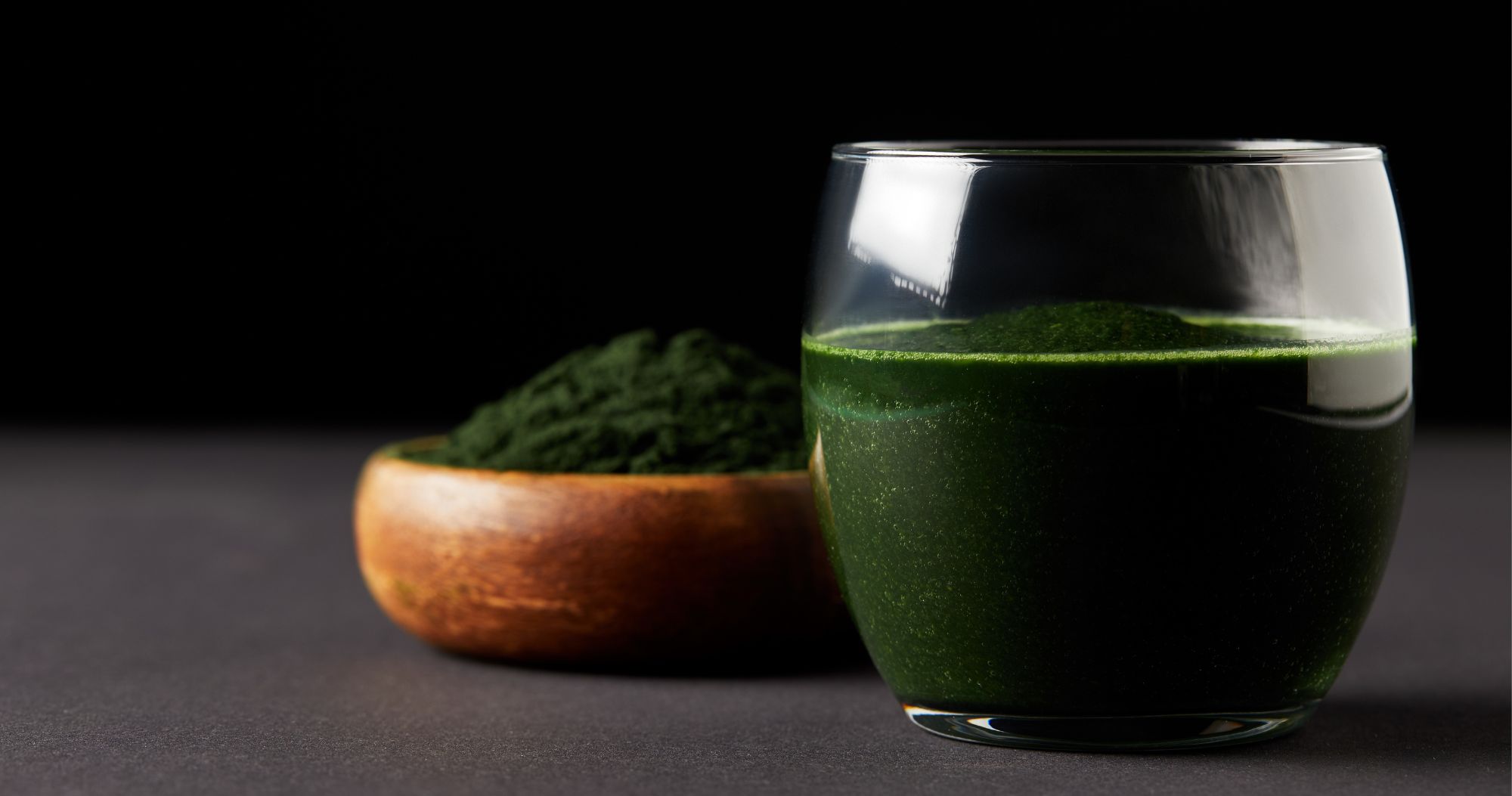
Spirulina has a very high protein content, accounting for about 60-70% of dry weight, superior to many other natural food sources. The peculiarity lies not only in the quantity, but in the quality of the protein: it is easily absorbed, contains a sufficient amount of essential amino acids and exerts little pressure on the digestive system. Thanks to its simple biological structure, the protein from Spirulina is suitable for vegetarians, the elderly and those who need protein supplements in a gentle, sustainable way.
Complete protein with full 9 essential amino acids
The first core difference is that Spirulina provides a complete, fully packed protein 9 essential amino acidswhich the human body cannot synthesize on its own and must be obtained from food.
- Good Balance:While many vegetable protein sources (such as grains or beans) often lack one or more essential amino acids (e.g. lysine in cereals, methionine in beans), the protein from Spirulina has a relatively good balance of these amino acids.
- Especially rich in Leucine, Isoleucine and Valine (BCAAs):This group of branched-chain amino acids (BCAAs) plays an important role in muscle protein synthesis, reduces fatigue, and supports postmotor recovery.
Precisely for these reasons, the Food and Agriculture Organization of the United Nations (FAO) has recognized the protein from Spirulina as having a high biological value, comparable to proteins from eggs and milk in terms of providing essential amino acids.
What is the protein in Spirulina different from regular protein?
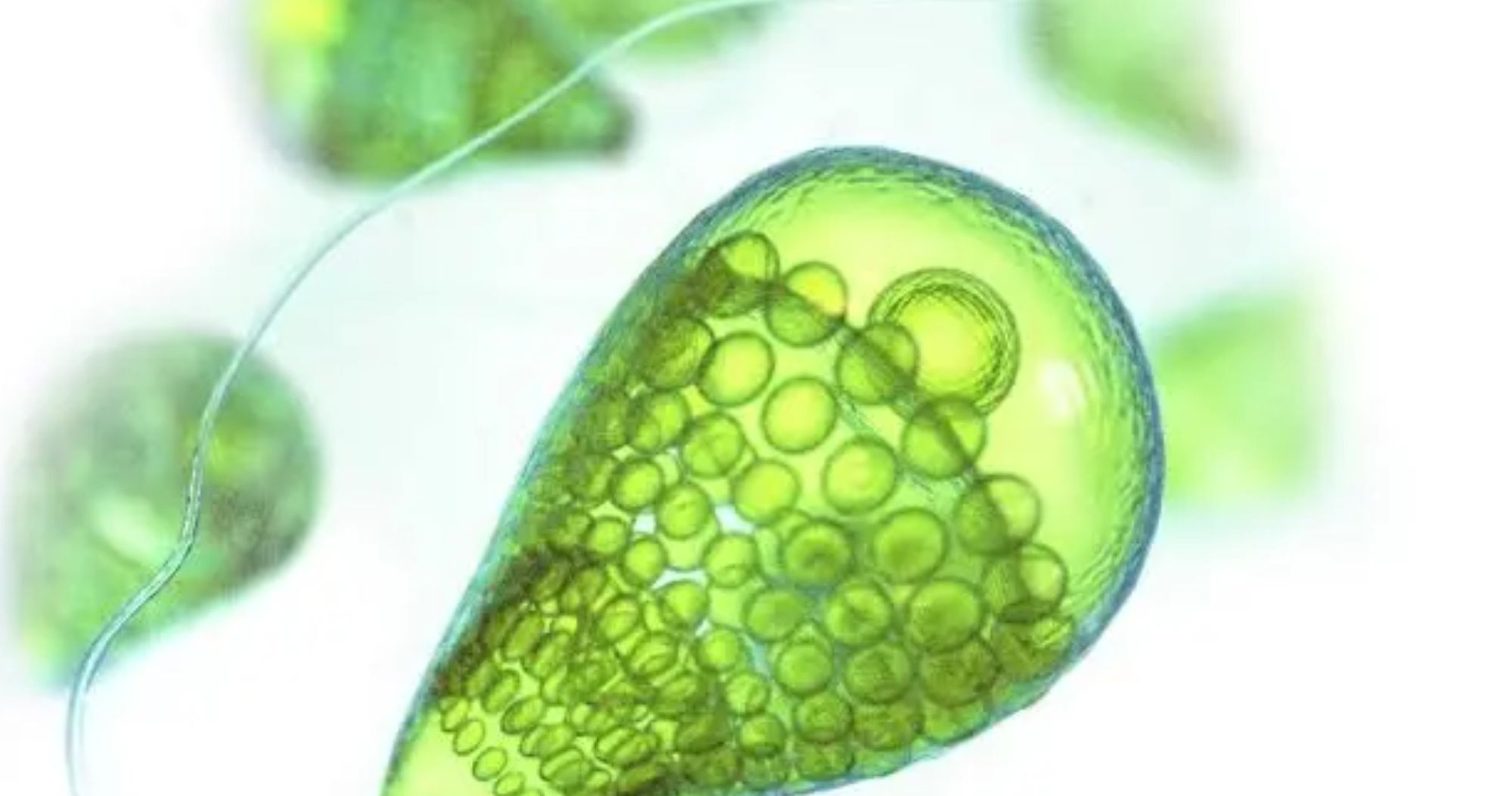
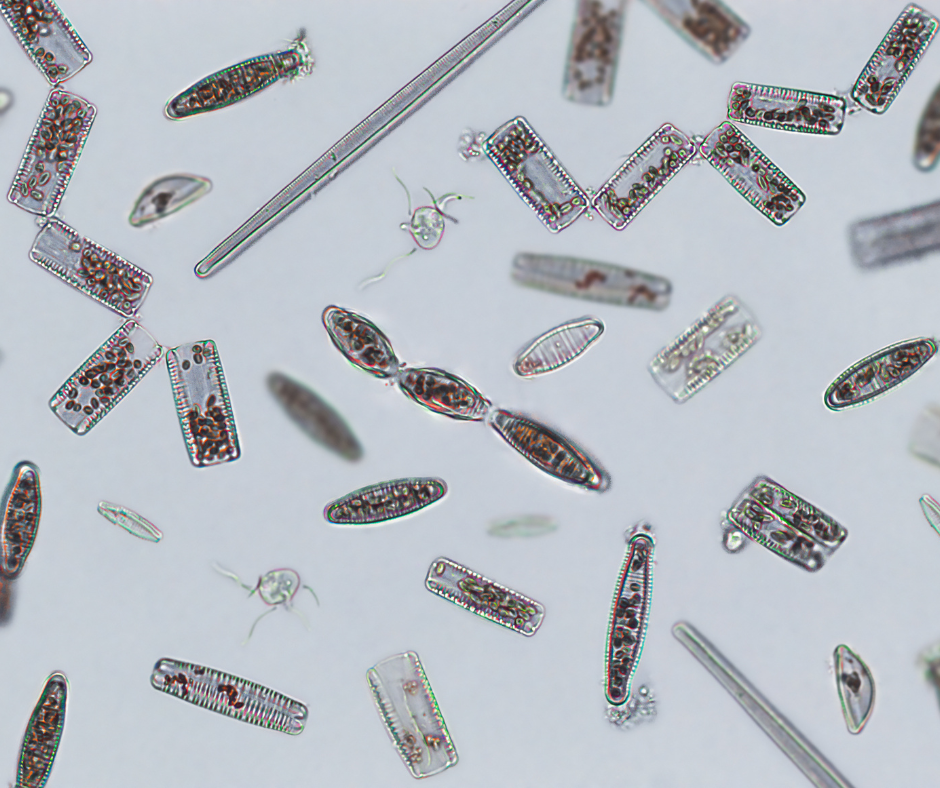
Unlike proteins from meat, fish or dairy — which are encased in complex tissue structures, the proteins in spirulina exist in a very simple cellular structure. Spirulina spirulina is a photosynthetic cyanobacterium, which does not have cellulose walls like plants, nor connective tissue like animals.
This gives an important advantage: when entering the digestive system, the protein in spirulina does not need too many enzymes to dissolve, which makes it possible to absorb faster and lighter. This is why many people share that when taking Spirulina it feels easy to digest and does not weigh down the stomach, especially compared to eating a lot of animal protein.
Why is Spirulina protein easier to absorb?

The ability to absorb protein depends not only on the nutritional composition, but also on how that protein exists in the food. With Spirulina, there are three key factors:
- The simple biological structure makes proteins more accessible to digestive enzymes.
- Protein in spirulina is often accompanied by natural microelements such as B vitamins, iron, magnesium - factors that support the metabolism and utilization of protein in the body.
- Spirulina almost not sclerosing fibers or compounds that interfere with absorption, so protein does not get stuck in the digestive system like some other plant foods.
Who is protein from spirulina suitable for?
The protein in spirulina is particularly suitable for
- Vegetarians, or semi-vegetarians, need a source of easily absorbed vegetable protein.
- Older people, poor digestive system, difficulty tolerating animal protein.
- Light to moderate exercisers, need protein supplements but don't want whey or deeply processed foods.
- People who pursue a minimalist nutritional lifestyle, prioritize natural, low-processed foods
A package of integrated nutrition comes with
When you consume protein from spirulina, you are not only getting amino acids. You are loading up on a natural “nutritional complex” that includes:
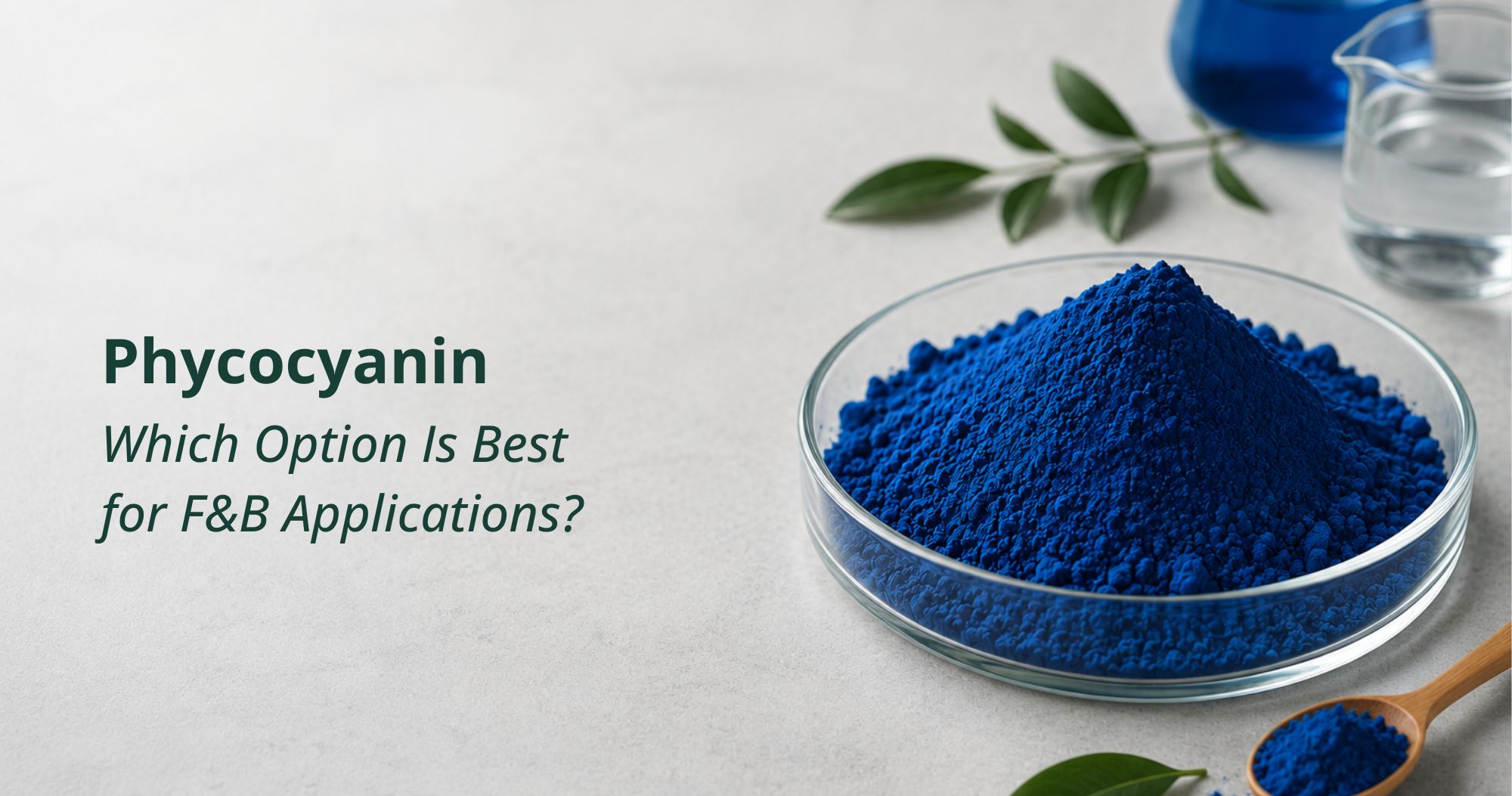
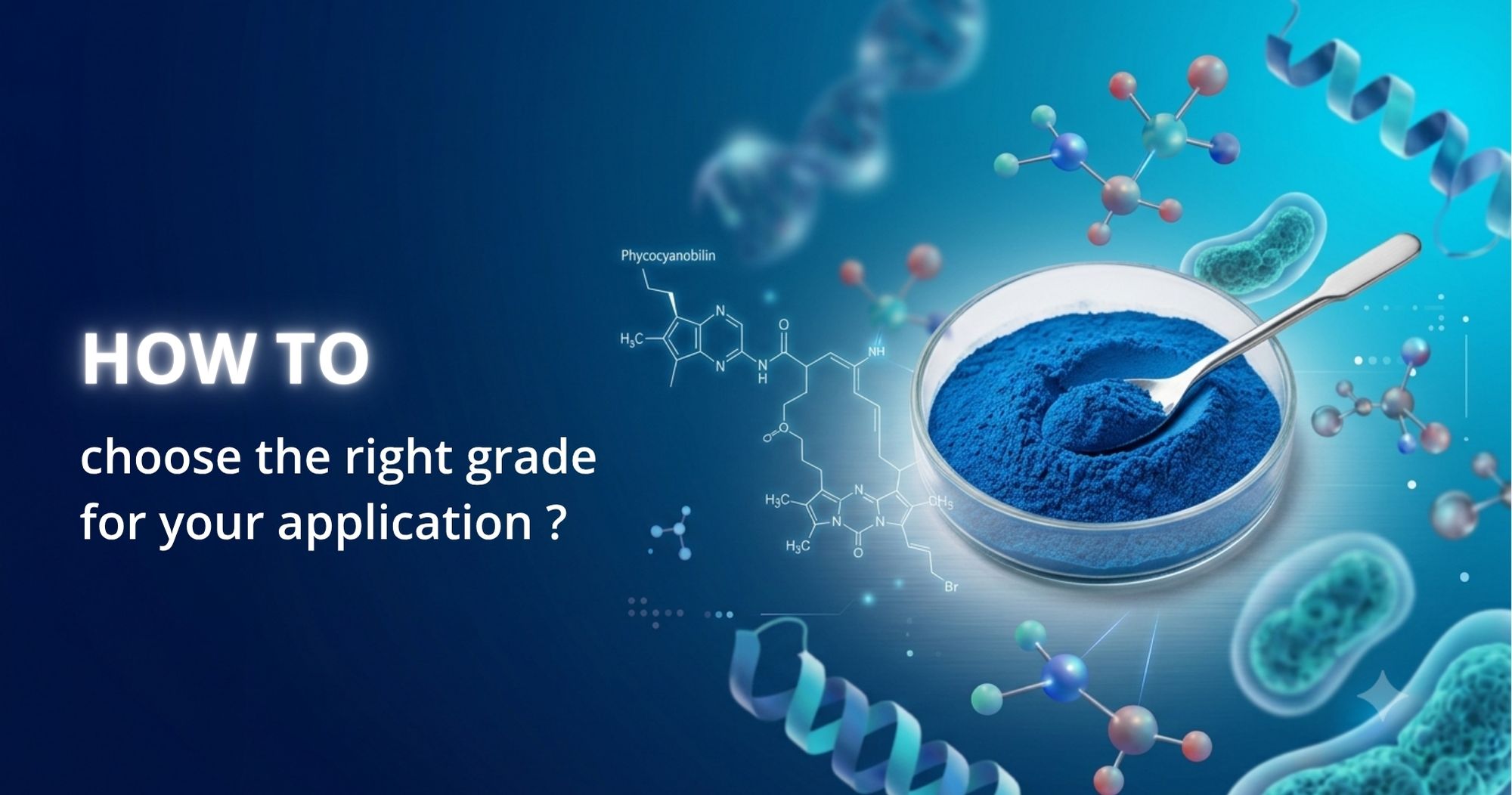
- Precious pigment: Phycocyanin - the protein-pigment that makes up the blue color, whose powerful antioxidant and anti-inflammatory activity has been studied.
- Vitamins of group B: Especially Vitamins B1 (Thiamine), B2 (Riboflavin) and B3 (Niacin), which are necessary for energy metabolism.
- Easily Absorbed Minerals: Iron, magnesium, potassium with high bioavailability.
- Beneficial fats: Contains Gamma-Linolenic Acid (GLA) fatty acids belonging to the beneficial Omega-6 group.
Spirulina and sustainable protein trends
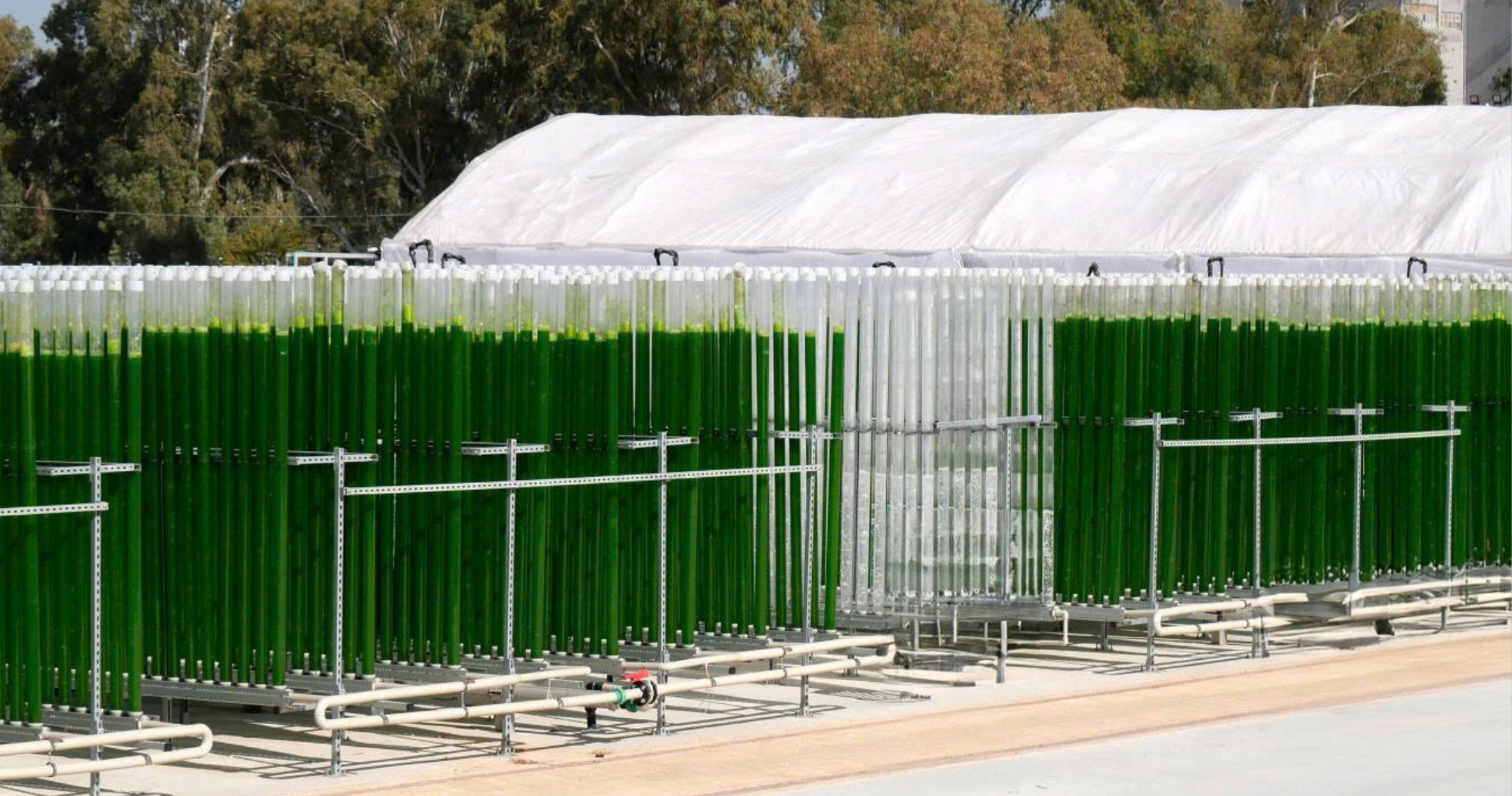
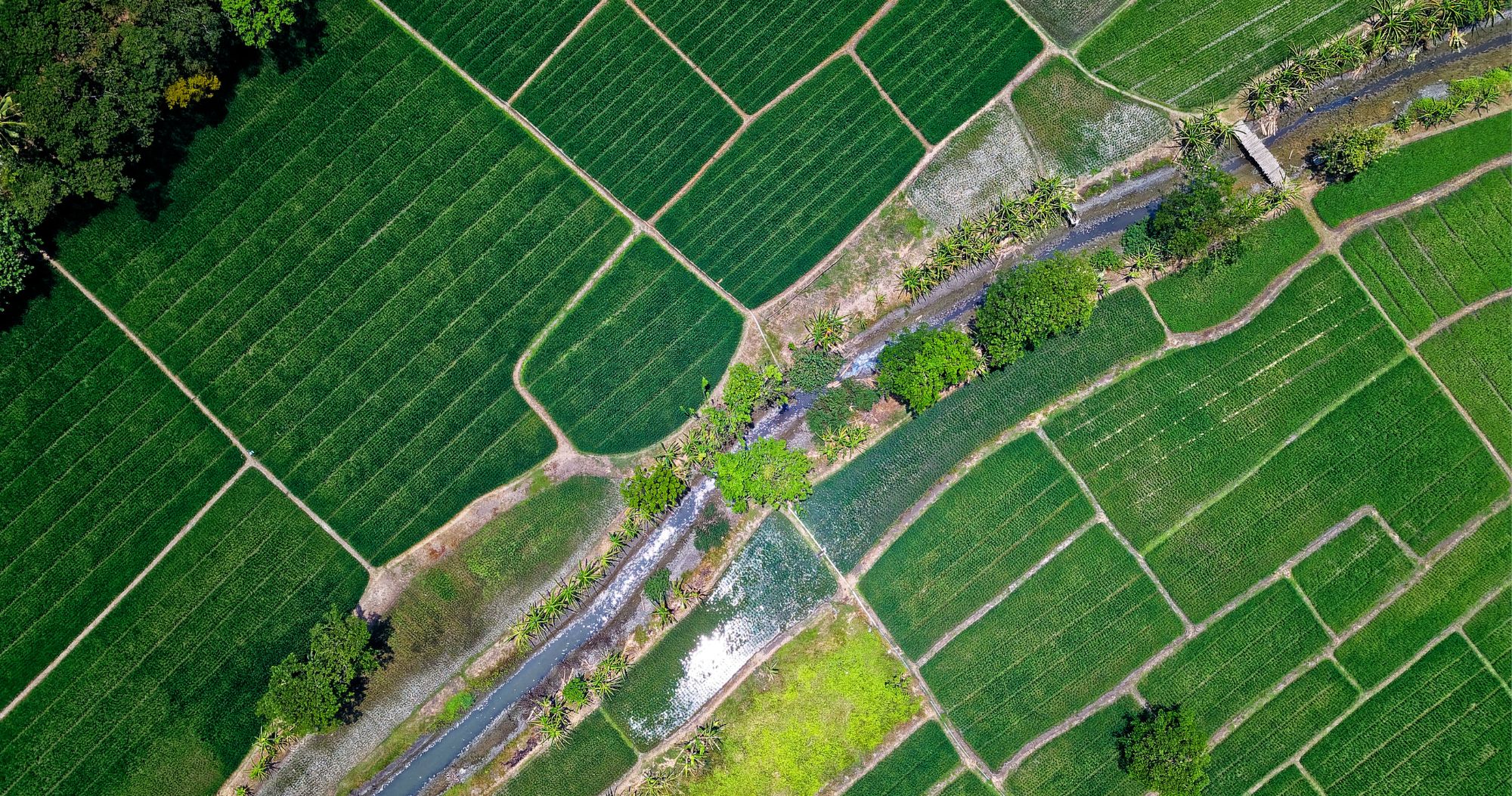
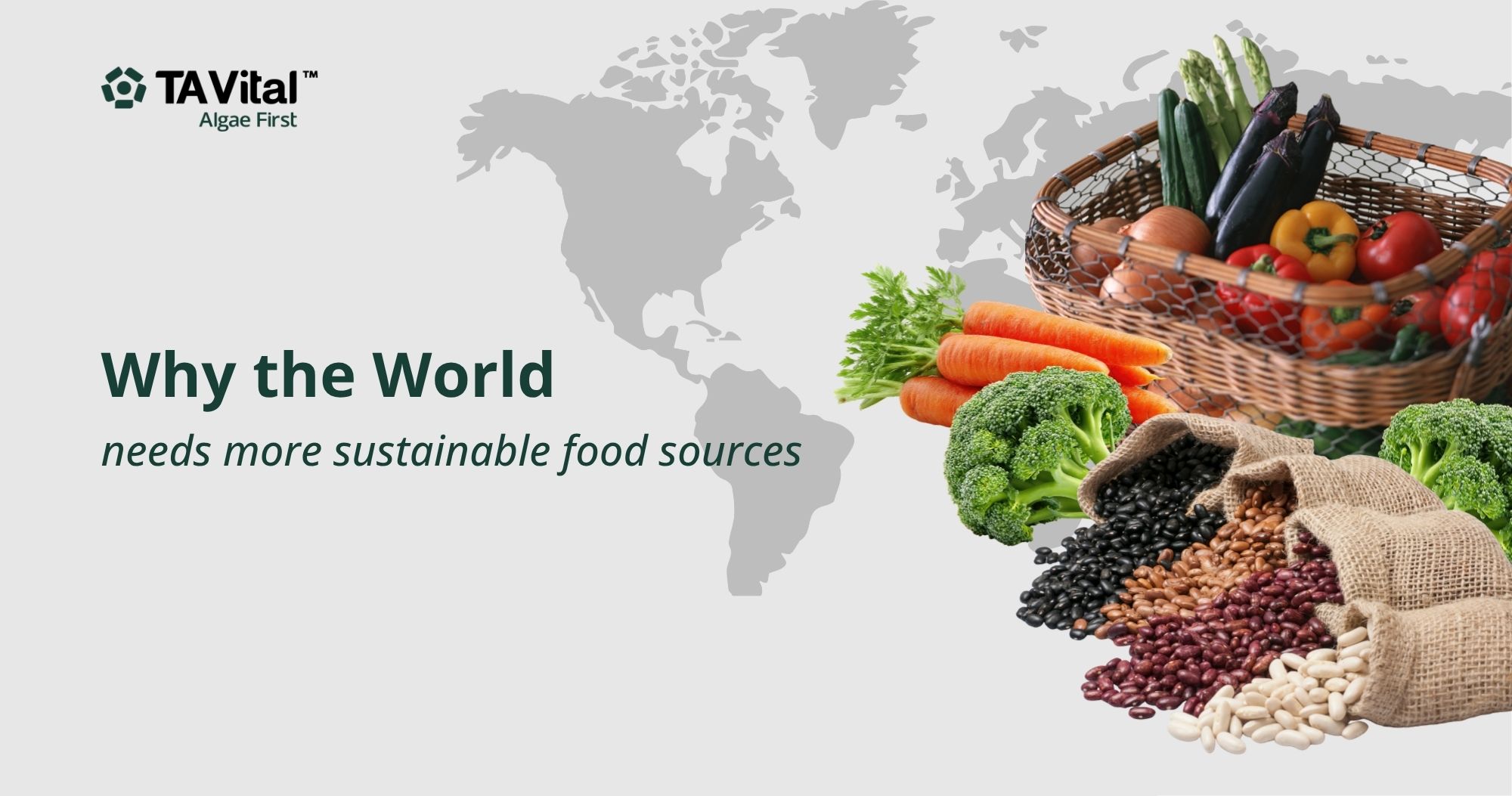
The value of protein in spirulina is not only in nutritional terms, but also highly appreciated in the global search for sustainable protein sources. Algae biomass grows rapidly, consumes little water, little space and produces high protein per unit of crop — this is why it is often called the “protein of the future”.
From this perspective, protein in spirulina is not only a personal story of health, but also part of a long-term nutritional trend.
Conclusion
Spirulina not only has protein, but it also possesses a complete, easily absorbed protein source that is associated with a rich nutritional profile and is produced in the most sustainable way. The true value of Spirulina protein lies in the optimal combination of superior nutritional quality and environmental responsibility, making it a bright candidate for the diet of modern and future people.
.png)
.png)

.jpg)


.jpg)
.jpg)


.jpg)


.png)
.png)
.jpg)
.jpg)




.jpg)

.jpg)


.jpg)
.jpg)


.jpg)



.jpg)




.png)




.jpg)

.jpg)