.jpg)
If you're feeling tired and seeing poorly while working long hours in front of a screen, you're not alone. This condition is very common in modern life, especially with office workers or people who regularly use phones and computers.
When experiencing vision problems, many people often immediately think of vitamin A. But few people know that there is a very abundant supply of natural previtamin A - it is Spirulina
So is the beta-carotene in spirulina really good for the eyes? And how does it work in the body? Let's find out in detail.
What is beta-carotene?

Beta-carotene is a compound belonging to the group of carotenoids — natural pigments that are yellow, orange, or red that are commonly found in vegetables. This is not direct vitamin A, but a “precursor” of vitamin A.
The peculiarity is that once in the body, beta-carotene is converted into vitamin A as needed. This helps the body avoid excess, which is a risk if taking synthetic vitamin A supplements.
Not only supports vision, beta-carotene also contributes to strengthening immunity, protecting the skin and maintaining mucosal health.
Beta-carotene content in spirulina
Spirulina is considered one of the most remarkable natural sources of beta-carotene. Unlike many root vegetables that need to be eaten in large volumes, only a small amount of spirulina has also significantly provided this active ingredient.
What makes spirulina different is not only in the content, but also in the absorbability. Thanks to its easily digestible structure, the nutrients in spirulina — including beta-carotene — can be used more efficiently by the body.
When put on a comparative scale, spirulina is often rated as having a higher beta-carotene density than many green vegetables, which can even be compared to carrots, which are notoriously “good for the eyes” food.
How does beta-carotene help improve vision?
This is the most important part that many people are interested in: how does beta-carotene really affect the eyes?
First of all, when converted to vitamin A, beta-carotene plays an essential role in the formation of rhodopsin — an important pigment in the retina. As a result, the eyes can adapt better in low light conditions, which helps you see better at night.
In addition, beta-carotene contributes to the maintenance of moisture of the eye mucosa. This is especially useful for those who often suffer from dry eyes and squint when working long in front of the screen.
Another noteworthy point is the antioxidant capacity. Blue light from electronics and environmental factors can produce free radicals that cause damage to eye cells. Beta-carotene helps neutralize these free radicals, which in turn supports eye protection in the long term.
Thanks to these mechanisms, the addition of beta-carotene from spirulina can contribute to the reduction of eye fatigue, support vision, and protect eye health over time.
Spirulina and Synthetic Vitamin A: Which to Choose?
This is a very common question and also a point that many rival articles often do not explain well.
Synthetic vitamin A can give a quick effect, but if overdosed, it can accumulate in the body and cause a number of undesirable effects.
Meanwhile, the beta-carotene from spirulina works in a “smarter” way. The body metabolizes only as needed, so the risk of excess is almost significantly lower.
Simply put, if you are looking for a long-term, safe and natural supplement solution, spirulina is the option to consider. Synthetic vitamin A is usually more suitable in cases of obvious deficiency and requires an indication from a specialist.
Who should take spirulina to support vision?
Not everyone needs supplements, but there are some audience groups that will see the benefits more clearly.
People who work a lot with computers, phones that are often exposed to blue light are the first group to consider. In addition, older adults — when their eyesight begins to decline naturally — may also benefit from this nutritional supplement.
In addition, if you regularly feel tired, dry eyes, or show signs of vitamin A deficiency, spirulina can also be a suitable support option.
How to use spirulina to effectively support vision
To be effective, the way of use is just as important as the product itself.
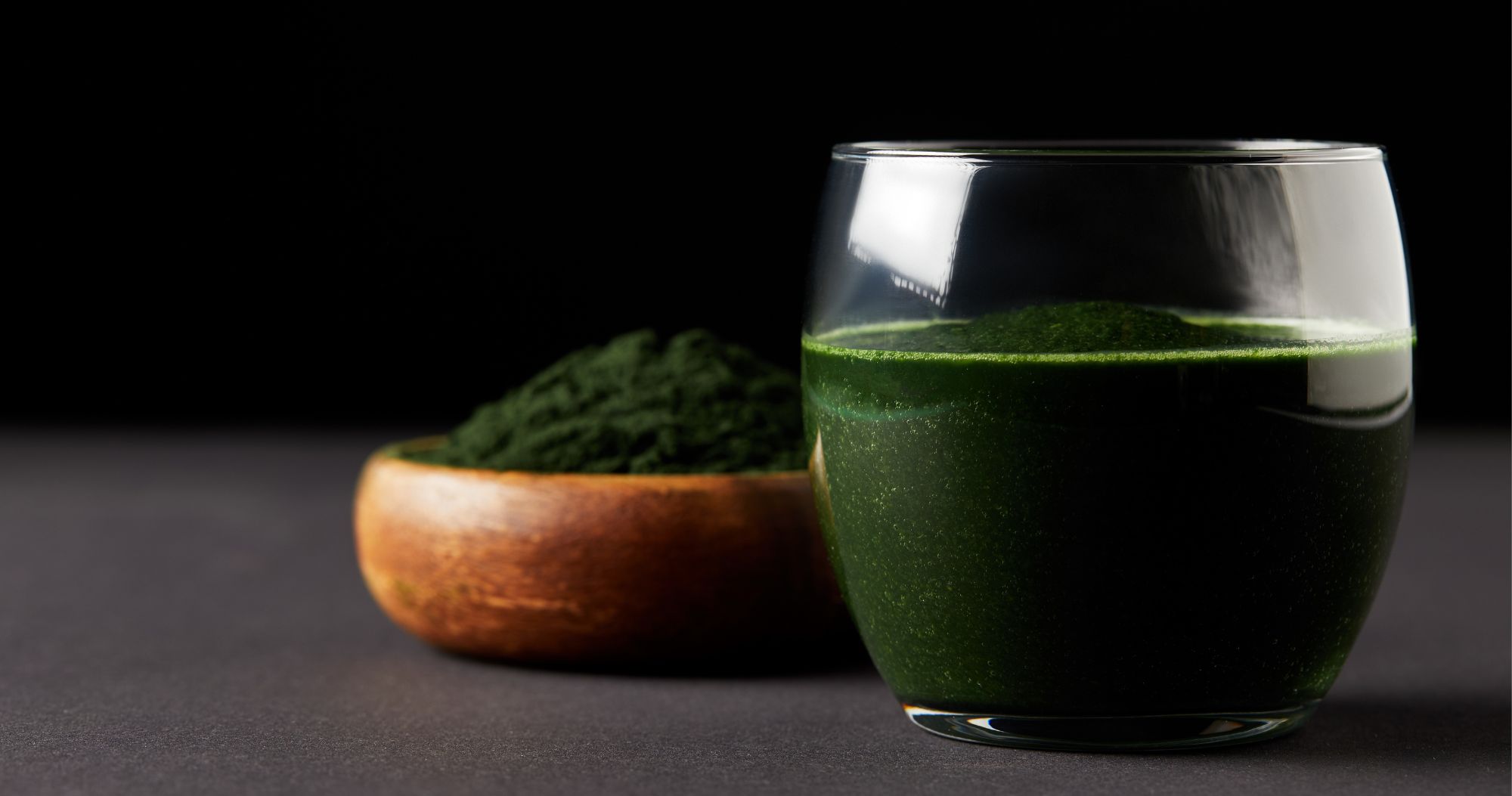
Usually, a dosage of about 1—3g per day is common, depending on needs and physical condition. You can drink it in the morning or at noon so that the body absorbs it better.
A tip is to combine spirulina with a diet rich in vitamin C and omega-3, as these are nutrients that also benefit the eyes and can support each other
.png)
Precautions when supplementing beta-carotene from spirulina
Despite being a good source of nutrition, spirulina should not be considered a “complete alternative” to greens in meals.
The choice of quality products, of clear origin, is also important, since microalgae can be affected by the culture environment.
And like any other food supplement, moderate, regular use is more effective than taking too much in the short term.
FAQs
Does beta-carotene make eyes brighter?
Can aid in improving vision, especially in low light conditions, but is not an instant “eye brightener”.
How often does spirulina take effect?
Depending on the location, but it usually takes several weeks of regular use to feel the change.
Does spirulina replace vitamin A?
Not quite, but can be a natural and safer source of supplements in the long term.
Should myopic people take spirulina?
Can be used to support eye health, but does not replace treatments or vision correction.
Conclusion
Beta-carotene in spirulina is one of the reasons why this microalgae is highly valued in modern nutrition. Not only supports vision, this active ingredient also contributes to the protection of the eyes from the environment and lifestyle.
However, like any other solution, the effectiveness will depend on how you use it and the combination with your diet and overall lifestyle.
If you're looking for a natural approach to eye care, spirulina is definitely an option worth considering.



.png)
.png)



.jpg)





.jpg)
.jpg)

.jpg)


.png)
.png)
.jpg)
.jpg)





.jpg)

.jpg)


.jpg)


.jpg)



.jpg)




.png)




.jpg)



.jpg)