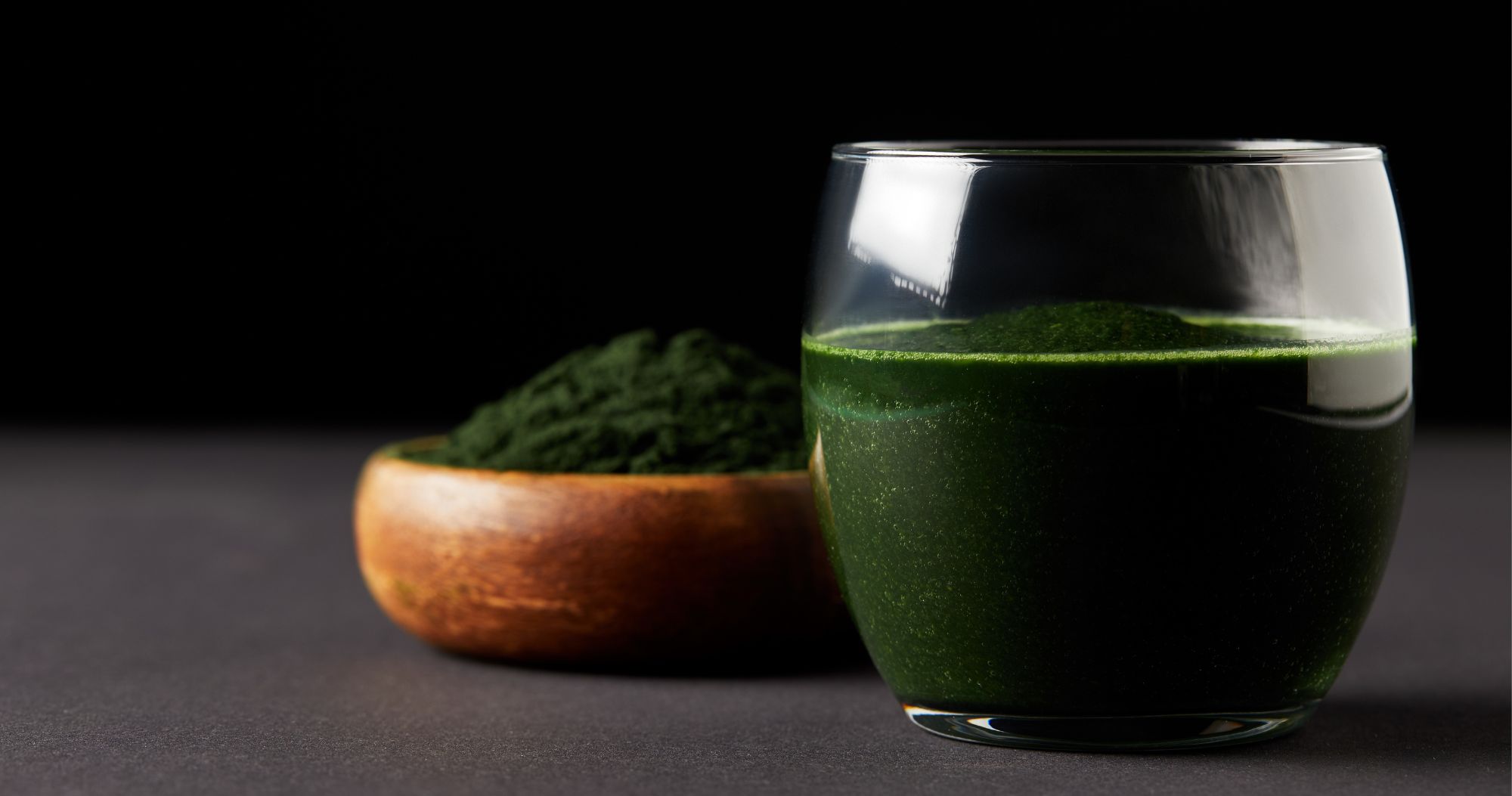
What is spirulina? It is a superfood that is attracting attention for its outstanding nutritional value and ability to support holistic health. With the scientific name Arthrospira platensis, fresh spirulina is not only an abundant source of protein, but also helps boost immunity, fight aging, and protect the liver. From production in Vietnam to everyday benefits, fresh spirulina is recognized by the World Health Organization (WHO) as the best health food of the 21st century, suitable for all ages to maintain abundant vitality.
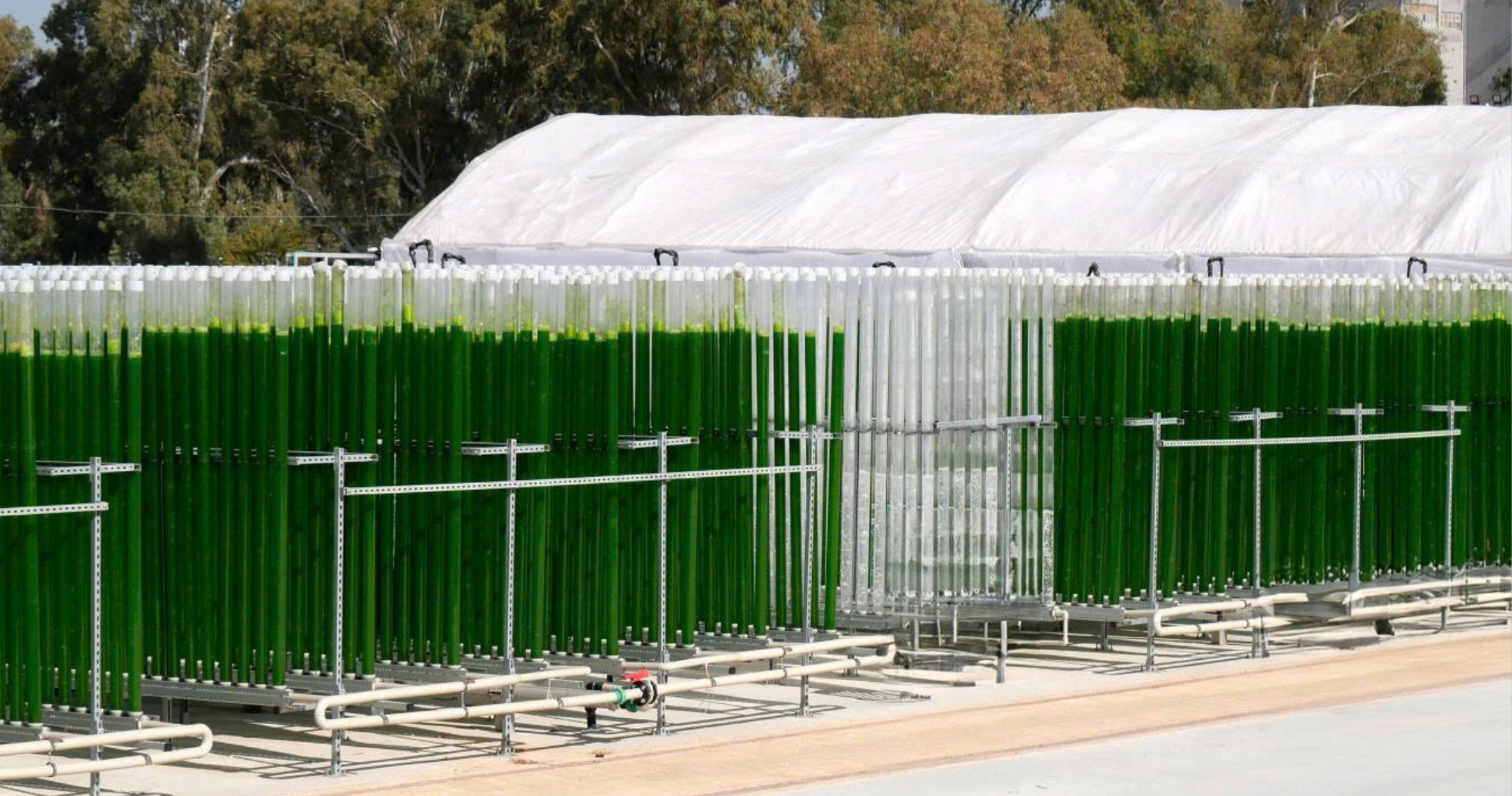
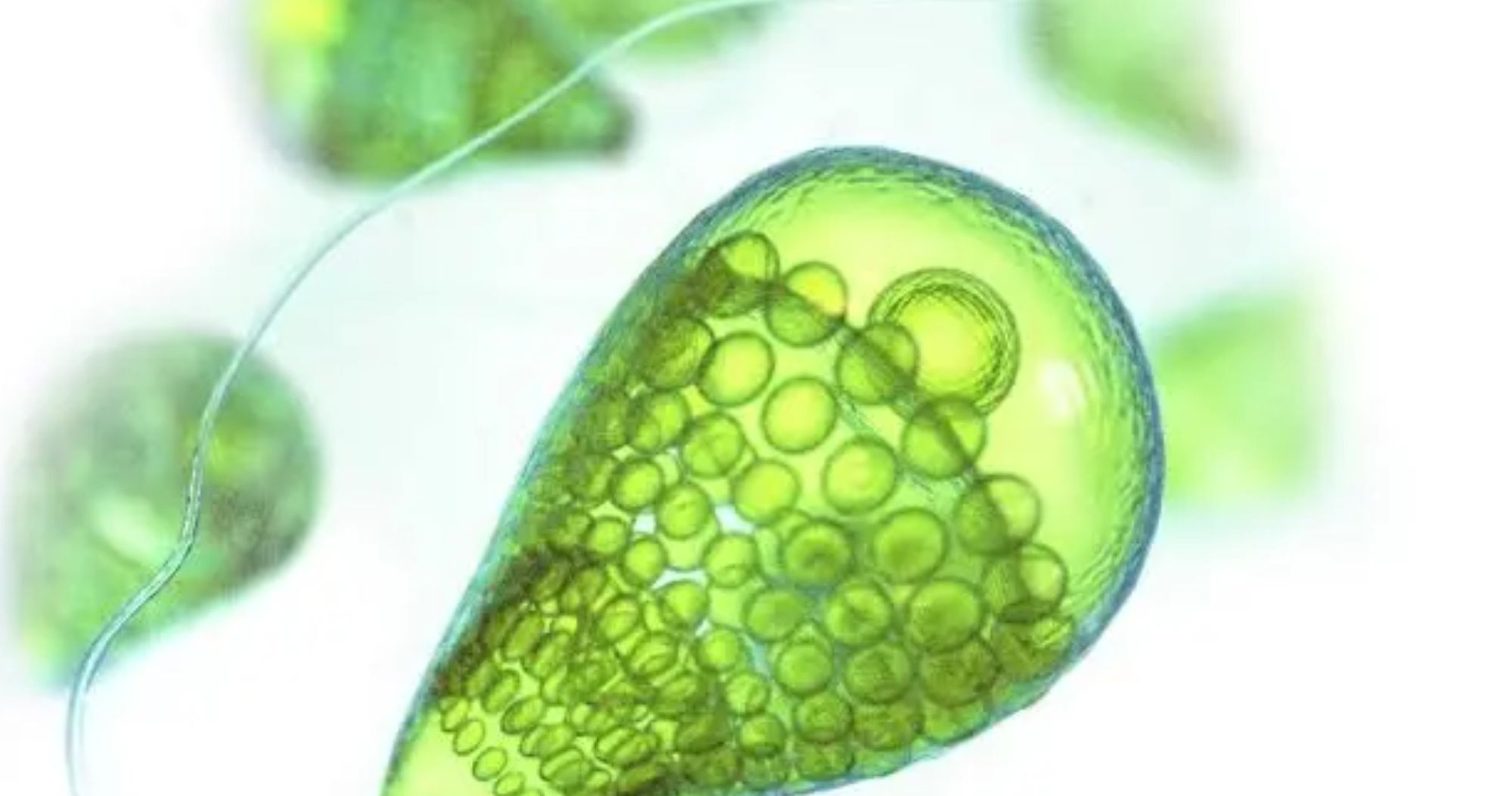
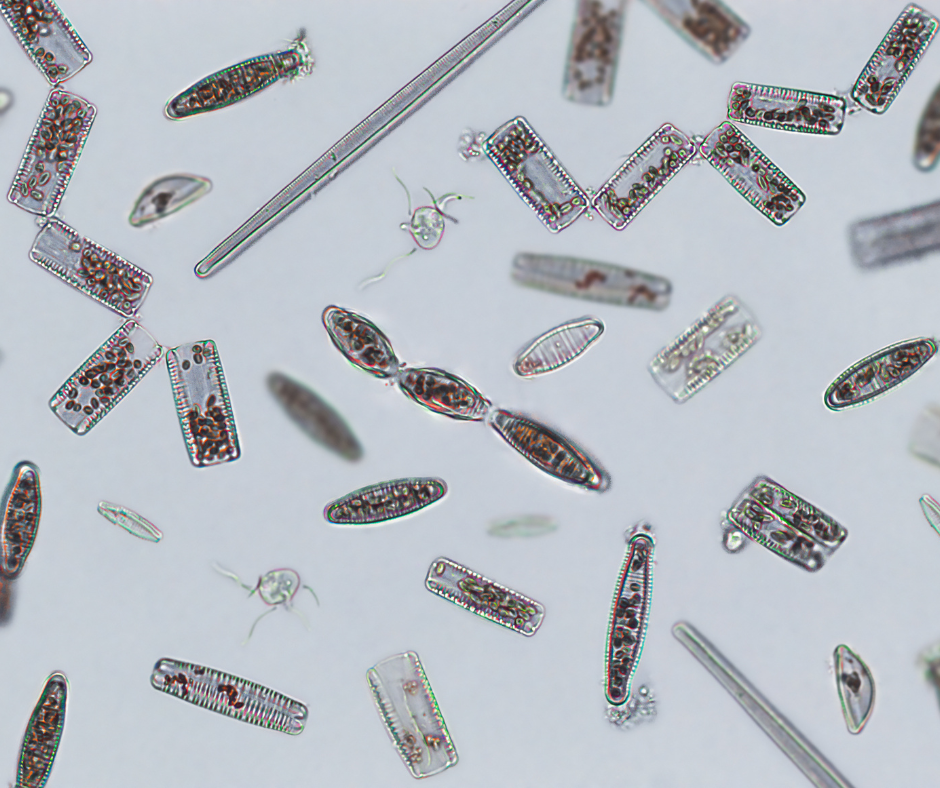
Spirulina, a cyanobacteria (Cyanobacteria) belonging to the group of prokaryotes, is not the true algae (Eukaryotes) as many mistakenly believe. With a dark blue spiral shape, they are only observable under a microscope and thrive in alkaline water environments with pH between 8.5 and 11.0. The current scientific name is Arthrospira platensis, belonging to the order Oscillatoriales.
What is the use of spirulina?
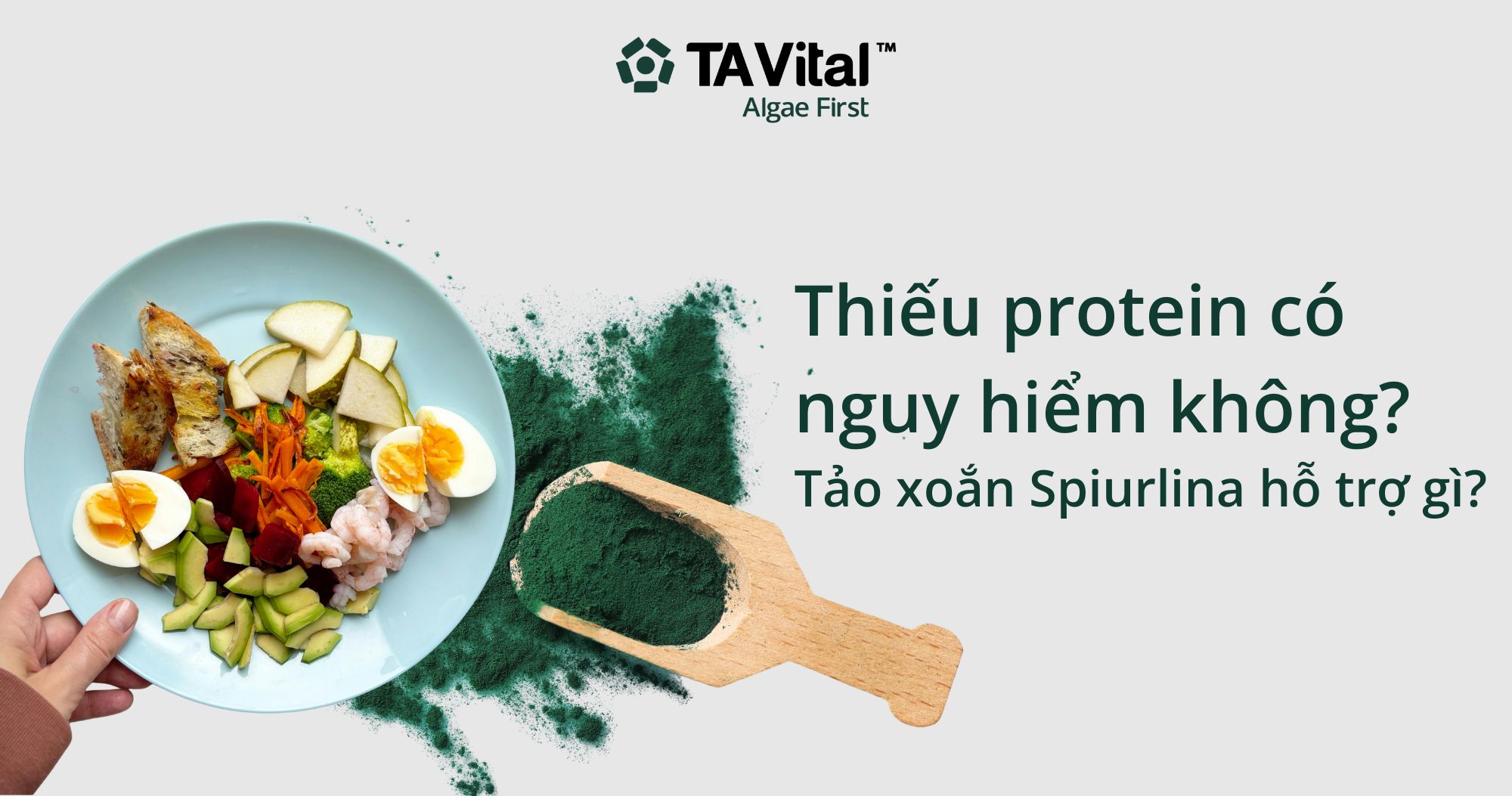
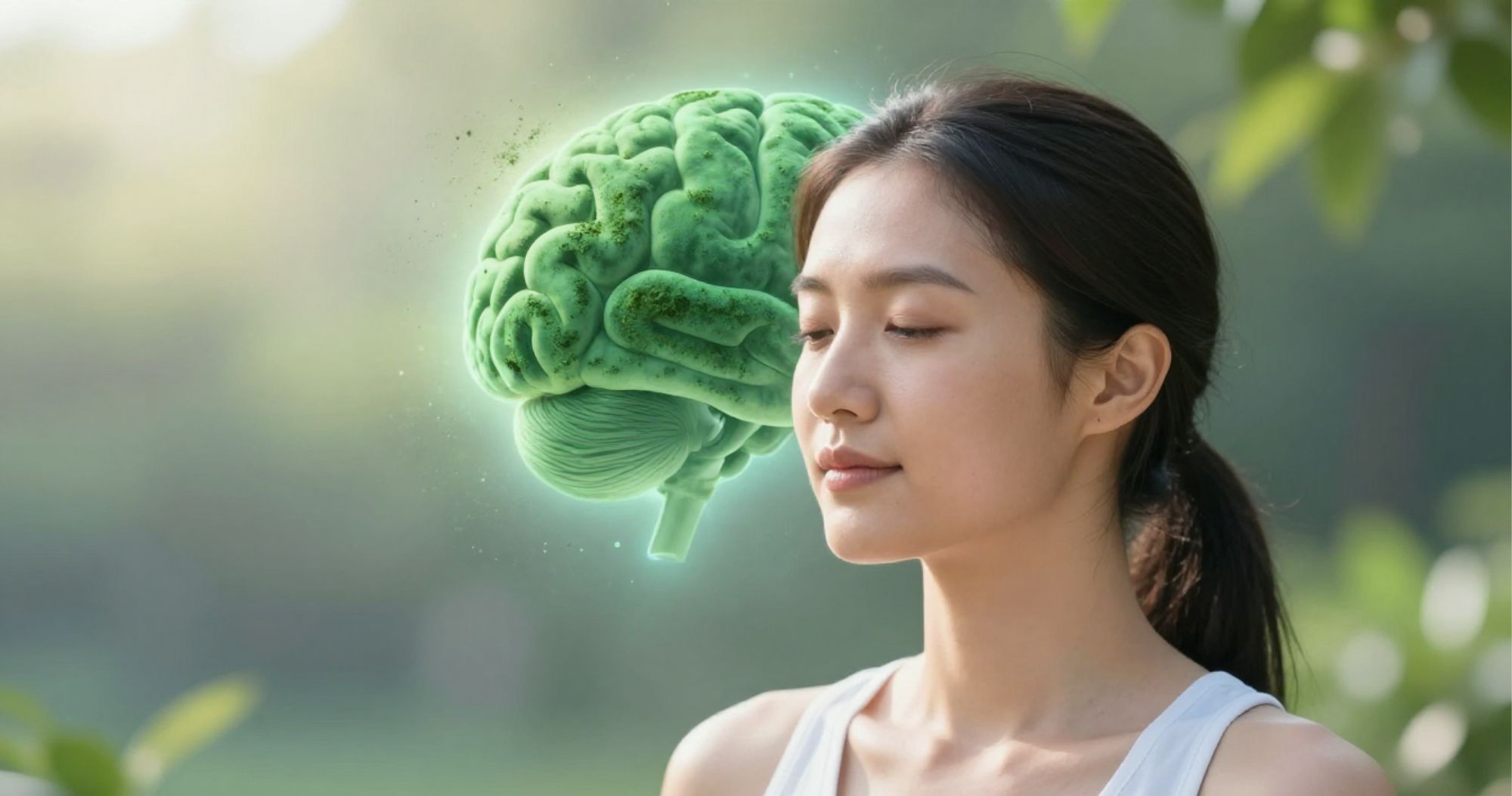
As a “superfood” rich in protein (more than 60% by weight), vitamins, minerals and antioxidants, it offers a variety of benefits, being recognized by the US FDA as the best source of protein. Here are the main uses:
- Comprehensive nutritional supplement: Full of essential amino acids, vitamins and minerals, helping to compensate for deficiencies for vegetarians, malnourished children or the elderly.
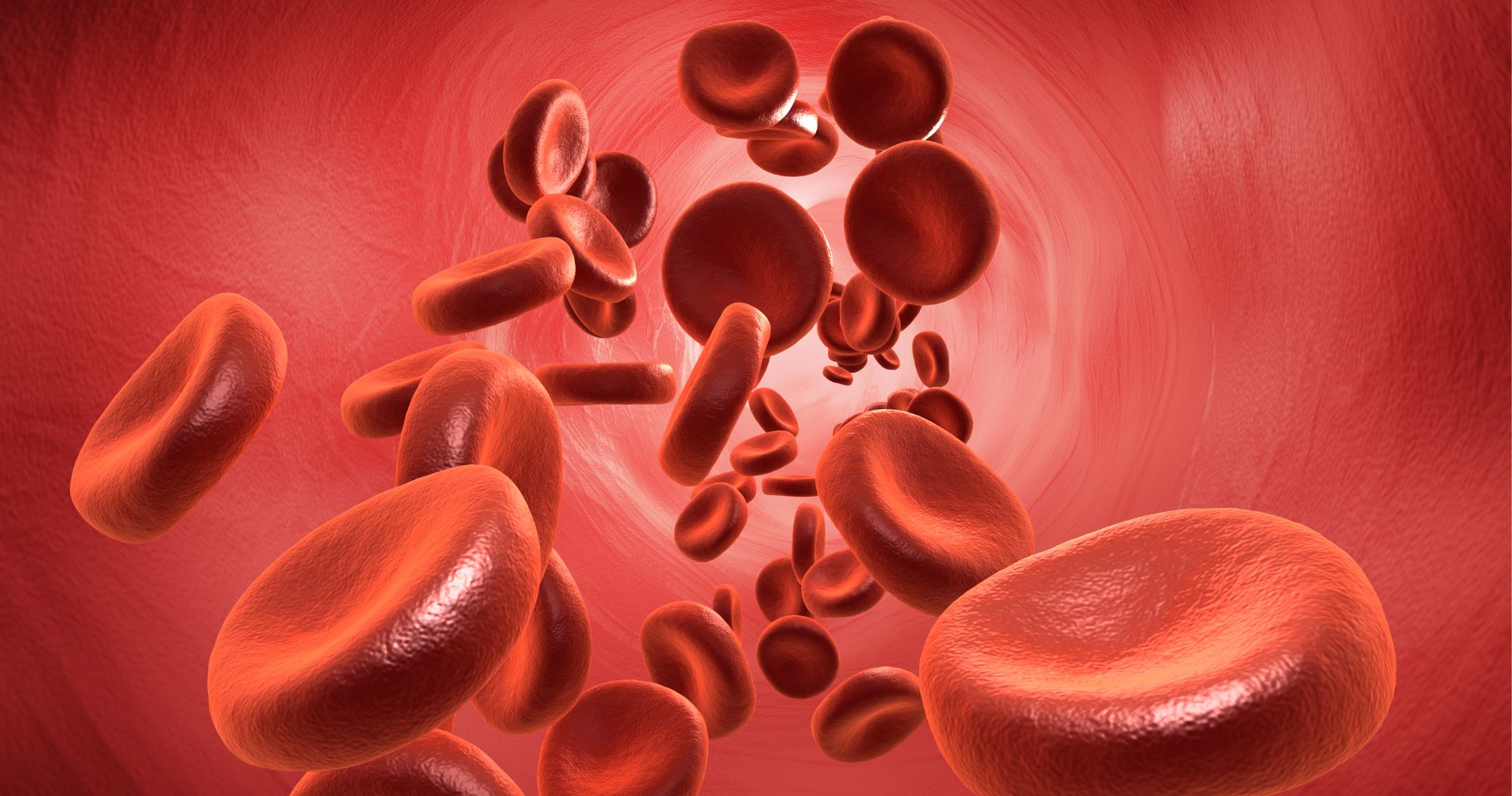
- Strengthens immunity: Stimulates the production of red blood cells and leukocytes, improves resistance against infections and viruses.
- Anti-aging and beauty: Antioxidants help reduce wrinkles, improve skin, hair and nails, giving a youthful appearance.
- Liver protection and detoxification: Inhibits liver toxins, supports body detoxification, suitable for people exposed to chemicals or alcohol consumption.
- Cholesterol and cardiovascular lowering: Limit cardiovascular accidents by balancing blood lipids.
- Antiviral and cancer prevention: Suppresses viruses such as HIV, HSV and is resistant to cancer.
- Child development support: What are the benefits of fresh spirulina for children? Provides essential nutrients, helps children gain weight, grow up and develop intellectually.
- Increase daily energy: Reduce fatigue, add iron and vitamins to maintain vitality.
Spirulina has a superior effect because the fresh form retains the enzyme alive, more effectively than the dry form.
.png)
How to use spirulina effectively
Simple and varied ways to use spirulina:
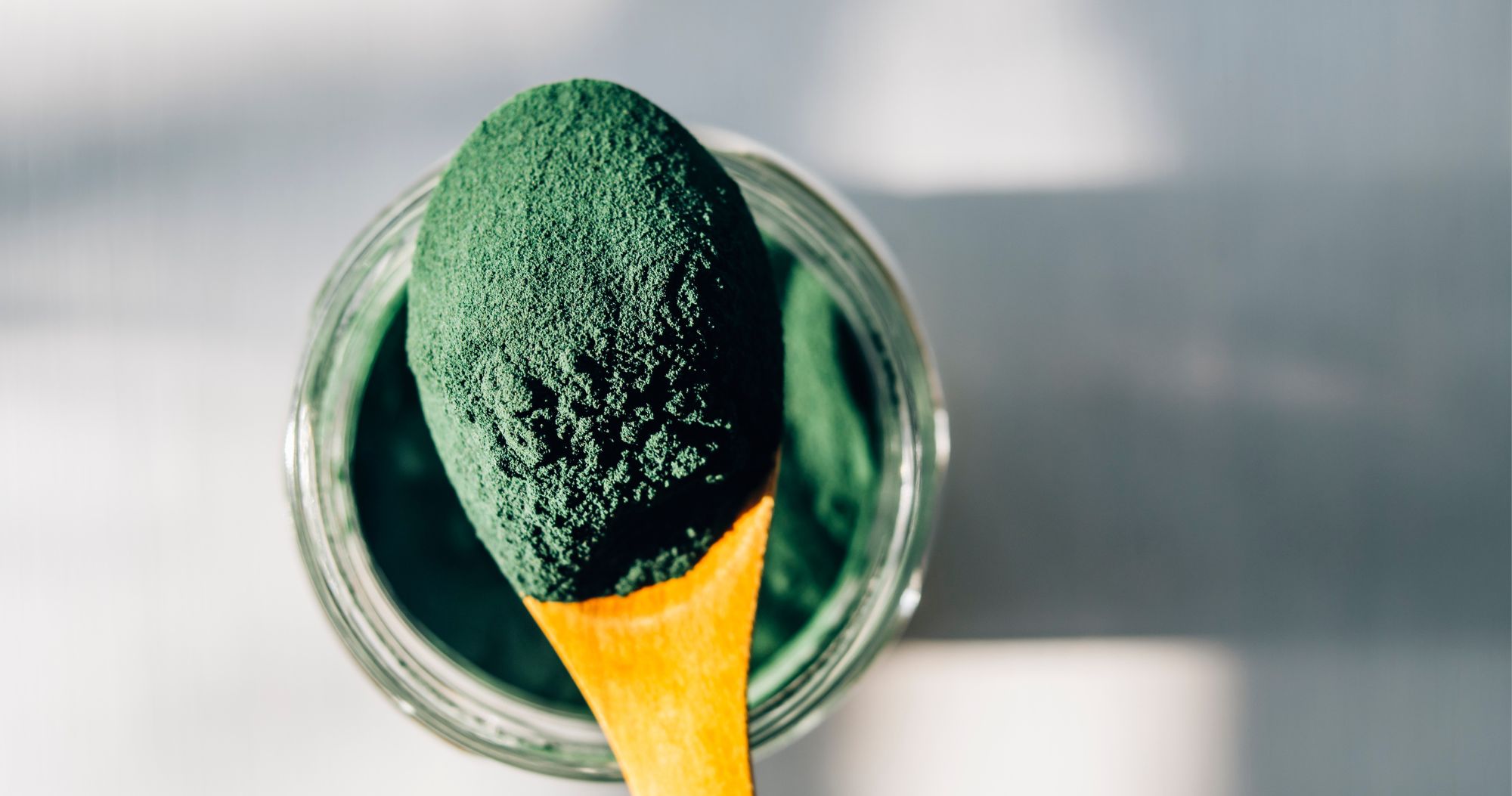
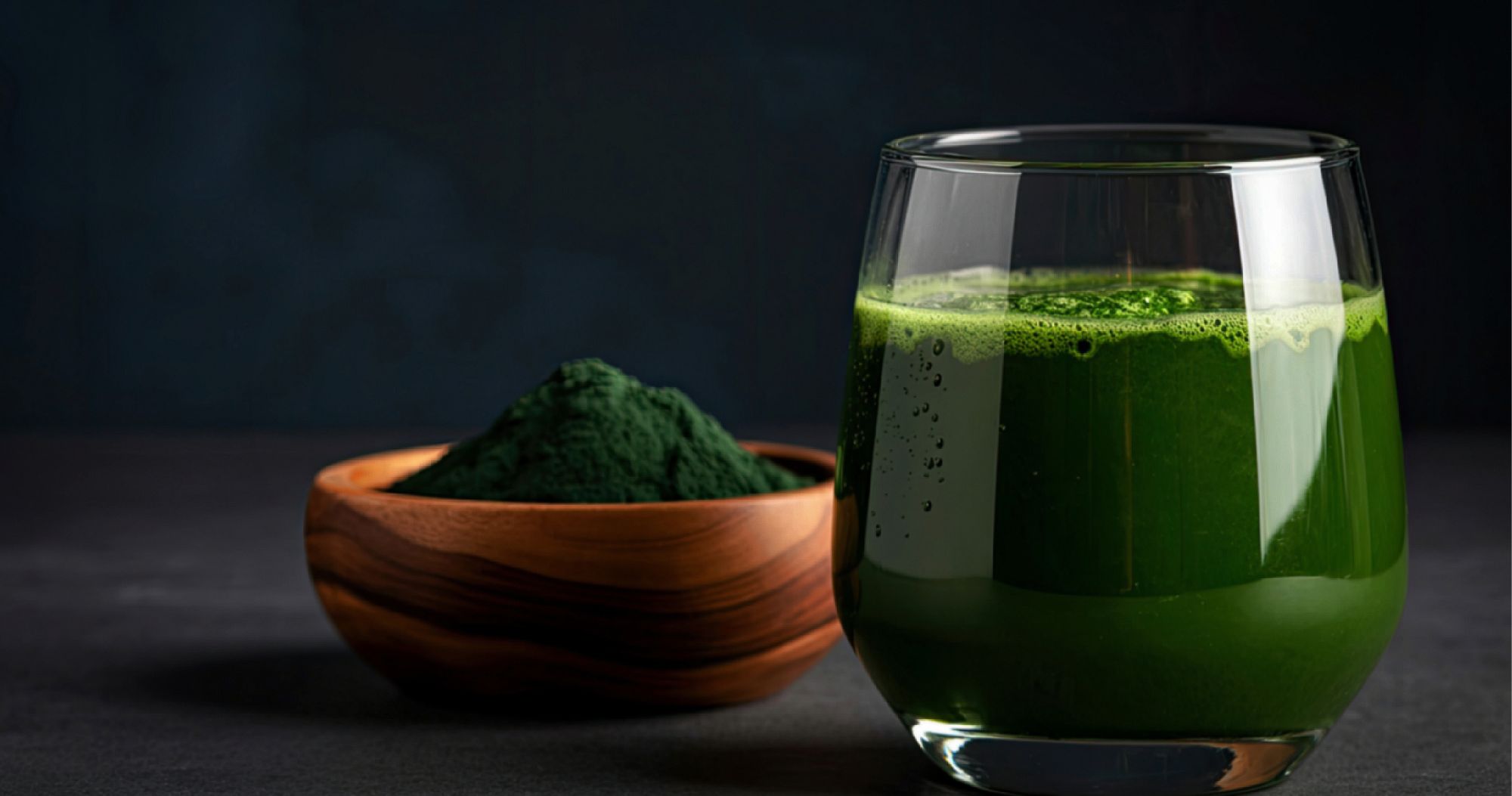
- Brew Fresh Spirulina: Store in the refrigerator or freezer, aged with water, sugar, or honey to create a delicious, dark green drink.
- Drink daily: Mix 1 tablespoon of pure fresh spirulina with warm water, add honey. Drink light to increase energy, only after a short time there is an improvement in health.
- Face mask: Mix with fresh milk into a nourishing mask.
- Add to the dish: Combine smoothies, salads, or snack foods for children.
Cautions when using fresh spirulina
Safe for most people, but start small doses to test for allergies. Consult a doctor if pregnant or there are pathologies. Choose reputable sources such as Vietnamese products to avoid pollution.
What is fresh spirulina is not only a question of definition, but also of practical benefits. Try pure fresh spirulina to experience this superfood!
.png)
.png)


.jpg)



.jpg)
.jpg)

.jpg)


.png)
.png)
.jpg)
.jpg)




.jpg)

.jpg)


.jpg)
.jpg)


.jpg)



.jpg)




.png)




.jpg)


.jpg)