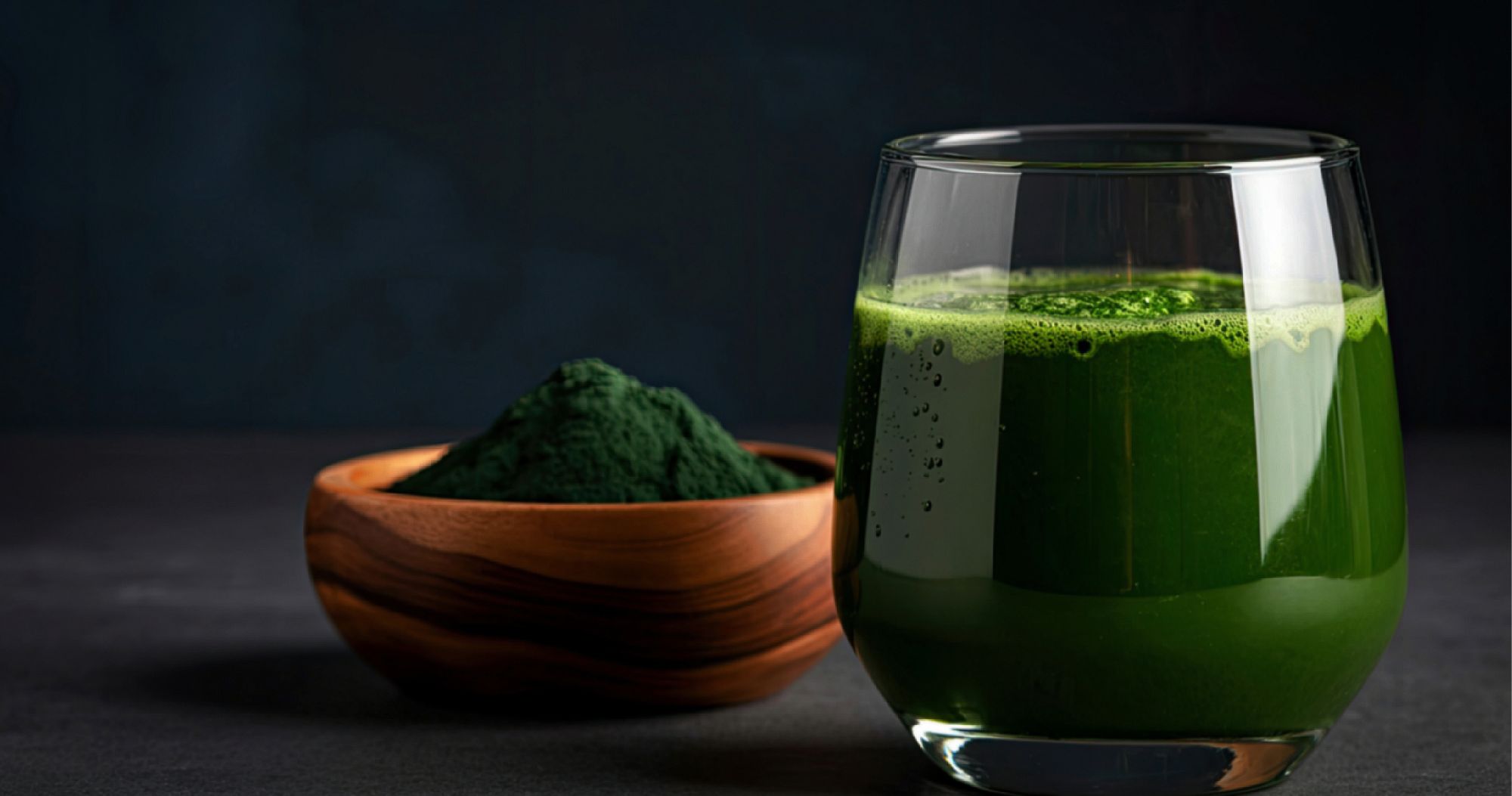
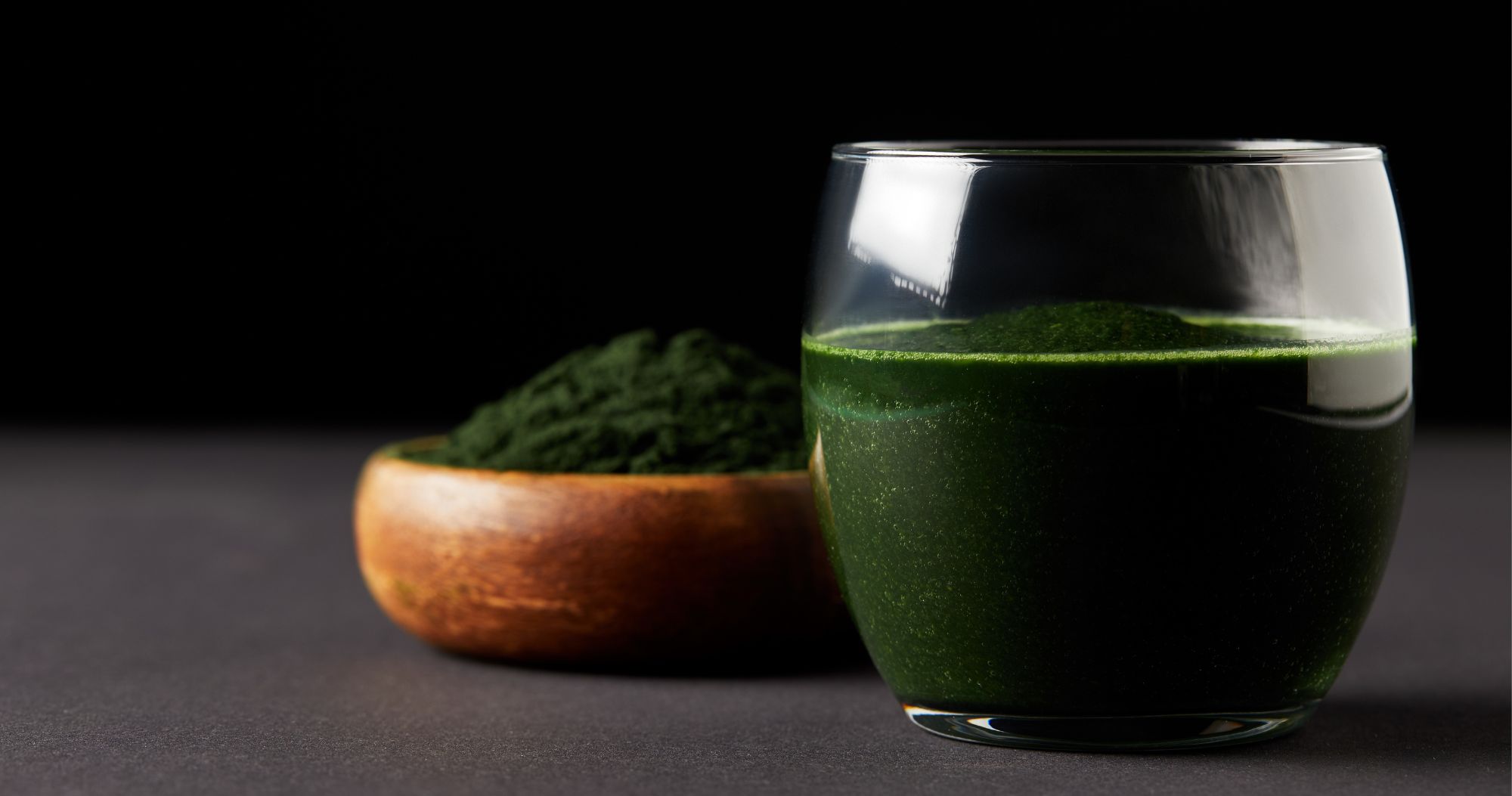
Spirulina (spirulina) is considered an immune-supporting food because it is rich in protein, vitamins, minerals and antioxidant compounds such as phycocyanins. These ingredients can support the activity of immune cells, reduce oxidative stress and contribute to the regulation of inflammatory responses in the body.
How is Spirulina considered an immune-supporting food?
When it comes to immunity, many people immediately think of vitamin C or zinc. But in recent years, Spirulina (spirulina) has been increasingly studied for its role in supporting the immune system.
Interestingly, Spirulina does not act in a “strong stimulation” way, but is more likely to nourish the immune background from cellular nutrition.
So in particular, in what way does Spirulina support immunity?
What does the immune system need to function properly?
First of all, it should be understood that the immune system works not only when you have a cold or infection. It operates every day, silently protecting the body from bacteria, viruses and harmful agents from the environment.
To do this, the immune system needs to be adequately nourished. Immune cells need proteins to make antibodies, need vitamins and minerals to activate the response, and need a stable intracellular environment so as not to be weakened by oxidative stress.
Spirulina does not stimulate immunity in an immediate way, instead, it provides the foundational elements for the immune system to function more stably.

Proteins in spirulina spirulina - the basis of antibodies
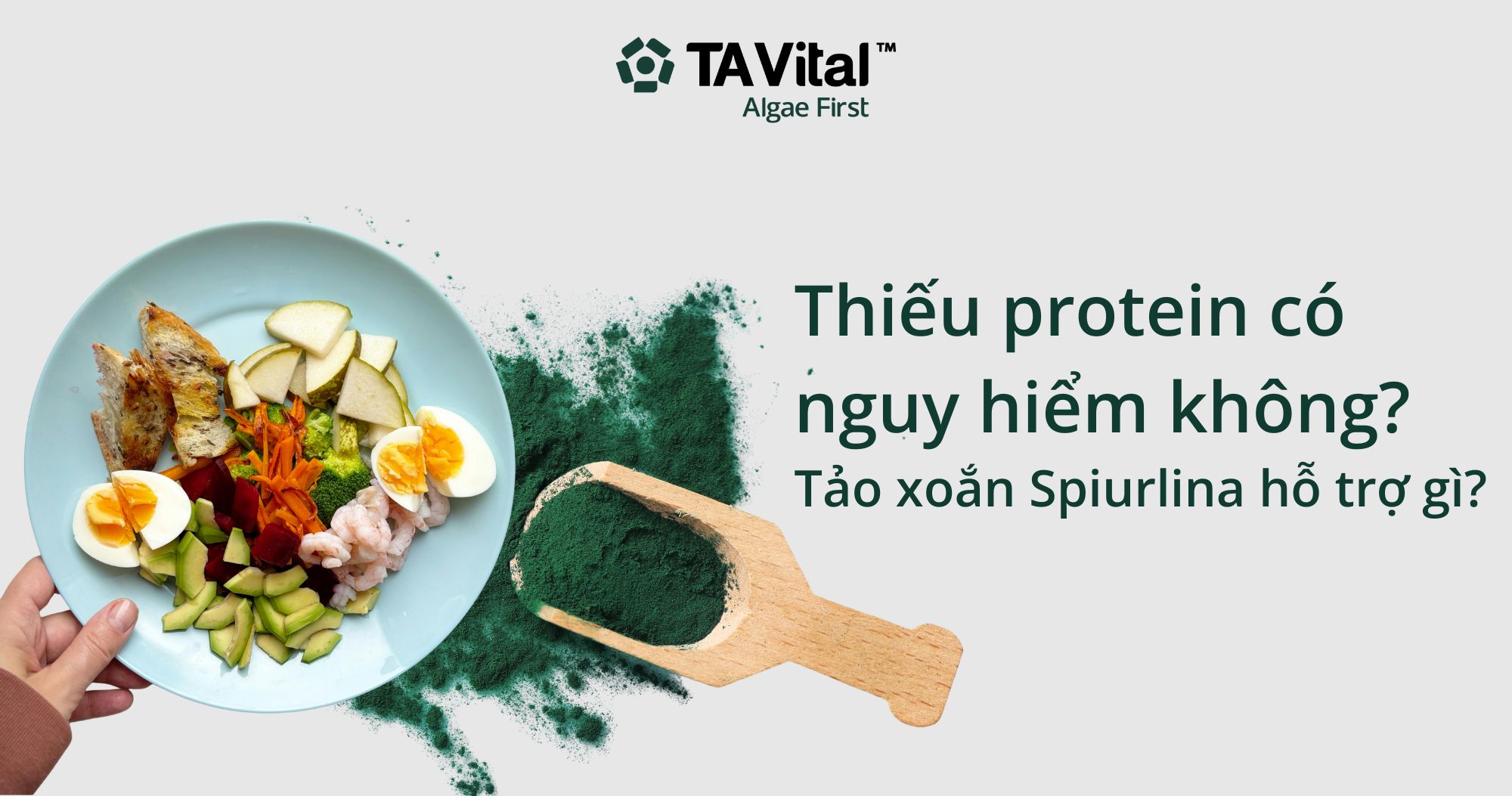
One of the reasons why Spirulina is noticed is due to its very high protein content that accounts for about 60-70% of the dry weight. More importantly, it is a complete source of protein, which contains enough essential amino acids that the body cannot synthesize on its own.
Protein is the raw material for the body to produce antibodies and many other immune molecules. When the body lacks protein, the ability to respond to immunity may decrease. This is common in people who eat poorly, vegetarians who do not get enough nitrogen, or who are recovering from illness.
By providing a quality source of protein, Spirulina contributes to helping immune cells have enough raw materials to function.
Phycocyanin - protects immune cells from oxidative stress
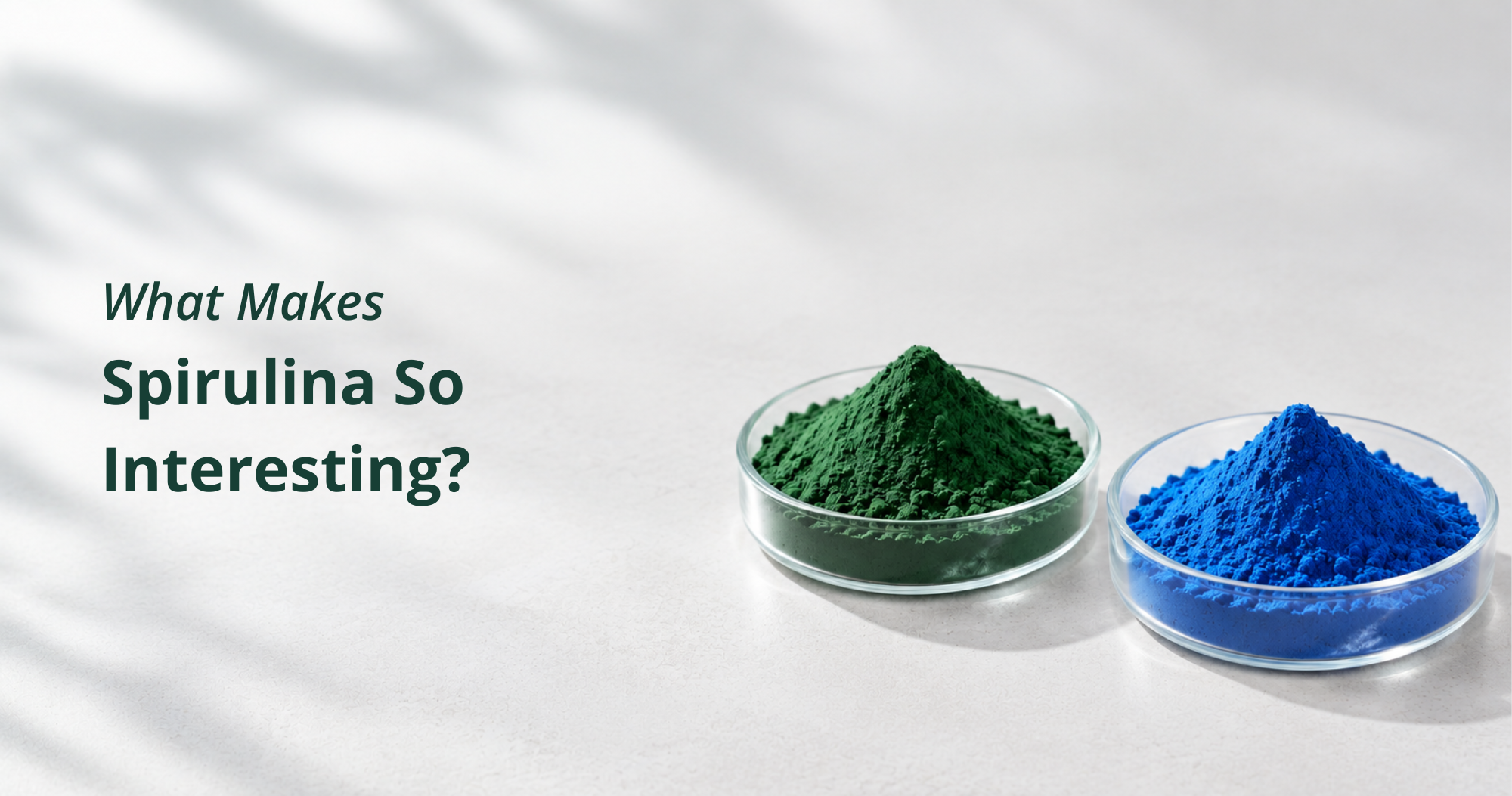
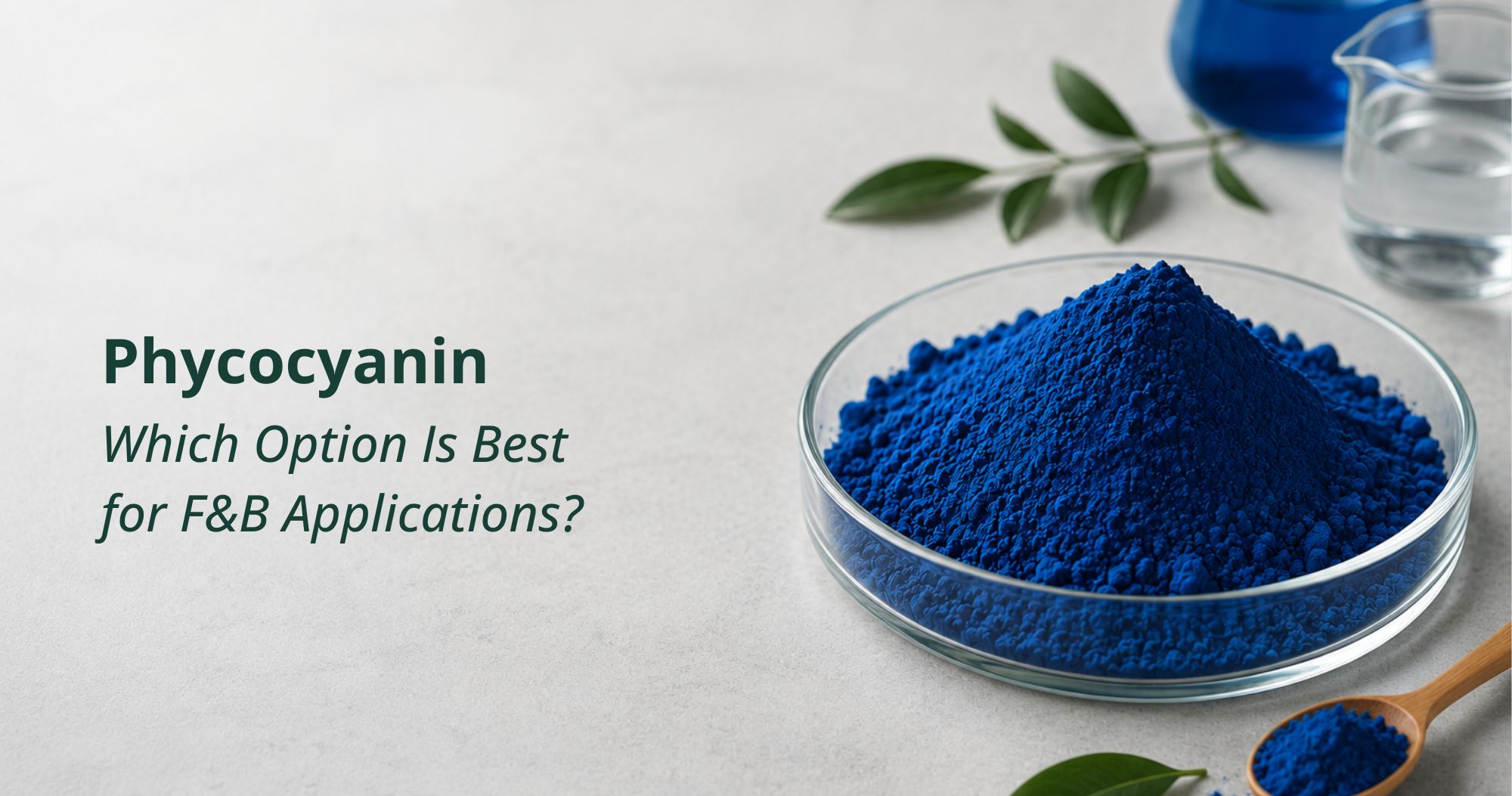
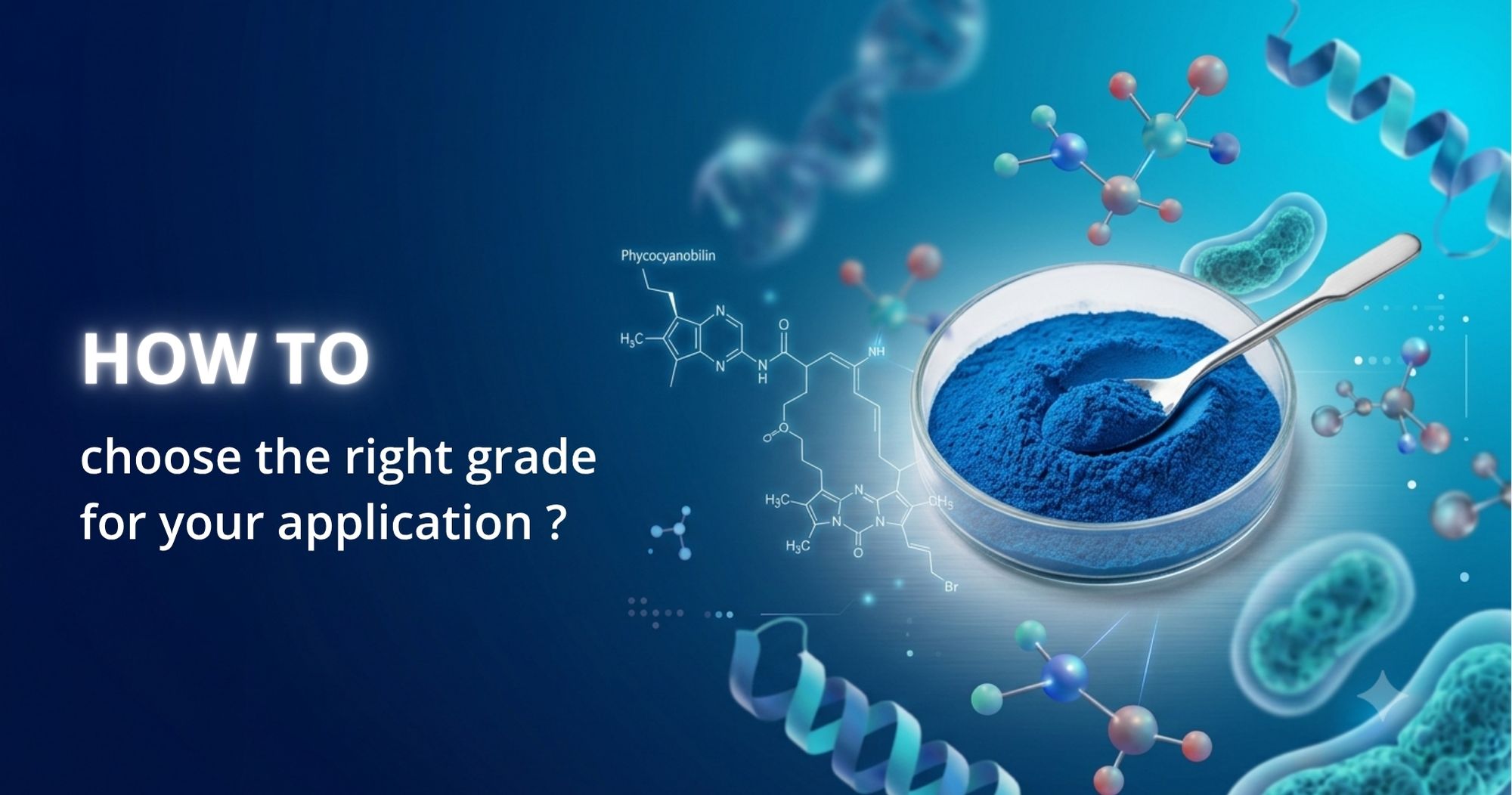
The characteristic blue color of spirulina comes from a pigment called phycocyanin. This is not only a coloring agent, but also an antioxidant compound that is studied quite a lot.
In the body, oxidative stress occurs when free radicals accumulate excessively and cause cell damage. If this condition persists, immune cells are also affected, causing the body's protective response to become ineffective or unbalanced.
Phycocyanins in spirulina have the ability to support free radical neutralization and contribute to the regulation of inflammatory response. This makes the intracellular environment more stable, thereby facilitating the smooth functioning of the immune system.
It is important that spirulina is not an anti-inflammatory drug, but plays the role of supporting balance from the inside.
Micronutrients - indispensable elements for immunity
Besides protein and phycocyanins, Spirulina also contains many vitamins and minerals such as iron, magnesium and B vitamins.
Iron helps transport oxygen to cells, including immune cells. Vitamins of group B participate in energy metabolism, which helps cells to be able to function properly. With a lack of these micronutrients, the body easily falls into a state of fatigue, and resistance also deteriorates accordingly.
Spirulina is not the only source, but it can be a useful supplement in modern diets that are prone to micronutrient deficiencies.
Immunity and the digestive system are closely linked
Few people notice that much of the immune activity is related to the intestines. The intestinal microflora serves as a first barrier against the damaging agent.
Spirulina contains several natural compounds that can support the intestinal microbiological environment. When the digestive system is healthy, the absorption of nutrients is better and the immune response is more balanced.
In other words, immunotherapy is not only about vitamin supplements, but also about maintaining a stable digestive system.
Spirulina is a nutritional supplement
Spirulina does not replace medical treatment and does not have a specific healing effect.
Spirulina's role lies in providing nutrition and supporting a healthy intracellular environment, thereby helping the immune system function better in a natural way.
The actual effect also depends on the overall lifestyle such as diet, sleep, stress levels and movement.
Spirulina is considered an immune-supporting food because it nourishes the foundation of the immune system from the inside. Thanks to a complete source of protein, antioxidant compounds such as phycocyanins and essential micronutrients, spirulina contributes to the proper functioning of immune cells.
Instead of looking for an immediate solution, many people still choose Spirulina as part of a long-term wellness lifestyle, when immunity is sustainably nurtured every day.


.png)
.png)



.jpg)





.jpg)
.jpg)



.jpg)


.png)
.png)
.jpg)
.jpg)





.jpg)

.jpg)


.jpg)
.jpg)


.jpg)



.jpg)


.png)




.jpg)



.jpg)