.jpg)
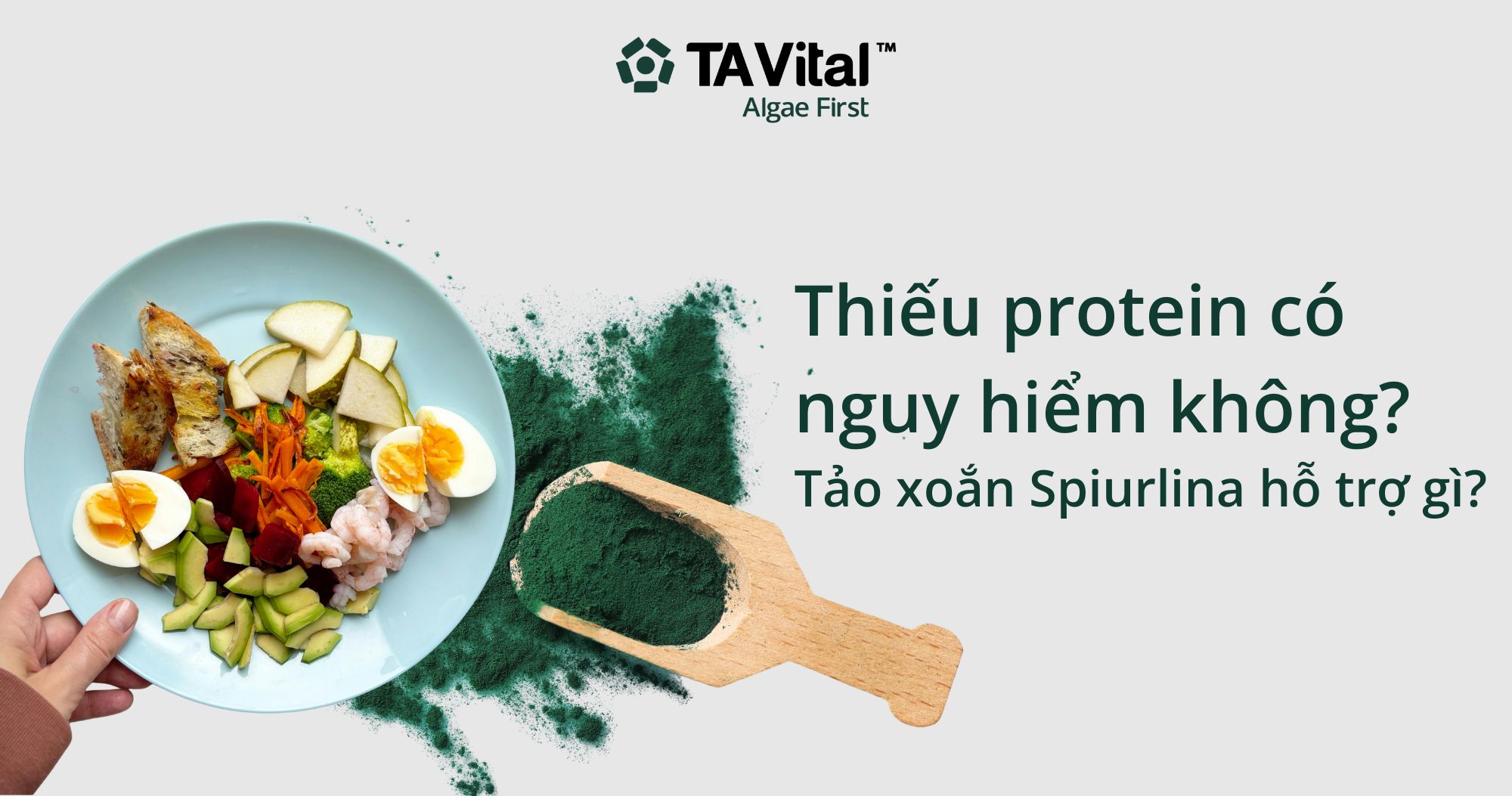
Are you experiencing mild protein deficiency without realizing it?
Not everyone experiences severe protein deficiency. You might still eat enough meals, live a normal life, perhaps even "run" every day without any obvious signs. But if you pay a little more attention, you'll notice familiar signals like feeling more tired by the end of the day, difficulty concentrating during long work sessions, or not recovering as quickly after a busy day.
That's the "mild protein deficiency" – not enough to cause major immediate problems, but enough to diminish your daily energy quality. What's more, this situation is becoming increasingly common as breakfasts get rushed, lunches are superficial, and dinners lack balance.
In this context, not everyone is ready to completely overhaul their diet. But sometimes, you don't need a major change. Just a small, correct adjustment, repeated daily – that's enough to make a difference.
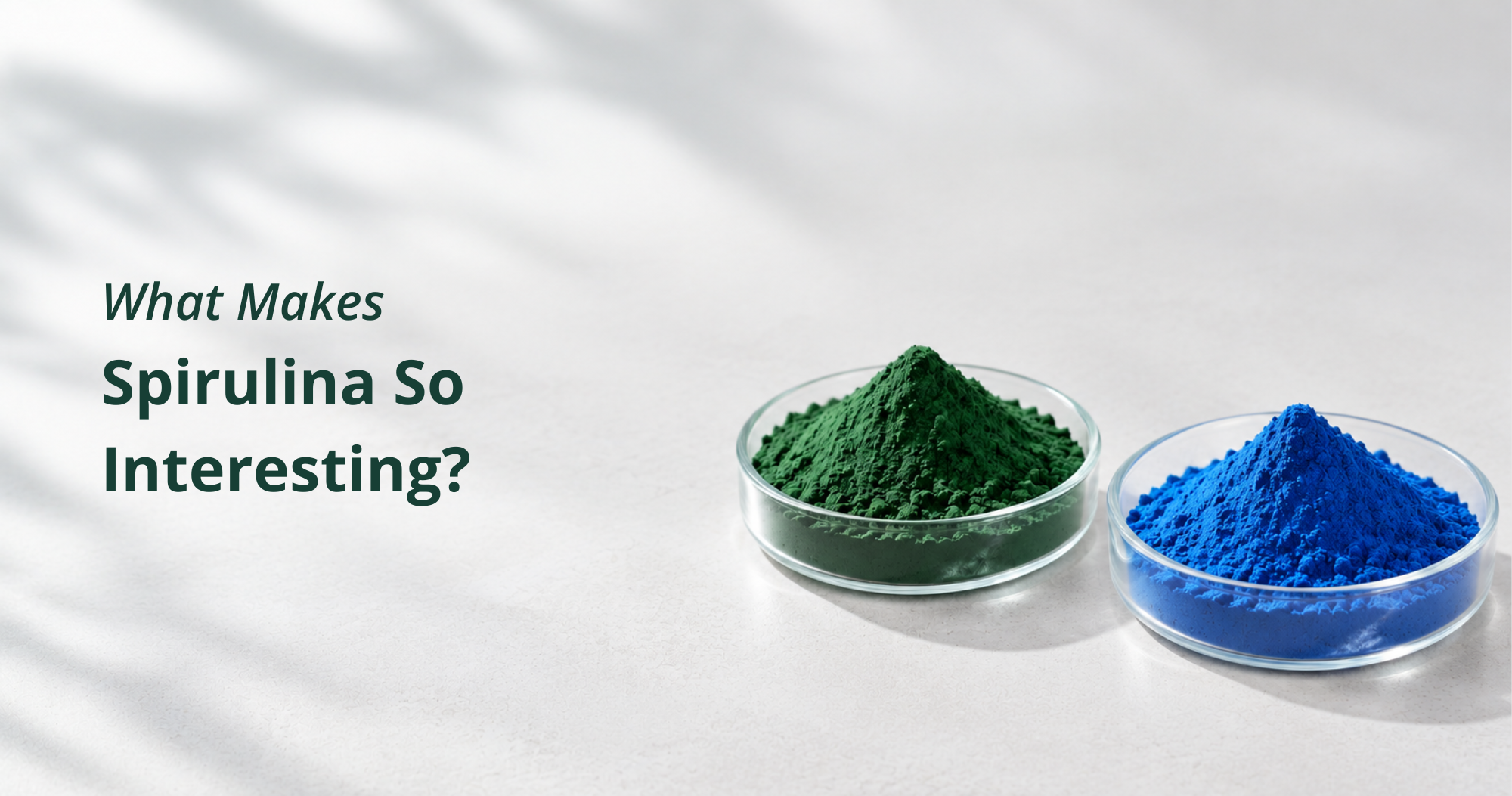
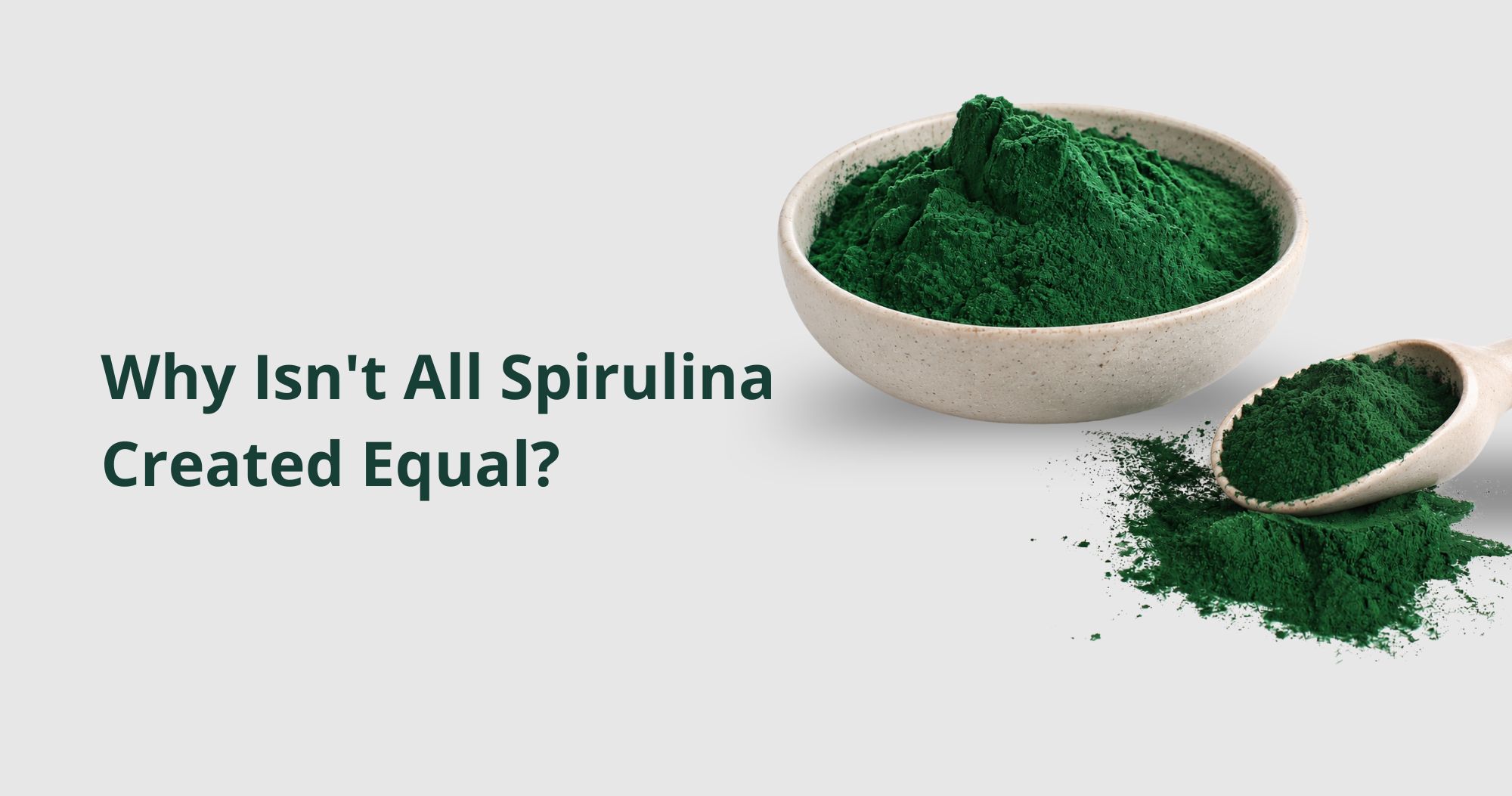
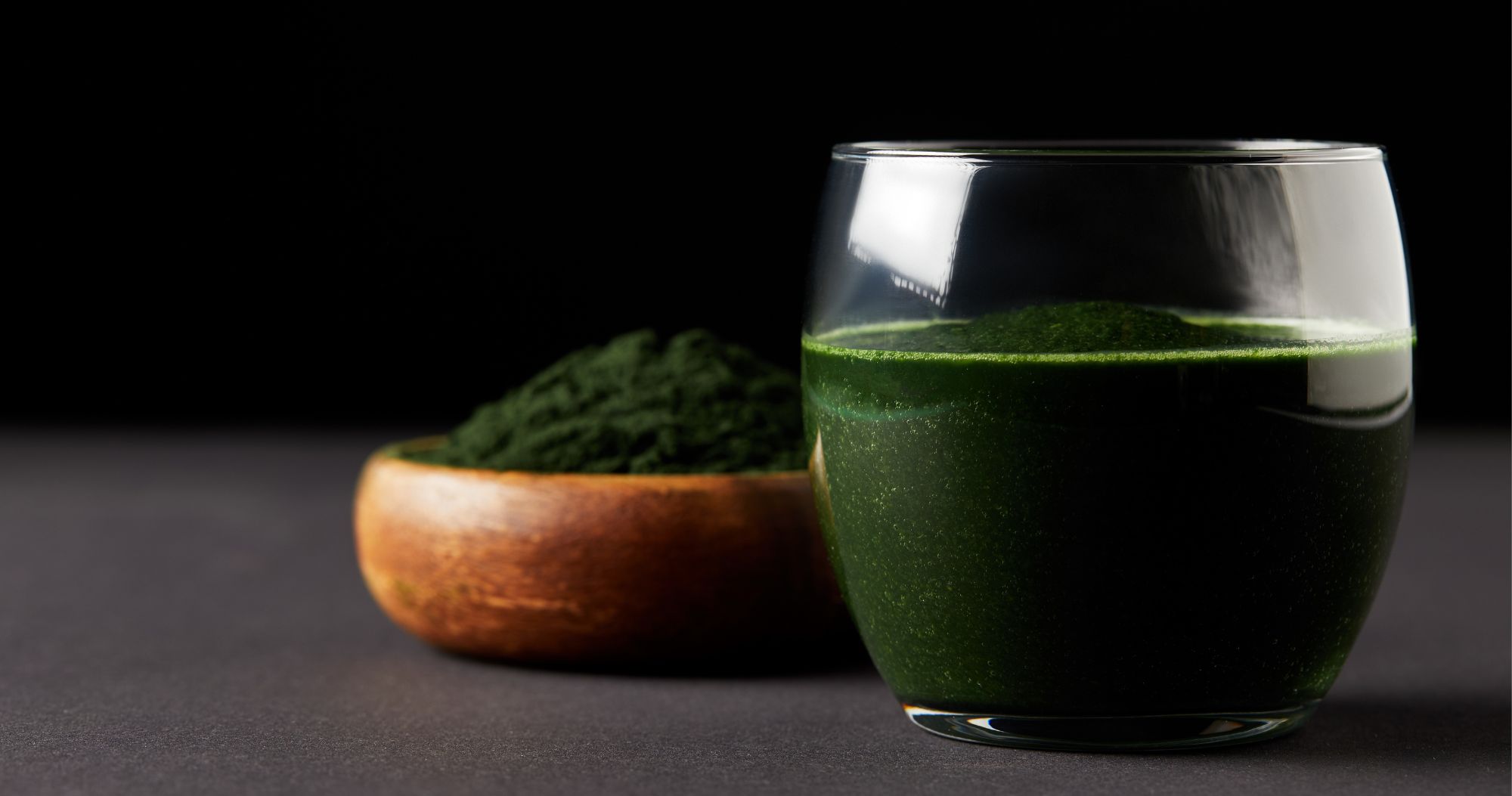
Spirulina – a modern, gentle way to supplement protein
Among the many protein supplementation options available today, from traditional foods to specialized sports products, Spirulina stands out as a gentler, more natural, and easier-to-integrate approach for daily life.
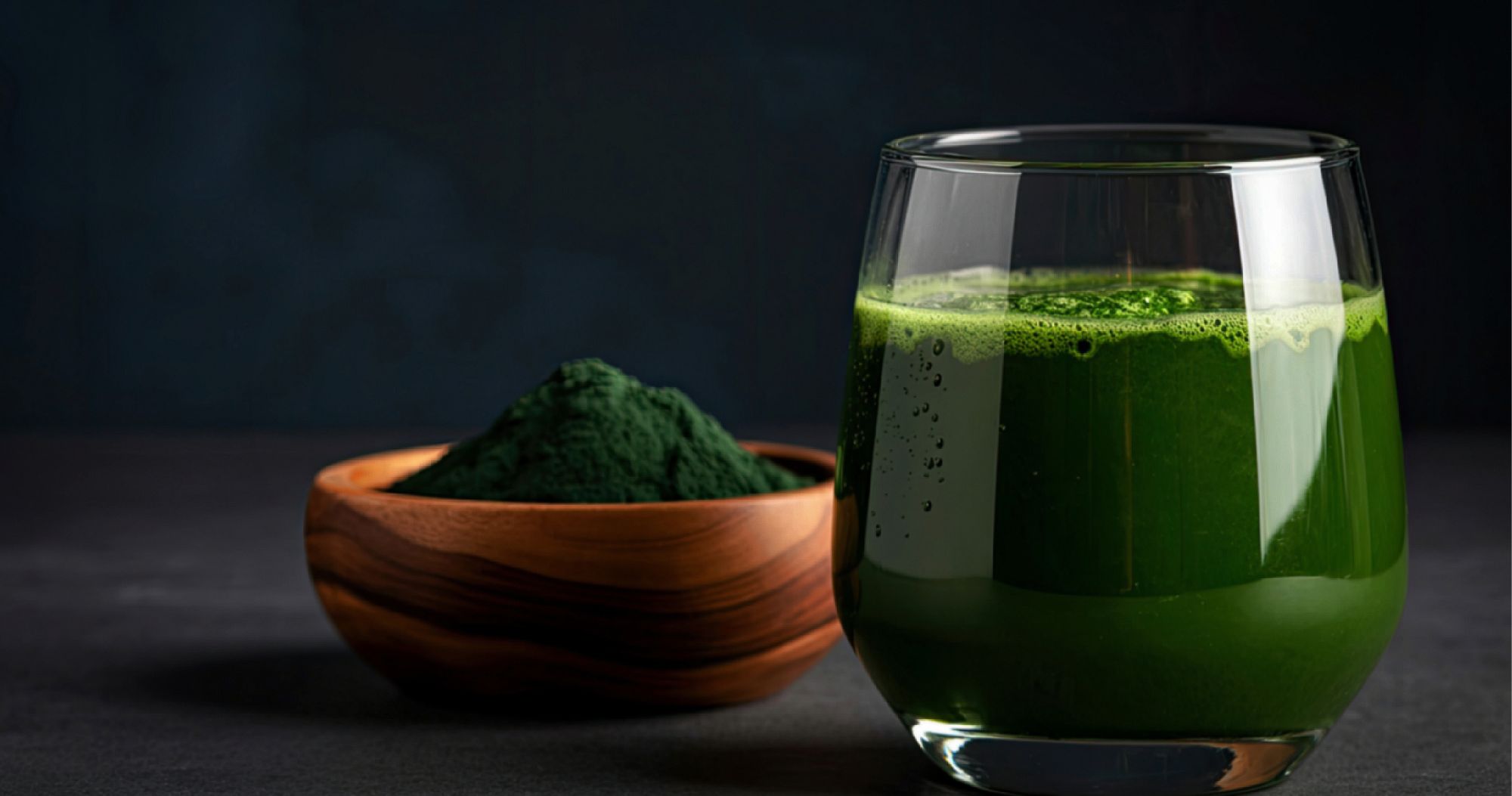
Spirulina is not whey protein, nor is it a strict diet. It's a concentrated form of nutrition, with protein, vitamins, and minerals "packed" into a very small amount. This allows you to supplement nutrients without needing to eat more.
Spirulina doesn't completely replace meals, but it can make your modern meals more complete, especially on days when you don't eat fully.
Instead of eating more, eat smarter
Many people, when considering protein supplementation, immediately think of eating more – adding more meat, more eggs, or larger portions. But in reality, the issue isn't always about quantity; it's about the nutritional density of each meal.
A meal can be filling but still lack micronutrients. And that's the gap spirulina can fill.
With its "small but sufficient" nature, spirulina helps increase nutritional density without significantly altering eating habits. This approach fits modern lifestyles perfectly, requiring no excessive complexity or pressure, yet still delivering long-term value.
Spirulina in your daily nutrition
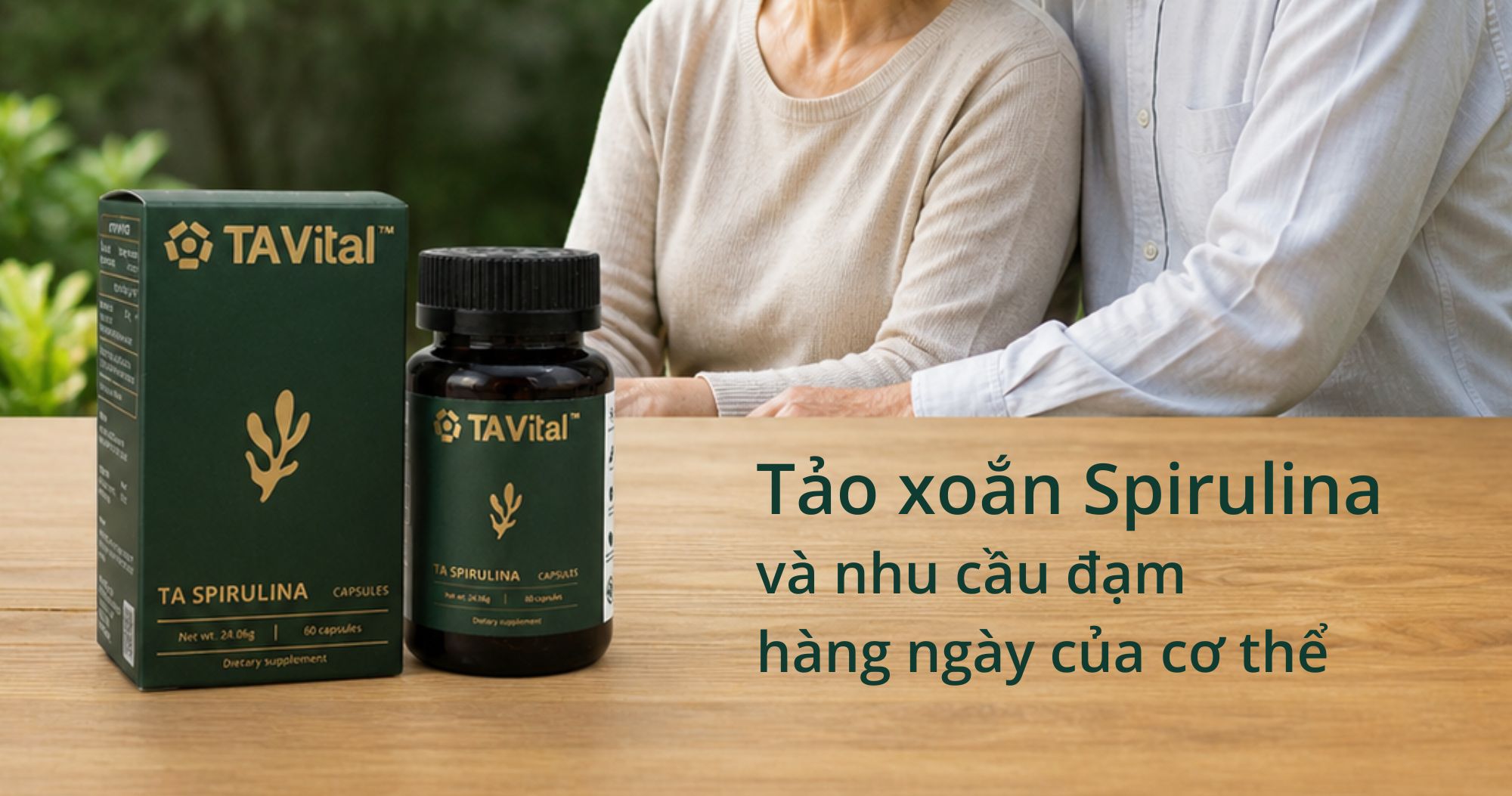
On a rushed morning, when you don't have much time for a full meal, a simple glass of water with 2 TA Spirulina tablets can be a "light boost" before starting your day. No need to change habits, just add a small step.
By midday, when energy starts to dip, many people instinctively reach for coffee. But sometimes, the body doesn't need more stimulation; it needs nutritional support. A small amount of Spirulina at this time can help maintain energy stability more naturally.
At the end of the day, especially after tiring activities, spirulina can act as a foundational supplement, not to replace meals, but to help the body recover better.
What Makes Spirulina Different
If you only see spirulina as a source of protein, you might be missing the most interesting part. Because what many people experience isn't just about the protein content, but about how their body responds over time.
It's not just about supplementing protein or adding nutrients; it's about energy stability – without erratic ups and downs. It's not just a supplement, but a way to support the body's natural recovery.
A small habit that makes a long-term difference
Taking care of your health doesn't necessarily have to start with big changes. In fact, drastic changes are often hard to maintain. What truly creates lasting results are small actions, repeated daily.
The same goes for supplementing with Spirulina. There's no need to overhaul your entire diet or make complex calculations. Just a simple habit – like taking 2 TA Spirulina tablets daily in the morning or after a meal – and maintaining it as a natural part of your life.
It's a habit. And it's habits that truly make a sustainable difference.
If you want to start – start simple
You don't need a complex plan to get started. There's no need to calculate every gram of protein or completely overhaul your menu.
Just start with a small dose, maintain it consistently every day, and observe how your body responds. Any changes will come naturally – without pressure or forcing it.
Conclusion
Spirulina is not a substitute for dietary protein. But it's a simple way to make your current diet better and more complete over time.
And sometimes, health doesn't come from big decisions, but from small habits – repeated long enough to make a difference.

.png)
.png)

.jpg)




.jpg)
.jpg)

.jpg)


.png)
.png)
.jpg)




.jpg)

.jpg)


.jpg)
.jpg)


.jpg)



.jpg)




.png)




.jpg)


.jpg)