When did Spirulina appear? Evolutionary Perspective
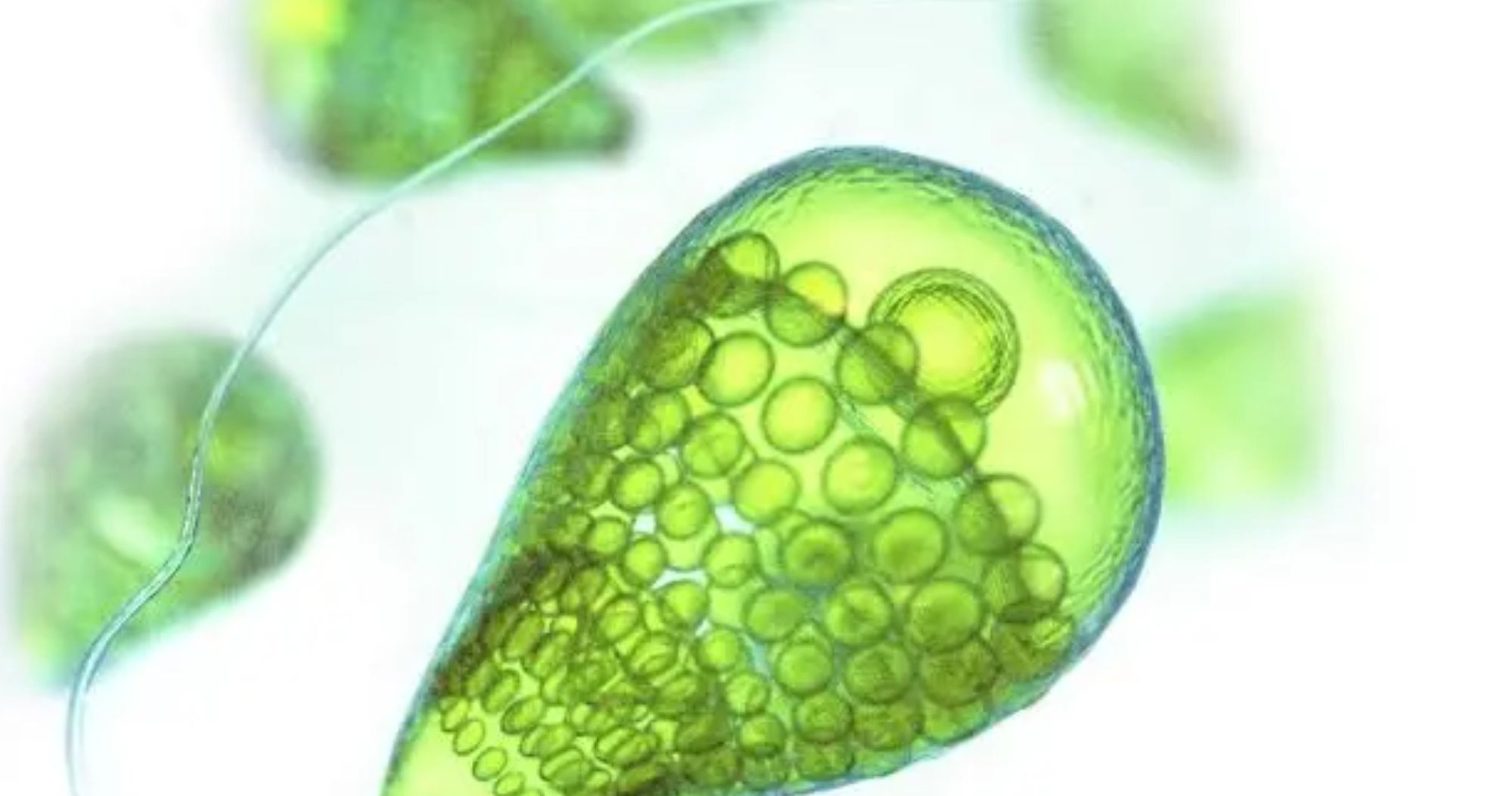
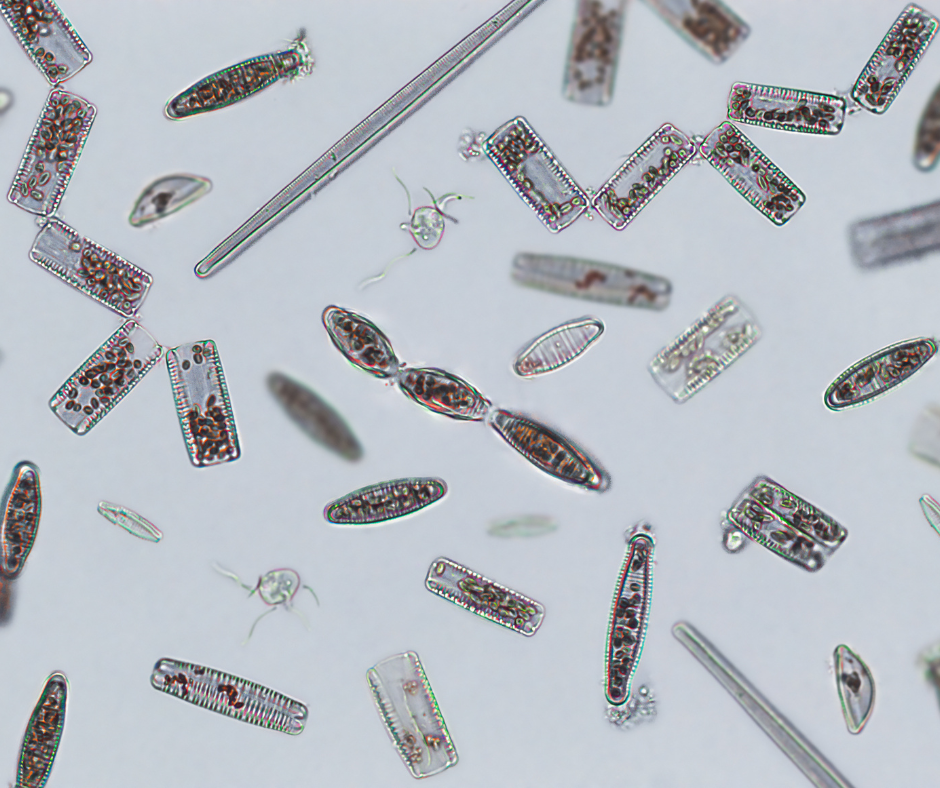
Spirulina belongs to the group of cyanobacteria (Cyanobacteria), one of the first photosynthetic life forms on the planet. Histological evidence and geological studies for ventricles, Cyanobacteria appeared about 3.5 billion years ago. Spirulina, with its characteristic spiral shape, is thought to be a genus in this ancient group, having evolved and survived continuously through the great geology.
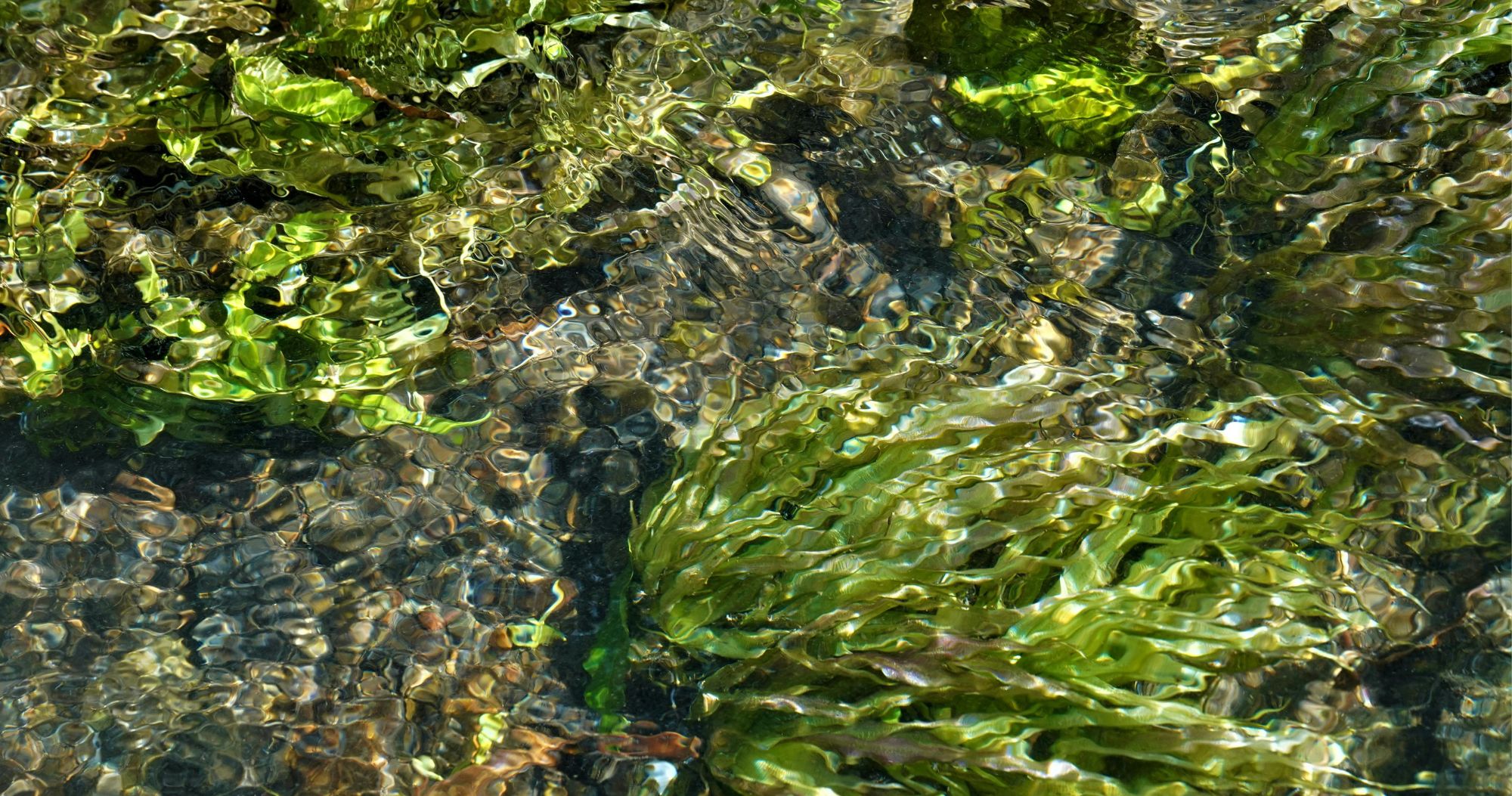
The most important event that spirulina nests contribute to the Earth is atmospheric oxidation. Through photosynthesis, they absorb CO2 and release oxygen, gradually transforming the primordial atmosphere into an environment that could support more complex life. Thus, spirulina is not only a survival organism, but also a tectonic engineer that creates habitats for all species.
Spirulina in human history
.jpg)
Despite its ancient origins, evidence of human use of spirulina appears in many cultures. The ancient Aztecs of Lake Texcoco (Mexico) are recorded to have retrieved a type of “blue mud” from the surface of the lake, drying it to form cakes called “Tecitlatl”. In Chad, the Kanembu people also have a tradition of harvesting spirulina from saltwater lakes, dried into “Dihé” cakes for food. This suggests that, despite the lack of understanding of microbiology, indigenous people recognized the potential nutritional value of this ancient organism, seeing it as a sustainable food source from nature.
Evolutionary properties that make Spirulina special
Spirulina's billion-year existence is no coincidence. It is ensured by a series of preeminent evolutionary traits:
- Simple and durable biological structure: As a cyanobacterium, the cellular structure of Spirulina is much simpler than that of higher plants. The cell wall is soft, easily digested, and more importantly, it lacks typical eukaryotes, allowing metabolism and reproduction to take place highly efficiently.
- Extremely good adaptability:Spirulina thrives in alkaline (high pH) and salty water environments where few competitors and predators can survive. This is a clever evolutionary strategy to occupy a separate ecological niche.
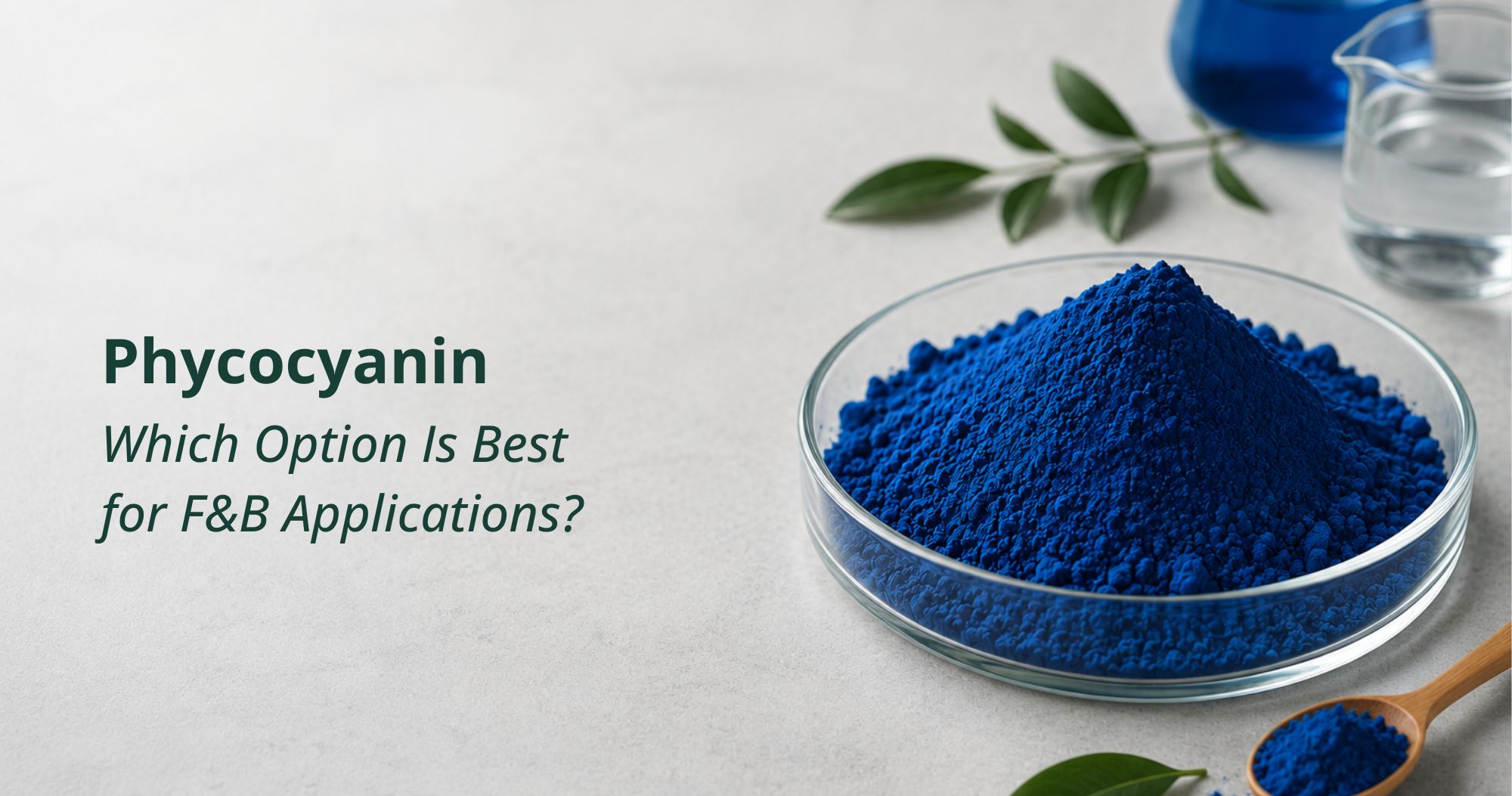
- Optimal Photosynthesis Performance:Thanks to the pigment phycocyanin (blue) and chlorophyll (green), Spirulina can absorb a wide spectrum of light, maximizing the efficiency of converting solar energy into biomass and nutrients.
- Comprehensive Nutrition Apparatus: To survive these harsh times, Spirulina has evolved to synthesize itself with a range of essential substances: protein complete with enough amino acids, B vitamins, iron, and antioxidants.
What from spirulina is still valuable today?

- Biological value
With its ability to grow rapidly, extremely high biomass yields without pesticides or antibiotics make Spirulina a stable and safe source of raw materials for the future. This so-called smart adaptation can help reduce the pressure on natural ecosystems that are being overexploited.
- Sustainable value in production
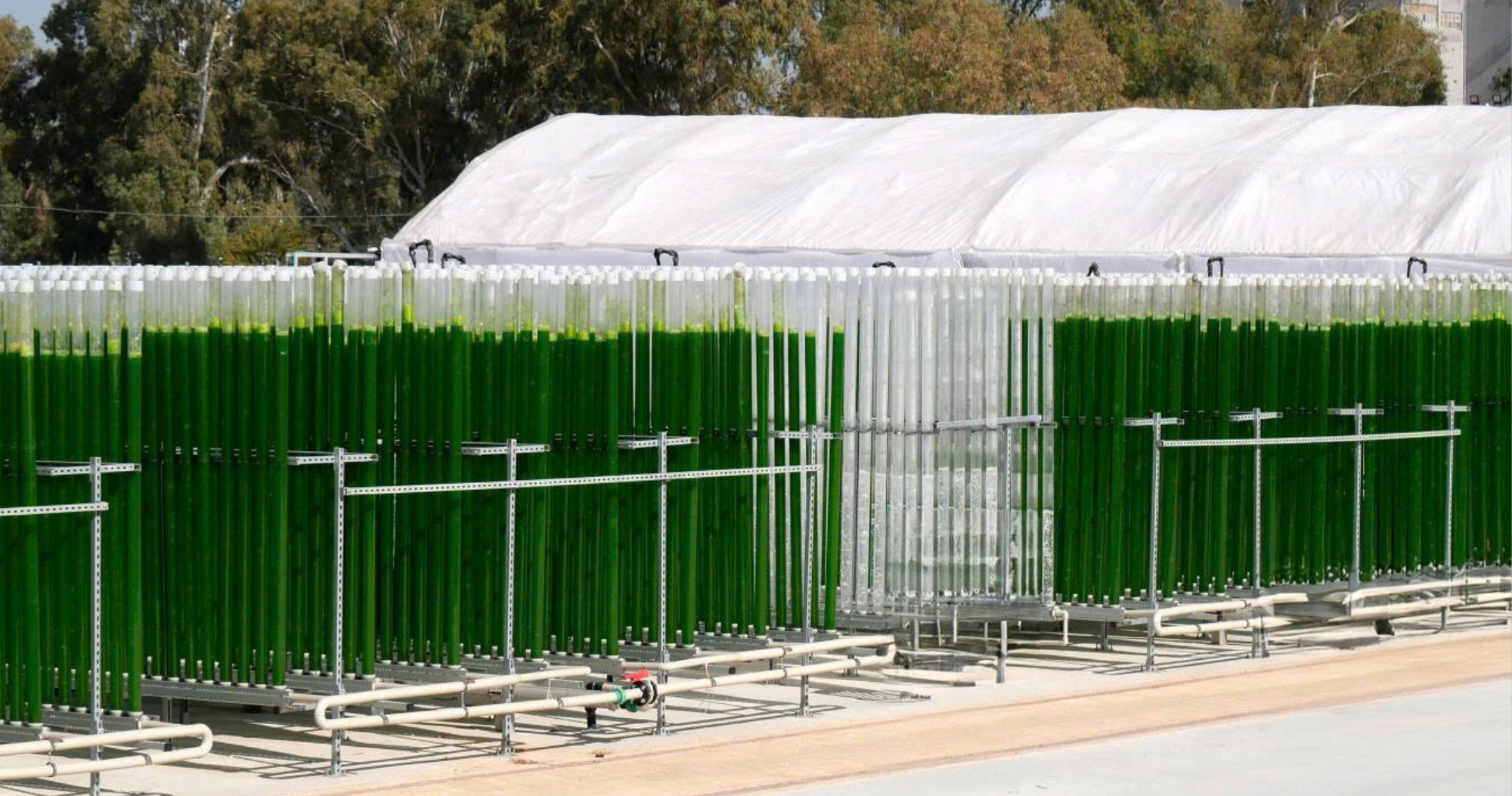
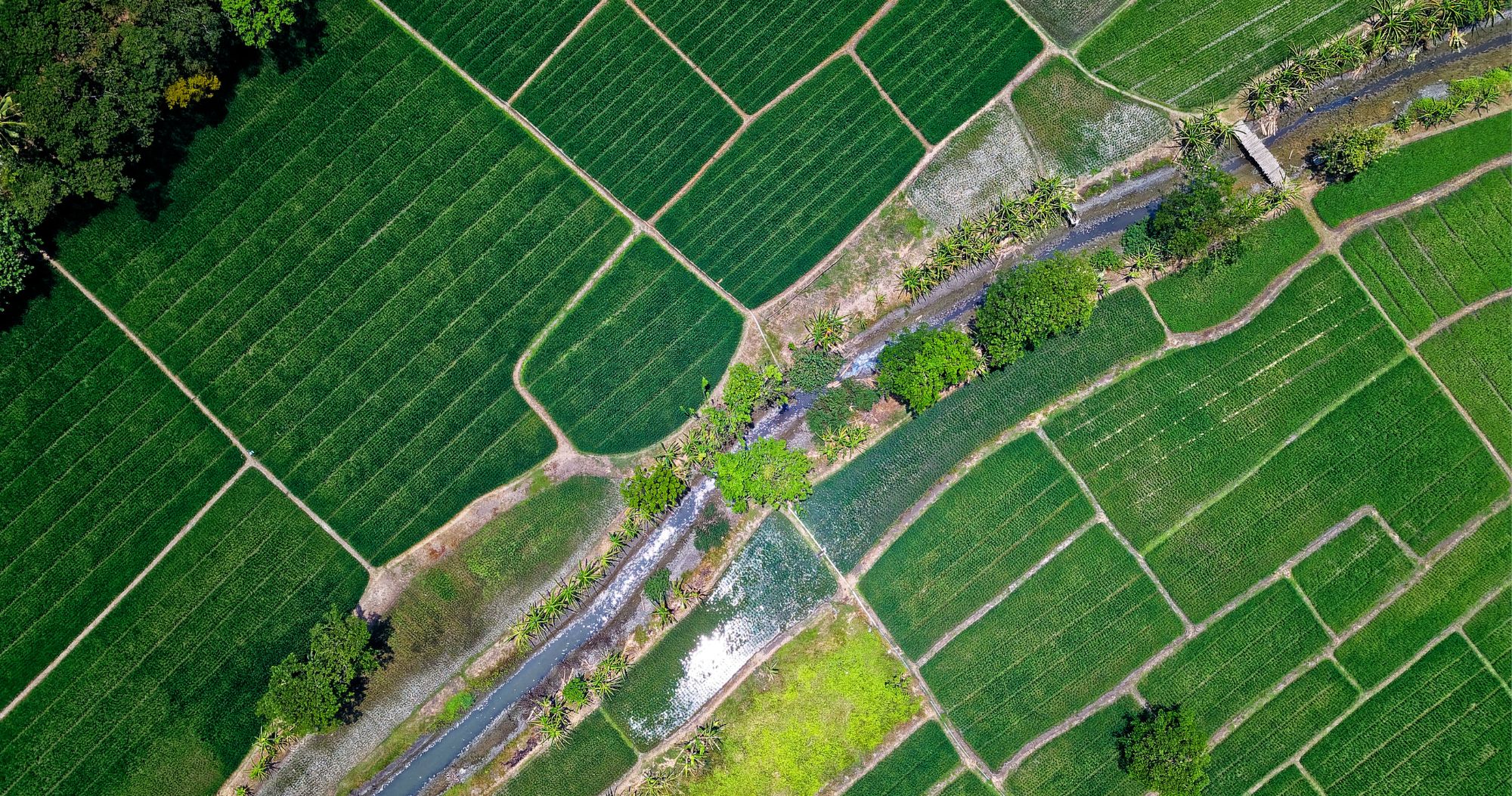
Spirulina requires 50 times less water than cattle to produce the same amount of protein, requires no arable land, and can be grown in barren lands. It is the ideal model for sustainable agriculture in the face of the challenge of food security and climate change.
- Sustainable Circulation
Once a contributor to the carbon-oxygen cycle for the entire planet, spirulina is today studied to absorb CO2 from emission sources, while providing nutrient-rich biomass, embodying a miniature circular economy model: taking waste as raw material, creating useful products and improving the environment.
Spirulina Spirulina in a Modern Context
.jpg)
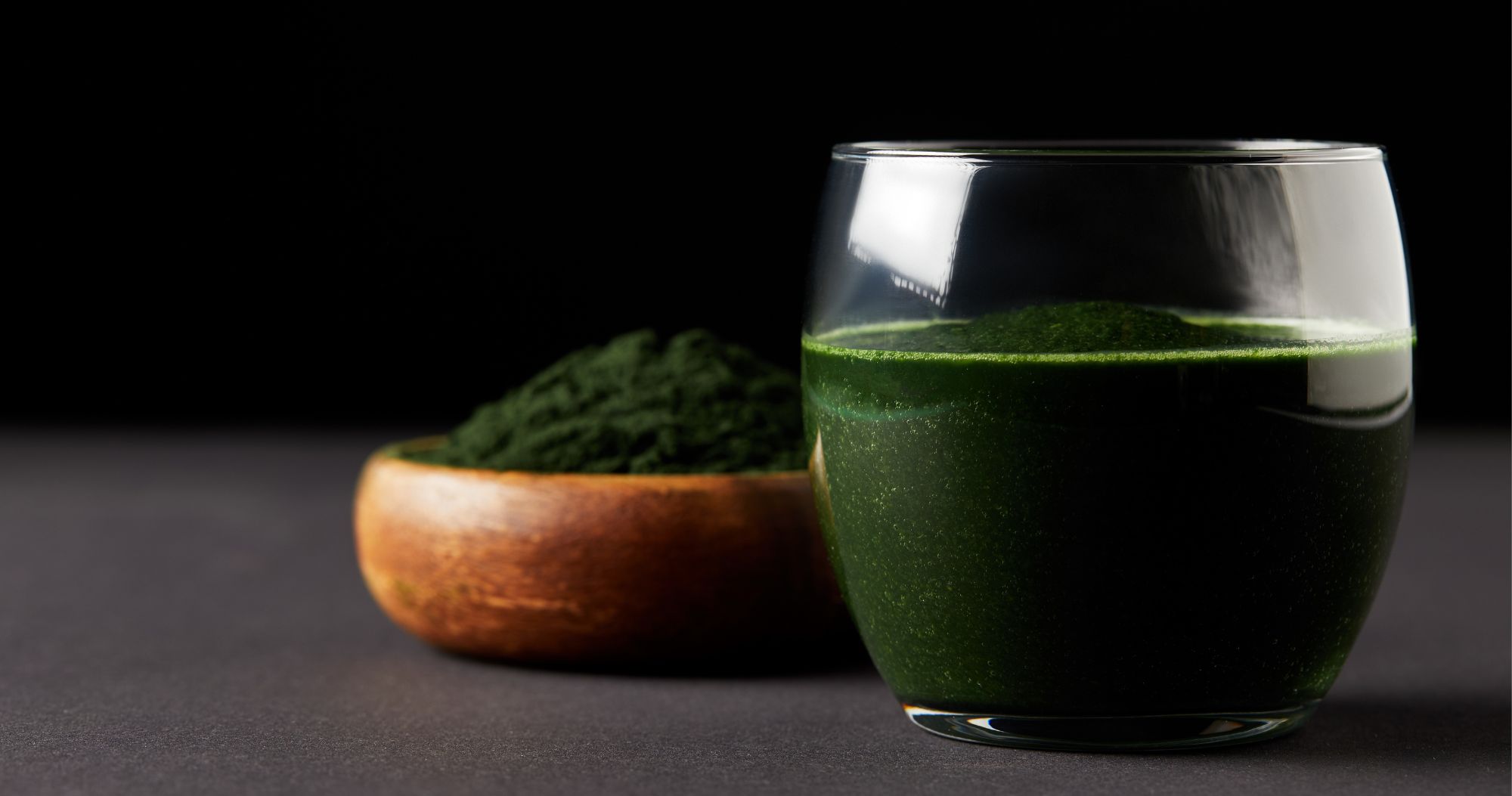
Today, spirulina is researched and applied in many fields, from food to space science.
Current studies not only stop at the exploitation of Spirulina as food, but also extend to the field of biofuels, natural dyes, animal feed and environmental treatment. Each of these applications is a continuation and application of its inherent evolutionary principles.
Conclusion
Spirulina is the living testimony of the power of life, of its ability to adapt and contribute to the ecosystem. Looking at Spirulina's 3.5 billion year evolutionary history, we can find valuable hints for our own sustainable development: living minimally, efficiently, and respecting natural cycles.
.png)
.png)



.jpg)




.jpg)
.jpg)



.jpg)


.png)
.png)
.jpg)
.jpg)




.jpg)

.jpg)


.jpg)
.jpg)


.jpg)



.jpg)




.png)




.jpg)


.jpg)