How do spirulina nourish cells?
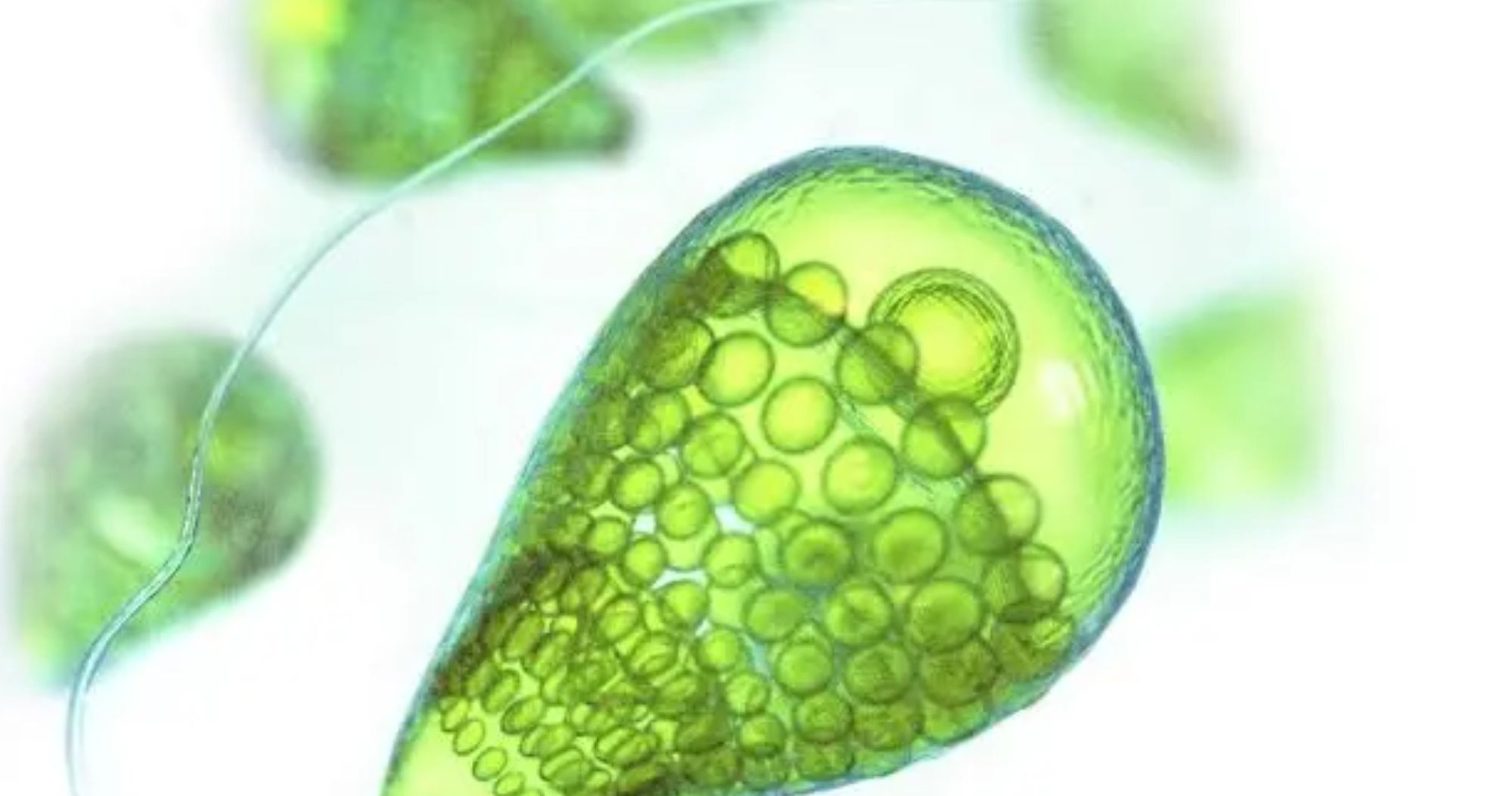
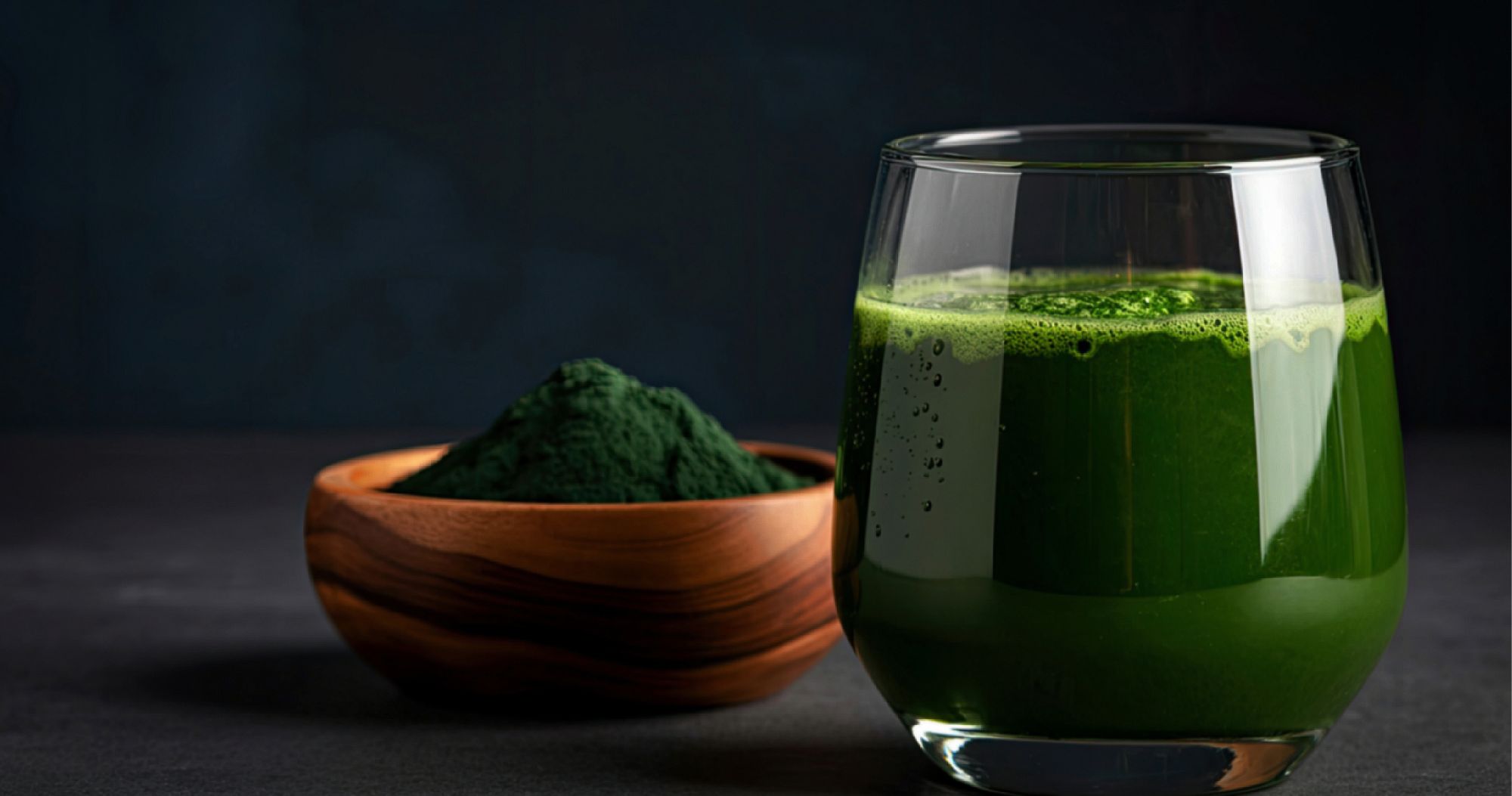
If you've ever heard of spirulina being called a superfood, it's not for fun, but because its nutritional nature is really special. Spirulina, a type of cyanobacteria domesticated by humans as a food supplement, contains a complex of nutrients our body cells prefer to function better.
Spirulina is rich in nutrients - the basis for cells
First of all, what does spirulina contain?
Our body needs complete proteins, vitamins, minerals, antioxidants, and some biological compounds for cells to survive and regenerate.
Spirulina contains a lot of them:
- High protein, which accounts for about 60-70% of dry weight and contains all 9 essential amino acids, helps regenerate tissue and enzymes in cells.
- Vitamins of group B, involved in cellular energy metabolism
- Minerals such as iron, magnesium, manganese and other trace elements
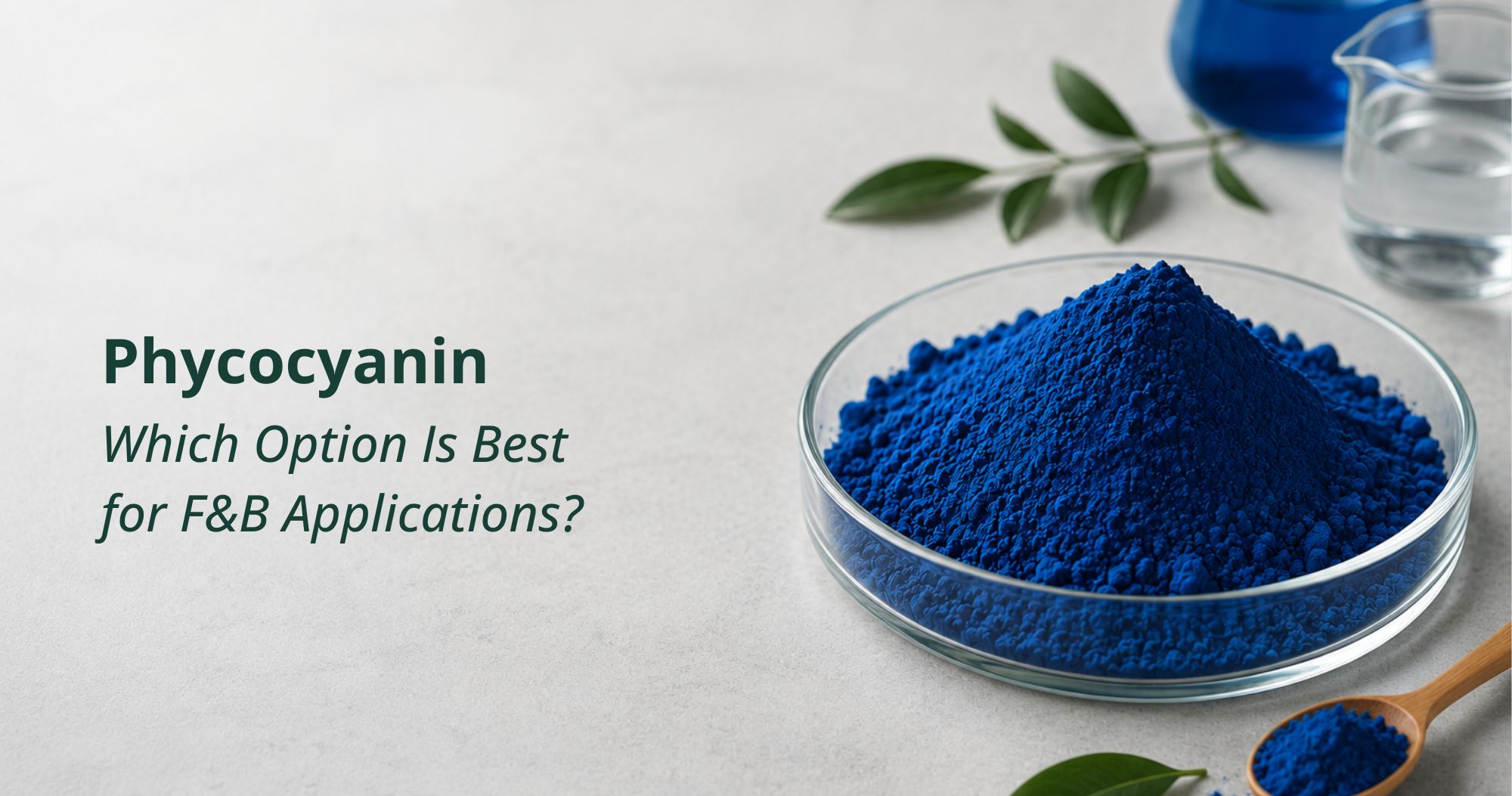
- Biological pigments such as phycocyanin - powerful antioxidants
Taken together, Spirulina is like a comprehensive set of ingredients that cells need to function better.
Fast and effective absorption
One of the reasons spirulina is so appreciated is its superior nutrient absorption. The ingredients in spirulina are usually digestible forms that do not require too many complex lysis enzymes. Studies have also shown that these nutrients are quickly absorbed into the body after digestion thanks to their thin cell structure and easily accessible proteins.
This differs from many other plant foods that have a thick cellulose layer that barriers digestion. So when you take spirulina, proteins, vitamins and minerals reach cells faster, support energy and cell activity more efficiently every day.
Quality protein - the raw material for building cells
Protein is the “building material” of cells. Without adequate protein, cells cannot:
- Tissue regeneration
- Enzyme production
- Create hormones
- Transport of oxygen and nutrients
Spirulina is not only rich in protein, but it is complete protein, that is, it contains enough essential amino acids that our body does not make on its own. Not all sources of protein are so complete, especially from plants.
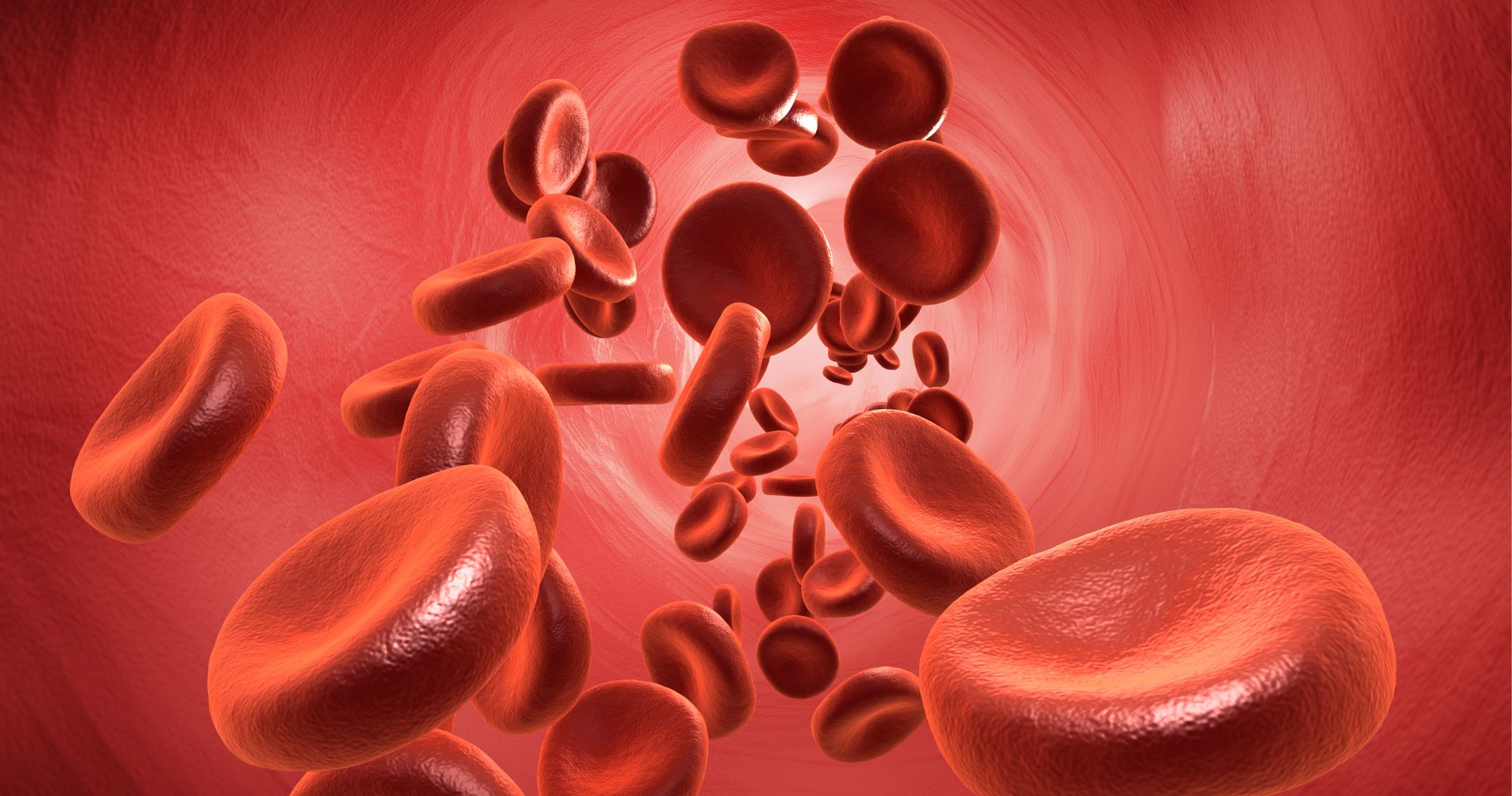
When these amino acids are absorbed into the bloodstream, they are immediately used by the cell for:
- New tissue and cell growth
- Repair damaged cells
- Synthesis of enzymes and intermediates necessary for biological reactions
This is one of the reasons why spirulina is often used in the diet to aid in health recovery and energy maintenance.
Vitamins and minerals - promote energy exchange
Vitamins of group B in spirulina play an important role in metabolism:
- Carbohydrates into energy
- Protein into a new cell mass
- Fats into compounds for use by cells
Minerals such as iron and magnesium help cells get oxygen better and maintain muscle contraction, which transmits nerve signals.
This is especially important for operation:
- Muscle Cells
- Immune Cells
- Neurons
Only when there is enough of this material does the cell work smoothly and persistently every day.
Antioxidants protect cells from stress
One factor that cannot be overlooked is oxidative stress - the condition that damages cells when free radicals attack without being neutralized.
Spirulina contains the pigment phycocyanin, a very powerful antioxidant, which helps:
- Neutralization of free radicals
- Protects DNA and cell walls from damage
- Reduces intracellular inflammation
This substance helps cells stay more resilient to environmental damage or daily stress.
Digestive tract - the first step for cell nutrition
Taking advantage of Spirulina nutrition takes place not only in the small intestine, but also in the wider digestive system:
Part of the spirulina cell wall contains fiber and polysaccharides that are considered prebiotics, which help balance the intestinal microflora.
When the intestinal microflora stabilizes, the absorption of proteins, vitamins and minerals from spirulina (and other foods) occurs more smoothly, which contributes to more efficient cell nutrition.
Summing up: how spirulina nourishes cells
In summary, the cell nourishment mechanism of spirulina consists of:
- Provides complete proteins and essential amix acids immediately for cell use.
- Vitamins and minerals support energy metabolism, helping fuel cells to function efficiently.
- Antioxidants protect cells from stress, reduce intracellular damage
- Nutrients are quickly absorbed, which helps cells get raw materials faster than many other foods.
- Supports the digestive system and microbiological balance, which increases the absorption of nutrients that feed the cells.

.png)
.png)
.jpg)


.jpg)
.jpg)

.jpg)


.png)
.png)
.jpg)
.jpg)




.jpg)

.jpg)


.jpg)
.jpg)


.jpg)



.jpg)



.png)




.jpg)



.jpg)