
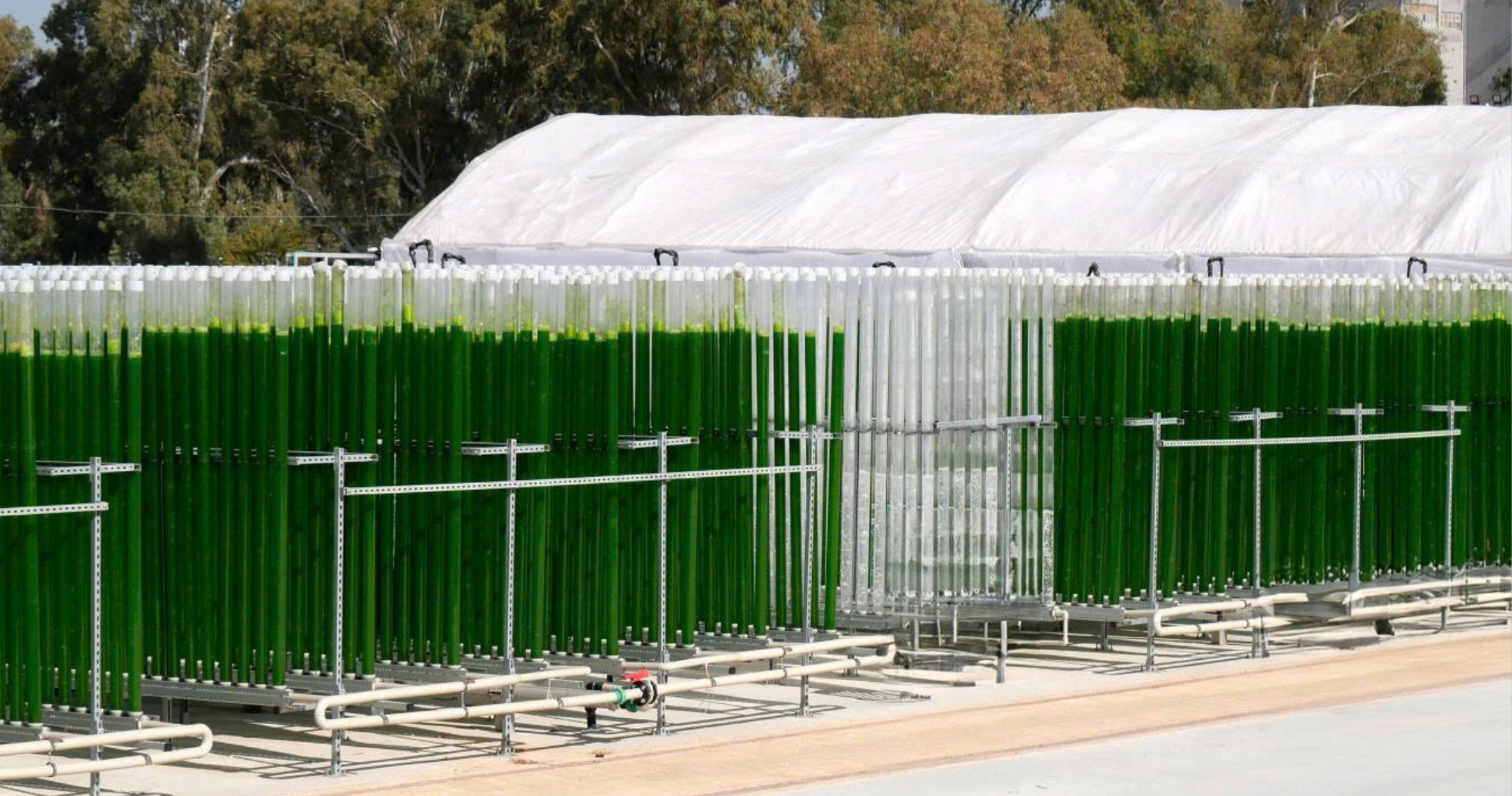
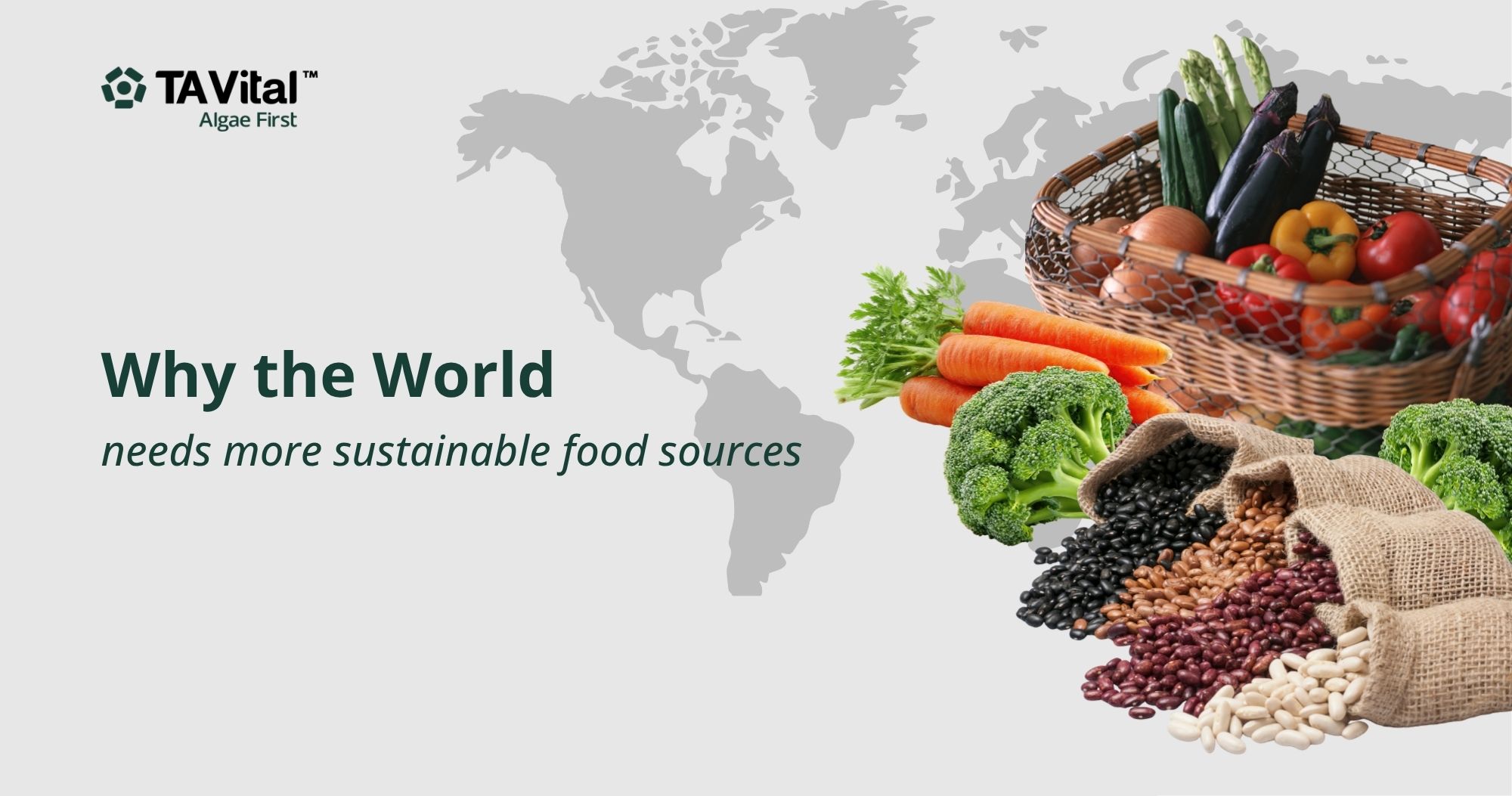
In today’s world, sustainability is no longer just a buzzword—it’s a necessity. As climate change, resource depletion, and environmental degradation intensify, we must seek nutritional solutions that benefit both human health and the planet. Spirulina, a blue-green microalgae, stands out as one such solution.
Photosynthesis: A Natural Way to Reduce CO₂
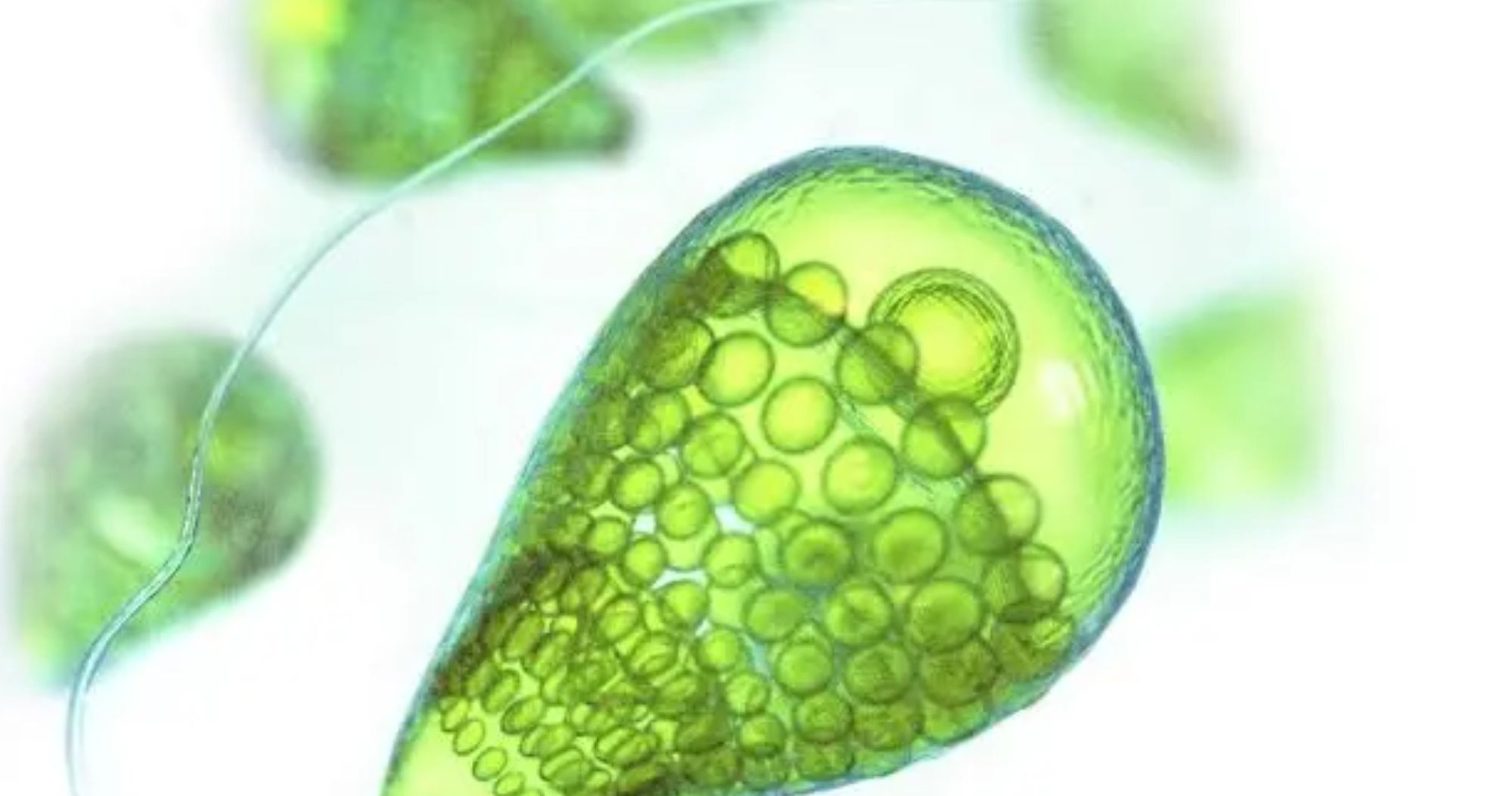
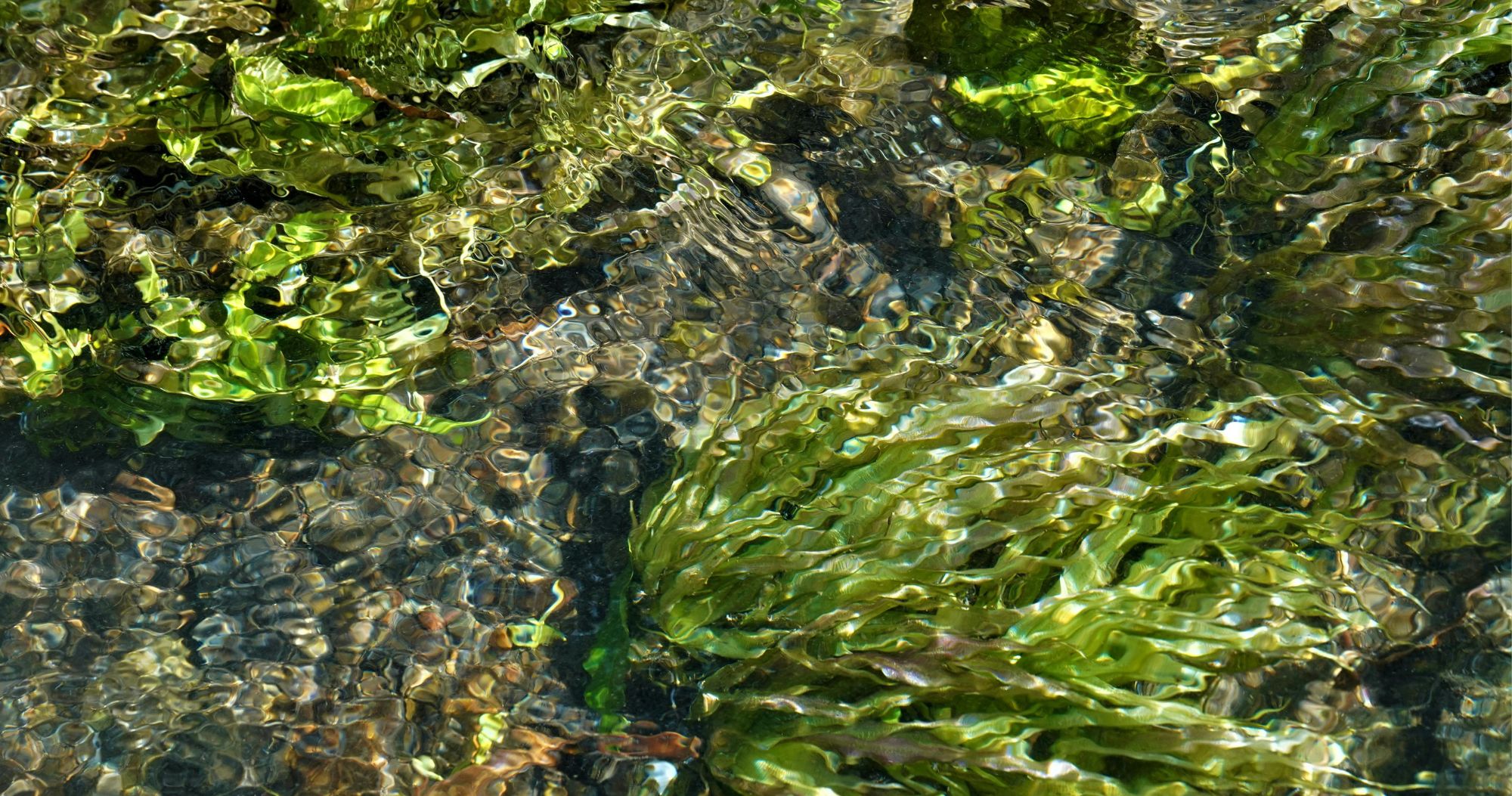
Like plants, spirulina undergoes photosynthesis, absorbing carbon dioxide and releasing oxygen. This process helps reduce greenhouse gases and contributes to cleaner air.
What makes spirulina unique is its exceptionally high photosynthetic efficiency, allowing it to absorb more CO₂ per unit of resource compared to many conventional crops.
Carbon Sequestration and Spirulina
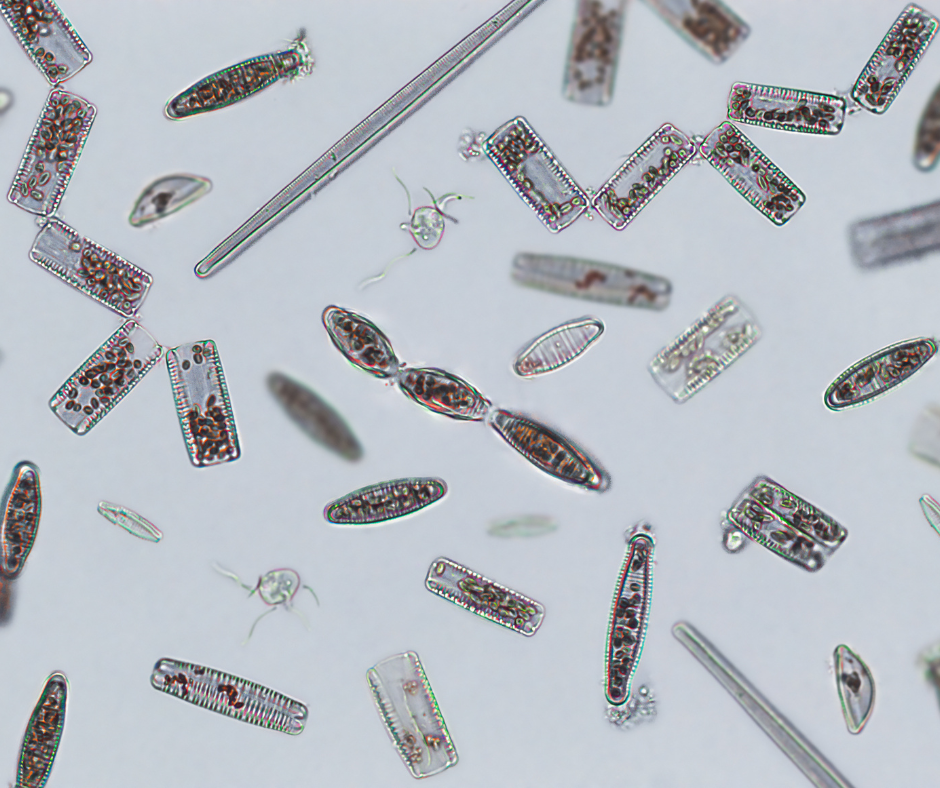
Microalgae, including spirulina, play a vital role in carbon sequestration. During growth, they capture CO₂ and convert it into nutrient-dense biomass.
Supporting spirulina cultivation means investing in biological solutions that help lower our carbon footprint, paving the way for a greener and more circular economy.
Spirulina as a Renewable Protein Source
As the global population grows, so does the demand for protein. Traditional livestock farming, however, places immense strain on land, water, and the climate.
Spirulina offers a compelling alternative:
- High protein content (approximately 60–70%)
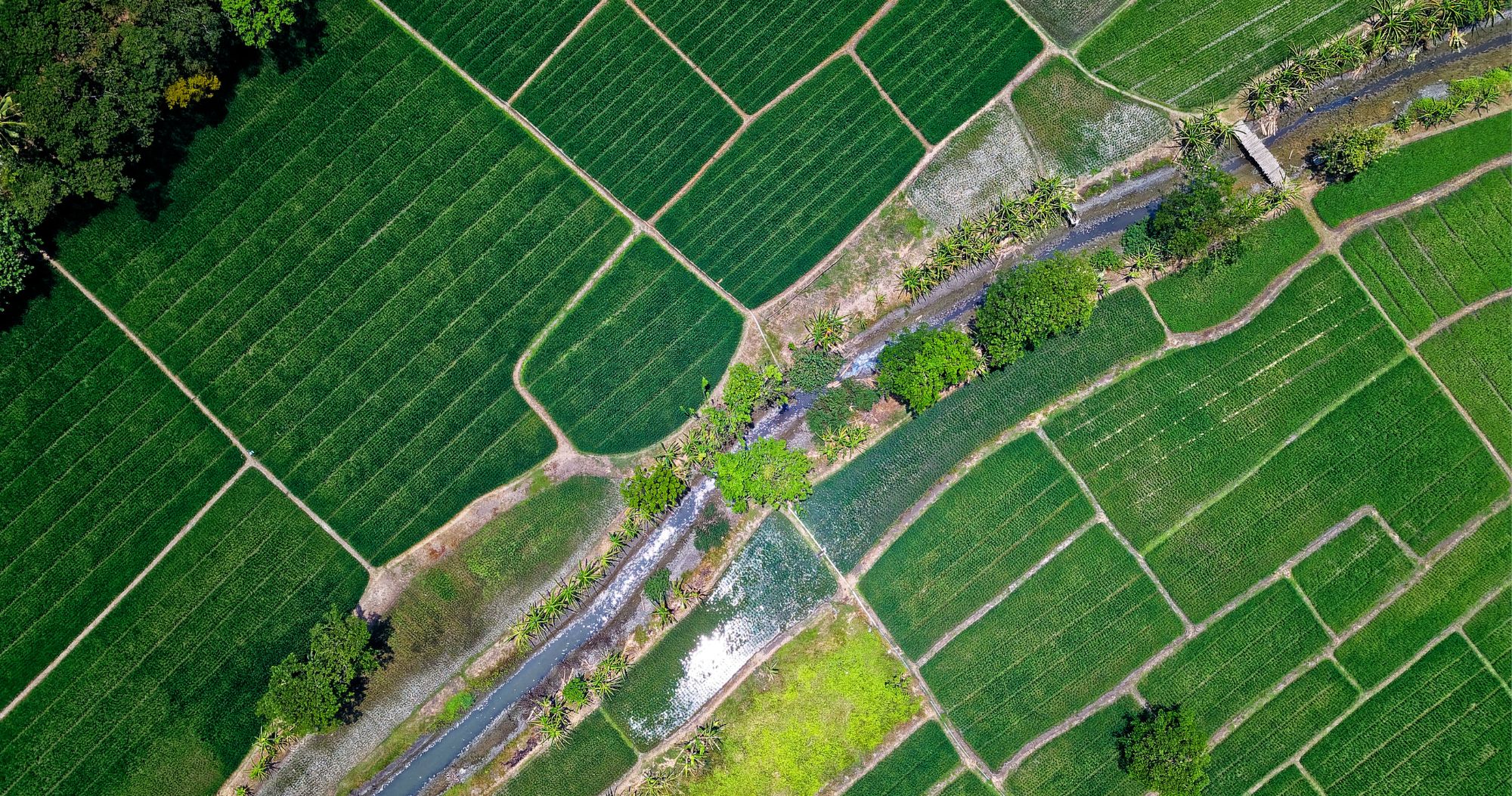
- Minimal land and water requirements
- No need for pesticides or chemical fertilizers
Choosing spirulina as part of your daily diet means opting for protein that’s kinder to the planet.
Phycocyanin and Natural Antioxidants
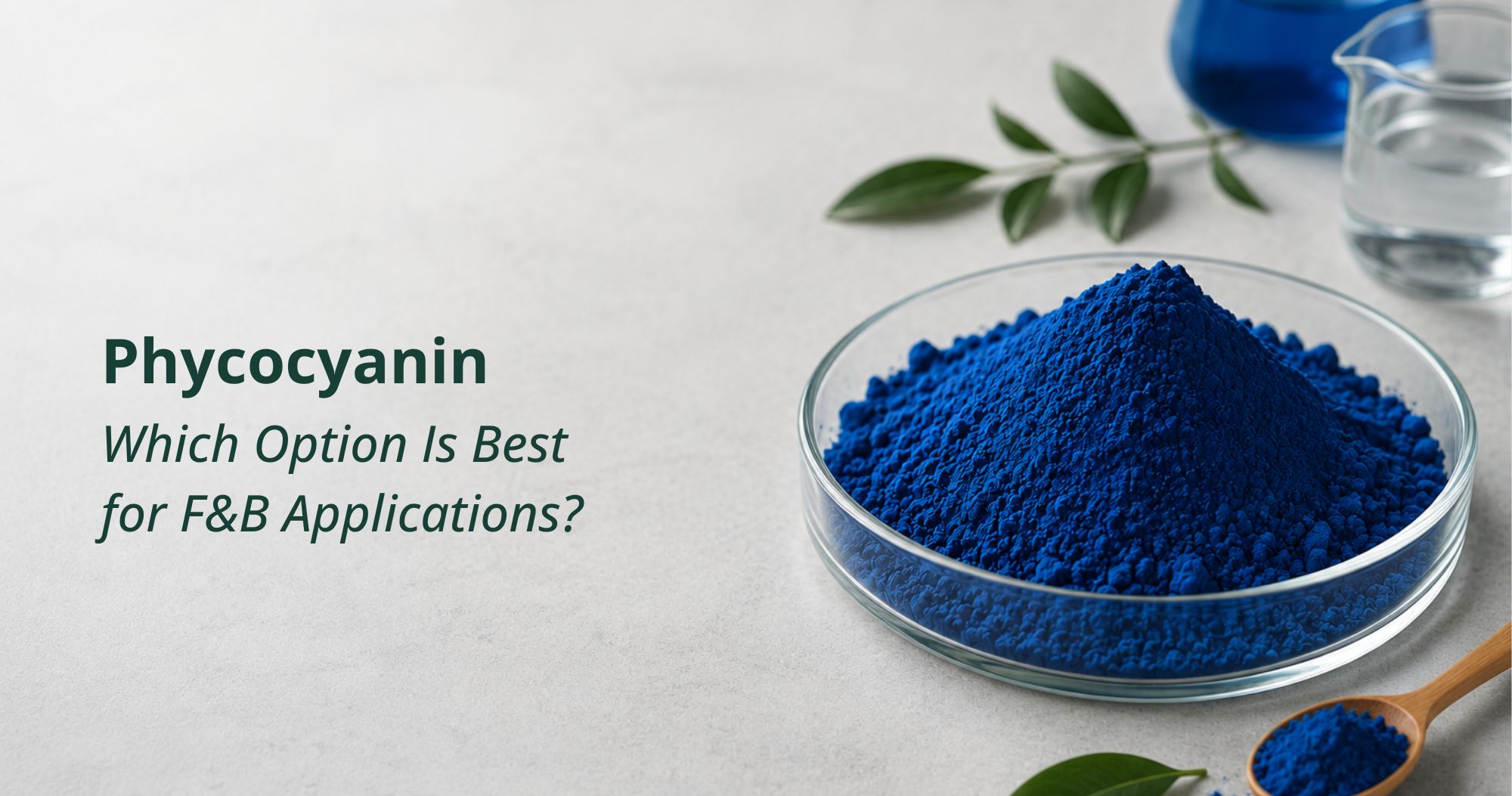
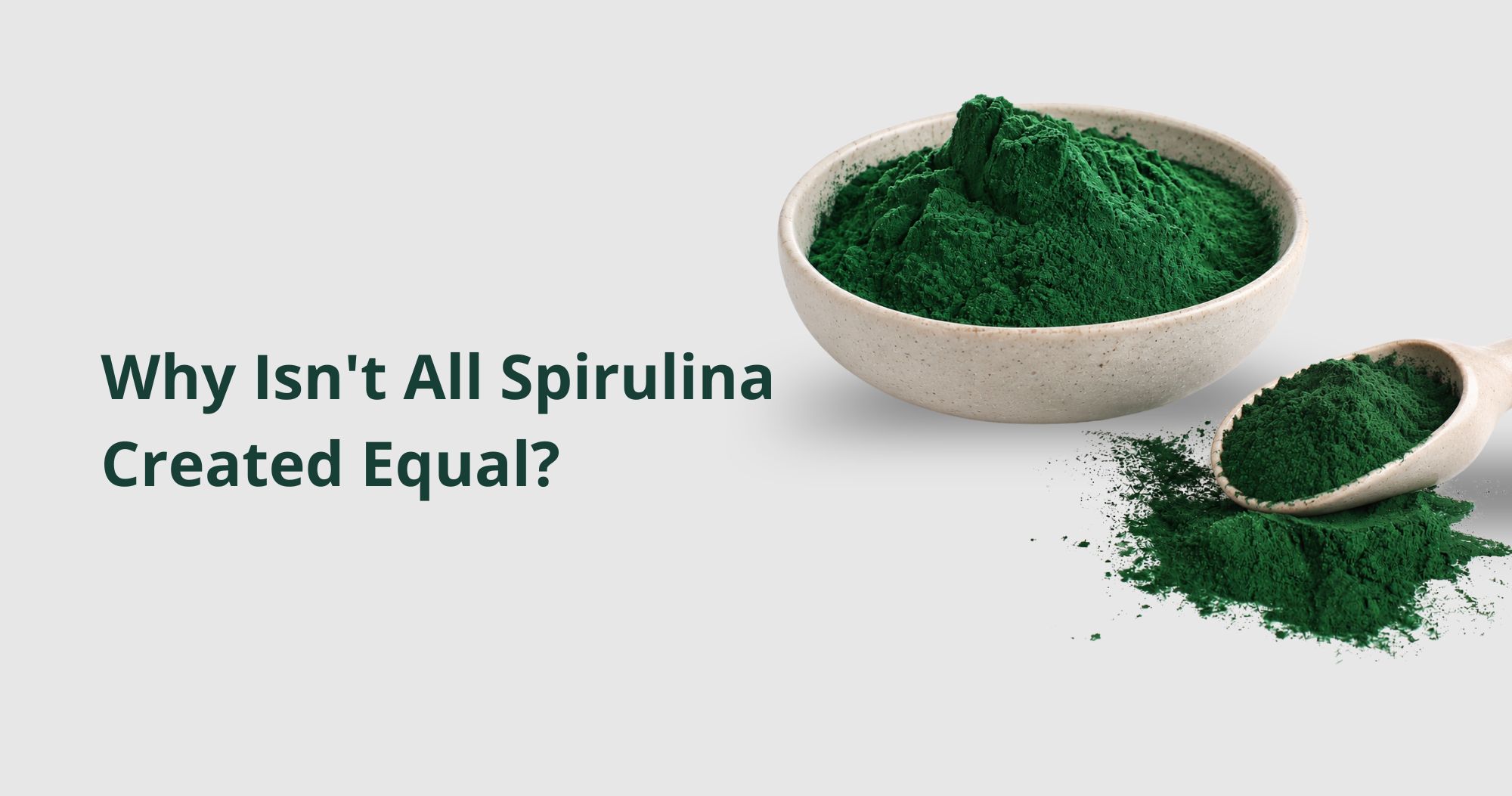
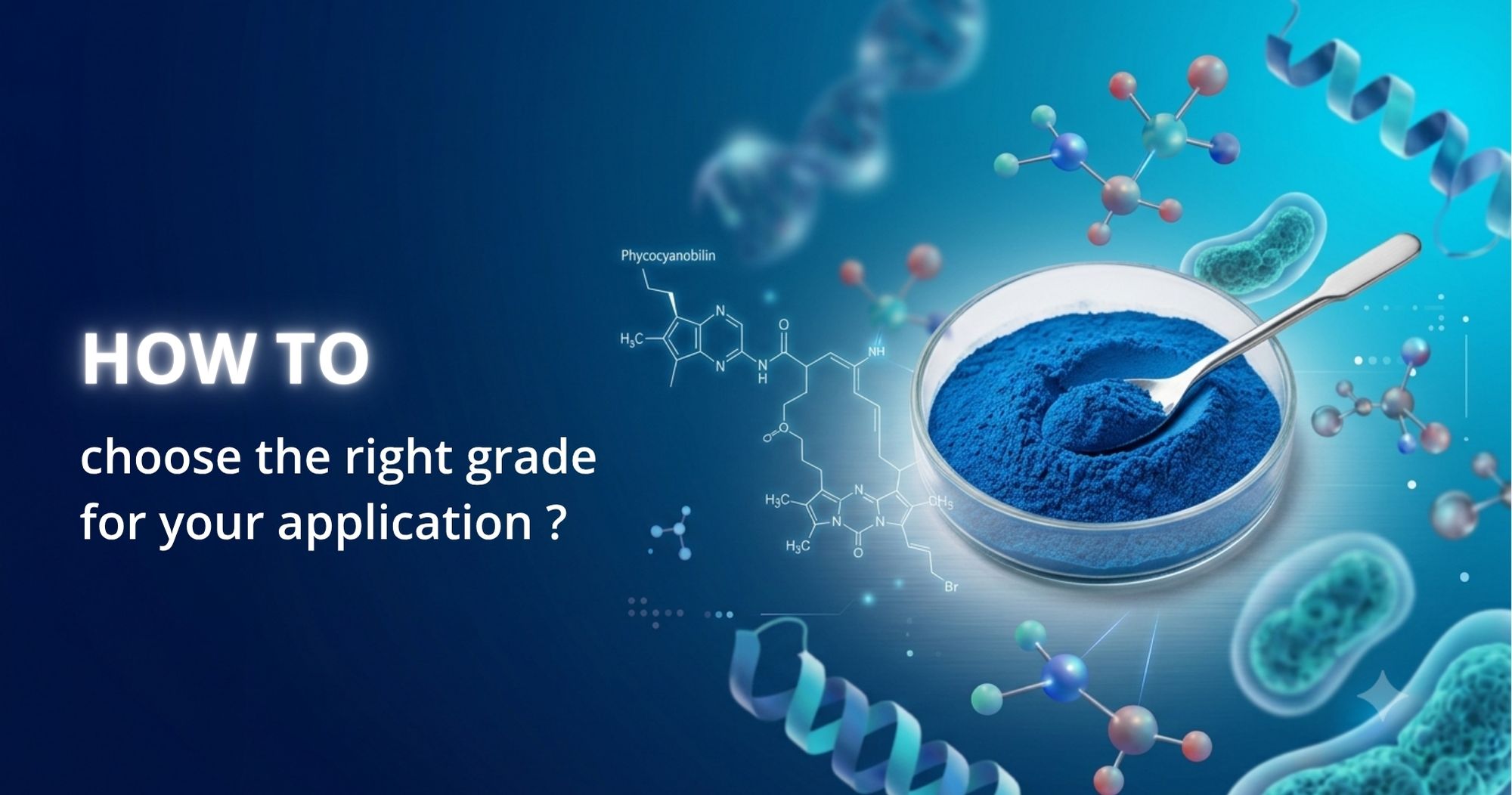
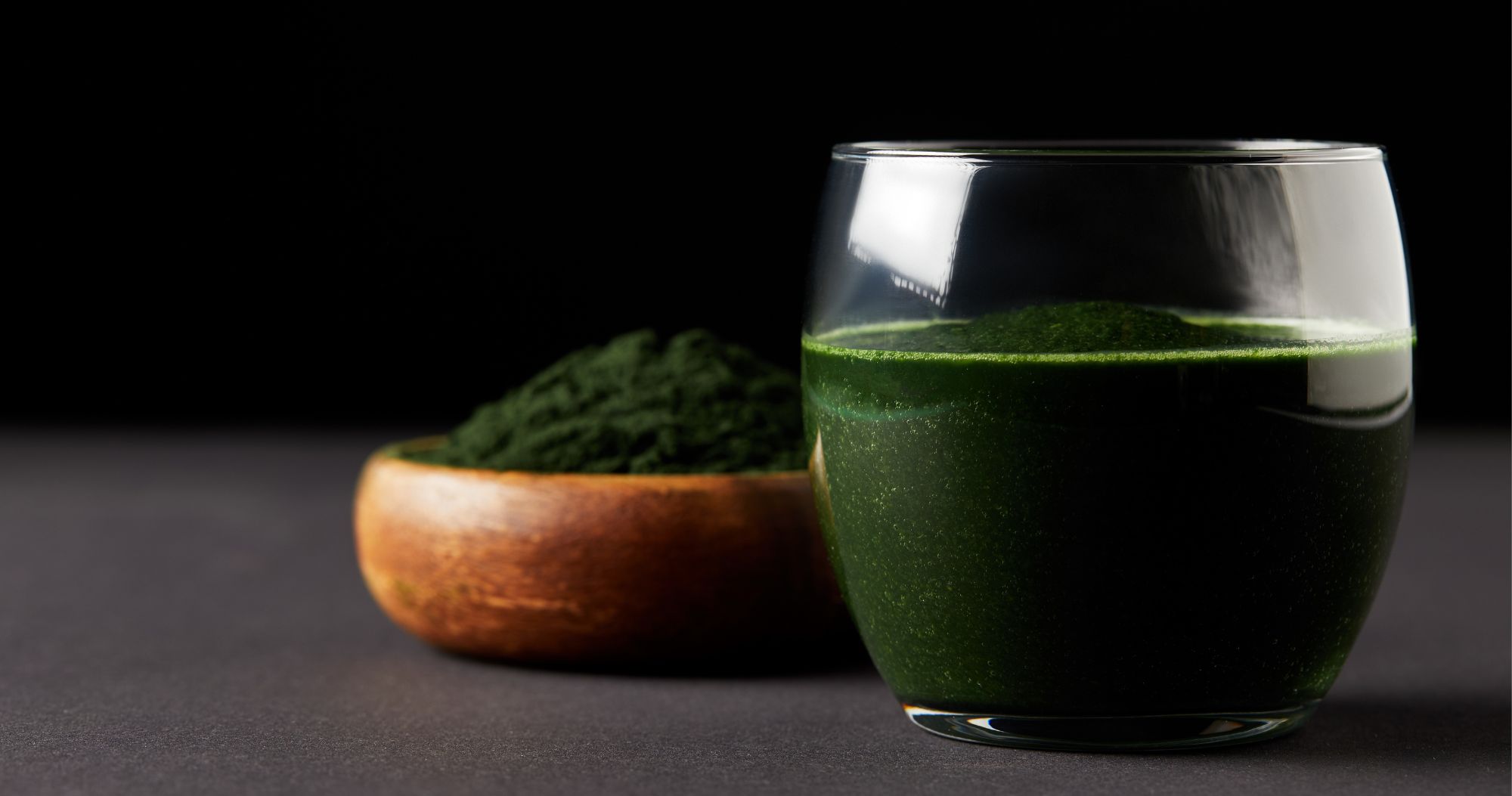
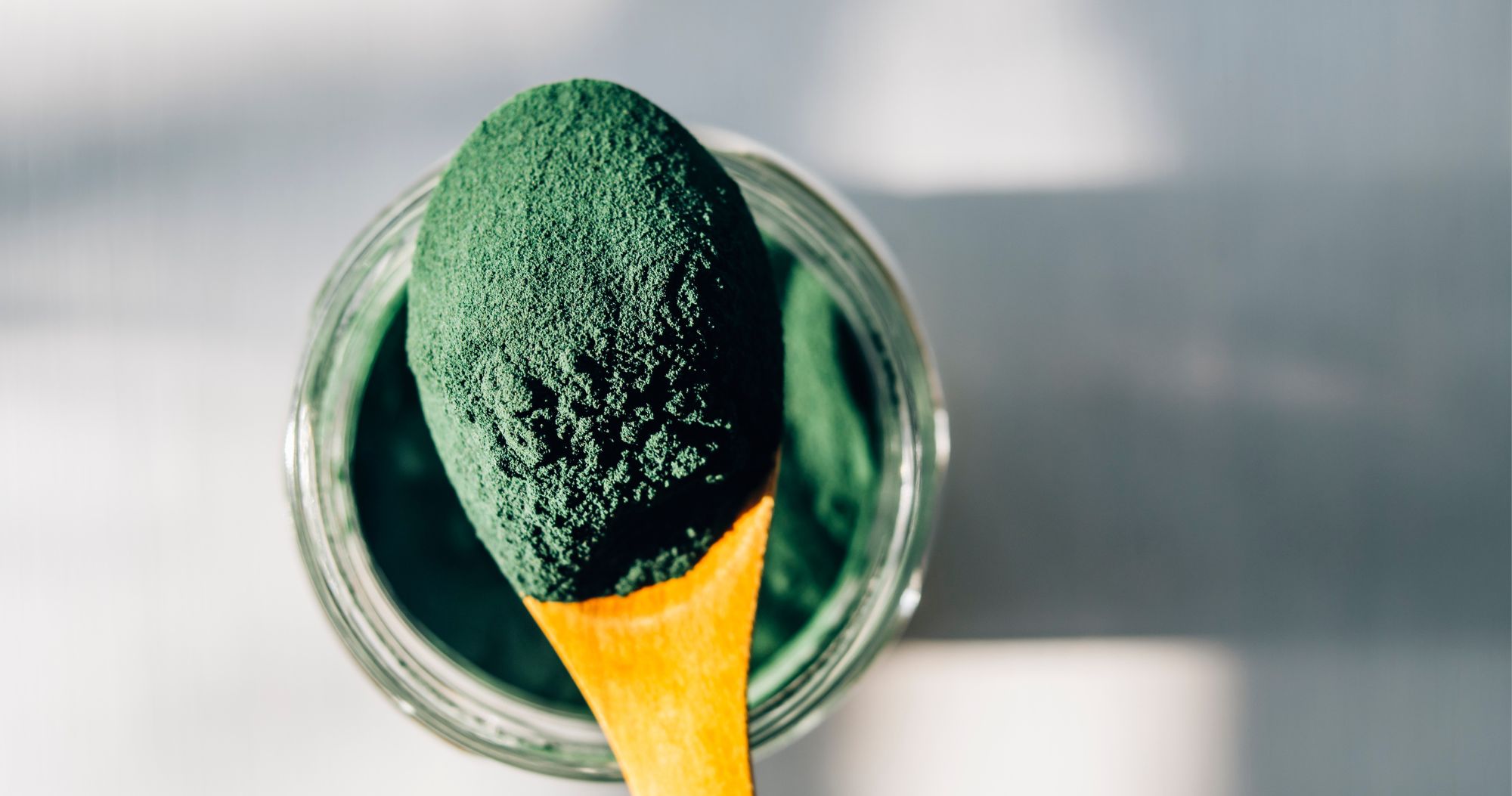
Spirulina owes its blue color to phycocyanin, a powerful antioxidant pigment-protein. It also contains beta-carotene, vitamin E, and other antioxidants.
Together, these compounds give spirulina a high ORAC value, helping combat oxidative stress and supporting long-term health through natural nutrition.
Water Conservation Benefits
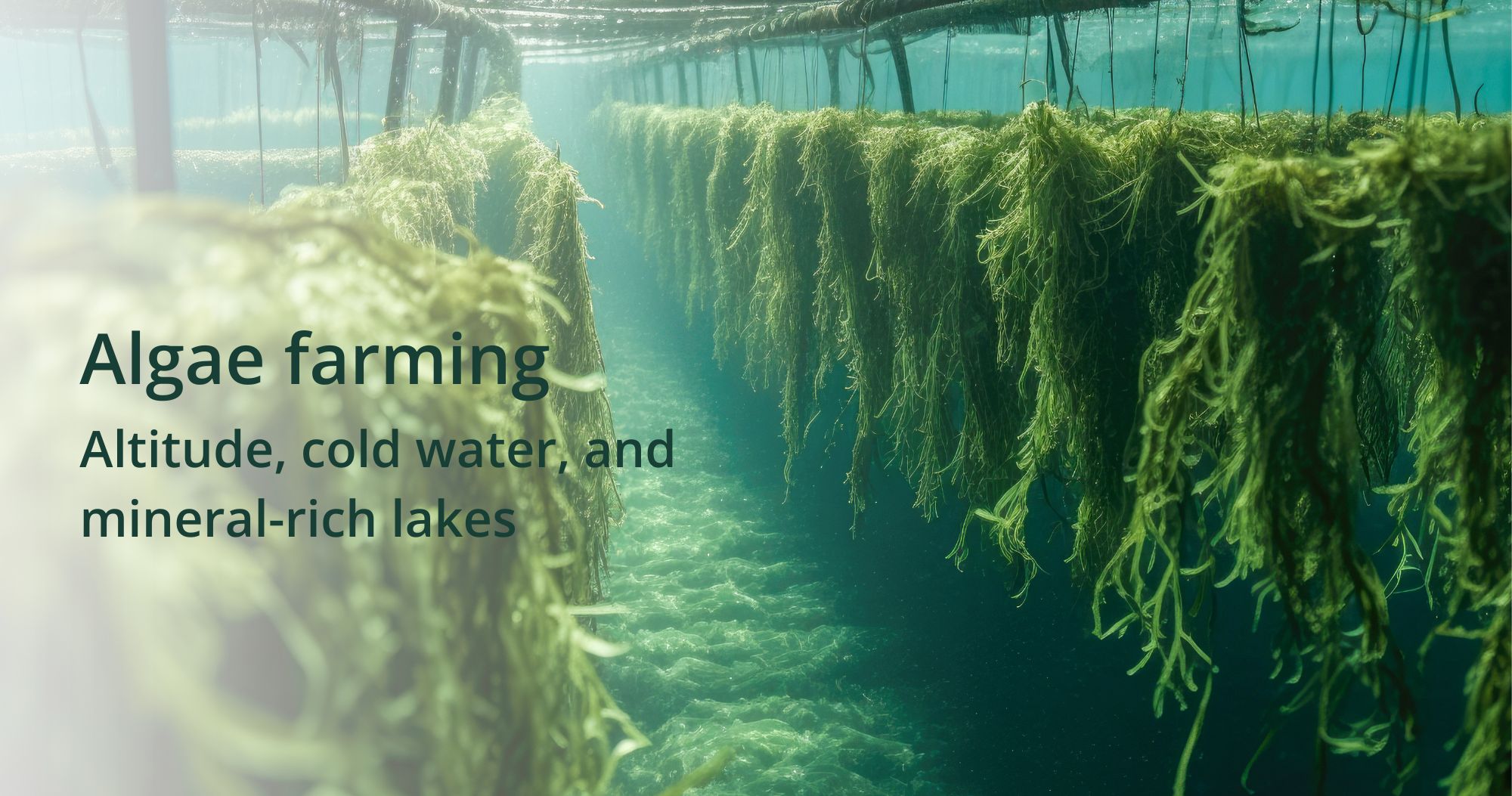
With global water scarcity becoming increasingly critical, spirulina stands out as a water-efficient food source. Its cultivation uses significantly less water than conventional agriculture.
By consuming spirulina-based products, individuals indirectly support sustainable water management practices.
More Than a Supplement
Spirulina is more than a health supplement—it represents a sustainable nutrition solution where science, environmental responsibility, and healthy living intersect.
By choosing spirulina consciously, we contribute to:
- Nourishing our bodies
- Reducing environmental impact
- Building a more balanced and sustainable future
TA Vital – Advancing Sustainable Nutrition
At TA Vital, we do not see spirulina merely as a dietary supplement, but as a foundational ingredient for a future-focused, holistic nutrition ecosystem.
TA Vital’s mission is to bring the scientific value of microalgae—one of the most resource-efficient nutrient sources on Earth—into everyday life in a way that is accessible, sustainable, and long-term.
Currently, TA Vital focuses on developing spirulina-based products guided by three core principles:
- Preserving and optimizing spirulina’s natural nutritional value
- Aligning with modern lifestyles
- Reducing pressure on environmental resources
TA Vital approaches spirulina through the lens of applied science, with a strong emphasis on the biological nature of microalgae, resource efficiency (including land and water use), and the comprehensive nutritional role of spirulina within contemporary diets.
Spirulina is not only good for you—it’s good for the planet
From carbon sequestration and water efficiency to renewable protein production, spirulina is proving to be a valuable ally in our mission to create a sustainable future.
.png)
.png)

.jpg)




.jpg)
.jpg)



.jpg)


.png)
.png)
.jpg)
.jpg)





.jpg)

.jpg)


.jpg)
.jpg)


.jpg)



.jpg)




.png)




.jpg)



.jpg)






%205%20l%E1%BB%A3i%20%C3%ADch%20n%E1%BB%95i%20b%E1%BA%ADt%20cho%20s%E1%BB%A9c%20kh%E1%BB%8Fe%20ng%C6%B0%E1%BB%9Di%20hi%E1%BB%87n%20%C4%91%E1%BA%A1i.jpg)


