

In recent years, gut health has increasingly been seen as the foundation of overall health. Problems such as bloating, indigestion, intestinal motility disorders or irritable bowel syndrome appear increasingly common, especially in people with busy lifestyles, erratic eating and under a lot of stress. In this context, many people are starting to look for natural, safe and sustainable solutions to support the digestive system. Spirlina Spirulinais one of the most mentioned names thanks to its high nutritional value and ability to have a positive effect on the intestines.
Not only known as a “superfood” rich in protein and microelements, Spirulina also has special biological mechanisms that improve digestive function, balance the intestinal microflora, and aid in reducing inflammation. So specifically, how does Spiurlina affect the digestive system and why is it considered the right choice for intestinal health care?
What is Spirulina?
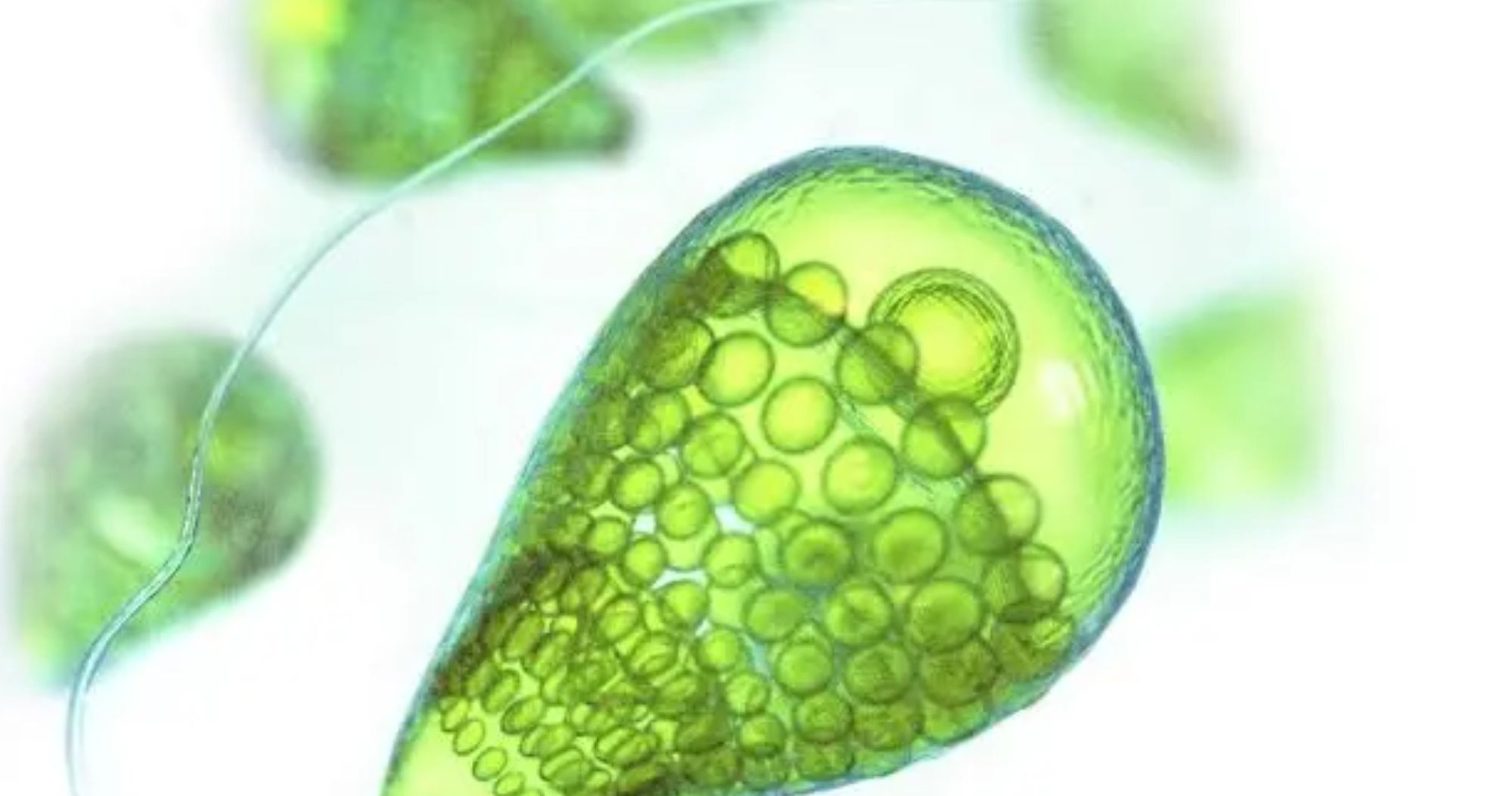
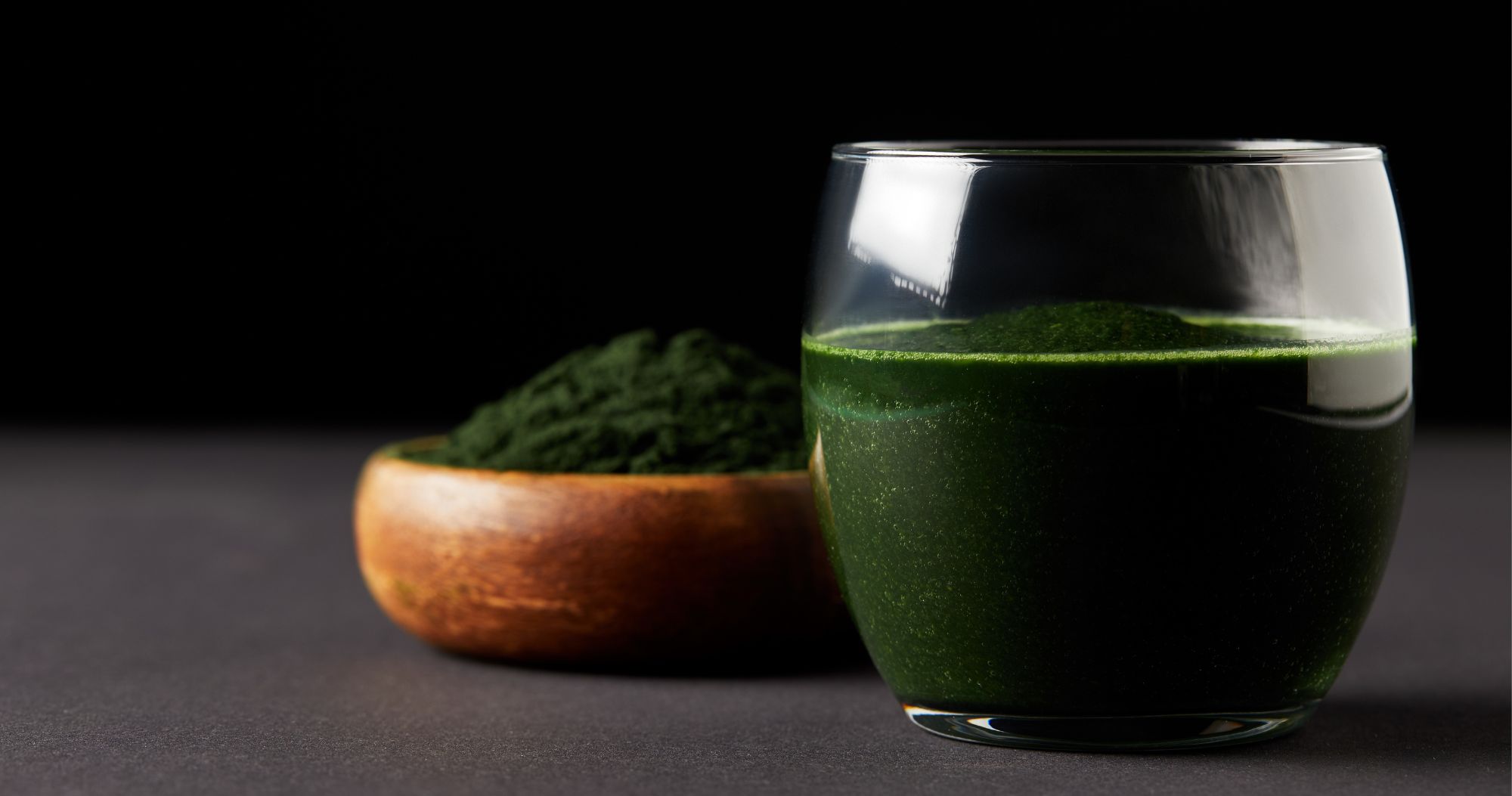
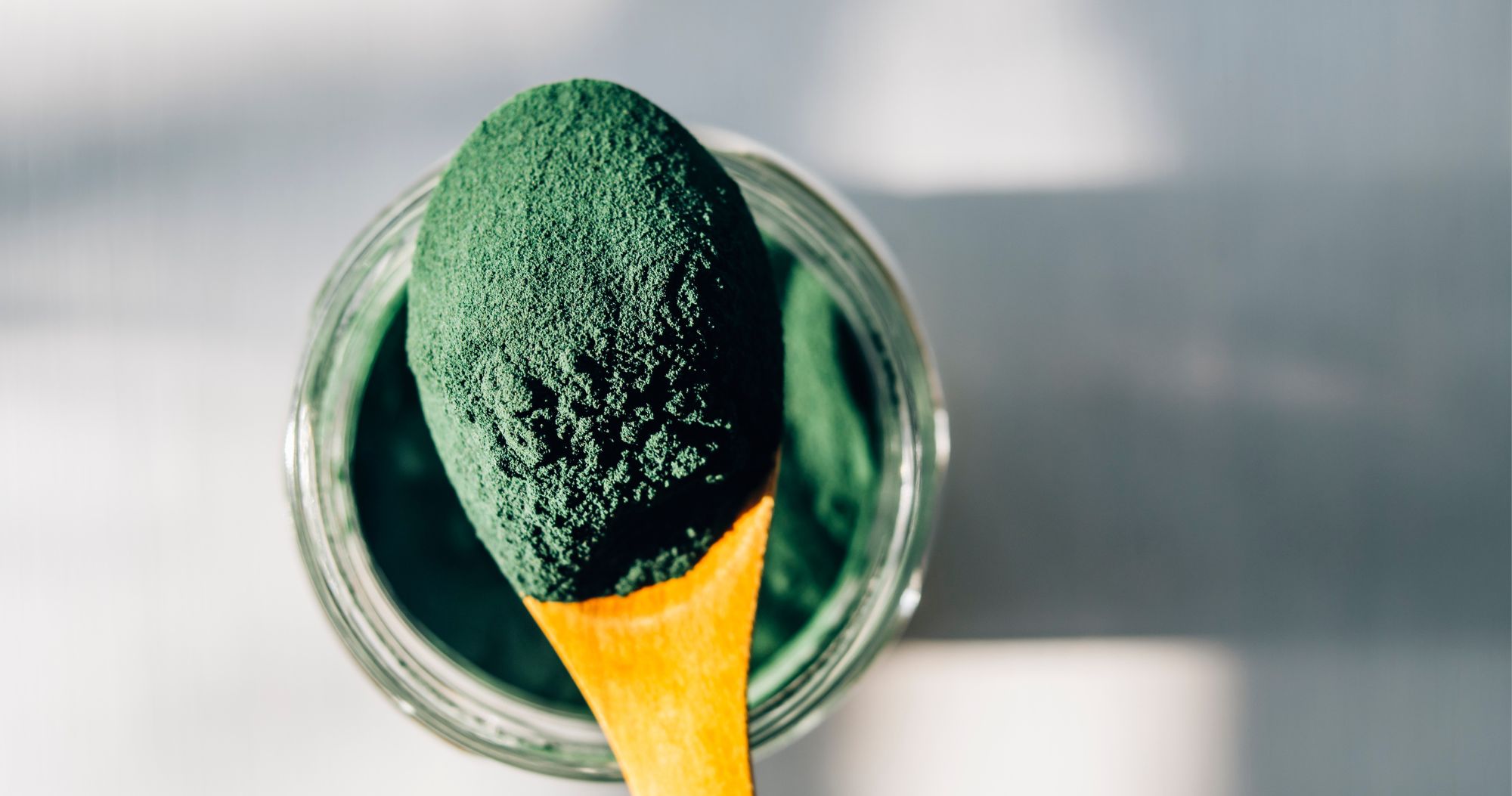
Spirulina is a range microalgae lambs (cyanobacteria) has a characteristic twisted form, grows in an alkaline water environment. This algae grows naturally in warm alkaline lakes and is now commonly cultivated in strict controlled environments to ensure purity and safety when used as food supplements.
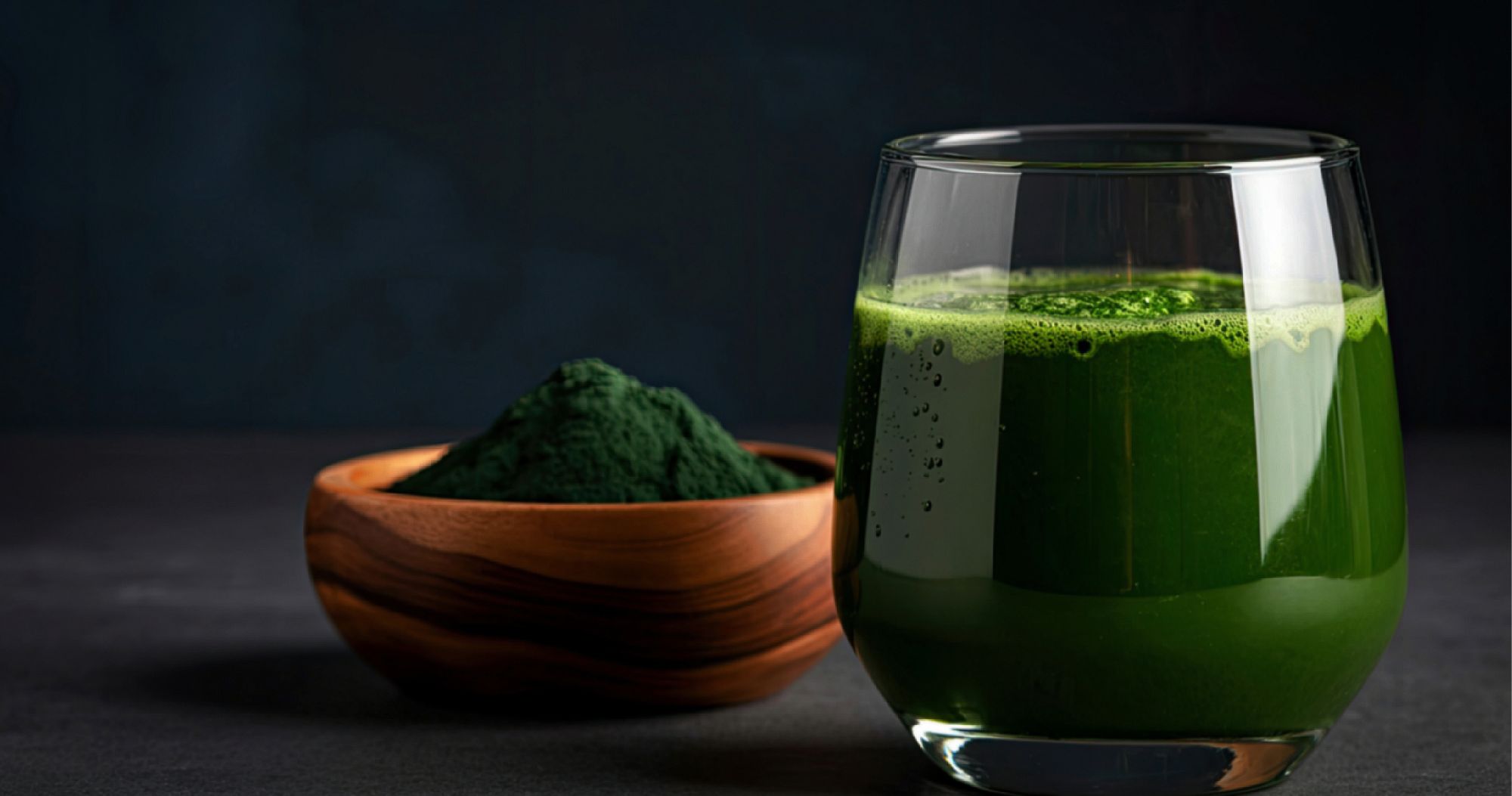
The highlight of Spirulina lies in very high nutrient density. In the same volume, spirulina provides superior amounts of vegetable protein, along with B vitamins, minerals such as iron, magnesium, zinc, essential fatty acids, and many highly active biological compounds such as phycocyanin and chlorophyll.
It is this combination that helps spirulina to act comprehensively up the intestinal tract,not only supplements nutrition, but also supports physiological function.
.jpeg)
The role of the digestive system and intestinal microflora
The digestive system is not only responsible for the breakdown and absorption of nutrients, but also plays an important role in protecting the body from pathogens. Inside the gut there exists a complex ecosystem of trillions of microorganisms, commonly referred to as medicinal plants. intestinal microflora. The balance of this microflora directly affects digestion, immunity, metabolism and even mood.
When the microflora is out of balance, the body is prone to problems such as digestive disorders, enteritis, immunodeficiency, and prolonged fatigue. Therefore, solutions capable of supporting the microflora and improving the intestinal environment, such as Spirulina spirulina, are gaining increasing interest.
How does Spirulina support the digestive system?
1. Provides enzymes that aid digestion
One of the first mechanisms that help Spirulina improve digestion is natural enzyme supplements, in the role of:
- Carbohydrate, protein and fat breakdown
- Reduces bloating, indigestion
- Supports digestion after meals
2. Supports intestinal microflora (natural prebiotics)
In addition, spirulina is also considered to be a natural sources of prebiotics. In the composition of Spirulina there are polysaccharides - those complex carbohydrates that are not completely digested in the small intestine. As they descend into the large intestine, they become “food” for the probiotics. Thanks to this, Spirulina indirectly promotes the growth of beneficial bacteria such as Lactobacillus and Bifidobacterium, which contribute to maintaining the balance of the intestinal microflora.
The balance of microflora helps:
- Improves nutrient absorption
- Stabilization of intestinal motility
- Strengthening immunity (70% of immunity is located in the intestine)
3. Promotes the production of short-chain fatty acids (SCFAs)
When the probiotics grow well, they ferment these polysaccharides and produce short chain fatty acids(SCFAs). These compounds play an important role in nourishing the cells of the intestinal mucosa, maintaining the integrity of the intestinal barrier, and reducing the inflammatory response. A healthy intestinal barrier, which in turn supports digestion and boosts immunity.

4. Anti-inflammatory and protective effect on the intestinal mucosa
Inflammation of the intestine is the underlying factor of many chronic digestive disorders. Spirulina stands out thanks to its content Phycocyanin, a pigment with strong antioxidant and anti-inflammatory activity. Numerous studies show that phycocyanin has the ability to inhibit excessive inflammatory reactions in the body, including in the digestive tract.
Thanks to this effect, Spirulina can help soothe the intestinal mucosa, helping to improve the unpleasant symptoms associated with mild inflammation or bowel dysfunction. This is especially significant for people who frequently experience bloating, functional abdominal pain or irritable bowel syndrome.
5. Supports intestinal absorption and detoxification
Not only directly affects the microflora and inflammation, Spirulina also contributes improves the absorption of nutrients.Chlorophyll in Spirulina is believed to play a role in helping to cleanse the intestinal environment, facilitating the absorption of vitamins and minerals.
Spirulina also has the ability to bind to some heavy metals and toxins in the digestive tract, aiding in their elimination. When toxins decrease, the digestive system works more efficiently and the feeling of severe fatigue after eating also improves.
Spirulina and Common Digestive Problems
Thanks to the above mechanisms, Spirulina is chosen by many people as an aid solution in common digestive conditions. For people with irritable bowel syndrome, Spirulina can help improve the feeling of bloating and discomfort thanks to its anti-inflammatory effects and balance the microflora. With mild cases of constipation, the support of bowel movements and a healthy intestinal environment also contribute to improving the condition.
However, it should be emphasized that Spirulina Spirulina non è un medicamento, which plays a supporting and complementary role in long-term gut health care strategies.
How to Use Spirulina to Improve Digestion
To make the most of the benefits of Spirulina for the digestive system, follow these guidelines:
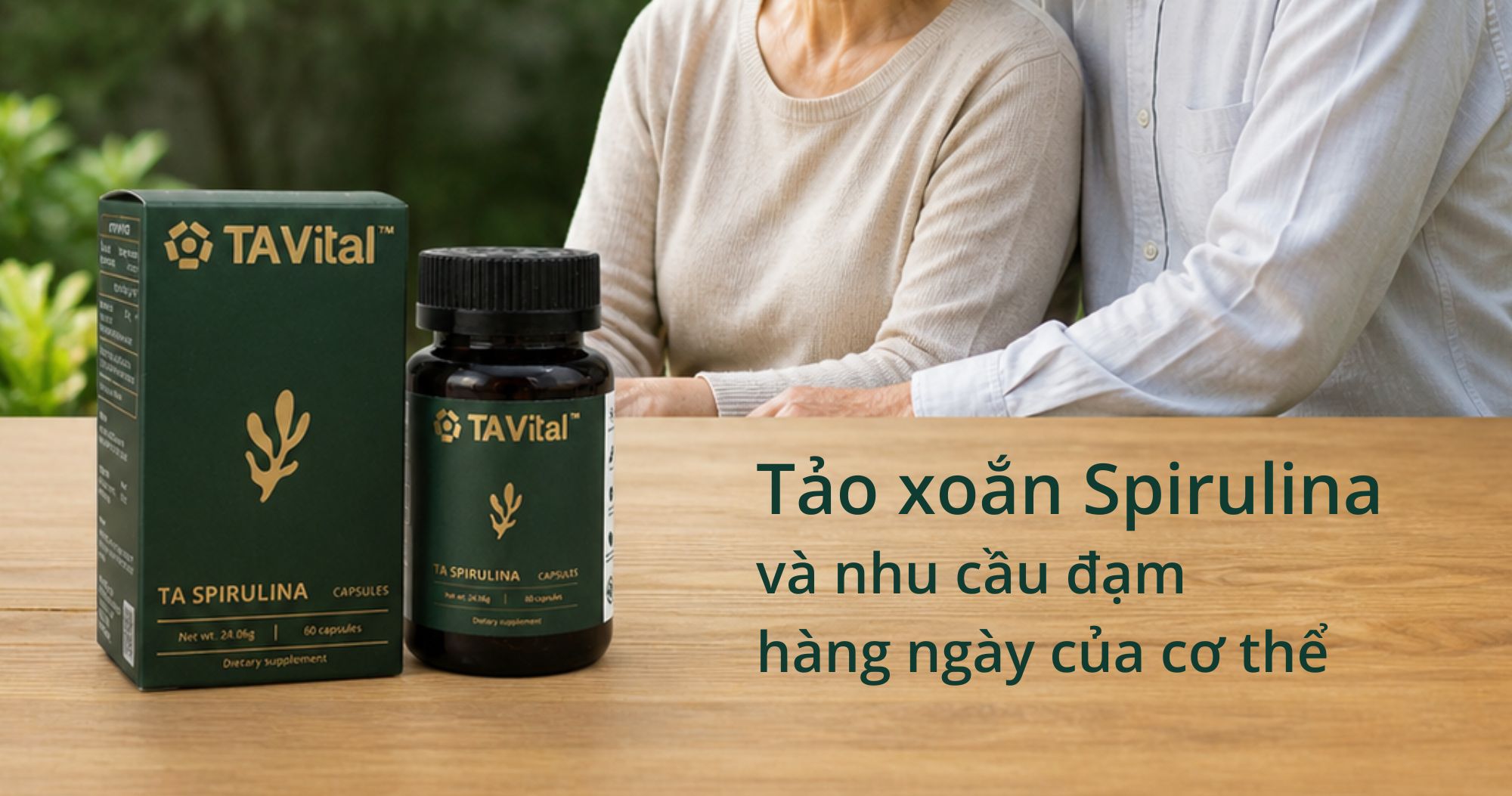
- Start with small doses: For the TA Spirulina product, the recommended dose is 2 tablets per day. Each tablet contains 325mg of pure spirulina, which is equivalent to a total of 650mg of spirulina per day. This dosage is suitable for beginners using Spirulina, which helps the body to adapt gradually
- Take with meals: Take TA Spirulina with meals to optimize digestion and nutrient absorption. Divide 2 capsules evenly over the two main meals of the day, for example one at breakfast and one at dinner.
- Maintain regularity: Using Spirulina on a regular basis daily will give the best results.
- Combining spirulina with a balanced diet is considered a supplement to a healthy diet, not an alternative to main meals. Use TA Spirulina with a diet rich in green vegetables, fruits, lean protein, and whole grains to optimize gut health.
- Drink plenty of water: Increase water intake with spirulina supplements to support the elimination of toxins

Precautions when using Spirulina
Although considered safe for the majority of users, Spirulina still needs to be used properly. People who are treating a disease or taking medication should consult a health professional before supplementing. Women who carry and breastfeed also need caution and have appropriate counseling. The selection of products of clear origin, subject to strict quality control is an important factor to avoid the risk of contamination with impurities or heavy metals.
Conclusion
Spirulina is not only an abundant source of nutrients, but also has many practical benefits for the digestive system. Through supporting digestive enzymes, nourishing probiotics, reducing inflammation and improving the intestinal environment, Spirulina contributes to building a healthier and more stable digestive system.
When used properly and combined with a healthy diet, Spirulina can become a key part of a sustainable gut health care strategy,helps the body to better absorb and maintain energy from the inside.
.png)
.png)



.jpg)




.jpg)
.jpg)



.jpg)


.png)
.png)
.jpg)
.jpg)




.jpg)

.jpg)


.jpg)
.jpg)


.jpg)



.jpg)




.png)





.jpg)



.jpg)








%205%20l%E1%BB%A3i%20%C3%ADch%20n%E1%BB%95i%20b%E1%BA%ADt%20cho%20s%E1%BB%A9c%20kh%E1%BB%8Fe%20ng%C6%B0%E1%BB%9Di%20hi%E1%BB%87n%20%C4%91%E1%BA%A1i.jpg)


