

Immune health is increasingly viewed as part of a long-term lifestyle rather than a short-term response to illness. In this context, spirulina has gained attention as a nutrient-dense microalgae functional nutrition and sustainable food solutions. Spirulina reflects a growing interest in science-based, preventive health approaches.
At TA Vital, immune support is understood as a system-level outcome shaped by nutrition, recovery, and environmental responsibility, not a single ingredient or quick fix.
Spirulina is a blue-green microalgae naturally rich in protein, vitamins, minerals, and bioactive compounds. Historically consumed for its nutritional density, spirulina is now widely studied for its potential role in supporting immune function.
Rather than acting as a treatment, spirulina is often discussed in research as a supportive food source that may help maintain normal immune responses when combined with a balanced lifestyle.
One reason spirulina is frequently linked to immune health lies in its nutrient composition. It contains B vitamins, iron, and essential amino acids that are involved in normal metabolic and immune processes. These nutrients contribute to the body's ability to maintain natural defense mechanisms and overall vitality.
As part of daily nutrition, spirulina may help support immune resilience by supplying micronutrients often lacking in modern diets.
Spirulina is known for its antioxidant content, particularly phycocyanin, a natural pigment with strong antioxidant properties. Oxidative stress has been associated with immune imbalance, and antioxidants play a role in protecting cells from oxidative damage.
Research suggests that phycocyanin may help support the body's antioxidant defenses, which are closely linked to maintaining normal immune system function.
(Deng R, Chow T-J. Hypolipidemic, antioxidant and antiinflammatory activities of microalgae spirulina. Cardiovasc Ther. 2010;28(4):e33-e45.)
Chronic inflammation can interfere with immune regulation over time. Scientific studies have explored sipirulina's potential anti-inflammatory properties, suggesting that it may help support inflammatory balance in the body.
By contributing to a more stable internal environment, spirulina may indirectly support immune system efficiency, especially when combined with adequate sleep, stress management, and physical activity.
Preliminary clinical research indicates that spirulina supplementation may influence immune cell activity, including cytokine responses involved in immune signaling
(Mao TK, van de Water J, Gershwin ME. Effects of a Spirulina-based dietary supplement on cytokine production from allergic rhinitis patients. J Med Food. 2005;8:27–30. [PubMed] [Google Scholar])
These findings do not position spirulina as a medical intervention but highlight its potential role as a supportive nutritional component within a broader immune health strategy.
Beyond individual health, spirulina is increasingly recognized for its sustainability profile. As a high-efficiency protein source with low environmental impact, spirulina aligns with the future of nutrition that supports both human health and planetary well-being.
At TA Vital, spirulina represents more than immune support-it reflects a commitment to sustainable nutrition and long-term health thinking.
Supporting immune system function in 2025 and beyond requires a holistic perspective. Spirulina, with its dense nutrient profile, antioxidant properties, and sustainable production, may play a supportive role in maintaining immune balance when integrated into a conscious, science-based lifestyle.
Supporting a Functioning Immune System with Spirulina
Supporting a Functioning Immune System with Spirulina

Healthy Industry Trends 2025-2026: When Health Becomes a Living Ecosystem
Healthy Industry Trends 2025-2026: When Health Becomes a Living Ecosystem
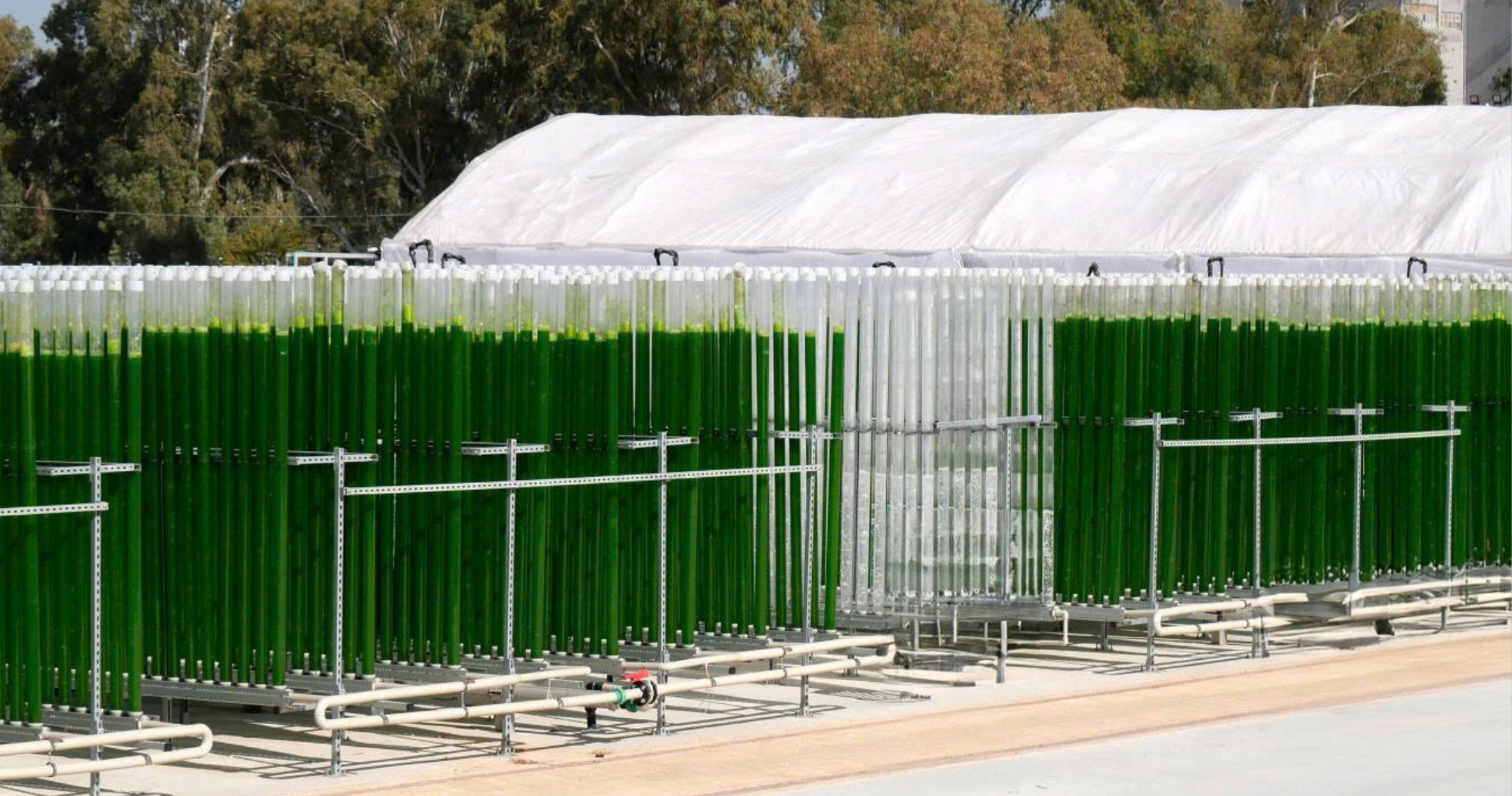
Spirulina and Sustainability: A Nutrient for a Sustainable Future
Spirulina and Sustainability: A Nutrient for a Sustainable Future
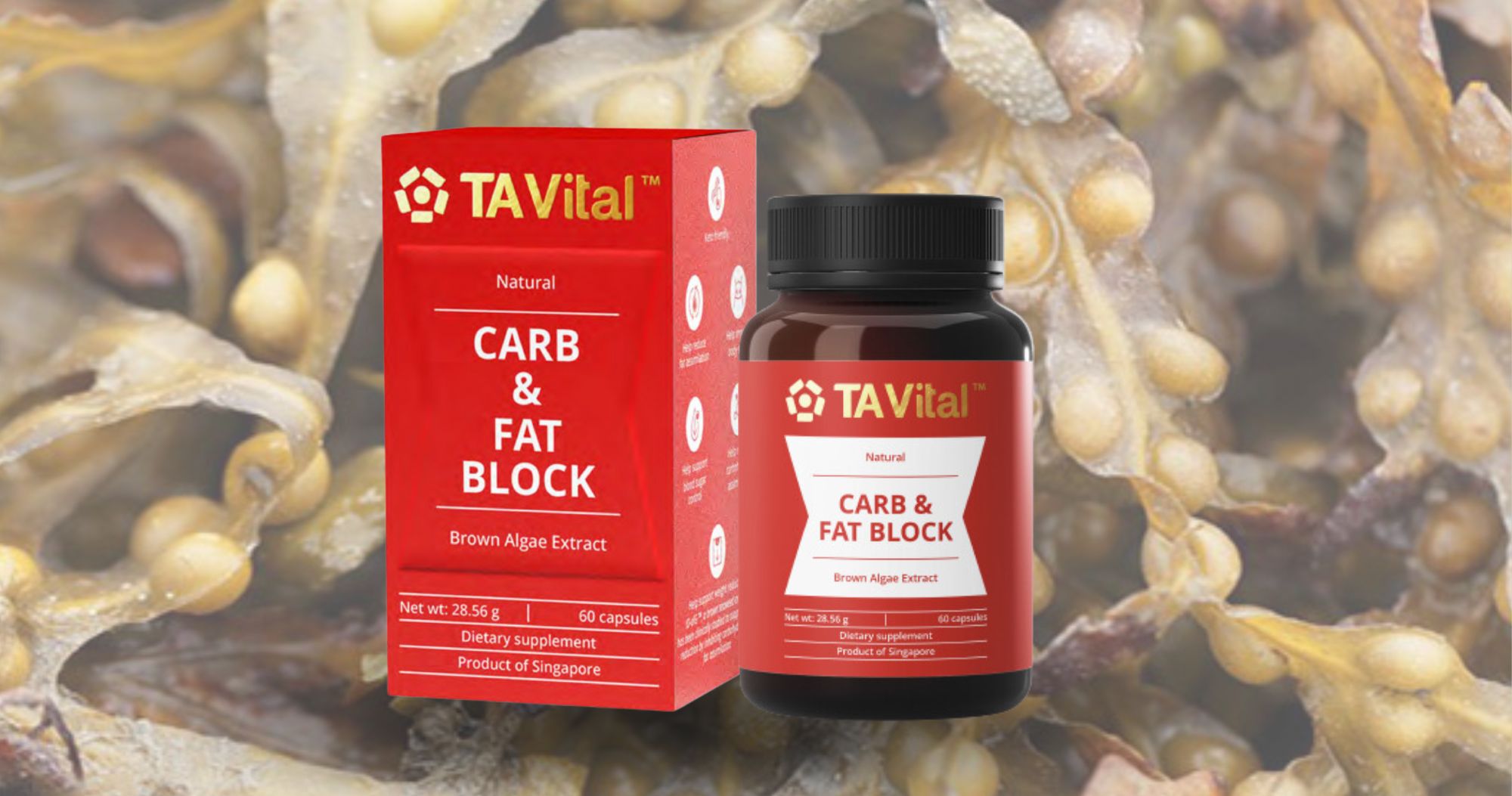
Vietnamese health supplement firm taps brown algae extract for weight control
Vietnamese health supplement firm taps brown algae extract for weight control
.jpg)
Spirulina Capsules: The Secret to Living Healthy, Beautiful and Sustainable
Spirulina Capsules: The Secret to Living Healthy, Beautiful and Sustainable

What is ESG The importance of enterprise ESG in sustainable development
What is ESG The importance of enterprise ESG in sustainable development

Is spirulina (microalgae) or seaweed (macroalgae) better for health?
Is spirulina (microalgae) or seaweed (macroalgae) better for health?

Secrets of skin beauty, blurring and anti-aging from spirulina and red algae
Secrets of skin beauty, blurring and anti-aging from spirulina and red algae
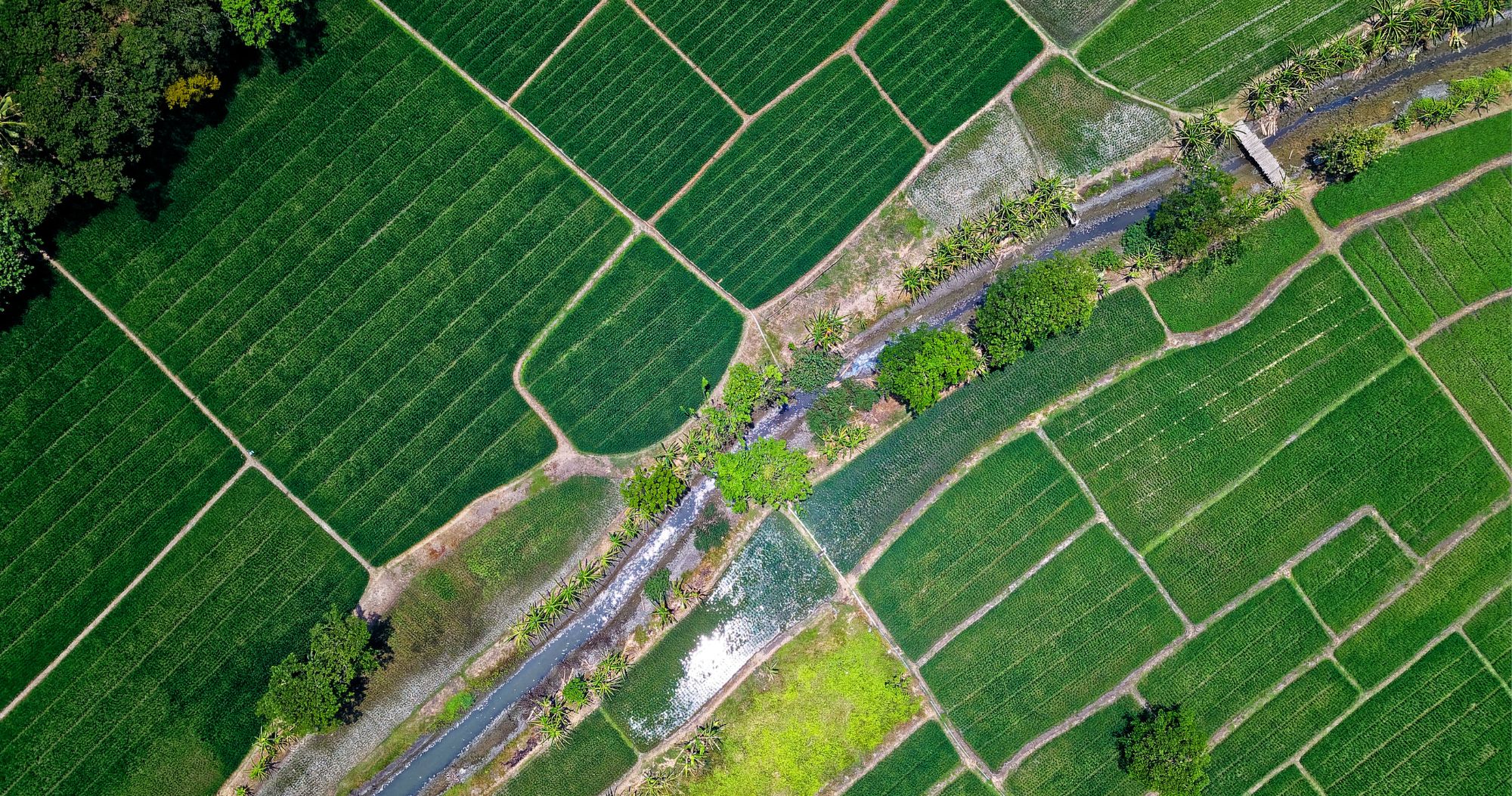
Green transition with agriculture: A sustainable path for Vietnam
Green transition with agriculture: A sustainable path for Vietnam
%205%20l%E1%BB%A3i%20%C3%ADch%20n%E1%BB%95i%20b%E1%BA%ADt%20cho%20s%E1%BB%A9c%20kh%E1%BB%8Fe%20ng%C6%B0%E1%BB%9Di%20hi%E1%BB%87n%20%C4%91%E1%BA%A1i.jpg)
Domestic Japanese algae (yellow algae): 5 outstanding benefits for modern human health
Domestic Japanese algae (yellow algae): 5 outstanding benefits for modern human health
.jpg)
Spirulina Face Mask: Natural Skincare for Bright, Youthful, and Healthy Skin
Spirulina Face Mask: Natural Skincare for Bright, Youthful, and Healthy Skin

Spirulina - golden nutrition for the full development of the child
Spirulina - golden nutrition for the full development of the child

Reveal how to drink spirulina to beautify the skin and repel oxidationz
Reveal how to drink spirulina to beautify the skin and repel oxidationz

TA Vital Showcases at Food Tech Day 2025, RMIT Vietnam
TA Vital Showcases at Food Tech Day 2025, RMIT Vietnam
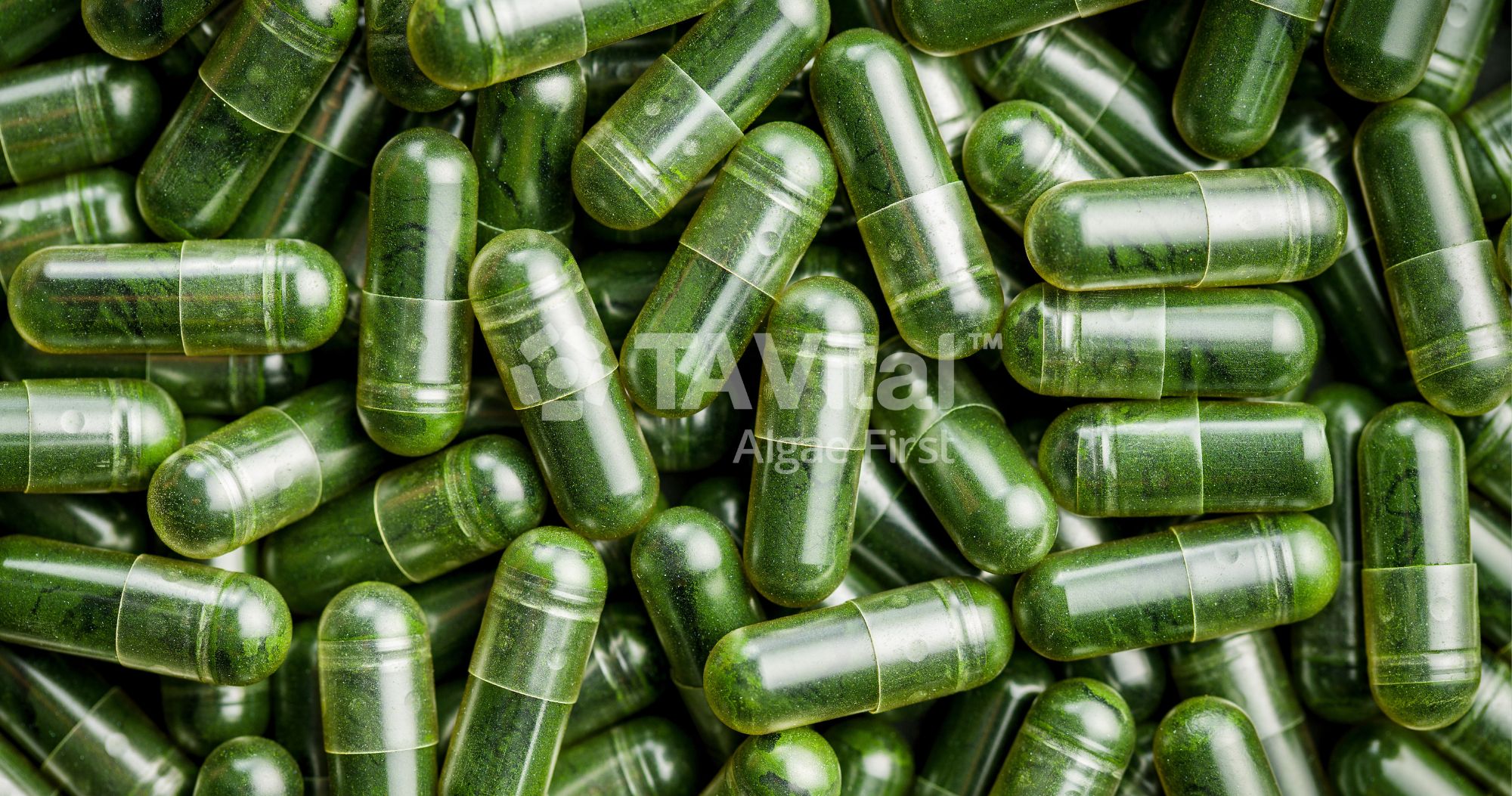
TA Spirulina Capsules: The Secret to Living Healthy, Beautiful and Sustainable
TA Spirulina Capsules: The Secret to Living Healthy, Beautiful and Sustainable

What are the benefits of Japanese spirulina for the elderly?
What are the benefits of Japanese spirulina for the elderly?

What Is Spirulina? Health & Beauty Benefits of the Green Superfood
What Is Spirulina? Health & Beauty Benefits of the Green Superfood

Value from sludge: CHITOSE partners TA Vital to turn industrial waste into custom compost for agriculture
Value from sludge: CHITOSE partners TA Vital to turn industrial waste into custom compost for agriculture

How Do Algae Live? Growth Conditions, Nutrition, and the Benefits of Spirulina
How Do Algae Live? Growth Conditions, Nutrition, and the Benefits of Spirulina
.png)
TA Vital and CHITOSE Bio Evolution Bring Industrial-Scale AI Composting to Vietnam
TA Vital and CHITOSE Bio Evolution Bring Industrial-Scale AI Composting to Vietnam
.jpg)
When Green Technology Becomes the New “Passport” for Global Integration
When Green Technology Becomes the New “Passport” for Global Integration
.jpg)
Top 5 Spirulina Uses: Superfoods for Health & Beauty
Top 5 Spirulina Uses: Superfoods for Health & Beauty

10 Green Solutions to Drive Sustainable Transformation for a Better Future
10 Green Solutions to Drive Sustainable Transformation for a Better Future

How to Take Spirulina for Clear Skin and Acne-Free Beauty
How to Take Spirulina for Clear Skin and Acne-Free Beauty

Green Transformation – A Strategic Path for Businesses and Nations
Green Transformation – A Strategic Path for Businesses and Nations
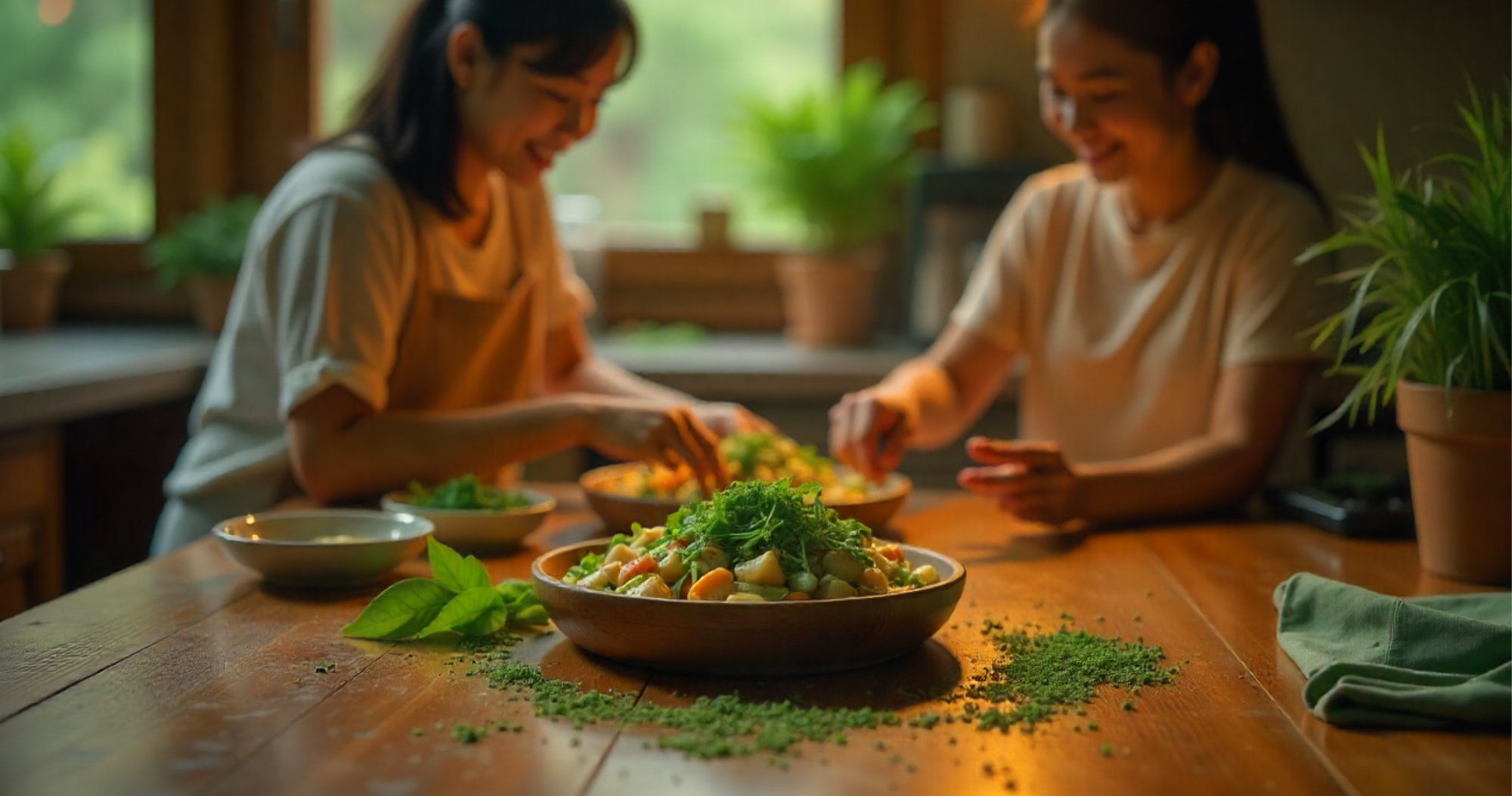
Golden Spirulina Recipes – Nutrition for Vegetarians
Golden Spirulina Recipes – Nutrition for Vegetarians
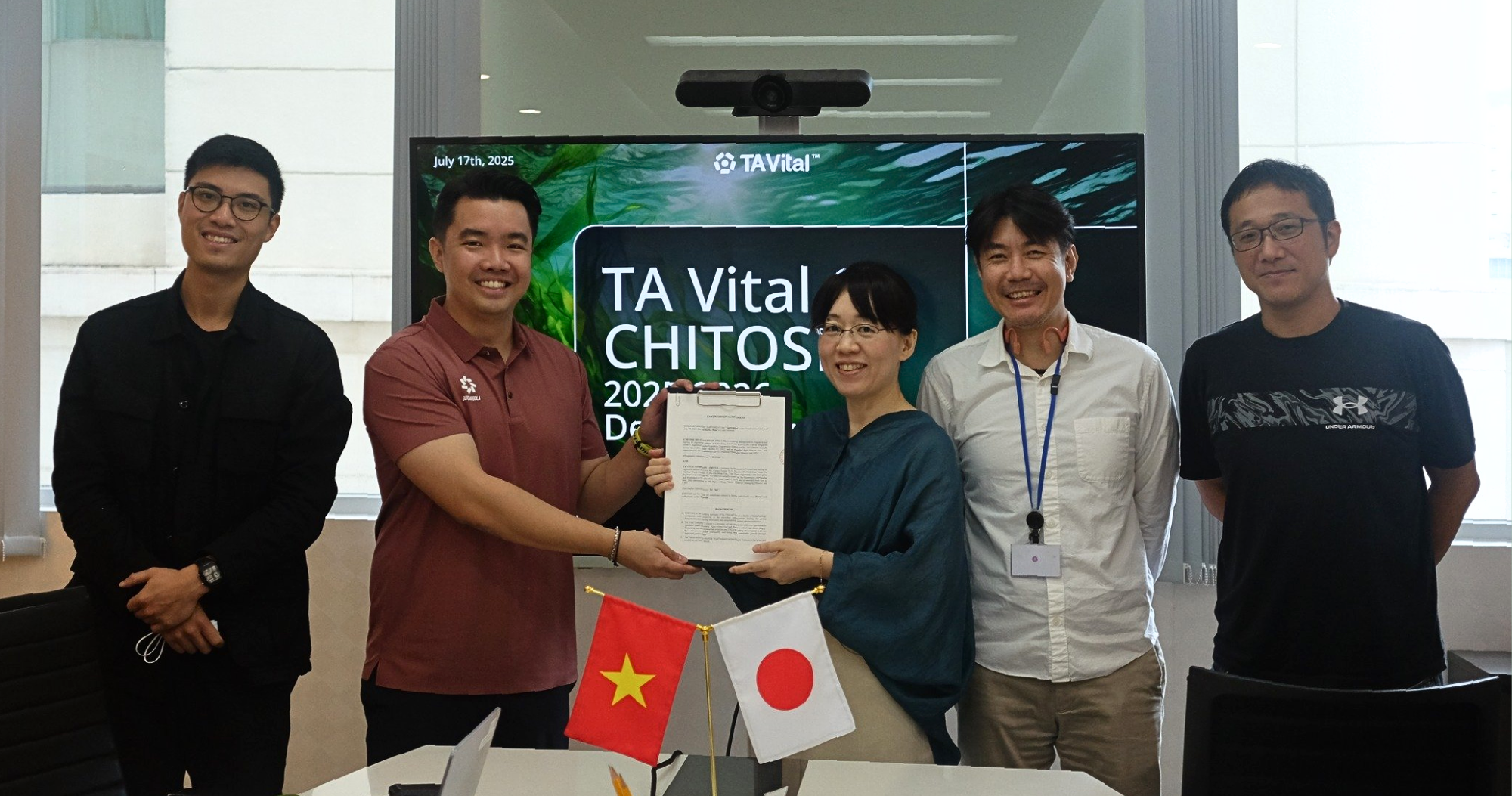
TA Vital and Chitose Bio Evolution, exchange signed agreement to jointly develop ESG solutions for Vietnam Market
TA Vital and Chitose Bio Evolution, exchange signed agreement to jointly develop ESG solutions for Vietnam Market
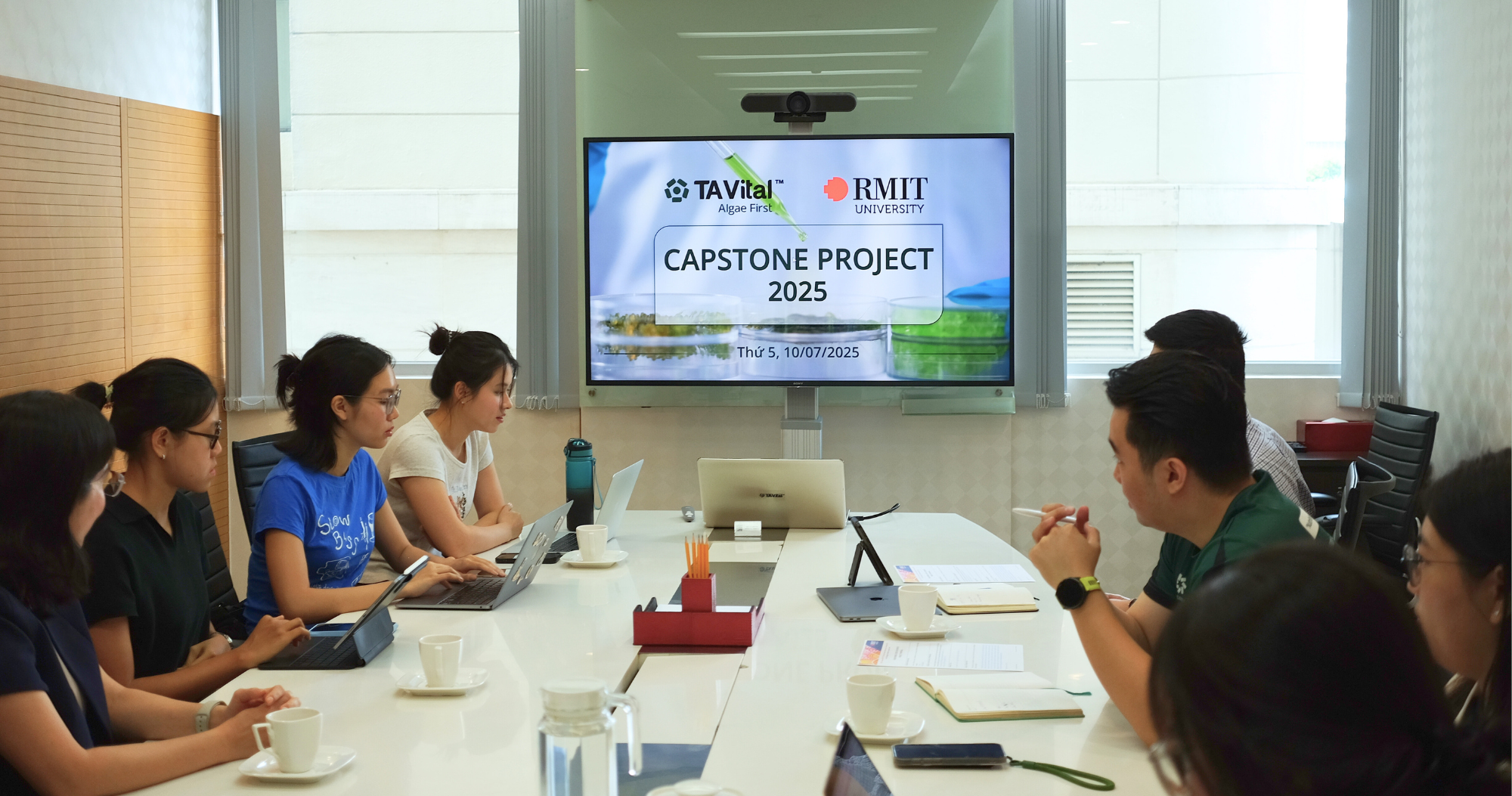
TA Vital and RMIT Join Forces to Create Sustainable Microalgae-Based Foods
TA Vital and RMIT Join Forces to Create Sustainable Microalgae-Based Foods
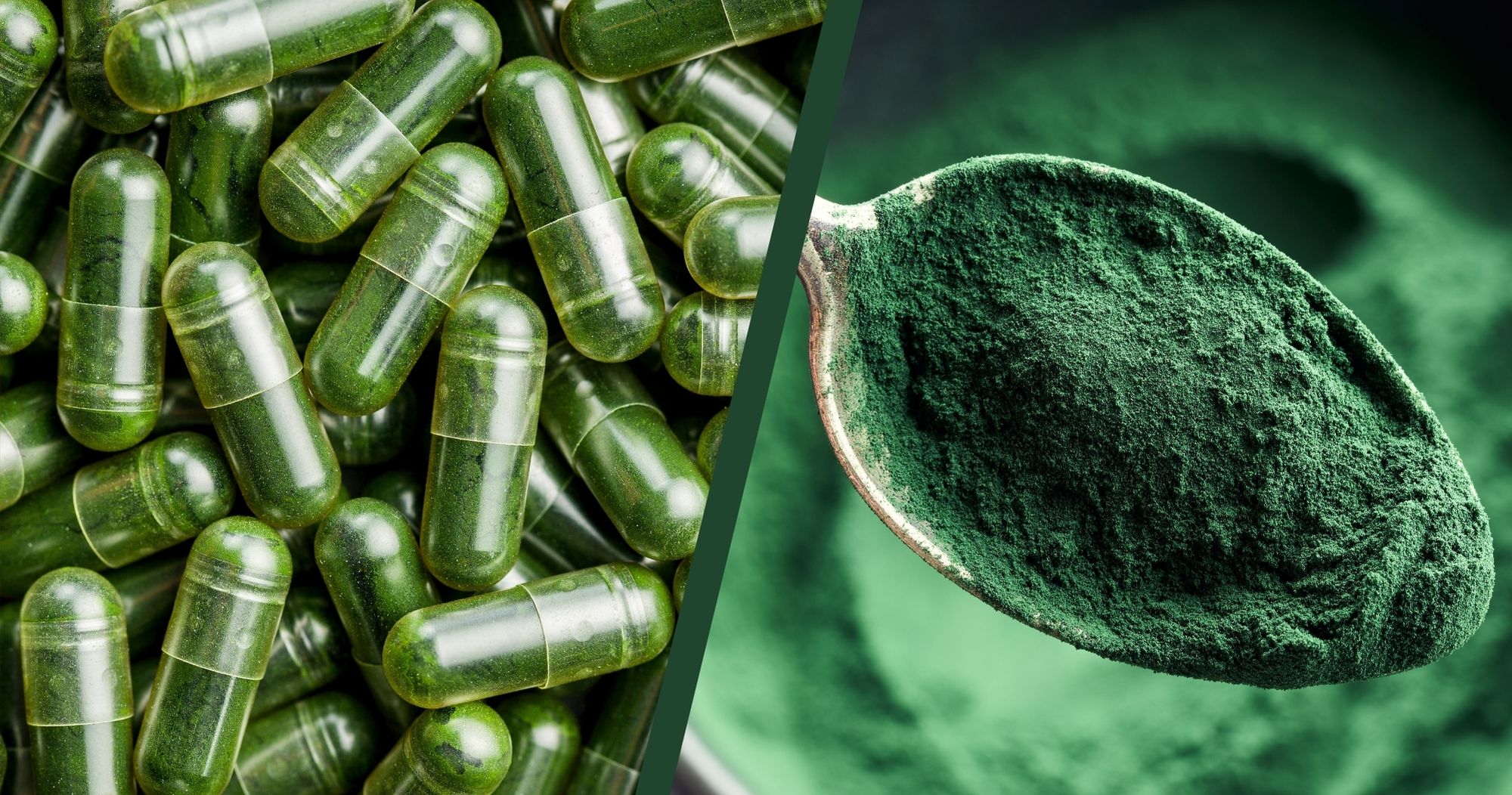
Would using spirulina tablets or spirulina powder be healthier?
Would using spirulina tablets or spirulina powder be healthier?

The Roadmap to Green Transition: Why Businesses Must Act Now
The Roadmap to Green Transition: Why Businesses Must Act Now

Green Technology in Waste Management: A Key to the Green Transition
Green Technology in Waste Management: A Key to the Green Transition
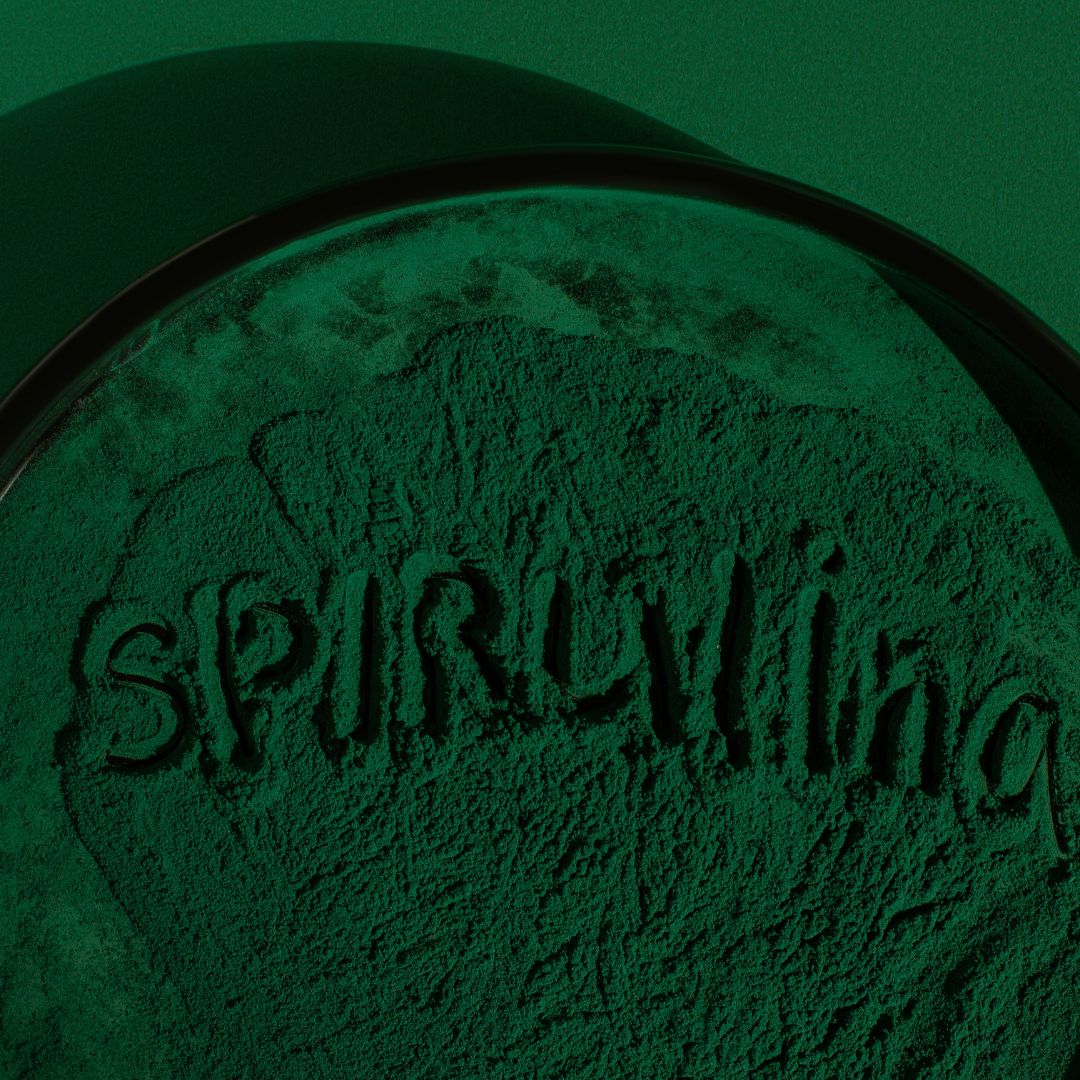
Spirulina for Vegans: The Best Plant-Based Superfood for Complete Nutrition
Spirulina for Vegans: The Best Plant-Based Superfood for Complete Nutrition
Spirulina provides energy for daily sports activities
Spirulina provides energy for daily sports activities
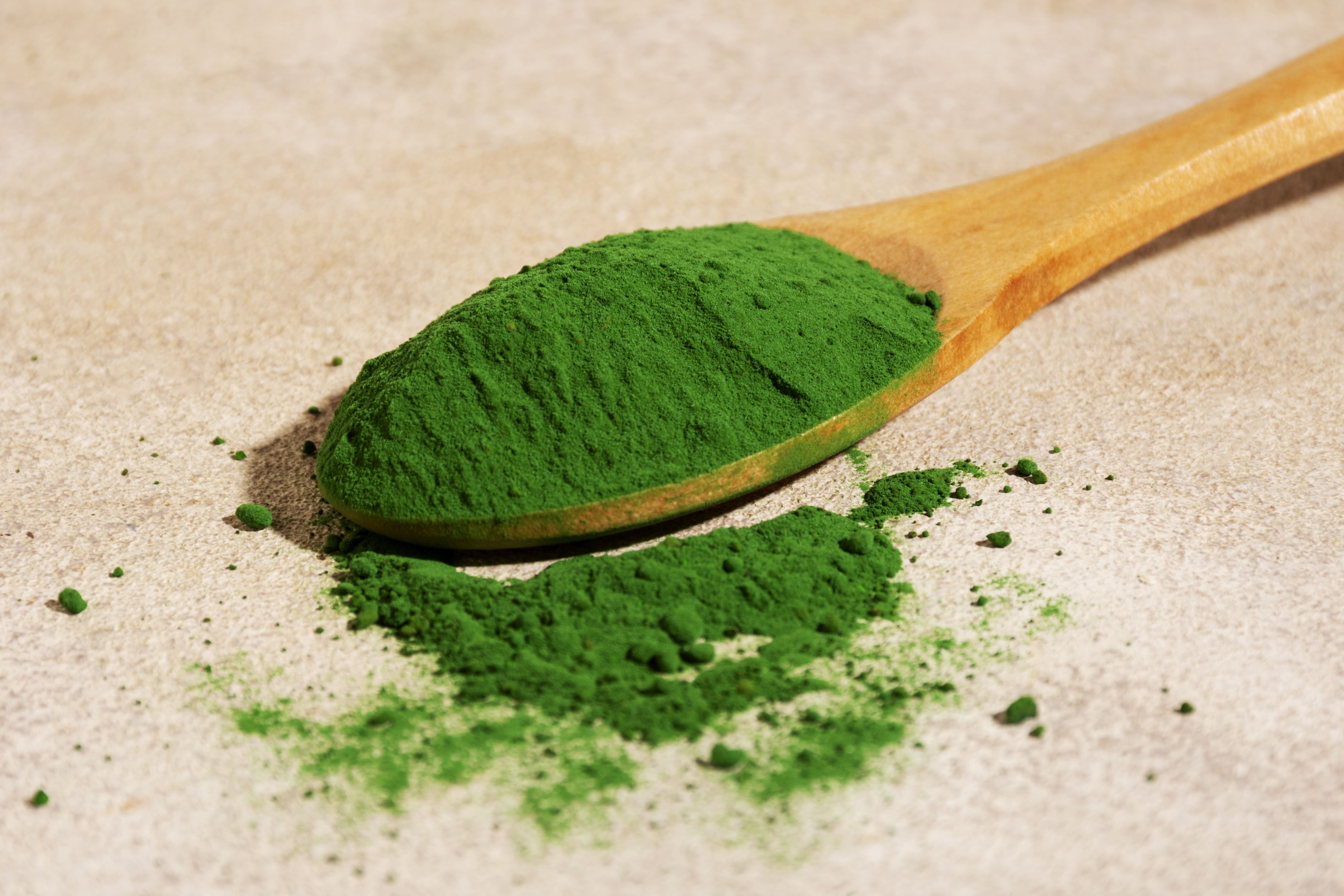
Spirulina: Benefits, Dosage & How to Choose Products
Spirulina: Benefits, Dosage & How to Choose Products

Why are microalgae seen as a potential solution to food security?
Why are microalgae seen as a potential solution to food security?

Should I drink spirulina regularly? Instructions for the use of algae suitable for each subject for effectiveness
Should I drink spirulina regularly? Instructions for the use of algae suitable for each subject for effectiveness

What is green conversion? Role of algae in green transition
What is green conversion? Role of algae in green transition

TA Vital participates in Pickleball Charity Cup 2025: Spreading the spirit of “Giving is forever”
TA Vital participates in Pickleball Charity Cup 2025: Spreading the spirit of “Giving is forever”

After the merger of Long An - Tay Ninh: TA Vital welcomes the trend of eco-industry
After the merger of Long An - Tay Ninh: TA Vital welcomes the trend of eco-industry

TA Vital Periodically Inspects Production Plants According to GMP Standards — Commitment to Quality for Public Health
TA Vital Periodically Inspects Production Plants According to GMP Standards — Commitment to Quality for Public Health

TA VITAL AND RALLY PICKLEBALL COLLABORATE TO PROMOTE HOLISTIC WELLNESS THROUGH SPORTS AND NUTRITION
TA VITAL AND RALLY PICKLEBALL COLLABORATE TO PROMOTE HOLISTIC WELLNESS THROUGH SPORTS AND NUTRITION

TA VITAL and CHITOSE BIO EVOLUTION form strategic partnership for green transformation and scientific research
TA VITAL and CHITOSE BIO EVOLUTION form strategic partnership for green transformation and scientific research

Spirulina: Products that provide a sustainable source of protein-rich nutrition
Spirulina: Products that provide a sustainable source of protein-rich nutrition

Prodezi Eco-IP Partners with Chitose Group & TA Vital for Sustainable Development
Prodezi Eco-IP Partners with Chitose Group & TA Vital for Sustainable Development

Spirulina Supplements: Health Benefits and How to Use Effectively
Spirulina Supplements: Health Benefits and How to Use Effectively
.jpg)
Spirulina vs Kale vs Quinoa: What is the optimal nutritional choice?
Spirulina vs Kale vs Quinoa: What is the optimal nutritional choice?
%20(1).jpeg)
Spirulina Nutrients: Vitamins and Minerals Found in Spirulina
Spirulina Nutrients: Vitamins and Minerals Found in Spirulina
.jpg)
Why Spirulina is considered the “superfood” of the future?
Why Spirulina is considered the “superfood” of the future?
.jpg)
Spirulina Spirulina: Health Secrets for All Ages in Modern Life
Spirulina Spirulina: Health Secrets for All Ages in Modern Life
.jpg)
Spirulina Spirulina: Natural Solution to Effectively Reduce Blood Fat
Spirulina Spirulina: Natural Solution to Effectively Reduce Blood Fat

The Long History of Spirulina Spirulina: From Ancient to Modern
The Long History of Spirulina Spirulina: From Ancient to Modern

Spirulina And Digestive Health: Natural Probiotics For The Gut
Spirulina And Digestive Health: Natural Probiotics For The Gut

Spirulina: A sustainable protein source for the future
Spirulina: A sustainable protein source for the future

Spirulina Algae: Solution to the Problem of Environmental Pollution and Water Purification
Spirulina Algae: Solution to the Problem of Environmental Pollution and Water Purification

Spirulina Spirulina - The secret to maintaining energy throughout the day
Spirulina Spirulina - The secret to maintaining energy throughout the day
.jpg)
Spirulina - Comparing the Utility of Algae Cultivation with Universal Agriculture
Spirulina - Comparing the Utility of Algae Cultivation with Universal Agriculture

Exciting Competition Moments and Cute Images at TA Vital Pickleball - Round Robin Series
Exciting Competition Moments and Cute Images at TA Vital Pickleball - Round Robin Series

Spirulina Helps Improve Endurance and Performance in Pickleball
Spirulina Helps Improve Endurance and Performance in Pickleball

Discover How To Use Spirulina In Extra Nutritious And Special Dishes
Discover How To Use Spirulina In Extra Nutritious And Special Dishes

Commercial Potential of Spirulina in the Food and Beverage Industry
Commercial Potential of Spirulina in the Food and Beverage Industry

The TA Vital Pickleball Tournament promotes a holistic wellness approach
The TA Vital Pickleball Tournament promotes a holistic wellness approach

Super Food Spirulina Spirulina For Sports Performance And Holistic Health
Super Food Spirulina Spirulina For Sports Performance And Holistic Health

Does Spirulina Improve Gut Health And Reduce Post-Workout Fatigue?
Does Spirulina Improve Gut Health And Reduce Post-Workout Fatigue?

Spirulina: A Super Food Full of Nutrition and Health Benefits
Spirulina: A Super Food Full of Nutrition and Health Benefits

Researchers in Europe turn to microscopic algae for answers to our environmental problems
Researchers in Europe turn to microscopic algae for answers to our environmental problems

Diving into the potential of microalgae for human health and environmental sustainability
Diving into the potential of microalgae for human health and environmental sustainability

Advantages of microalgae as a feed ingredient explored
Advantages of microalgae as a feed ingredient explored

Microalgae: The sustainable superfood saving the food system
Microalgae: The sustainable superfood saving the food system

Brunei algae factory to meet demand for alternative protein market
Brunei algae factory to meet demand for alternative protein market

Tabérumo: Fresh algae is incorporated into daily dietary consumption
Tabérumo: Fresh algae is incorporated into daily dietary consumption

Expert: Vietnam's top microbiologist and algae advocate Dr. Tien Duc
Expert: Vietnam's top microbiologist and algae advocate Dr. Tien Duc

Tapping the potential of seaweed to deliver sustainable nutrition
Tapping the potential of seaweed to deliver sustainable nutrition

Benefit of algae toward regulating blood pressure, body weight and endothelial function
Benefit of algae toward regulating blood pressure, body weight and endothelial function

IMPORTED AND DISTRIBUTED BY TA VITAL CO. LTD
Representative office address:
Centec Tower, 72-74 Nguyen Thi Minh Khai Street,
Xuan Hoa Ward, Ho Chi Minh City, Vietnam
info@tavital.com
(+84) 833 369 369
©2024 TA VITAL™. ALL RIGHTS RESERVED.



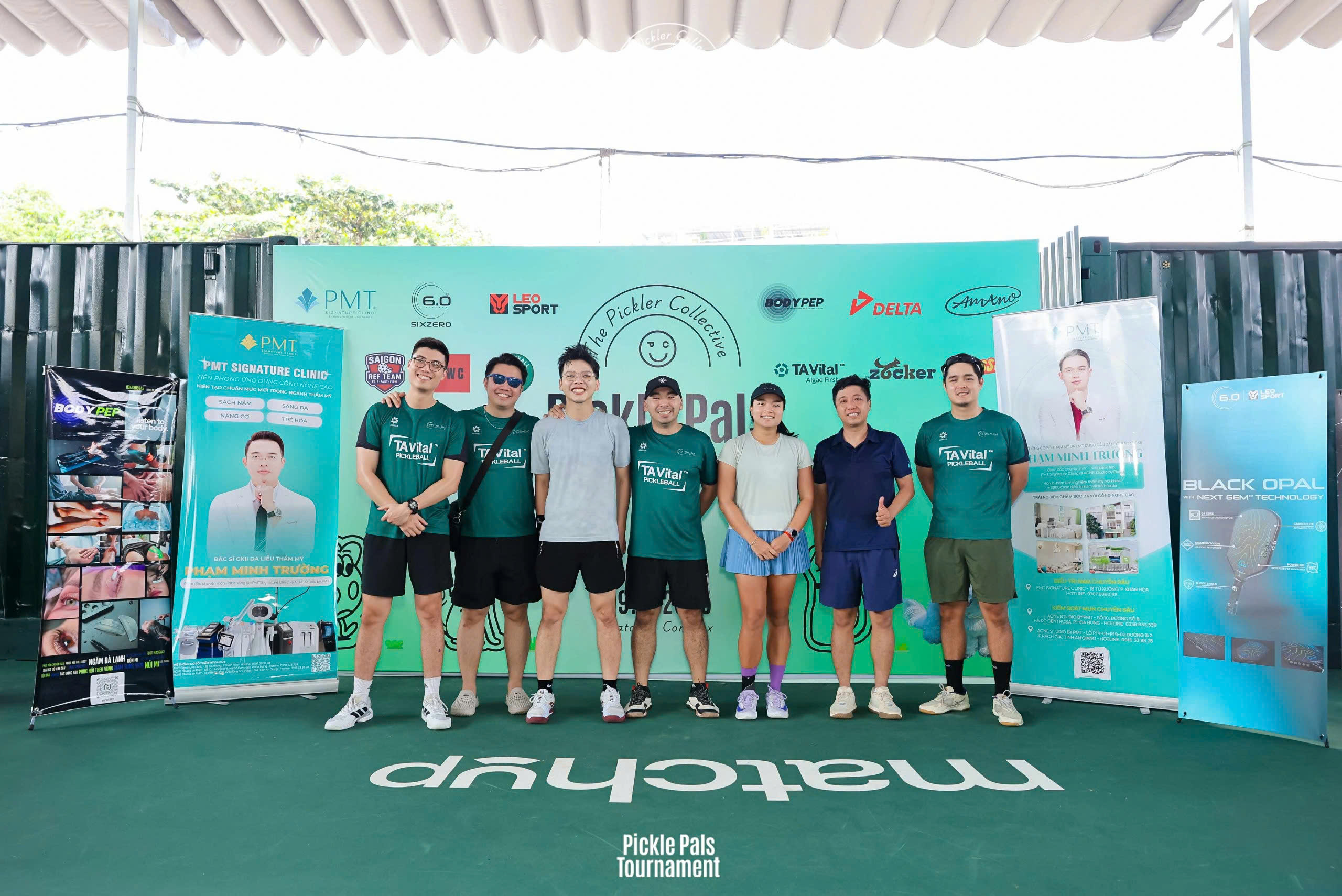
.jpg)


.jpg)


.jpg)


